
Europe’s Tourism Powerhouses Compete for 2027 Crown With Culture, Innovation and Sustainability: All You Need to Know

Published
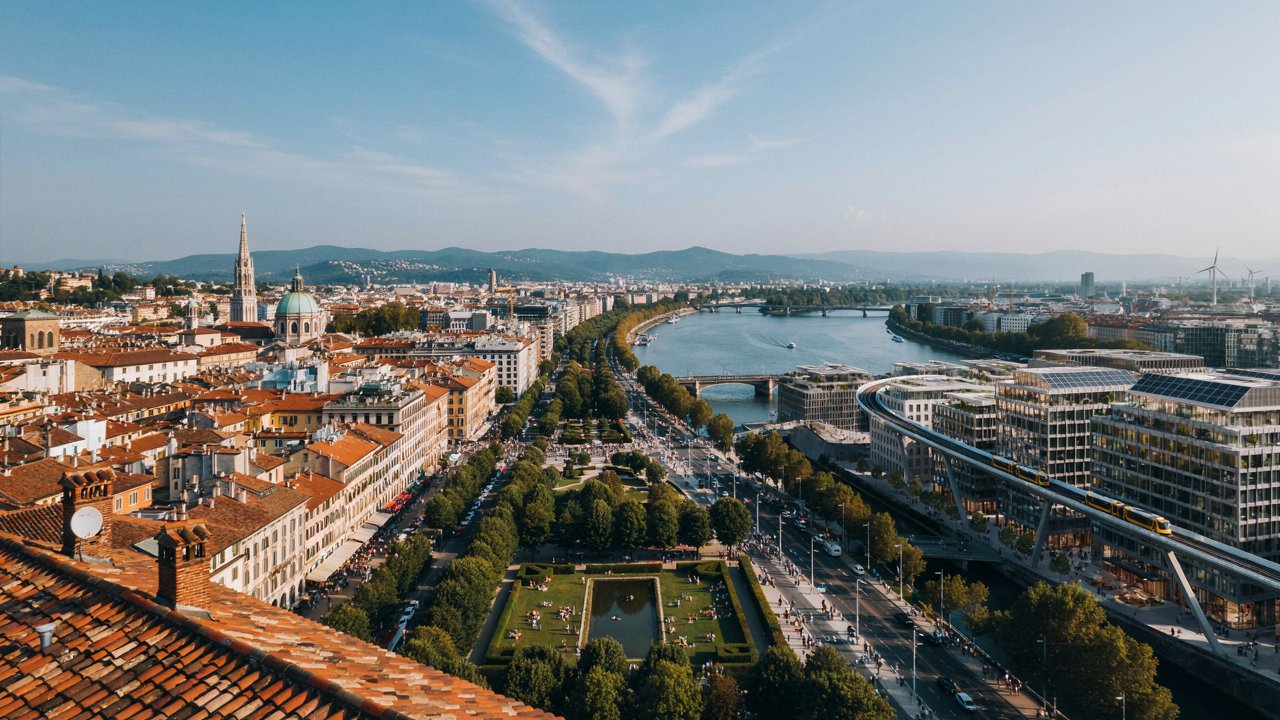
Europe is preparing to spotlight the next generation of tourism leaders as cities across the continent compete for recognition under the European Capitals of Tourism 2027 initiative. The programme highlights destinations that are transforming tourism through sustainability, accessibility, digital innovation, cultural preservation and creative visitor experiences.
The initiative aims to showcase cities that are developing stronger tourism models while balancing visitor growth with environmental responsibility and local community benefits. Unlike traditional tourism awards focused only on visitor numbers, the European Capital of Tourism programme evaluates how destinations are preparing for the future of travel.
Advertisement
Advertisement
The competition follows the integration of the previous European Capital of Smart Tourism and European Green Pioneer of Smart Tourism programmes under one unified European Capitals of Tourism title.
European Capital of Tourism 2027 Focuses on Smarter and More Sustainable Travel
The European Capitals of Tourism 2027 competition recognises destinations that demonstrate excellence across key tourism priorities.
Advertisement
Advertisement
The European Commission has divided the competition into two categories:
| Category | Eligible Destinations | Main Focus |
|---|---|---|
| Large cities | Cities with more than 100,000 inhabitants | Sustainability, accessibility, digitalisation, cultural heritage and creativity |
| Smaller destinations | Cities with 25,000 to 100,000 inhabitants | Sustainable tourism development and green transition practices |
The winning destinations will receive European-level promotion, including marketing support, international visibility and opportunities to exchange tourism practices with other leading destinations.
Advertisement
Advertisement
Cities Competing to Shape Europe’s Tourism Future
The competition has attracted destinations that represent different sides of European travel, from historic capitals and cultural centres to smaller destinations focusing on sustainable tourism.
Each participating city brings a different tourism identity, combining heritage, nature, technology and visitor experiences.
Advertisement
Advertisement
| Destination Type | Tourism Strength |
|---|---|
| Historic cities | Heritage attractions, museums and cultural experiences |
| Coastal destinations | Marine tourism and sustainable waterfront development |
| Nature-focused locations | Outdoor adventures and conservation-based travel |
| Smart cities | Digital visitor services and innovation |
| Emerging destinations | Authentic experiences and sustainable growth |
The competition reflects Europe’s changing tourism landscape, where travellers increasingly seek meaningful experiences rather than only traditional sightseeing.
Cultural Heritage Remains a Powerful Tourism Driver Across Europe
European cities continue to attract visitors through centuries of history, architecture, traditions and creative industries.
Historic neighbourhoods, UNESCO-listed locations, museums and local cultural events remain central parts of destination strategies.
Cities participating in tourism development programmes are increasingly focusing on protecting heritage while improving visitor access.
Advertisement
Advertisement
Modern cultural tourism strategies often include:
- Digital museum experiences
- Accessible historic attractions
- Local artisan support
- Cultural festivals
- Creative tourism programmes
This approach allows destinations to protect their identity while creating new reasons for travellers to visit.
Sustainability Becomes a Defining Factor for Future European Destinations
Environmental responsibility has become one of the most important elements shaping Europe’s tourism future.
Destinations are increasingly introducing measures designed to reduce tourism pressure and improve long-term visitor experiences.
Sustainable tourism initiatives include:
| Sustainability Measure | Tourism Benefit |
|---|---|
| Green transport solutions | Easier low-carbon travel |
| Protected natural areas | Conservation and responsible exploration |
| Energy-efficient infrastructure | Reduced environmental impact |
| Waste reduction programmes | Cleaner visitor environments |
| Local community involvement | Stronger tourism economies |
The European Capital of Tourism initiative recognises destinations that demonstrate practical solutions rather than relying only on tourism growth.
Advertisement
Advertisement
Digital Innovation Transforms How Visitors Experience European Cities
Technology is becoming a major factor in modern tourism planning.
European destinations are increasingly using digital tools to improve visitor journeys, including:
- Smart travel applications
- Digital attraction guides
- Online visitor information systems
- Real-time transport updates
- Virtual cultural experiences
Digitalisation helps travellers explore destinations more efficiently while allowing cities to manage visitor flows more effectively.
The European Commission identifies digital transformation as one of the key areas evaluated in the European Capitals of Tourism competition.
Accessibility Takes a Bigger Role in European Tourism Development
Accessible tourism is becoming increasingly important as destinations aim to welcome a wider range of travellers.
Cities are improving facilities and services for visitors with different mobility, sensory and accessibility needs.
Advertisement
Advertisement
Examples include:
- Barrier-free attractions
- Accessible transport networks
- Improved visitor information
- Inclusive accommodation options
The competition recognises accessibility as one of the essential elements of successful future tourism destinations.
Smaller European Destinations Gain Greater Global Visibility
The European Capital of Tourism 2027 programme also gives smaller destinations an opportunity to compete alongside larger tourism centres.
Smaller cities often offer travellers:
- Authentic local culture
- Less crowded experiences
- Nature-based tourism
- Traditional cuisine
- Community-focused travel
By creating dedicated recognition for smaller destinations, the programme highlights that tourism leadership is not limited to major European capitals.
Why the European Capital of Tourism 2027 Title Matters for Travellers
The recognition can influence how travellers discover destinations in the coming years.
Advertisement
Advertisement
Winning cities gain increased international attention and promotional opportunities, helping more visitors discover their attractions and experiences.
For travellers, the programme can act as a guide towards destinations investing in:
- Sustainable travel experiences
- Better visitor infrastructure
- Cultural preservation
- Digital tourism services
- Inclusive tourism planning
Europe’s Tourism Competition Reflects Changing Global Travel Trends
The race for European Capital of Tourism 2027 comes at a time when global travellers are changing how they choose destinations.
Visitors are increasingly interested in:
- Authentic local experiences
- Sustainable holidays
- Responsible tourism
- Digital convenience
- Cultural connections
European cities are adapting by moving beyond traditional sightseeing models and creating more balanced tourism ecosystems.
The destinations recognised through this initiative represent a broader shift towards smarter and more responsible travel.
Advertisement
Advertisement
Frequently Asked Questions
1. What is the European Capital of Tourism 2027 competition?
The European Capital of Tourism 2027 competition is a European initiative recognising destinations that demonstrate excellence in sustainable, accessible, digital and culturally focused tourism development.
2. How many cities will receive the European Capital of Tourism 2027 title?
Two destinations will be selected: one larger city category winner and one smaller destination category winner.
3. What factors decide the winners?
Cities are evaluated on areas including sustainability, accessibility, digitalisation, cultural heritage, creativity and tourism innovation.
4. How will winning cities benefit?
Winning destinations receive European promotion, international visibility, communication support and opportunities to share tourism practices with other destinations.
5. Why should travellers follow the European Capital of Tourism programme?
The programme highlights destinations investing in better visitor experiences, sustainability and future-ready tourism development.
Conclusion
The European Capital of Tourism 2027 competition is showcasing how cities across Europe are redefining travel through innovation, sustainability and cultural creativity. As destinations compete for international recognition, the focus is shifting from simply attracting more visitors to creating meaningful and responsible tourism experiences.
For travellers planning future European journeys, these emerging tourism leaders offer opportunities to discover destinations where heritage meets technology, and where unforgettable experiences are built around a more sustainable vision of travel.
Advertisement
