

Spokane Washington Turns Into a Wildfire Battleground as Unstoppable Flames Tear Through Communities, Spark Evacuations and Challenge Firefighters!

Published
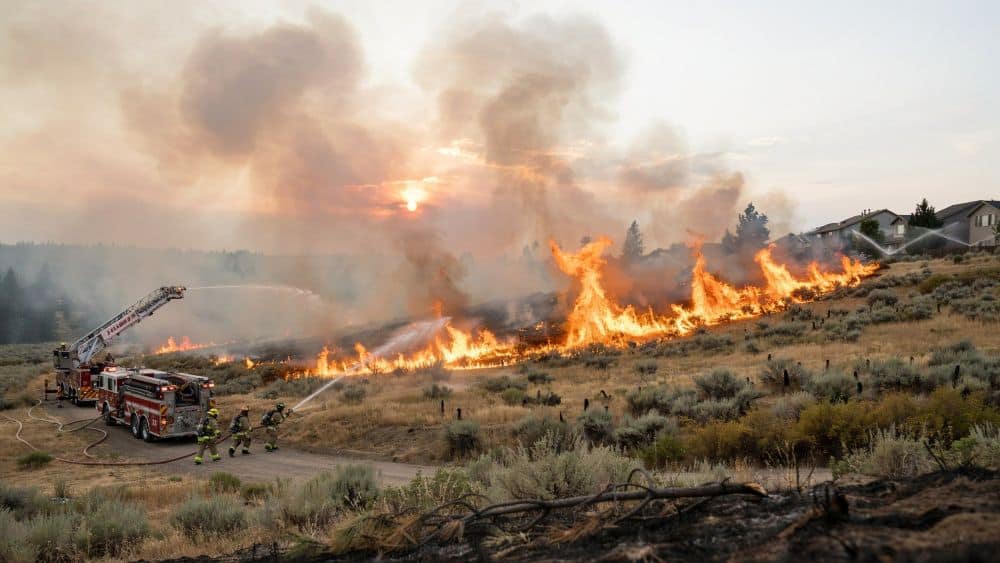
Tens of thousands of residents of Eastern Washington were evacuated due to rapidly spreading flames during a major wildfire emergency in Spokane, Washington. Destructive flames even moved into areas containing hundreds of structures. A big concern for the Old Trails Fire was the aggressive and sustained winds causing the fire to spread through the dry, grassy areas, and even mixed into the forests and further on into the suburban areas. The rapidly expanding fire, crossed the Spokane River, making its way to the now even more threatened even more populous communities. Emergency response operations were triggered due to the expanded threats and the extreme conditions that firefighters need to deal with in order to save the most critical lives and structures.
What is the latest situation of the Spokane wildfire emergency?
The Old Trails Fire remains an active and dangerous wildfire incident near Spokane, with firefighters facing difficult conditions as they attempt to slow its spread. The fire has burned thousands of acres, while containment remains limited because of strong winds, dry vegetation and unpredictable fire behaviour. Emergency teams continue to establish containment lines and protect nearby neighbourhoods as officials monitor changing weather conditions.
Advertisement
Advertisement
| Key Information | Details |
|---|---|
| Fire name | Old Trails Fire |
| Location | Spokane area, Washington, United States |
| Area burned | Approximately 3,500 acres |
| Containment | Zero per cent reported during early response |
| Evacuations | Around 5,000 homes affected |
| Structures destroyed | Around 600 structures across Spokane-area fires |
| Cause | Under investigation |
| Emergency status | Wildfire emergency declared |
| The fire situation remains dynamic, and officials continue updating evacuation boundaries as crews assess risks and changing conditions. |
Why did the Spokane wildfire spread so quickly across eastern Washington?
The rapid growth of the Spokane wildfire was linked to a combination of extreme fire-weather conditions. The region experienced dry vegetation, low humidity, high temperatures and powerful wind gusts that allowed flames to move quickly across open land and towards residential areas.
Strong winds created dangerous fire behaviour by carrying burning embers ahead of the main fire front. These flying embers allowed the wildfire to jump containment areas and ignite new spots. Firefighters faced additional challenges because steep terrain and dry landscapes accelerated the movement of flames.
The National Weather Service issued severe fire weather warnings for eastern Washington, highlighting conditions capable of producing explosive wildfire growth.
How many people have been evacuated and how much damage has been reported?
Thousands of residents in the Spokane region were ordered to leave their homes as authorities issued evacuation warnings and mandatory evacuation orders. Approximately 5,000 homes were affected by evacuation measures as firefighters worked to prevent further destruction.
Around 600 structures were reported destroyed across multiple Spokane-area fires. Officials warned that damage assessments could change because some affected areas remained inaccessible due to active flames and safety concerns.
Emergency shelters were opened to support displaced residents, while local authorities provided evacuation assistance and emergency information.
Advertisement
Advertisement
Which other wildfires are affecting the Spokane region?
The Old Trails Fire is part of a wider wildfire emergency affecting eastern Washington. Additional incidents, including the Autumn Lane Fire and Fairview Fire, have contributed to the growing firefighting challenge.
These fires have displayed extreme behaviour, including rapid wind-driven movement, spotting and intense burning near populated areas. Fire agencies have coordinated resources across multiple incidents, bringing together firefighters, emergency crews and specialised wildfire teams.
The combined wildfire activity has placed significant pressure on regional firefighting resources during a period of heightened fire danger.
What emergency actions have authorities taken?
Washington officials have activated emergency measures to respond to the wildfire crisis. A statewide wildfire emergency has been declared, while restrictions have been introduced to reduce the risk of additional fires.
Firefighting resources have been deployed from multiple locations, including specialised crews, aircraft and emergency personnel. Authorities are focusing on evacuation support, protecting critical infrastructure and preventing further spread into populated communities.
Emergency shelters have been established for residents who cannot return home, while officials continue providing updates through emergency management channels.
Advertisement
Advertisement
Are travellers affected by the Spokane wildfire?
The Spokane wildfire has created travel disruptions across parts of eastern Washington. Smoke from the fires has reduced air quality and visibility in some areas, potentially affecting road travel, outdoor activities and aviation conditions.
Travellers using Spokane International Airport should check flight schedules directly with airlines before departure because wildfire smoke and changing weather conditions can influence operations.
Several recreational areas, parks and trails near the fire zones have faced temporary closures due to safety concerns. Visitors planning trips around Spokane, eastern Washington or nearby outdoor destinations should monitor official wildfire updates before travelling.
What should visitors know before travelling to Spokane?
Travellers visiting Spokane during the wildfire emergency should remain aware of evacuation zones, air-quality conditions and road restrictions. Outdoor activities such as hiking, camping and sightseeing may be affected in areas close to active fires.
Visitors should:
- Check wildfire alerts before travelling
- Monitor air-quality conditions
- Avoid restricted areas
- Follow local evacuation instructions
- Confirm transport schedules before departure
Emergency conditions can change quickly, especially during periods of strong winds and high temperatures.
What comes next as wildfires continue to rage?
As of now, fire operations in efforts of suppression will continue with even more aggression while law enforcement works to establish communication fences around the Spokane fire. The main objectives of the situation as it stands will focus on the protection of the public as best as possible as well as assisting those who have been forced to evacuate in addition to prevention of further damage to unburnt structures. There will be a multitude of environmental factors considered to understand the timeframe of wildfire containment while the Spokane fire is a great example of the hazardous wildfire situation escalating the further across the western US you travel. Of them is the location of the wind, however, in addition to the temperature. The Spokane fire has illustrated the dangers of the situation escalating across the US and the lack of preparedness and alerts. It is vital to continue to remain vigilant as suppression efforts are in full force across eastern Washington.
Advertisement
