
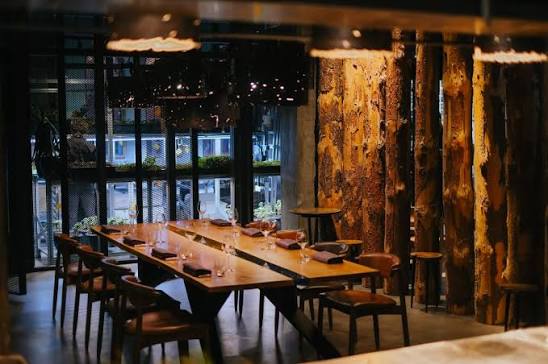
Image generated with Ai
By showcasing innovative dining experiences at Max Cekot Kitchen, JOHN Chef’s Hal, and other top restaurants, Latvia elevates culinary tourism and creates a compelling new destination for international food tourists in 2026. The country is moving beyond traditional sightseeing by turning restaurants into gateways of culture, creativity and local flavours. Award-winning chefs, seasonal ingredients and modern cooking techniques are reshaping Latvia’s gastronomy landscape. From Riga’s premium dining venues to regional culinary destinations, visitors are discovering unique food journeys. This growing movement highlights how innovation, heritage and authentic experiences are helping Latvia emerge as one of Europe’s most exciting culinary tourism destinations.
| Restaurant / Dining Venue | Culinary Festival / Event Connection | 2026 Food Experience | Signature Culinary Focus | Tourist Appeal |
| Max Cekot Kitchen | Riga Taste Festival / Restaurant Week participation | Special festival menus highlighting creative Latvian cuisine | Contemporary tasting menus, seasonal ingredients, artistic presentation | One of Latvia’s leading fine-dining destinations, attracting international gastronomy travellers. |
| JOHN Chef’s Hall | Riga culinary festival programmes | Exclusive chef-led dining experiences during gastronomic events | Modern cuisine, limited-seat chef experiences, innovative techniques | Appeals to visitors seeking premium and intimate dining experiences. |
| Whitehouse | Riga Restaurant Week | Michelin-level festival dining menu | Elegant European cuisine with Latvian seasonal influences | Offers visitors access to luxury dining during festival pricing periods. |
| Barents | Riga Restaurant Week | Special three-course festival menu | Seafood-focused cuisine inspired by Nordic and Baltic flavours | Connects visitors with Latvia’s Baltic Sea culinary identity. |
| SEASONS at Grand Palace Hotel | Riga Restaurant Week | Festival menu showcasing seasonal cooking | Fine dining with premium local ingredients | Combines luxury accommodation tourism with gastronomy. |
| Chef’s Corner Restaurant & Bar | Riga Restaurant Week | Festival dining experience | Modern European cuisine and chef creativity | Attracts visitors looking for contemporary Riga dining. |
| Stage22 Bar & Restaurant | Riga Restaurant Week | Curated festival menu | Modern dishes paired with cocktails and city views | Adds lifestyle and urban tourism appeal. |
| FERMA | Riga Restaurant Week | Seasonal tasting experience | Latvian ingredients combined with modern culinary approaches | Popular among travellers seeking refined local flavours. |
| Tails | Riga Restaurant Week | Special festival menu | Seafood and contemporary cuisine | Highlights fresh ingredients and modern Baltic dining. |
| Entresol | Riga Restaurant Week | Festival menu experience | Small plates, creative Latvian-inspired dishes | Encourages visitors to explore innovative food concepts. |
| 3 Pavāru Restorāns (Three Chefs Restaurant) | Riga Restaurant Week | Chef-created festival menus | Experimental modern Latvian cuisine | A recognised destination for culinary travellers. |
| NEIBURGS Restaurant | Riga Restaurant Week | Festival dining offer | Traditional Latvian flavours with modern interpretation | Combines historic Old Riga atmosphere with gastronomy. |
| Le Dome | Riga Restaurant Week | Premium festival menu | Luxury dining and seasonal cuisine | Attracts high-value culinary tourists visiting Old Riga. |
| Kest | Regional restaurant week and culinary tourism activities | Chef-led Latvian cuisine experience | Seasonal local products and modern Nordic influences | Encourages tourists to travel beyond Riga for gastronomy. |
| MO Liepāja | Liepāja Restaurant Week | Special menus based on local heritage dishes | Modern versions of traditional Kurzeme cuisine | Promotes coastal food tourism and regional identity. |
| Kuldīga Restaurants and Cafés | Kuldīga Restaurant Week | Local flavour menus | Ancient recipes, regional products and seasonal dishes | Supports small-town culinary tourism. |
Latvia is strengthening its position as an emerging European food tourism destination in 2026 by transforming restaurants into cultural gateways where visitors can experience local traditions, seasonal flavours and contemporary gastronomy. The country’s culinary festivals are no longer focused only on food; they are becoming complete tourism experiences that combine dining, heritage, architecture and regional storytelling.
Advertisement
The centre of this movement is Riga, where restaurant festivals invite travellers to explore the city through specially created menus, chef-led concepts and premium dining experiences. The capital’s culinary calendar includes events such as the Riga Taste Festival and Riga Restaurant Week, which encourage visitors to discover restaurants ranging from innovative modern kitchens to Michelin Guide-recognised venues.
Latvian restaurants are increasingly highlighting ingredients connected with the country’s landscape, including forest mushrooms, berries, sea buckthorn, pumpkin, beetroot, apples, fish and locally produced dairy products. These ingredients are being transformed into refined dishes that reflect Latvia’s connection between nature and cuisine.
Advertisement
Advertisement
For international travellers, these festivals provide an opportunity to experience Latvia beyond traditional sightseeing. Instead of simply visiting historic towns and cultural attractions, tourists can now follow a culinary route through restaurants that represent the country’s evolving food identity.
The Riga Taste Festival 2026 is positioning Latvia’s capital as a major culinary destination by inviting restaurants and bakeries to create special menus inspired by local traditions and modern interpretations. The festival takes place from April 13 to April 26, 2026, turning Riga into a city-wide celebration of food experiences.
The festival highlights the relationship between Latvian heritage and contemporary dining. Participating restaurants create menus that encourage visitors to explore familiar flavours through new techniques, while bakeries showcase iconic Latvian pastries and creative variations.
A major attraction of the festival is its Michelin Guide restaurant participation. Visitors can enjoy high-level cuisine through specially designed three-course menus, allowing more travellers to access premium dining experiences that may normally be reserved for special occasions.
Advertisement
Advertisement
The event also supports Riga’s wider tourism strategy by connecting gastronomy with cultural exploration. Travellers can combine restaurant visits with experiences in the city’s historic centre, architecture districts and cultural attractions.Festival Location 2026 Period Main Attraction Riga Taste Festival Riga April 13–26, 2026 Restaurant and bakery menus inspired by Latvian flavours and Old Riga traditions Riga Restaurant Week Riga Seasonal editions in 2026 Special menus from leading restaurants and Michelin Guide venues
Latvia’s restaurant festival scene is being powered by a combination of Michelin-recognised restaurants, luxury dining venues and creative local kitchens. These restaurants are helping introduce international visitors to the country’s modern culinary identity.
During Riga Restaurant Week, dozens of restaurants participate by offering specially designed menus at accessible price points. The 2026 edition includes 61 participating restaurants, including 11 restaurants featured in the Michelin Guide selection.Restaurant Location Culinary Style Festival Appeal Whitehouse Riga Fine European cuisine with Latvian influences Premium Michelin Guide dining experience Barents Riga Baltic seafood and Nordic-inspired cuisine Showcases Latvia’s maritime flavours SEASONS at Grand Palace Hotel Riga Seasonal luxury cuisine Combines hospitality and gastronomy Chef’s Corner Restaurant & Bar Riga Contemporary European cuisine Modern dining experience for visitors Stage22 Bar & Restaurant Riga Creative urban cuisine Lifestyle-focused culinary experience FERMA Riga Seasonal Latvian-inspired cuisine Highlights local ingredients Tails Riga Seafood-focused modern cuisine Connects visitors with Baltic food culture Entresol Riga Creative small plates Contemporary interpretation of flavours 3 Pavāru Restorāns Riga Innovative chef-driven cuisine Popular destination for food travellers NEIBURGS Riga Traditional and modern Latvian flavours Historic Old Riga dining atmosphere Le Dome Riga Luxury cuisine High-end visitor experience
Michelin recognition has significantly increased international interest in Latvia’s restaurant sector. The country’s top restaurants are now attracting travellers who plan trips around food experiences rather than only traditional attractions.
Restaurants such as Max Cekot Kitchen and JOHN Chef’s Hall have become important names in Latvia’s fine-dining landscape. Both restaurants represent a new generation of Latvian chefs focused on creativity, precision and seasonal ingredients.
Max Cekot Kitchen is known for its modern tasting experiences and chef-driven approach, while JOHN Chef’s Hall offers an intimate dining format with limited seating and personalised culinary presentations.
These restaurants demonstrate how Latvia is moving beyond traditional perceptions of Baltic cuisine. Instead of relying only on historic recipes, chefs are combining regional ingredients with international techniques to create dishes that appeal to global travellers.
Although Riga remains Latvia’s main culinary hub, regional restaurants are increasingly attracting visitors seeking authentic countryside and cultural experiences.
One notable example is Kest, located in Cēsis. The restaurant has helped strengthen the city’s reputation as a destination where heritage tourism and gastronomy meet. Its focus on seasonal ingredients and creative cuisine encourages visitors to travel beyond the capital.
Other regional restaurants are also contributing to Latvia’s culinary tourism development by highlighting local producers, traditional cooking methods and regional ingredients.Destination Restaurant Example Tourism Experience Riga Max Cekot Kitchen Luxury modern Latvian gastronomy Riga JOHN Chef’s Hall Exclusive chef-led dining Cēsis Kest Regional food combined with cultural tourism Liepāja MO Coastal cuisine and seasonal dishes Līgatne Pavāru Māja Līgatne Farm-inspired countryside dining
Latvia’s culinary festivals appeal to global travellers because they combine several growing tourism trends: authentic experiences, sustainable food, local culture and premium dining.
Modern travellers increasingly search for experiences that reveal the identity of a destination. Food provides a direct connection to local communities, landscapes and traditions. Latvia’s restaurants are responding by creating menus that tell stories about forests, farms, rivers and the Baltic coastline.
The festivals also make premium dining more accessible. Restaurant weeks allow visitors to experience acclaimed restaurants through fixed-price menus, encouraging tourists to explore venues they might otherwise overlook.
Another important factor is sustainability. Latvian chefs are increasingly focusing on seasonal ingredients and local suppliers, reflecting global interest in responsible gastronomy.
Latvia’s growing culinary festival scene suggests that the country is building a stronger reputation among international food travellers. While destinations such as France, Italy and Spain remain dominant in European gastronomy, Latvia is creating a distinctive identity based on nature, simplicity and innovation.
The combination of Michelin-recognised restaurants, city-wide culinary festivals and regional dining experiences gives Latvia a competitive advantage. Visitors can experience luxury tasting menus in Riga, traditional flavours in smaller towns and seasonal cuisine inspired by the country’s forests and coastline.
As culinary tourism continues to expand globally, Latvia’s restaurants are becoming important ambassadors for the nation’s culture and tourism industry. In 2026, food is helping travellers discover a different side of Latvia — one defined by creativity, authenticity and unforgettable flavours.
| Latvian Town / Destination | Culinary Festival / Food Event | 2026 Timing | Main Culinary Theme | Tourist Experience | Why It Matters for Tourism |
|---|---|---|---|---|---|
| Zaube | Zaube Wild Culinary Festival | 5 September 2026 | Wild food, forest ingredients, traditional Latvian cooking | Visitors can experience chef demonstrations, food markets, workshops, foraging knowledge, mushrooms, berries, herbs, fish and locally sourced ingredients | The festival promotes Latvia’s connection between nature, rural traditions and modern gastronomy, positioning Zaube as a destination for authentic food tourism. |
| Riga | Riga Restaurant Week | Spring 2026 (annual event period) | Modern Latvian cuisine, seasonal ingredients and fine dining | Visitors explore restaurants offering special menus featuring local flavours and contemporary interpretations of Latvian dishes | Riga strengthens its reputation as Latvia’s gastronomic capital by combining heritage cuisine with innovative culinary experiences. |
| Sabile | Sabile Wine Festival | Summer 2026 (annual tradition) | Latvian wine, fruit wines and local beverages | Tourists discover Sabile’s vineyards, wine-making traditions and regional products | Sabile attracts visitors through unique northern European wine culture and rural culinary tourism. |
| Cēsis Region | Regional food and cultural events including local culinary showcases | 2026 seasonal programmes | Traditional Latvian food, farm products and heritage cuisine | Visitors combine castle tourism, nature trips and local food experiences | Cēsis connects cultural tourism with regional gastronomy, strengthening rural visitor economies. |
| Latvia-wide destinations | Home Café Days | July–August 2026 programme | Homemade food, local recipes and community dining | Travellers visit private homes, farms and small communities to taste authentic Latvian dishes | The initiative spreads culinary tourism across smaller towns and rural areas, allowing visitors to discover hidden food traditions. |
| Coastal Latvian towns | Seafood and maritime food celebrations | Summer 2026 seasonal events | Fish, seafood traditions and Baltic coastal cuisine | Visitors enjoy locally caught seafood, markets and coastal cultural activities | Coastal food events support seaside tourism by connecting local fishing heritage with visitor experiences. |
Zaube is expected to become one of Latvia’s most distinctive culinary destinations in 2026 through the Wild Culinary Festival. The event highlights the country’s natural food resources, bringing together chefs, producers, hunters, anglers, nature specialists and visitors interested in sustainable cuisine.
The festival focuses on ingredients traditionally collected from Latvia’s forests and countryside, including mushrooms, berries, herbs, fish and preserved foods. Rather than presenting these products only as seasonal ingredients, the event explores their cultural importance and role in Latvian identity.
Latvia’s capital continues to attract culinary travellers through restaurant-led food experiences. Riga Restaurant Week remains one of the city’s important gastronomic events, allowing visitors to discover local ingredients through specially created menus.
Tourists visiting Riga can experience traditional flavours such as rye bread, seasonal vegetables, dairy products, smoked foods and modern interpretations created by local chefs. The city combines historic architecture, markets and contemporary dining, making it a major stop on Latvia’s food tourism map.
Sabile offers one of Latvia’s most unusual culinary experiences through its wine traditions. The town is known for its historic vineyards and annual wine celebrations, where visitors can explore locally produced wines and fruit-based beverages.
The destination demonstrates how Latvia is expanding its food tourism identity beyond traditional dishes by introducing visitors to regional drinks, agricultural heritage and countryside experiences.
Home Café Days is helping transform smaller Latvian communities into culinary destinations by inviting visitors to experience homemade meals prepared by local hosts. In 2026, the programme expanded across dozens of tourism destinations, allowing travellers to explore authentic recipes and community traditions.
The initiative supports small towns, villages and rural businesses by encouraging visitors to travel beyond Latvia’s main cities and discover local food stories.
Latvia’s culinary festivals are becoming increasingly important because they combine several tourism trends: authentic experiences, sustainable travel, local production and cultural discovery.
Visitors are no longer searching only for famous landmarks. Many travellers want direct connections with communities, traditional cooking methods and regional lifestyles. Latvia’s food festivals provide these experiences by turning farms, forests, markets and historic towns into tourism attractions.
The country’s culinary events also support small producers, restaurants, farmers and rural communities by creating new opportunities for economic growth through tourism.
Latvia’s culinary rise is being driven by increasing demand for authentic travel experiences, innovative cuisine and meaningful connections with local culture. The answer lies in the country’s ability to combine traditional Baltic flavours with modern gastronomy through restaurants such as Max Cekot Kitchen and other leading venues. The reason behind this transformation is a stronger focus on seasonal produce, creative chefs and restaurant-led tourism experiences. As global travellers search for memorable food destinations, Latvia is gaining recognition as an emerging culinary hotspot. Its evolving restaurant scene is creating new opportunities for tourism growth, cultural promotion and international visibility.
[Image: Max Cekot Kitchen]
Advertisement
Advertisement
Advertisement













Sunday, September 6, 2026

Sunday, September 6, 2026
Sunday, September 6, 2026

Sunday, September 6, 2026

Sunday, September 6, 2026
Saturday, September 5, 2026

Sunday, September 6, 2026

Sunday, September 6, 2026



