
Barcelona Aligns With Lisbon and Others to Enter New Travel Era as Airport Expansion Plans Clash With Europe’s Overtourism Crisis

Published
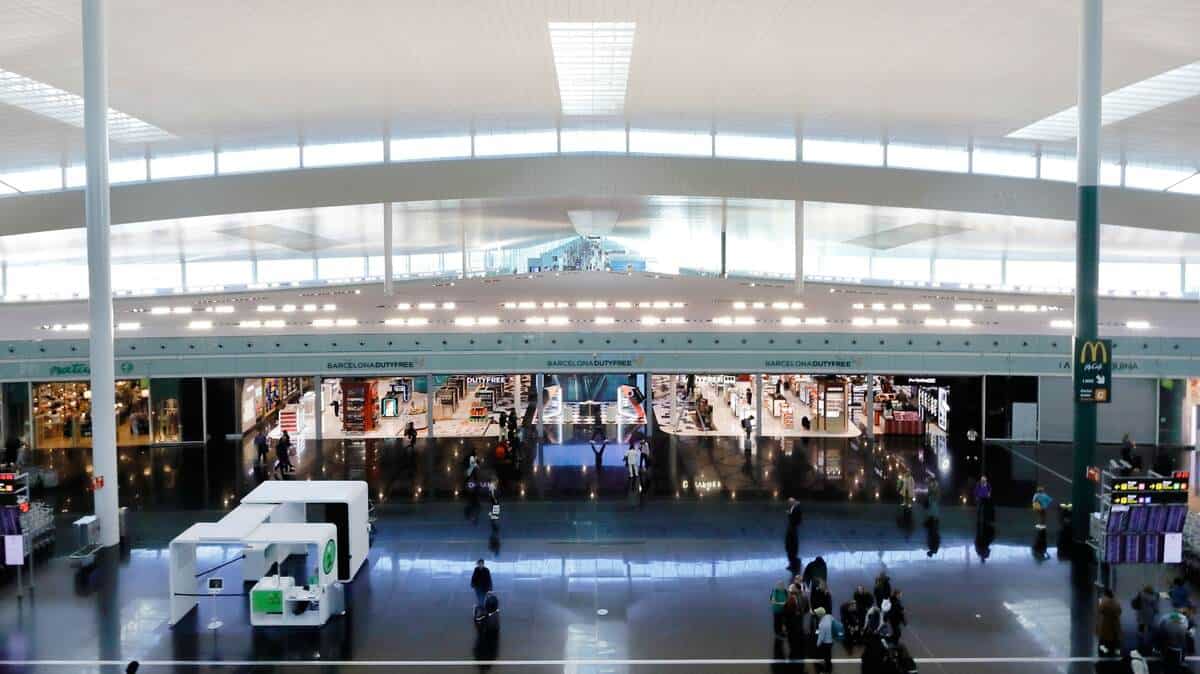
European policies regarding air travel and tourism will be challenged by 2026, particularly regarding the cities of Barcelona, Lisbon, Madrid, London and Amsterdam. Meanwhile, to deal with issues related to over-tourism, local governments will implement policies to alleviate the burden on the environment and to provide adequate housing. Globally, the number of air travelers is expected to increase, therefore, governmental and private airport establishments will invest to increase international airport capacity. To slow tourism, governments will implement various policies to manage tourism. The travel industry will face difficulty to find solutions to alleviate the pressure tourism puts on various resources while improving connectivity between continents.
Many European airports experienced increased demand after the effects of the COVID pandemic and many countries experienced record passenger numbers. Data from the Association of European Airlines shows that airports and air traffic in Europe have met and surpassed pre-pandemic passenger numbers. One of the primary drivers of the European travel market in 2026 was leisure and budget travel. Airport traffic to or from Dublin, Copenhagen and Malaga showed a significant increase throughout the year.
Advertisement
Advertisement
The result is a growing divide between two policy directions:
- National governments and airport operators are expanding aviation capacity to support tourism, business connectivity and economic growth.
- Municipal governments are introducing tourism restrictions to manage overcrowding and protect local communities.
For airlines, airports, tourism boards and travel companies, this represents one of the most important shifts in Europe’s tourism landscape.
Advertisement
Advertisement
Europe’s Airport Expansion Push Creates Conflict Between Passenger Growth and Destination Limits
Europe’s largest airports are preparing for future demand through new terminals, runway improvements and capacity upgrades. Major projects are planned or underway across Spain, Portugal, the United Kingdom, Ireland and the Netherlands. However, many destinations are already struggling with the consequences of rapid tourism growth.
Cities including Barcelona, Amsterdam, Venice and Athens have introduced measures such as:
Advertisement
Advertisement
- Tourist taxes
- Cruise ship restrictions
- Visitor limits at popular attractions
- Short-term rental controls
- Restrictions on new tourist accommodation
These measures are designed to reduce pressure on urban communities, but local governments often have limited control over national aviation decisions. The central challenge is that city-level tourism management policies can be weakened when airports continue increasing passenger capacity and adding millions of new seats into the market.
Major European Airport Expansion Projects and Local Conflicts
| City / Airport | Expansion Plan | Capacity Target / Investment | Main Local Concern |
|---|---|---|---|
| Barcelona El Prat | Third runway extension and terminal expansion proposal | Around €3.2 billion investment, targeting up to 70 million passengers annually | Wetland protection, overtourism, housing pressure |
| Madrid Barajas | Large-scale airport expansion | Around €2.4 billion investment, long-term target of 90 million passengers | Aviation emissions and climate impact |
| Lisbon | New Luís de Camões Airport at Alcochete | Replacement of Humberto Delgado Airport | Housing costs, environmental concerns |
| London Heathrow | Third runway proposal | Long-term capacity expansion | Climate targets, noise and pollution |
| Amsterdam Schiphol | Flight movement restrictions | Reduction towards around 452,000–460,000 flights | Airline opposition and connectivity concerns |
| Dublin Airport | Passenger growth beyond planning limits | Existing cap pressure | Housing, infrastructure and emissions |
Barcelona El Prat Expansion Debate Becomes Symbol of Europe’s Tourism Pressure
Barcelona has become one of the most visible examples of Europe’s struggle between tourism growth and local sustainability. The city remains one of the world’s most popular urban destinations, attracting millions of international visitors every year. However, local authorities have increasingly focused on reducing tourism-related pressure, especially in housing. Barcelona has announced plans to phase out tourist apartments by the end of the decade as part of efforts to increase residential housing availability.
Advertisement
Advertisement
At the same time, Barcelona El Prat Airport has continued expanding its role as a major European gateway. The airport surpassed its previous theoretical capacity level of approximately 55 million passengers by handling more than 57 million passengers. Airport operator Aena has included investment plans under future regulatory frameworks, including terminal improvements and operational upgrades. However, the larger proposal to extend the third runway remains controversial. The proposed €3.2 billion expansion would increase airport capacity towards approximately 70 million passengers annually.
Supporters argue that the project would:
- Improve Barcelona’s global connectivity
- Strengthen tourism competitiveness
- Support international business links
- Increase airport resilience
Opposition focuses on:
- Protection of La Ricarda wetlands
- Increased aviation emissions
- Additional tourism pressure
- Housing affordability challenges
La Ricarda is part of the European Natura 2000 protected environmental network, making biodiversity concerns a major factor in the expansion debate. Barcelona’s situation highlights the wider European contradiction: cities are trying to reduce visitor pressure while airports are preparing to welcome more travellers.
Advertisement
Advertisement
Madrid Barajas Expansion Targets 90 Million Passengers as Climate Debate Intensifies
Madrid is following a different strategy by actively expanding airport capacity. Adolfo Suárez Madrid-Barajas Airport is undergoing a major development programme supported by billions of euros in investment. The expansion plan aims to increase the airport’s long-term capacity towards 90 million passengers.
Madrid’s position as Spain’s main international hub makes the airport strategically important for:
- International tourism
- Business travel
- Latin American connections
- Global aviation networks
However, environmental concerns have increased around the project. Analysis from Transport & Environment has highlighted concerns that major European airport expansions could create additional carbon emissions pressure over coming decades.
According to the assessment, Madrid’s planned expansion could contribute around 23 million tonnes of additional carbon emissions over 25 years under certain scenarios. This figure has intensified debate about whether future aviation growth can continue while European countries work towards climate targets. The Madrid case demonstrates the broader challenge facing European aviation: airports are economic engines, but expansion decisions are increasingly evaluated through environmental standards.
Lisbon’s New Airport Project Faces Tourism Growth and Environmental Questions
Lisbon is preparing one of Europe’s largest airport transformations through the development of the Luís de Camões Airport at Alcochete. The project is designed to replace or supplement Humberto Delgado Airport, which has faced increasing capacity limitations as Portugal’s tourism industry continues expanding.
Lisbon has become a major European tourism destination, attracting visitors for:
Advertisement
Advertisement
- Historic neighbourhoods
- Cultural tourism
- Coastal experiences
- International events
- Business travel
However, rapid tourism growth has also contributed to:
- Rising rents
- Increased property demand
- Gentrification concerns
- Pressure on local communities
Environmental groups have raised concerns about the impact of airport development on sensitive ecosystems around the Tagus Estuary. The Lisbon airport project represents the same challenge seen across Europe: infrastructure expansion is viewed as necessary for tourism growth, but communities increasingly demand stronger sustainability protections.
London Heathrow Third Runway Debate Continues Between Connectivity and Climate Goals
London Heathrow remains one of Europe’s most important aviation hubs and one of its most controversial infrastructure projects. The proposed third runway has been debated for years, with supporters highlighting the importance of maintaining London’s global connectivity.
The expansion has been linked to:
- International trade
- Business travel
- Tourism growth
- Global aviation competitiveness
However, climate concerns remain central to the discussion. Environmental assessments have questioned whether additional airport capacity can align with the United Kingdom’s net-zero commitments.
The debate focuses on whether improvements such as:
Advertisement
Advertisement
- Sustainable aviation fuels
- New aircraft technology
- Carbon removal programmes
- Operational efficiency
will be sufficient to offset additional emissions created by future aviation growth. Heathrow represents a wider European issue: airports are expected to support economic growth while also reducing environmental impact.
Amsterdam Schiphol Takes Opposite Approach With Flight Restrictions
Amsterdam Schiphol has become one of Europe’s strongest examples of demand management rather than airport expansion.
The Dutch government has attempted to reduce flight movements to address:
- Noise pollution
- Environmental concerns
- Local community pressure
The proposed reduction towards approximately 452,000–460,000 annual flights has faced opposition from airlines and aviation organisations. Carriers argue that reducing capacity could affect international connectivity and economic activity. However, Schiphol’s approach represents a growing European trend where governments are considering whether unlimited aviation growth is compatible with local and environmental priorities.
Dublin Airport Growth Pushes Passenger Limits as Infrastructure Debate Expands
Dublin Airport has become another major European example of the growing conflict between aviation expansion and local capacity concerns. The airport has experienced strong passenger demand growth, exceeding its existing planning limit of 32 million passengers annually. The increase has triggered discussions involving airport authorities, airlines and local stakeholders over whether infrastructure should be expanded to support future demand.
Dublin remains a critical gateway for:
Advertisement
Advertisement
- International tourism
- Business travel
- Ireland’s global connectivity
- Transatlantic aviation links
However, continued growth has raised concerns about pressure on surrounding communities and regional infrastructure.
Key concerns include:
- Transport congestion
- Housing availability
- Water infrastructure pressure
- Noise impacts
- Additional aviation emissions
The Dublin situation reflects a wider European pattern where airports are reaching operational limits while destinations face challenges managing the effects of additional visitor growth. Local opposition has highlighted that airport expansion cannot be considered separately from wider urban planning issues. For tourism businesses, the challenge is creating growth models that increase visitor value without creating unsustainable pressure on local communities.
European Airport Expansion Plans Face Growing Climate Scrutiny
The debate surrounding European airport expansion has moved beyond local planning disputes and entered a wider climate discussion. A major assessment by Transport & Environment examined expansion plans at 20 of Europe’s largest airports and analysed their potential impact on aviation emissions. The analysis estimated that planned airport expansions could create approximately 225 million tonnes of additional carbon dioxide emissions over time.
The assessment argued that European aviation could exceed climate limits despite expected improvements from:
- More fuel-efficient aircraft
- Sustainable Aviation Fuels (SAF)
- Operational efficiency improvements
- New aviation technologies
The central concern is that increasing physical airport capacity may encourage additional flight growth faster than technology can reduce emissions. According to the analysis, aviation expansion could challenge Europe’s climate pathway by increasing demand for air travel while emissions reductions remain difficult, especially in long-haul aviation. The debate has placed airports under increasing pressure to demonstrate how future expansion plans can align with European climate commitments.
Advertisement
Advertisement
Passenger Growth Continues as European Airports Move Beyond Pre-Pandemic Levels
European aviation has entered a new phase of recovery, with many airports reporting passenger volumes above previous records. According to ACI Europe data, passenger traffic increased by 2.6% during the first half of 2026 compared with the previous year, exceeding pre-pandemic benchmarks. Growth has been particularly strong in leisure-focused markets.
Examples include:
| Airport Market | Passenger Growth Trend |
|---|---|
| Malaga | +6.7% |
| Copenhagen | +6.8% |
| Dublin | +5.9% |
The recovery has been largely driven by:
- Leisure tourism
- Low-cost airline expansion
- International holiday demand
- Short-break city travel
This shift in travel patterns has become an important part of the overtourism debate. Critics argue that increased airport capacity is increasingly supporting high-volume leisure travel rather than higher-value tourism segments.
Business travel, meanwhile, has experienced slower recovery due to:
- Remote working models
- Virtual meetings
- Corporate emissions policies
This changing travel landscape has created new questions about how Europe should measure tourism success.
Advertisement
Advertisement
Housing Crisis Becomes Central Issue in Europe’s Overtourism Debate
The impact of tourism growth is increasingly visible through housing markets across major European cities. Barcelona, Lisbon, Amsterdam and other popular destinations have experienced rising concerns over the conversion of residential properties into tourist accommodation. Short-term rental platforms have become a major focus of local tourism policies. Cities argue that limiting tourist accommodation can help protect housing availability for residents, workers and students.
Barcelona has moved towards eliminating tourist apartments over the coming years. Lisbon has faced similar challenges as tourism demand increased property pressure in central neighbourhoods. Amsterdam has introduced stricter rules on holiday rentals and visitor management. The housing issue has changed the nature of overtourism discussions. Previously, debates focused mainly on crowded attractions, traffic and public spaces.
Now, tourism growth is increasingly linked with:
- Residential affordability
- Workforce availability
- Local community stability
- Long-term urban development
For the travel industry, this means destination sustainability is becoming a major operational issue. Hotels, airlines, online travel companies and tour operators are increasingly required to consider how tourism growth affects local communities.
Tourism Taxes and Visitor Controls Increase Across Europe
European cities have introduced various measures to manage visitor pressure.
Common policies include:
Advertisement
Advertisement
Tourist Taxes
Several destinations have increased visitor charges to generate revenue for:
- Infrastructure improvements
- Environmental protection
- Tourism management programmes
Visitor Limits
Popular attractions have introduced restrictions to prevent overcrowding.
Examples include:
- Historic sites limiting daily visitors
- Advance booking requirements
- Controlled access systems
Cruise Restrictions
Some destinations have introduced measures to reduce cruise-related congestion. Venice has become one of Europe’s most recognised examples of managing high visitor numbers.
Short-Term Rental Restrictions
Cities are increasingly regulating tourist accommodation to protect housing supply. However, these measures face a major challenge. Municipal governments can control local tourism policies, but they often cannot directly control national aviation decisions. This creates a policy gap between destination management and transport planning.
Travel Demographics Shift as Europe Reconsiders Tourism Growth
The structure of European tourism is changing. Before the pandemic, many destinations focused on increasing visitor numbers as the primary measure of tourism success.
Advertisement
Advertisement
However, growing pressure on cities has encouraged a shift towards:
- Longer visitor stays
- Higher spending travellers
- Regional tourism distribution
- Sustainable mobility
Research and industry analysis indicate that business travel has not returned to previous growth patterns, while leisure travel has become the dominant aviation recovery driver. Budget airlines and affordable international routes have played a major role in increasing passenger volumes.
This has benefited consumers by making European travel more accessible. However, some destinations argue that high visitor numbers can create challenges when infrastructure and housing supply cannot grow at the same pace.
The future tourism model is increasingly focused on balancing:
- Visitor numbers
- Economic contribution
- Environmental impact
- Community acceptance
“Red Lines” Movement Links Airport Expansion With Tourism Management
Opposition to airport expansion has developed into a wider European movement connecting aviation infrastructure, climate concerns and urban pressures.
Civil groups in Spain, Portugal and the United Kingdom have increasingly linked airport expansion campaigns with concerns about:
Advertisement
Advertisement
- Climate emissions
- Housing shortages
- Local environmental protection
- Tourism concentration
The debate has moved beyond individual airport projects and developed into a broader discussion about Europe’s future mobility model. Groups including Stay Grounded have promoted campaigns calling for stronger limits on airport expansion.
Their focus includes:
- Reducing unnecessary aviation growth
- Protecting sensitive environmental areas
- Encouraging alternative transport options
The growing activism demonstrates that airport decisions are no longer viewed only as transport issues. They are increasingly considered part of wider economic, environmental and social planning.
Legal Challenges Increase Around Aviation Expansion Projects
European airport expansion projects are facing increasing legal and regulatory scrutiny. The reason is that many European countries operate under climate and biodiversity commitments.
Major expansion projects may face challenges related to:
- Carbon reduction targets
- Protected environmental areas
- National climate legislation
- EU biodiversity regulations
Barcelona’s La Ricarda wetlands represent one example where environmental protection has become a central issue. Other airport projects across Europe face similar questions about land use and emissions. Governments approving airport expansion projects must increasingly demonstrate how development aligns with environmental obligations.
Advertisement
Advertisement
This is creating a new regulatory environment for aviation investment. Future airport projects are likely to require stronger sustainability assessments and clearer climate strategies.
Europe’s Travel Industry Enters New Phase of Strategic Balance
The conflict between airport expansion and overtourism management represents one of the biggest challenges facing European travel. Airports remain essential economic assets. They connect countries, support tourism employment and strengthen international business links. However, destinations are increasingly demanding a more balanced approach.
The future of European tourism will depend on cooperation between:
- Airport operators
- Airlines
- Governments
- Tourism boards
- City authorities
- Environmental regulators
The industry is moving towards a new model where growth is measured not only by passenger numbers but also by sustainability, economic value and community impact.
Future of European Aviation Will Depend on Smarter Growth
Barcleona, Lisbon, Madrid, London, Amsterdam and Dublin have similar issues. Some airports are expanding. Others have constraints. Some regions have new facilities. Some have old. All must find ways to cope with the impact of international tourism and mitigate risks to over-tourism. How can the European regions and cities manage the need for interconnectivity and international tourism?
Europe’s tourism strategy for the next decade will address the above questions. New airports and more flights may still be built, but would require integration of climate change and sustainability goals. New facilities may also need to address housing needs. The appropriate tourism strategy would address the need for a right-based approach to tourism and struck a balance to enable the enjoyment of local, natural and cultural resources in the area, without causing unmanageable impacts to the ecosystems, cultural resources and the local community. The tourism strategy may also need to address other issues beyond the number of tourists, including the focus on peak season and high visitation days.
Advertisement
