
Italy Shopping Tourism Surges as International Visitors Drive Luxury Retail Growth Across Rome, Milan and Florence: All You Need to Know

Published
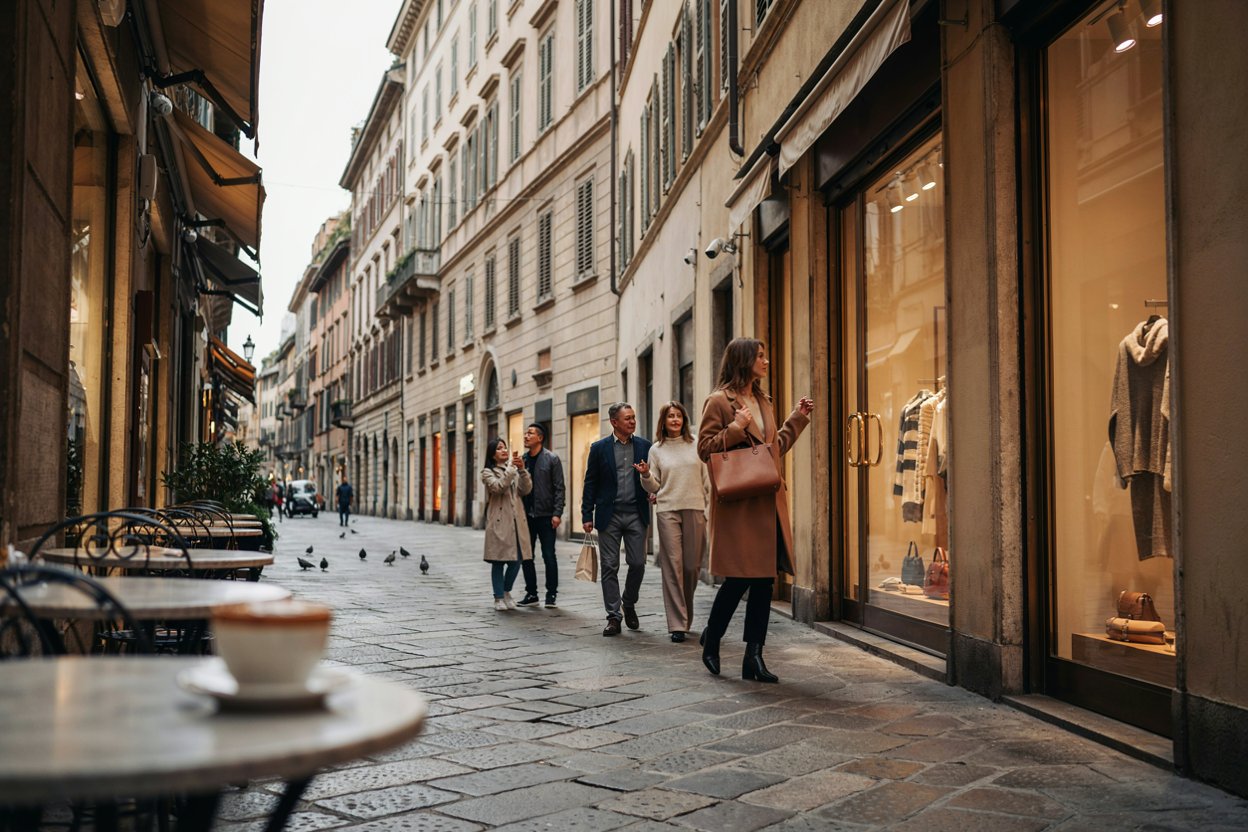
Italy is strengthening its position as one of the world’s most attractive shopping tourism destinations as international travellers increasingly combine cultural journeys with luxury retail experiences. From Milan’s fashion districts to Rome’s historic shopping streets and Florence’s artisan boutiques, foreign visitors are contributing significantly to Italy’s retail and tourism economy.
The country’s reputation for craftsmanship, designer fashion, premium products and authentic local shopping experiences continues to encourage travellers to spend more during their visits. Shopping is no longer considered only an additional holiday activity. It has become a major reason for international visitors to choose Italy as a destination.
Italy’s tourism recovery has created new opportunities for retailers, luxury brands, local artisans and city economies. International visitors are increasingly seeking experiences that combine heritage, lifestyle and exclusive purchases, making shopping an important part of the modern Italian travel experience.
According to tourism and economic data from Italian institutions, international visitors remain a key contributor to Italy’s tourism performance, with major cities and cultural destinations benefiting from strong foreign demand.
Advertisement
Advertisement
Foreign Visitors Increase Demand for Italy’s Luxury Shopping Experiences
Italy’s global reputation as a centre of fashion and design continues to attract millions of travellers interested in premium shopping experiences.
Visitors from international markets are drawn to Italy because shopping is closely connected with the country’s cultural identity. Tourists can purchase products directly from fashion houses, discover handmade goods from traditional workshops and explore historic commercial districts.
Advertisement
Advertisement
Luxury shopping plays a particularly important role in destinations such as Milan, Rome and Florence.
| Destination | Main Shopping Appeal |
|---|---|
| Milan | Global fashion brands, designer districts and luxury retail |
| Rome | Luxury streets, Italian brands and historic shopping areas |
| Florence | Leather goods, jewellery and artisan products |
| Venice | Handmade crafts, glass products and boutique shopping |
| Naples | Traditional products, local craftsmanship and food shopping |
| Turin | Elegant shopping avenues and premium brands |
International travellers often plan their Italian holidays around shopping opportunities, especially during fashion events, seasonal sales and cultural festivals.
Advertisement
Advertisement
Milan Strengthens Its Position as Italy’s Global Fashion Capital
Milan remains the heart of Italy’s fashion tourism sector.
The city attracts visitors from across the world who want to experience Italian style, luxury brands and internationally recognised shopping streets.
Areas such as the Quadrilatero della Moda have become global symbols of premium shopping. The district features some of the world’s leading fashion houses alongside luxury hotels, restaurants and cultural attractions.
Milan’s shopping appeal extends beyond luxury labels. Travellers also explore:
Advertisement
Advertisement
- Independent designer stores
- Italian footwear brands
- Contemporary fashion studios
- Interior design boutiques
- Local lifestyle products
The city’s connection with fashion events, including Milan Fashion Week, further strengthens its image as a destination where visitors can experience Italian creativity and innovation.
Shopping tourism also supports other sectors of Milan’s economy, including hospitality, transport, gastronomy and entertainment.
Rome Combines Ancient Heritage With Modern Retail Experiences
Rome offers a unique shopping environment where historic streets meet contemporary fashion.
The Italian capital attracts visitors who combine sightseeing at famous landmarks with shopping experiences across elegant commercial areas.
Popular shopping locations include:
| Rome Shopping Area | Highlights |
|---|---|
| Via dei Condotti | Luxury fashion and designer brands |
| Via del Corso | Popular retail shopping |
| Via Cola di Rienzo | Fashion, lifestyle and local brands |
| Monti District | Vintage stores and independent boutiques |
| Trastevere | Artisan products and creative shops |
The city’s appeal comes from its ability to combine shopping with cultural discovery. Travellers can visit ancient monuments, enjoy Italian cuisine and explore retail districts within the same itinerary.
Advertisement
Advertisement
This combination makes Rome particularly attractive for international visitors seeking a complete lifestyle experience.
Florence Promotes Artisan Shopping and Traditional Italian Craftsmanship
Florence represents one of Italy’s strongest destinations for authentic shopping experiences.
Unlike traditional luxury shopping centres, Florence attracts travellers through craftsmanship and heritage products.
The city is internationally recognised for:
- Leather goods
- Handmade jewellery
- Traditional textiles
- Artisan workshops
- Fine stationery
- Local food products
Visitors often look for products connected with Italian craftsmanship rather than mass-produced souvenirs.
The historic centre provides opportunities to discover family-owned businesses and workshops that preserve generations-old techniques.
Advertisement
Advertisement
Shopping in Florence is closely connected with cultural tourism. Travellers often explore museums, Renaissance architecture and artisan markets during the same visit.
International Markets Continue to Support Italy’s Shopping Tourism Growth
Italy’s shopping tourism sector benefits from visitors arriving from multiple global markets.
Travellers from Europe, North America, the Middle East and Asia contribute to demand for luxury goods, fashion products and premium experiences.
| Visitor Market | Shopping Interest |
|---|---|
| United States | Luxury fashion, designer goods and Italian brands |
| China | Premium products, fashion and luxury experiences |
| Middle East | High-end shopping and luxury travel |
| Japan | Craftsmanship, design and cultural products |
| Europe | Fashion, food and regional products |
International tourists often allocate significant spending towards shopping, especially when visiting major Italian cities.
Tax refund opportunities for eligible non-EU visitors also contribute to Italy’s appeal as a shopping destination. Italy operates a digital tax refund process for qualifying purchases made by eligible international travellers.
Italian Fashion Districts Become Major Tourism Attractions
Italy’s shopping districts have evolved into tourism attractions themselves.
Advertisement
Advertisement
Travellers are increasingly interested in visiting famous shopping streets, luxury areas and traditional markets as part of their holiday plans.
Some of the country’s most recognised shopping destinations include:
| City | Famous Shopping Experience |
|---|---|
| Milan | Luxury fashion districts and designer boutiques |
| Rome | Historic luxury streets |
| Florence | Artisan workshops and leather markets |
| Venice | Glass crafts and boutique stores |
| Bologna | Traditional food markets and independent shops |
| Naples | Local crafts and regional products |
These areas create economic benefits beyond retail by supporting restaurants, hotels, cultural venues and transport services.
Luxury Tourism and Shopping Experiences Strengthen Italy’s Visitor Economy
The growth of shopping tourism reflects a wider transformation in international travel.
Modern travellers increasingly search for experiences that combine:
- Culture
- Lifestyle
- Food
- Fashion
- Local craftsmanship
- Personalised memories
Italy has a unique advantage because its shopping experiences are connected with history and identity.
Advertisement
Advertisement
A visitor buying a handmade leather product in Florence, a designer item in Milan or a traditional food product in Naples is not simply making a purchase. The experience becomes part of the journey itself.
This connection between tourism and consumption helps Italian destinations create stronger relationships with international visitors.
Sustainable and Local Shopping Trends Shape Italy’s Future Tourism Strategy
While luxury shopping remains important, travellers are also showing greater interest in sustainable and locally produced goods.
Visitors increasingly look for:
- Handmade products
- Regional specialties
- Ethical fashion
- Small businesses
- Authentic experiences
Italian destinations are responding by promoting local producers, traditional markets and responsible tourism models.
This trend supports smaller businesses while allowing visitors to discover more authentic aspects of Italian culture.
Advertisement
Advertisement
Italy Shopping Tourism Growth Highlights
| Sector | Impact |
|---|---|
| Luxury Fashion | Attracts high-spending international visitors |
| Artisan Products | Supports local craftspeople |
| Historic Shopping Areas | Creates cultural tourism experiences |
| Tax-Free Shopping | Encourages international spending |
| Regional Products | Promotes local economies |
Frequently Asked Questions
1. Why is Italy becoming popular for shopping tourism?
Italy attracts shopping tourists because of its global fashion reputation, luxury brands, artisan products, craftsmanship and unique combination of shopping with cultural experiences.
2. Which Italian city is best known for luxury shopping?
Milan is internationally recognised as Italy’s fashion capital, with luxury districts, designer stores and major fashion events.
3. Can tourists receive tax refunds when shopping in Italy?
Eligible non-EU visitors may apply for VAT refunds on qualifying purchases when meeting the required conditions and completing the necessary procedures.
4. What products do international tourists usually buy in Italy?
Popular purchases include Italian fashion, leather goods, jewellery, footwear, luxury accessories, food products and handmade crafts.
5. Is shopping tourism important for Italy’s economy?
Yes. Shopping tourism supports retail businesses while also benefiting hotels, restaurants, transport services and cultural attractions.
6. Which destinations offer authentic Italian shopping experiences?
Florence, Venice, Naples and smaller Italian towns are particularly known for traditional crafts, local products and artisan shopping experiences.
Advertisement
