

New Zealand Cruise Tourism Eyes a Comeback With Push for 18-Month Fee Certainty

Published
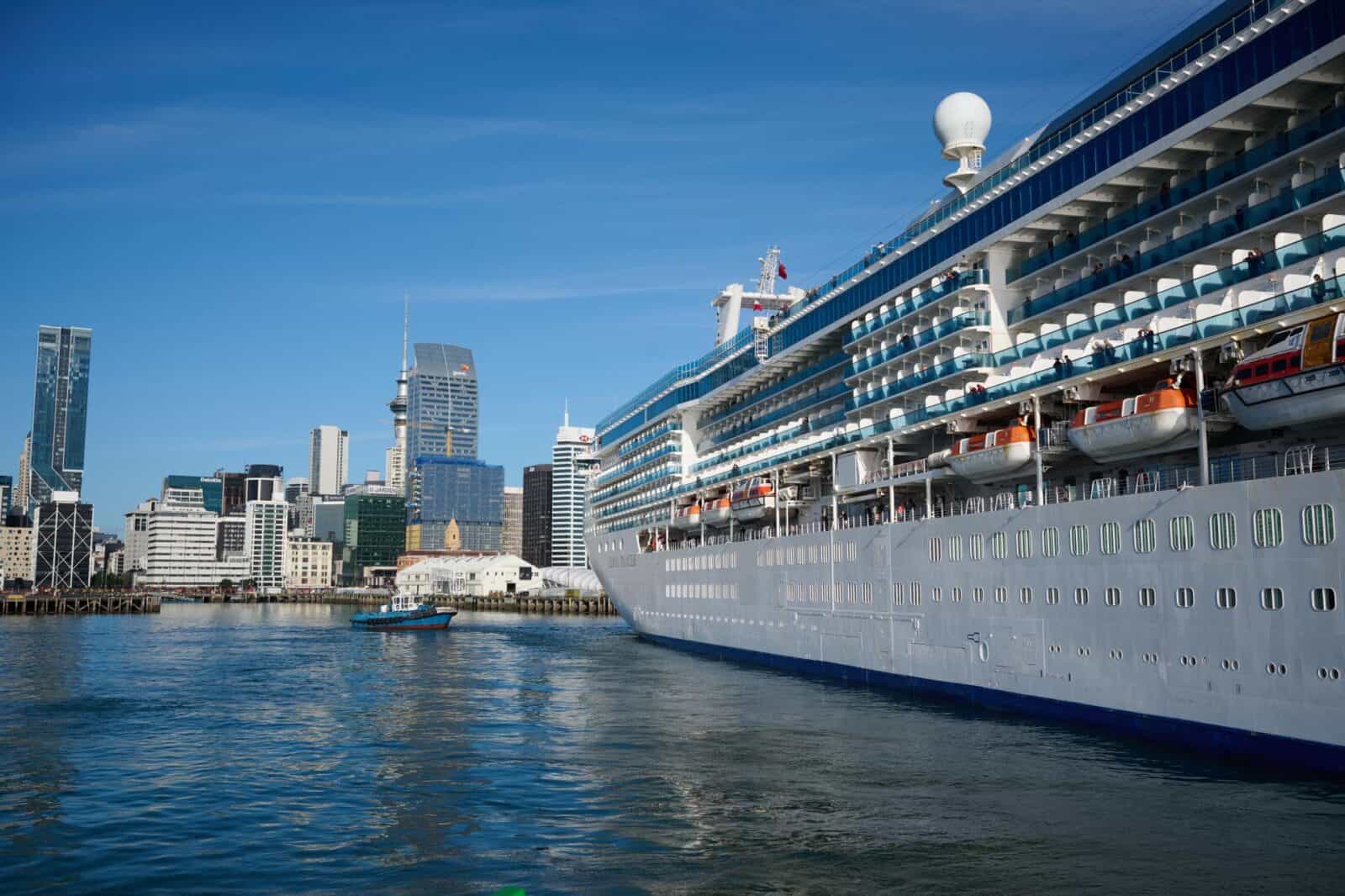
Tourism by cruise in New Zealand is trying to find out a way of recovery through the proposal to have eighteen months’ notice on cost of operations within the industry. The idea was proposed by New Zealand Cruise Association in their May 2026 strategy in order to give the cruise operators opportunity to budget in advance prior to sending their ships to New Zealand. As the new season starts, the problem does not just involve invoices from the ports but tour arrangements, accommodation and local economies as well. The idea is not a nationally agreed fee freeze. newzealandcruiseassociation.com
New Zealand cruise tourism needs a reliable planning calendar
The central issue is timing. A destination can remain attractive to passengers while becoming harder for cruise companies to budget for.
NZCA’s Horizon Two strategy proposes eighteen months of forward pricing visibility across cruise-related costs. Ports and the association are identified as leads, with several agencies and industry organisations supporting the action.
Its published strategy places that work in 2026. However, it notes that lead and support roles require stakeholder confirmation, so the timetable should not be mistaken for completed implementation. newzealandcruiseassociation.com
Advertisement
Advertisement
Visibility is different from a price freeze
Fee certainty would mean knowing expected charges early enough to plan. It does not necessarily mean lower charges, unchanged prices or cheaper passenger fares.
A cruise operator assesses an itinerary’s combined costs before deciding whether to allocate a vessel. Greater visibility could make that assessment easier; it would not guarantee a profitable voyage or a returning ship.
Advertisement
Advertisement
For a shore-excursion company, the practical interest is whether future schedules become reliable enough to support staffing and supplier commitments. That is a potential benefit, rather than a verified outcome of the proposal.
Government policy supports earlier notice
The Ministry of Business, Innovation and Employment supports transparency around fee and levy reviews in its Tourism Policy Statement. It also calls for as much lead time as possible so airlines and cruise companies can adjust fares.
Advertisement
Advertisement
Its connectivity policy recognises that border settings, infrastructure, transport capacity and commercial confidence work together. This gives the industry proposal a relevant policy context, without establishing a universal eighteen-month guarantee. Ministry of Business, Innovation & Employment
The wider statement seeks to double tourism’s 2023 export value by 2034. Cruise recovery forms part of that broader ambition, rather than a separate promise of immediate growth. Ministry of Business, Innovation & Employment
The recovery requires careful measurement
MBIE describes cruise visitation in 2025/26 as just over half its pre-pandemic level. Its policy discussion says deployment decisions happen years ahead, making confidence in New Zealand’s operating settings important. Ministry of Business, Innovation & Employment
This context explains why pricing reform is aimed at future schedules. A change announced during the current season cannot automatically reverse decisions already made.
Advertisement
Advertisement
The government forecast close to 200,000 cruise passengers in its 29 August 2026 season-opening announcement. That figure is an expectation, not a final count of arrivals or evidence that recovery is complete. Beehive.govt.nz
What current border charges tell travellers
New Zealand Customs publishes specific cruise-passenger charges for arrivals from 1 February 2026 to 30 June 2027. These are one part of the cost picture, rather than the full price of operating a ship.
| Published cruise-passenger charge | Amount, excluding applicable GST |
|---|---|
| Customs arrival levy | NZ$27.14 |
| Biosecurity arrival levy | NZ$10.58 |
| Customs departure levy | NZ$0.68 |
| Combined listed arrival and departure levies | NZ$38.40 |
The figures come from the New Zealand Customs Service levy schedule. Customs says these charges are included in cruise tickets when booked. customs.govt.nz
Port charges, maritime levies and vessel compliance costs are separate categories. They should not be bundled together under the misleading label “biofouling taxes”. www.mpi.govt.nz
A published levy decision offers a practical example
Maritime New Zealand announced its latest levy review outcome on 28 May 2026. Cabinet acknowledged cumulative cost pressure on shipping and cruise when selecting the increase.
The regulator says Maritime Levy rates will rise by 6.35% for the period beginning 1 July 2027, followed by 2.5% increases for the remaining two years of the levy period. These are published future settings, not a new charge taking effect today. Maritime NZ
Advertisement
Advertisement
The decision illustrates the difference between advance notice and lower prices. Operators can receive clearer information even when a levy is increasing.
Tourism businesses need usable port days
MBIE’s cruise policy discussion links success with better use of time ashore. Local food, retail, transport and experiences all feature in its description of valuable cruise visits.
For regional operators, attracting a ship is only the first step. Visitor access, transport coordination and the quality of available excursions influence what passengers can actually do.
The policy also calls for better regional spending information. That matters because passenger totals alone cannot show how much value reaches destination businesses. Ministry of Business, Innovation & Employment
Infrastructure and biosecurity remain part of the equation
The August government announcement highlighted Bledisloe North Wharf development and Auckland’s ambition to attract more travellers starting and ending cruises locally. Such journeys can connect sea travel with hotels, flights and land touring, although additional bookings must be measured. Beehive.govt.nz
Biosecurity solutions are progressing alongside that work. In December 2025, the government announced provisional approval for Auckland in-water cleaning technology targeting difficult vessel areas, including sea chests and propeller shafts.
Advertisement
Advertisement
The stated purpose was to reduce offshore cleaning and disruption while protecting marine ecosystems. Predictable operations and environmental protection therefore remain connected priorities. www.beehive.govt.nz
Traveller FAQs
Does the eighteen-month proposal guarantee my cruise fare?
No. It concerns advance visibility of operators’ costs and does not establish a passenger fare guarantee or nationwide fee freeze.
Should I budget separately for the listed border levies?
Customs says they are included in cruise tickets when booked. Check your operator’s quotation to understand the full payable price and any separately listed charges.
Does the proposal change entry requirements?
Advertisement
Advertisement
It is a pricing initiative, not a visa reform. Check the applicable passport, visa or travel-authority requirements for your nationality and itinerary before departure.
A clearer timetable for recovery
The return of the cruise industry in New Zealand rests on translating stated intentions into viable arrangements for operators. Cost visibility for 18 months would deal with a particular planning challenge, but the reviewed literature does not provide evidence to support that a guarantee has been set up nationally. Policies are already in place in favor of clear levies assessments, improved coordination and greater destination readiness. Travelers have to evaluate the viability of cruises based on itineraries, terms of tickets and entry conditions. Local businesses require reliable schedules and proof of expenditures. The next step is advance pricing, and after that follow-up ship visits.
Official Sources
- New Zealand Cruise Association — Horizon Two strategy
- Ministry of Business, Innovation and Employment — Policy objectives and actions
- New Zealand Customs Service — Border processing levies
- New Zealand Government — Cruise season announcement
Advertisement
