
Alaska Airlines Flight Arriving In Honolulu Triggers Emergency Action After Mystery Cabin Smell Incident

Updated
Published
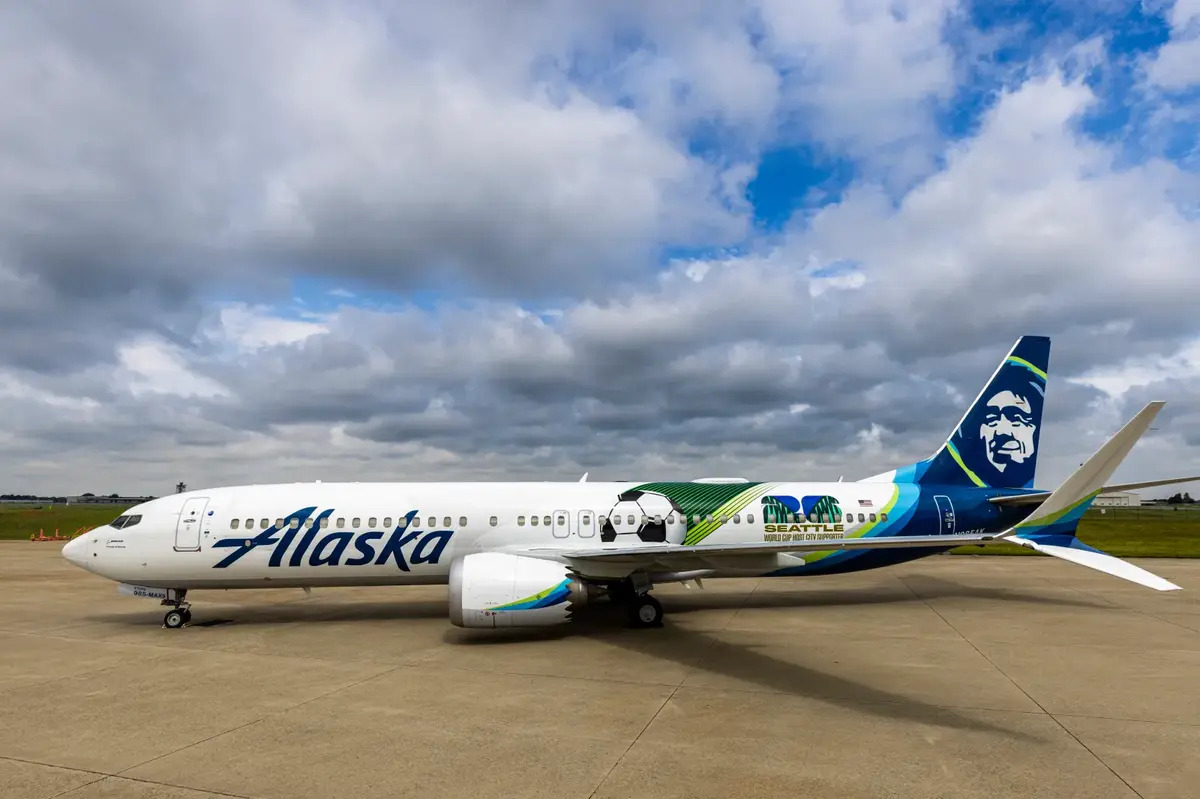
Photo Credit : alaskaair
An unknown smell on an Alaska Airlines flight from Los Angeles to Honolulu led to an emergency response after it made seven of the flight attendants ill. First responders evaluated the attendants after landing. The smell did not impact the 252 passengers on board. Hawaii’s Airus A330 had the smell on its cabin and is owned by Hawaiian Airlines. The plane was pulled from service for an evaluation.
The incident occurred on a flight operated by Hawaiian Airlines using an Airbus A330 aircraft. The service was marketed as Alaska Airlines Flight 803 and carried 252 passengers, none of whom reported health issues linked to the unusual smell inside the cabin.
Honolulu Airport Activates Emergency Response As Flight Attendants Experience Unexplained Symptoms
Emergency services were called to Terminal 1 at Daniel K. Inouye International Airport after members of the cabin crew reported feeling unwell following the detection of the unknown odour. Medical responders assessed the affected flight attendants after the aircraft arrived from Los Angeles.
Advertisement
Advertisement
Honolulu Emergency Medical Services worked alongside emergency response teams to evaluate the condition of the crew members. The seven flight attendants experienced symptoms such as nausea and headaches but did not require further medical care.
Officials confirmed that no passengers were affected during the incident. The source of the odour remained unclear, and investigations focused on identifying what caused the unusual smell inside the aircraft cabin.
Advertisement
Advertisement
Aircraft Inspected Before Returning To Service
Following the incident, the aircraft underwent a detailed inspection before being scheduled for its next operation. Airline officials confirmed that safety checks were completed to ensure the aircraft was suitable for continued service.
The aircraft involved was an Airbus A330 operated by Hawaiian Airlines. Although the flight was listed under another airline’s flight number, the service was operated by Hawaiian Airlines as part of a partnership arrangement.
Advertisement
Advertisement
The airline groups highlighted that passenger and crew safety remained the priority. Medical professionals were thanked for their quick response, while operational teams carried out necessary inspections and procedures after the aircraft arrived.
Mystery Cabin Smells Raise Fresh Aviation Safety Questions After Crew Health Scare
Unusual smells inside aircraft cabins are treated seriously by airlines because they can sometimes indicate technical issues, ventilation problems or the presence of unknown substances. Aviation teams follow strict procedures when cabin odours are reported to protect passengers and crew.
In this case, authorities have not identified the source of the smell. The aircraft inspection and operational checks were completed before the plane returned to service, helping reduce concerns about continued safety risks.
Airlines regularly train flight crews to respond to unexpected cabin conditions, including unusual odours, smoke reports or possible air-quality concerns. These procedures help crews quickly assess situations and coordinate with ground teams when necessary.
Advertisement
Advertisement
Similar Cabin Odour Incident Leads To Flight Diversion In The US
The Honolulu incident follows another recent aviation event involving an unusual smell inside an aircraft cabin. Earlier this month, a US flight was diverted after passengers and crew reported a smoky odour during the journey.
A Delta Air Lines flight travelling from Los Angeles to New York was redirected to Albuquerque after the unusual smell was detected onboard. The aircraft landed safely, allowing teams to investigate the situation.
Such incidents highlight the importance of rapid responses when aircraft crews notice unusual conditions during flights. While many cabin odour reports do not lead to serious consequences, airlines and aviation authorities continue to treat them as potential safety concerns.
Airlines Strengthen Safety Measures Through Quick Response Systems
Modern aviation relies on strict safety systems designed to handle unexpected events quickly. When cabin crews report unusual conditions, airlines coordinate with airport authorities, emergency responders and maintenance teams to investigate possible causes.
The Honolulu event showed how emergency services and airline teams work together when crew members experience health concerns. The response allowed medical assessments to take place while ensuring passengers remained safe.
As global air travel continues to grow, airlines continue improving operational procedures, aircraft monitoring systems and crew training programmes. These measures help maintain passenger confidence and support safe flight operations even during unexpected situations.
Advertisement
Advertisement
The cause of the odour detected on the Honolulu-bound flight remains under review. However, the aircraft was cleared after inspection, and no passenger injuries or medical emergencies were reported.
An odor on an Alaska Airlines flight caused the crew to become ill and result in an emergency response in Honolulu. Seven flight attendants were assessed by medical personnel after they were exposed to the cabin odor. The odor did not make the passengers ill.
Advertisement
