
World Tourism Day 2026 Highlights AI Revolution Driving The Next Era Of Smarter Global Tourism

Published
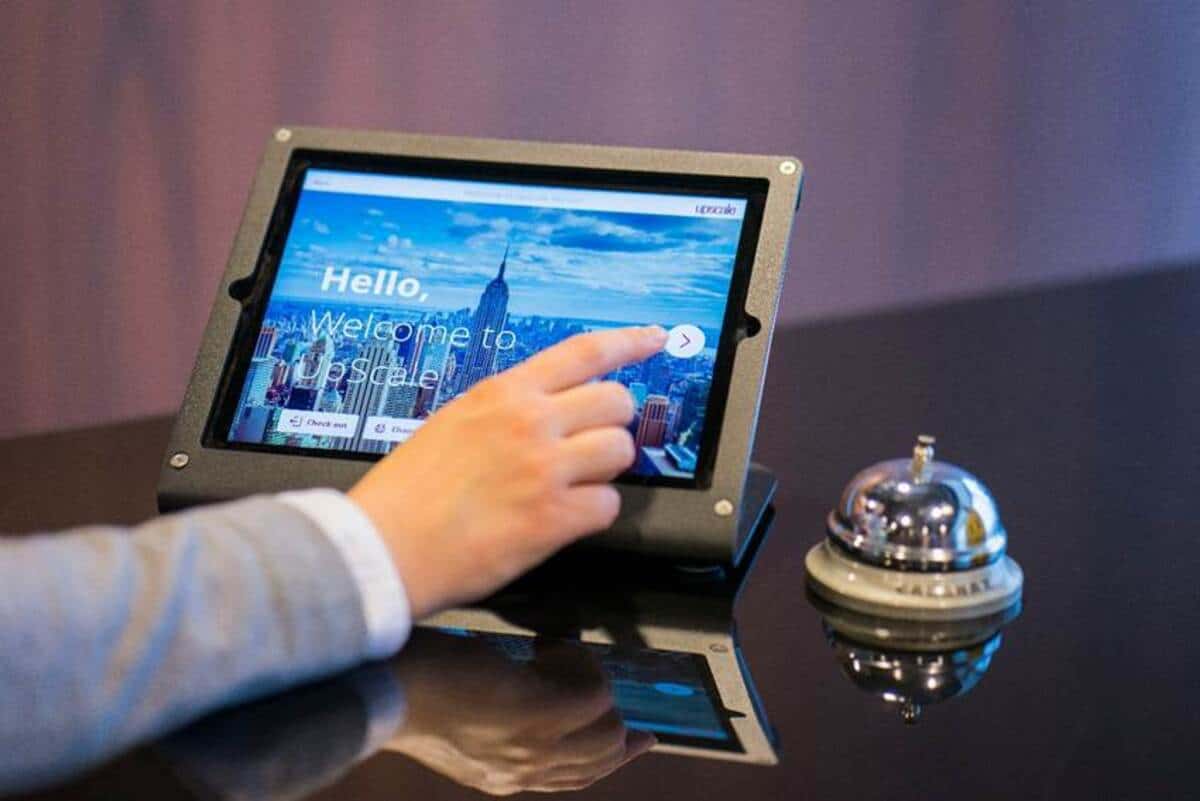
World Tourism Day 2026 will be recognized by UN Tourism on September 27 to examine digitalisation and AI’s influence on the future of travel and tourism. The day will examine the influence of various technologies on the travel and tourism value chain, including customer experience and service, back-end operations of accommodation and other tourism services, as well as tourism distribution and destination management.
To mark the occasion, Belvera Partners, a public relations firm specialising in B2B travel technology companies, brought together leading voices from across the travel technology sector to discuss the opportunities, challenges, and responsibilities linked to the rapid adoption of digital solutions and AI.
Advertisement
Advertisement
The discussion featured Catt McLeod, Vice President of Elegant Hotels of the World, part of the HotelREZ Hotels & Resorts network; Ivonne Arriola, Managing Director of Connect by PriceTravel Holding; and Daniel Pino, Co-Founder and CEO of Aloja. The experts explored how emerging technologies are redefining the complete travel journey, including how travellers search for destinations, make bookings, and engage with experiences around the world.
AI is accelerating transformation across the entire travel value chain
Panellists agreed that while technology has been influencing tourism for decades, AI is significantly accelerating the industry’s evolution. Innovation is changing how travellers choose destinations, how the industry operates and how travel experiences are designed. “Historically, only professional travel bookers were able to book hotels, travel and tourism experiences” – said Catt McLeod, VP of Elegant Hotels of the World, a luxury soft hospitality brand within HotelREZ the portfolio. “Now, end guests and travellers can do that too. That is for me the biggest change”.
Advertisement
Advertisement
“AI will transform almost everything around travel except the actual experience” – added Daniel Pino, CEO of Aloja, the dynamic pricing platform for tours and activities. “Everything else, how we book, discover and how profitable companies are is just about to change”.
According to Ivonne Arriola, Managing Director of the B2B hotel distribution company Connect by PriceTravel Holding “AI is accelerating the pace at which the accessibility of available information is being processed and the way that it is being used to personalize the experience for the customer”.
Advertisement
Advertisement
Responsible Innovation, Governance and Skills Development
While technology continues to advance at an unprecedented pace, the discussion highlighted that tourism remains deeply centred around human connection and authentic experiences. From hotels and resorts to guided activities and destination services, digital tools are expected to strengthen interactions between businesses and travellers rather than replace the personal elements that define tourism.
A key focus of the conversation was the need for responsible adoption of Artificial Intelligence. Industry leaders highlighted the importance of strong governance frameworks, effective data protection measures, ongoing workforce training, and the development of digital skills to ensure technology is implemented safely and effectively.
As AI becomes increasingly integrated into tourism operations, innovation must align with wider industry priorities, including sustainability, accessibility, and inclusive economic development. The future of tourism will depend on creating a balance between advanced technology and the human experiences that continue to drive travel.
“We need governance and the fact is that, at this point, AI has advanced much more than regulations” – stated Ivone Arriola. “Slowing down AI development would allow us to catch up. AI is great, but it must be regulated, used responsibly and with humans in the loop overseeing the progress it makes”.
“We need to ensure that we are bringing everybody with us and not leaving behind the less developed regions or focusing on the wrong thing” – explained Catt McLeod. “As the UN says, we need to invest in digital skills, widen access to technology and guaranteeing that innovation benefits the people and the places that make tourism possible.”
Although the full impact of Artificial Intelligence on tourism is still developing, its influence across the travel ecosystem is already evident. As traveller expectations change and new digital discovery platforms reshape the way people plan journeys, travel businesses must rethink their commercial models, marketing approaches, and distribution strategies. Adapting to these technological shifts will be essential for companies seeking to remain relevant, competitive, and prepared for the future of travel.
“Travel discovery and travel booking have already changed and is happening faster than we can digest” – concluded Daniel Pino, Co-Founder and CEO of Aloja. “If you’re seeing a decline in bookings or revenue while travel demand continues to grow, it might be time to look internally and ask yourself what you are missing and to evaluate your customer acquisition strategies. And technology, in general, and AI in particular, can help with that”.
Advertisement
