
Poland And Taiwan Deepen Tourism Ties To Expand Aviation Links And Business Tourism Amid Growing Tech Cooperation

Published
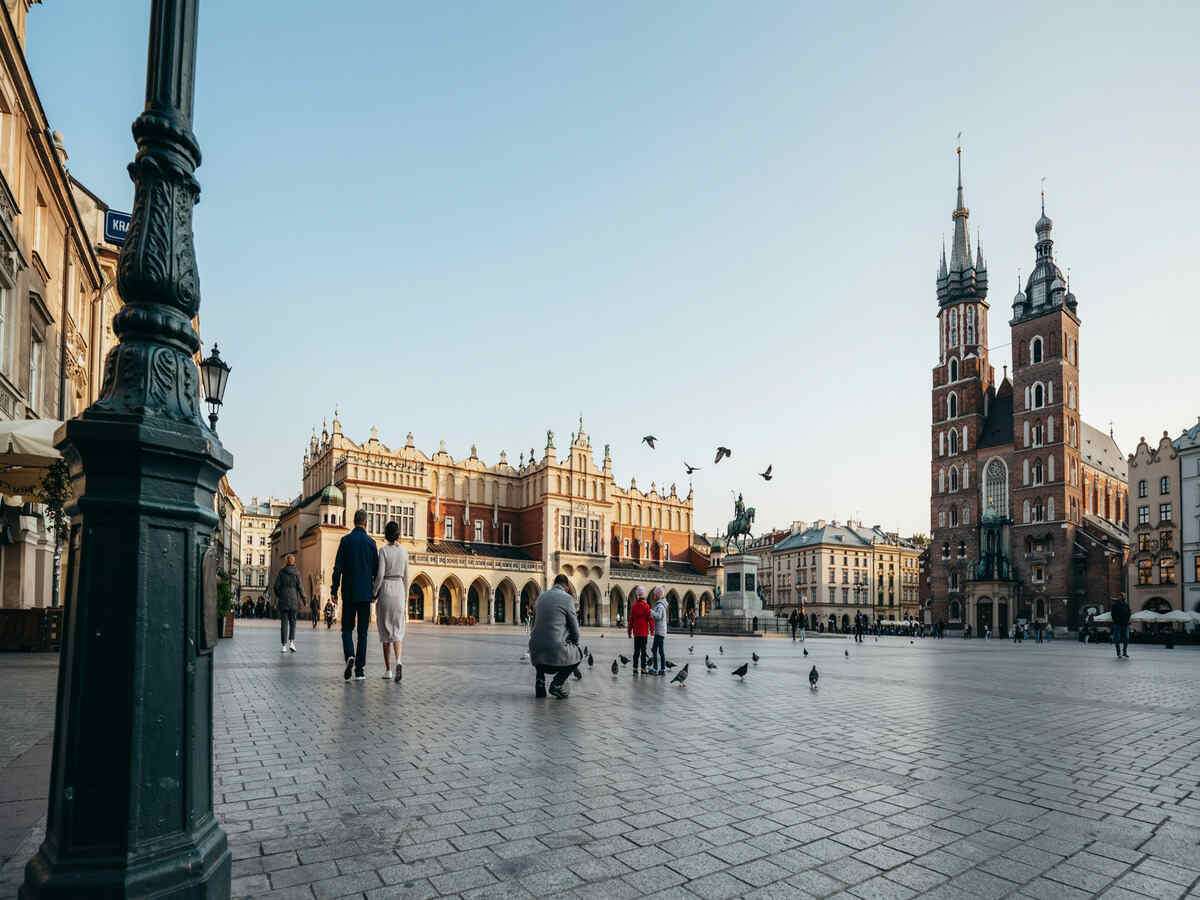
Technology cooperation grows between Poland and Taiwan, resulting in better business travel, aviation relations, and hospitality. This developing relationship between Poland and Taiwan has altered the nature of relations between these two countries in the regions of Central Europe and East Asia. While it originally began with a purely technological cooperation in electronics, it has quickly transformed into an economic catalyst for multiple areas.
By leveraging cutting-edge semiconductor innovation, high-power electronics research, and corporate investment, both nations are laying the groundwork for a long-term surge in international travel and business tourism.
Landmark Semiconductor Partnership Catalyzes New Travel Demand
At the core of this expanding economic relationship is a major agreement focused on advanced semiconductor research and production. During an official diplomatic visit from October 11 to 14, 2026, Taiwanese Foreign Minister Lin Chia-lung announced a strategic technology partnership between Taiwan and Poland. The collaboration centers on producing gallium nitride (GaN) chips—a critical wide-bandgap semiconductor material essential for high-power applications, next-generation telecommunications, industrial power units, and electric vehicles (EVs).
Technical execution is spearheaded by two premier research organizations:
Advertisement
Advertisement
- Taiwan’s Industrial Technology Research Institute (ITRI)
- Poland’s Łukasiewicz Institute of Microelectronics and Photonics
Building on joint academic and scientific foundations established in 2022, this partnership focuses on technology transfer and commercial R&D. While the initiative is primarily a technological agreement rather than a formal bilateral tourism treaty, its commercial real-world impact is generating a steady influx of high-value business travelers, engineering experts, academic specialists, and corporate executives moving between Warsaw, Taipei, and regional manufacturing hubs.
Business Tourism Growth Driven by High-Tech Investment
The transition from research agreements to physical industrial deployments requires ongoing, face-to-face cooperation. Laboratory evaluations, technical audits, joint engineering reviews, and supply chain negotiations depend heavily on direct corporate visits.
Advertisement
Advertisement
This corporate travel surge builds upon a strong baseline of economic interaction. Ministry data from Poland’s Ministry of Economic Development and Technology highlights that 2025 recorded the largest bilateral economic missions in the history of Poland–Taiwan relations. The new GaN semiconductor initiative is expected to accelerate this trend.
As multinational tech enterprises, research teams, and supply chain vendors deepen their commitments, demand is rising across key business tourism touchpoints:
Advertisement
Advertisement
- Corporate Accommodation: Extended stays for technical integration teams and visiting researchers.
- MICE Infrastructure: Increased booking of corporate conference centers, boardroom facilities, and executive meeting spaces.
- Local Hospitality: High-volume usage of premium airport transfer services, business dining, and urban hospitality providers.
High-Level Discussions on Direct Flight Connections and Aviation Connectivity
As trade volumes and corporate travel increase, long-distance aviation logistics become a strategic priority. In March 2026, Polish and Taiwanese aviation authorities met to discuss introducing direct, non-stop air routes between the two markets.
While neither side has confirmed a launch date or designated carrier, the rapidly expanding GaN technology alliance provides a strong commercial rationale for direct flights.
| Connectivity Factor | Current Status | Future Strategic Potential |
| Direct Air Links | Currently operated via third-party transfer hubs in Western Europe or Asia. | Potential direct flights connecting Warsaw Chopin Airport (WAW) with Taiwan Taoyuan International Airport (TPE). |
| Passenger Profile | Mixed leisure travel and general business delegates. | High-frequency corporate itineraries for semiconductor engineers, tech investors, and executive leadership. |
| Air Cargo Capacity | Restricted to belly-hold cargo on connecting flights. | Direct routes would streamline high-value, time-sensitive semiconductor and microelectronics cargo shipments. |
| Leisure Tourism Impact | Moderate tour group travel. | Direct routes simplify two-way leisure tourism, opening Central Europe to Taiwanese travelers and East Asia to Polish tourists. |
Warsaw Establishes Itself as a Central European MICE and Business Hub
As Poland’s political and financial center, Warsaw is well-positioned to capture the commercial benefits of this tech-driven business influx. The capital previously hosted the landmark Taiwan Expo in Europe, providing a dedicated platform for Taiwanese enterprises to exhibit advanced manufacturing, artificial intelligence, and EV power systems to European investors.
Warsaw’s expanding role as a high-tech gateway creates immediate growth across its events and hospitality sectors:
Advertisement
Advertisement
- Trade Conventions & Investor Summits: Expanding R&D frameworks encourage tech firms to schedule annual investor briefings, product showcases, and regional supplier summits in Warsaw.
- Hospitality Revenue: International events increase occupancy rates across four- and five-star corporate hotels, extended-stay apartments, and conference venues.
- Cultural & Bleisure Extensions: Corporate delegates frequently extend business travel into multi-day city breaks, spending extra leisure days exploring Warsaw’s historic landmarks, dining establishments, and cultural venues.
5. Industrial Acceleration in Wrocław and Lower Silesia
Beyond the capital, Lower Silesia—and its capital city, Wrocław—is emerging as a primary destination for industrial investment and corporate travel. On October 12, 2026, Foreign Minister Lin Chia-lung visited the proposed site for the Taiwan Electrical and Electronic Manufacturers’ Association (TEEMA) Technology Park in Miękinia, near Wrocław.
Lower Silesia’s strategic positioning within Central Europe makes it an ideal fit for advanced manufacturing. The development of the TEEMA park brings immediate economic activity:
- Construction & Engineering Travel: Inflows of site inspectors, civil engineers, supply chain planners, and equipment installation crews during the setup phase.
- Long-Term Executive Visits: Senior managers and operational auditors traveling regularly to supervise factory builds and integration.
- Regional Service Demand: Sustained support for local transport networks, regional hotel chains, specialized equipment providers, and corporate catering services.
MICE Tourism Boom and Strategic Tech Exhibitions
Poland’s Meetings, Incentives, Conferences, and Exhibitions (MICE) sector provides a strong foundation for high-tech event growth. According to the Polish Tourism Organisation’s 2026 Meetings Industry Report, Poland hosted over 18,500 recorded meetings and business events in 2025, with corporate and incentive gatherings comprising roughly 53% of the total. Furthermore, trade fairs and industrial exhibitions across the nation attracted more than 4.5 million participants.
Bilaterally, technical trade shows serve as key drivers for international travel:
These recurring international exhibitions generate recurring travel demand for regional airlines, premium business hotels, city transit systems, and local event management services.
Extended Scientific R&D and Academic Exchange
The human capital component of the GaN technology partnership establishes a stable foundation for long-stay educational and specialist travel. Scientific collaboration requires sustained, hands-on interaction in technical facilities and academic laboratories.
Advertisement
Advertisement
Key travel drivers within the research ecosystem include:
- Joint Scientific Workshops: Structured technical seminars for researchers, power-electronics engineers, and materials scientists.
- Extended Laboratory Fellowships: Post-doctoral researchers and senior specialists taking up multi-month residences at partner institutions in Warsaw, Wrocław, and Hsinchu.
- Specialized Training Programs: Short-term technical workshops for engineering teams operating specialized fabrication machinery.
These long-stay academic visits generate steady demand for serviced apartments, residential rentals, campus accommodations, and local hospitality services outside standard tourism peak seasons.
Broader Hospitality Growth and “Bleisure” Travel Trends
The expansion of bilateral corporate ties aligns with strong growth across Poland’s overall accommodation market. According to Statistics Poland, registered tourist accommodations hosted approximately 18.9 million visitors in the first half of 2025—an 11.6% year-over-year increase—generating 44.9 million overnight stays (+8.5%).
While existing macroeconomic statistics do not isolate the specific financial impact of the October 2026 semiconductor agreement, the influx of international tech professionals naturally contributes to these broader hospitality trends.
This dynamic creates secondary economic benefits for both nations:
- Cultural Exploration: Visiting researchers and corporate teams frequently schedule leisure trips to historic destinations, including Kraków, Lower Silesia, and the Baltic coast.
- Reverse Outbound Travel: Polish executives, engineers, and government officials visiting Taiwan often extend itineraries to explore Taipei, the Taroko Gorge, and Sun Moon Lake.
- People-to-People Connections: Existing youth mobility schemes and working holiday arrangements complement corporate travel, building cultural links between both societies.
Comprehensive Tech Framework Supporting Long-Term Bilateral Growth
The GaN chip collaboration builds upon a broader series of technology and innovation agreements established between Poland and Taiwan:
Advertisement
Advertisement
Together, these agreements establish an enduring operational framework for continuous professional exchange. As research projects transition into commercial manufacturing, the ongoing movement of talent, investment, and technology will continue to drive business travel, hospitality demand, and aviation development across both regions.
Poland and Taiwan increase tech collaboration to enhance business tourism, aviation relations, and hospitality through their semiconductor collaboration.
Poland and Taiwan’s evolving relationship demonstrates the power of high-tech industrial collaboration to drive contemporary business tourism. Through semiconductor technology research and development collaborations, creation of corporate parks, and trade shows, Poland and Taiwan are setting the stage for aviation connections, hotel occupancies, and future economic success.
Advertisement
