
Uzbekistan Triggers Travel Boom As Backpackers Flock To Marvel At Ancient Architecture In Samarkand And Bukhara

Published
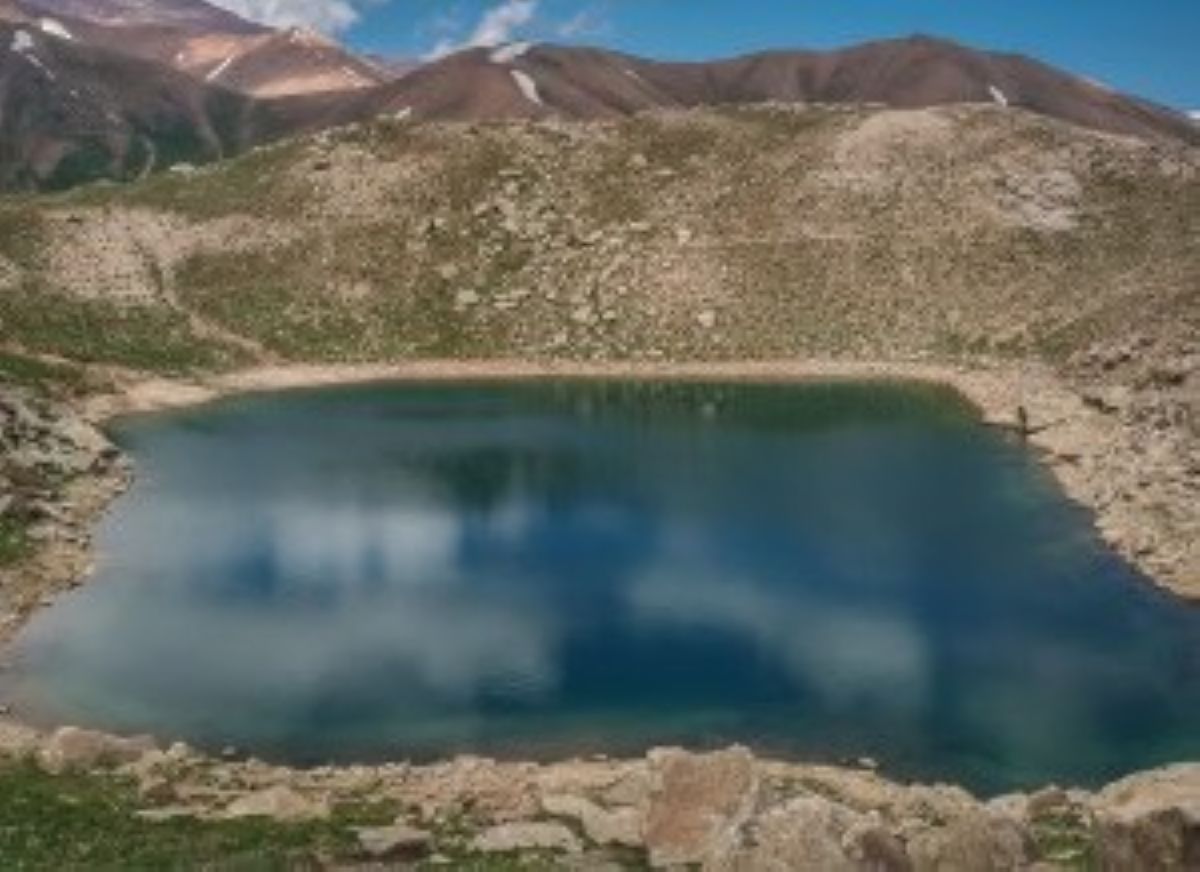
Image Credit uzbekistan.travel
Witnessing something strange brings people together. Indie traveler trips used to be spent on the east side of Asia and on the west side of Europe. The travel community has made a break from those old days. As of right now, there are five, or possibly six, best solo travel destinations. Students tend to like Italy, Japan, and Portugal. Likewise, Uzbekistan takes the top spot. Travel within Uzbekistan is without equal. Imagine yourself in the heart of a trading route ancient city square. It’s not only extraordinary, but cheap to travel there and experience Uzbekistan’s warmth with almost instant peace of mind and a rich history. Backpackers can finally visit the Silk Road. Central Asia will become the travel hub for safe, authentic travel.
Advertisement
Advertisement
Analyzing the Structural Evolution and Industry Shift Towards Independent Exploration
The modern travel industry is witnessing an unprecedented realignment as consumer preferences pivot away from overcrowded, high-cost metropolitan centers toward culturally immersive and geographically pristine environments. Independent travelers are increasingly seeking destinations that deliver psychological comfort, robust personal safety, and rich educational value without requiring exorbitant financial expenditure. This behavioral transformation has forced global travel networks, hospitality developers, and tour operators to re-examine their long-term growth models. Emerging markets that were once considered niche options are now capturing substantial market share, effectively competing with long-standing tourism capitals across Western Europe and East Asia.
Advertisement
Advertisement
As independent wanderers prioritize personal autonomy, flexible scheduling, and deeper cross-cultural engagement, the global market has responded with customized services. Destination management organizations are modernizing regional transport, expanding multilingual digital navigation tools, and upgrading guest accommodations to cater to solo explorers. This broad structural shift creates significant economic opportunities for local communities, driving infrastructure investments, promoting eco-friendly hospitality practices, and fostering sustainable economic resilience across previously underrepresented regions.
Evaluating Key Metrics driving Regional Recognition and Worldwide Hospitality Dynamics
Advertisement
Advertisement
An extensive analytical assessment evaluated twenty-six nations using a rigorous framework designed to measure the overall feasibility, safety, and appeal of independent exploration. The multi-faceted evaluation process carefully scrutinized global booking trends, direct consumer feedback, nationwide safety metrics based on international peace indexes, administrative ease of obtaining entry visas, daily food and dining expenses, established nature trails, and regional ecological biodiversity. By demonstrating exceptional strength across all these critical benchmarks, Uzbekistan successfully earned a top-tier position alongside major global travel powerhouses such as Italy, Japan, and Portugal.
This structural recognition generates profound ripples across the international travel ecosystem. Transport networks, regional lodging facilities, and local guide services are reporting a steady increase in reservations from individual visitors. Furthermore, the global rise of solo travel reflects broader societal shifts, including the expansion of remote work options, a heightened demand for personal wellness retreats, and a preference for authentic cultural encounters over mass commercial tourism. Consequently, worldwide service providers are recalibrating their marketing strategies to target self-directed travelers who favor decentralized, highly adaptable itineraries over rigid group tour structures.
Advertisement
Advertisement
Policy Innovations and Geographic Heritage Transforming Western Traveler Demand
A primary driver behind the sudden surge in Western visitor volume is the strategic implementation of progressive visa policies designed to remove administrative entry barriers. A cornerstone of this initiative is the generous 30-day visa-free entry granted to passport holders from the United States. By streamlining entry requirements, the nation has triggered a sharp rise in travel inquiries and reservations from North American origin markets. This regulatory simplification has encouraged commercial airlines and international booking providers to establish direct flight routes, reciprocal transit agreements, and integrated travel packages tailored specifically for independent visitors.
Beyond administrative reforms, the region offers an irreplaceable cultural footprint shaped by centuries of international commerce along the historic Silk Road. Independent vacationers routinely travel to witness the breathtaking architectural landmarks of Samarkand, including the world-renowned Registan Square, as well as the meticulously preserved urban corridors of Bukhara. These UNESCO-recognized historical hubs provide global travelers with an immersive connection to ancient scholarship, artistic innovation, and international trade history, establishing a compelling alternative to conventional urban holiday destinations.
Wilderness Expeditions and Infrastructure Security Elevating the Global Travel Standard
Advertisement
Advertisement
In addition to its historic urban centers, the country attracts outdoor enthusiasts by offering vast, untouched landscapes that provide serene relief from densely populated Western cities. Active travel itineraries frequently include multi-day trekking journeys through the scenic Nuratau Mountains, where guests hike ancient valley trails, interact directly with rural village communities, and experience traditional overnight stays in nomad yurts. Additionally, travelers often embark on scenic desert journeys across the expanses of the Kyzylkum Desert to reach the pristine shoreline of Lake Aydarkul.
The seamless convergence of top-tier safety standards, remarkably low dining and accommodation costs, affordable domestic transit options, and well-maintained modern infrastructure guarantees that independent guests can explore both quiet rural hinterlands and vibrant metropolitan areas with total confidence. As global travel trends continue to prioritize personal safety, economic value, authentic historical preservation, and natural beauty, Uzbekistan stands fully prepared to shape the future of global solo travel for generations to come.
Quantifying Macroeconomic Gains and Capital Flow Acceleration Across Regional Tourism
The ongoing influx of international visitors serves as a fundamental catalyst for national economic expansion. Uzbekistan reported an unprecedented 9.1 million foreign tourist arrivals during the first eight months of 2026, marking a 21.1% year-over-year expansion. Consequently, foreign exchange revenues generated by travel and hospitality services have exceeded $3.5 billion annually. This surge reflects a major transformation in how global travel spending penetrates local commercial markets. Furthermore, total capital commitment into regional tourism infrastructure has expanded rapidly, with foreign direct investment driving major updates across municipal transit hubs, hospitality units, and rural cultural preserves.
This macro-level financial shift directly reinforces local micro-economies across primary urban and regional destinations. The typical daily expenditure of independent international visitors currently ranges between $35 and $65, directly funding high-speed regional transport, specialized local guide services, regional culinary establishments, and traditional craft production. Additionally, local commercial participation has grown sharply, with registered travel organizations and hospitality providers expanding by over 25% year-over-year. As a result, direct and indirect tourism employment now supports hundreds of thousands of jobs across regional accommodation, aviation, and historical preservation sectors.
Evaluating High-Speed Electrified Rail Expansions and Intercity Passenger Mobility
Advertisement
Advertisement
Seamless intercity connectivity remains a fundamental requirement for independent visitor satisfaction and overall geographical mobility. The high-speed Afrosiyob train system has dramatically compressed travel times across the national interior. The modern rail service links the capital city of Tashkent directly to historic centers like Samarkand in just 2 hours and 15 minutes, while reaching Bukhara in under 4 hours. Operating at speeds up to 250 km/h, this fully electrified network presents independent travelers with a punctual, highly secure, and cost-effective alternative to domestic flights or long-distance road transit.
To accommodate unprecedented passenger volumes, regional railway authorities have invested heavily in expanding rolling stock and completing track electrification toward western heritage cities like Khiva. Consequently, total rail passenger capacity has increased by more than 30%, ensuring that independent visitors can easily secure travel between UNESCO-listed historical landmarks. These comprehensive transit improvements eliminate logistical obstacles, strengthen traveler safety metrics, and make cross-country travel straightforward for those navigating the region independently.
Analyzing Digitalization Speeds, Fiber-Optic Metrics, and Telecommunications Infrastructure
The modern independent traveler frequently operates as a remote digital professional requiring high-capacity telecommunications infrastructure. Extensive national investments in fiber-optic backbones have expanded high-speed mobile internet coverage across 95% of populated territories. International visitors can regularly access 4G and 5G mobile data speeds exceeding 35 Mbps in major centers like Tashkent, Samarkand, and Bukhara. This digital framework guarantees uninterrupted remote connectivity, dynamic mobile navigation, and seamless electronic payment functionality.
Furthermore, affordable connectivity options significantly lower entry barriers for independent visitors. Tourist-focused SIM cards offering 20 GB to 50 GB of high-speed data are available at international arrival hubs for under $10 to $15, eliminating expensive international roaming fees. Combined with widespread public Wi-Fi coverage across major railway terminals, heritage monuments, and boutique lodging facilities, the local digital infrastructure equips travelers with the essential tools needed to handle work commitments, arrange spontaneous transit, and explore foreign surroundings safely.
Surging International Air Connectivity and Global Gateway Expansion Protocols
Advertisement
Advertisement
The exponential growth in international visitor arrivals is directly supported by rapid commercial aviation development. Primary air gateways, including Tashkent International Airport and Samarkand International Airport, recorded over 6.5 million international passenger movements during the first half of 2026. Comprehensive terminal modernizations and expanded runway capacities have enabled international carriers to increase flight frequencies, connecting the country directly to key global aviation hubs across Europe, the Middle East, and Asia.
Newly established direct flight routes have significantly reduced transit times for long-haul visitors. Expanded air capacity includes critical regional connections such as the Urgench–Almaty flight corridor, which directly bridges western historic regions with key commercial centers in Central Asia. With over 40 international airlines operating scheduled flights into the country, round-trip flight availability has grown by 22%, effectively lowering ticket prices and establishing the region as an accessible destination for independent global itineraries.
Measuring Micro-Stay Hospitality Expansion, Guesthouse Trends, and Boutique Lodging Data
The structural shift toward independent travel has sparked a fundamental transformation across regional accommodation models. Traditional large-scale international hotel chains are now complemented by an expanding network of registered family guesthouses, heritage boutique hotels, and eco-lodges. The official register of tourist accommodation facilities has passed 4,500 active units, with family-operated guesthouses achieving a 40% numerical growth rate across regional provinces over the past three years.
For independent travelers, this structural expansion provides exceptional financial flexibility alongside authentic cultural immersion. Overnight stays in historic boutique properties located within the ancient cores of Bukhara or Khiva average between $20 and $45 per night, inclusive of local breakfast service. Beyond direct cost savings, these micro-stay options transfer travel spending directly into local family households, fostering sustainable community-based economic development while providing solo guests with tailored guidance and secure lodging.
Evaluating Municipal Safety Protocols, Crime Index Metrics, and Visitor Protection Standards
Advertisement
Advertisement
Personal safety remains the primary evaluation metric for solo travelers, particularly female and first-time independent explorers. International safety assessments consistently rank the nation among the safest in Central Asia, maintaining low-risk classifications comparable to major Western European destinations. Specialized tourist police units, operating with multilingual support and mobile communication units, maintain a continuous presence across high-density historical areas, transit hubs, and commercial centers.
Statistical data confirms exceptionally low rates of violent crime involving foreign visitors, while property crime figures remain well below worldwide benchmarks. Emergency response networks, integrated with dedicated digital support applications, maintain average response times under 8 minutes within major urban municipalities. This visible public safety framework allows solo visitors to explore historic neighborhoods, night bazaars, and rural hiking paths with complete peace of mind.
Ecotourism Growth Trends Across Mountain Ecosystems and Desert Biospheres
While historical monuments remain primary visitor attractions, nature-based ecotourism has emerged as the fastest-growing sector among independent travelers, expanding at an annual rate of 18%. Protected natural reserves, including the specialized biosphere zones of the Nuratau-Kyzylkum region, feature marked trekking trails designed for low-impact, environmentally conscious hikers. Environmental management protocols ensure that rural eco-lodges implement strict water conservation, waste reduction, and energy-efficiency measures.
Beyond mountain trekking routes, ecological destinations like Lake Aydarkul and Zaamin National Park provide vital habitats for over 300 bird species along with rare endemic plant life. Independent adventurers regularly pair desert crossings with wildlife observation, directly supporting local conservation funds through entrance fees and eco-tour registrations. This structural balance between environmental protection and active eco-adventure fulfills growing global demand for pristine, uncrowded natural landscapes.
Structural Investments in Cultural Heritage Preservation and UNESCO Site Management
Advertisement
Advertisement
Maintaining architectural integrity while handling expanded visitor numbers requires continuous structural investment. Significant state allocations and international development funds are funneled into the restoration, engineering stabilization, and structural maintenance of UNESCO World Heritage sites across Samarkand, Bukhara, and Khiva. Ancient madrasahs, historical minarets, and royal structural complexes are monitored using non-invasive engineering tools to prevent environmental degradation.
To improve visitor comprehension without causing physical congestion inside fragile historical monuments, site authorities have deployed modern educational amenities. Interactive digital displays, multilingual audio guides supporting over 12 languages, and organized visitor pathways allow independent travelers to examine centuries of Silk Road history at their own pace. By upholding international conservation standards, these ancient sites ensure that rising visitor numbers do not diminish the authentic historical environment that attracts global travelers.
The Final Verdict
This award goes beyond numerical wins or innovation in the economics of tourism. It captures the bittersweet emotion of the return of travel. In a world that constantly tends toward the same, going to Samarkand or Bukhara, and going back in time by walking the city’s streets, or by staying with a local, helps explain the reason for the restless, travel bug. There is an assurance of going to somewhere one does not understand the language, but knows the person will be of a kind, welcoming disposition. While most organized tours of the Silk Road only offer travelers the chance of savoring the beautiful panoramas and magnificent minarets, independent travelers create a part of the world’s living history. Uzbekistan has created warmth, comfort and safety that is the pinnacle of luxury.
Advertisement
