
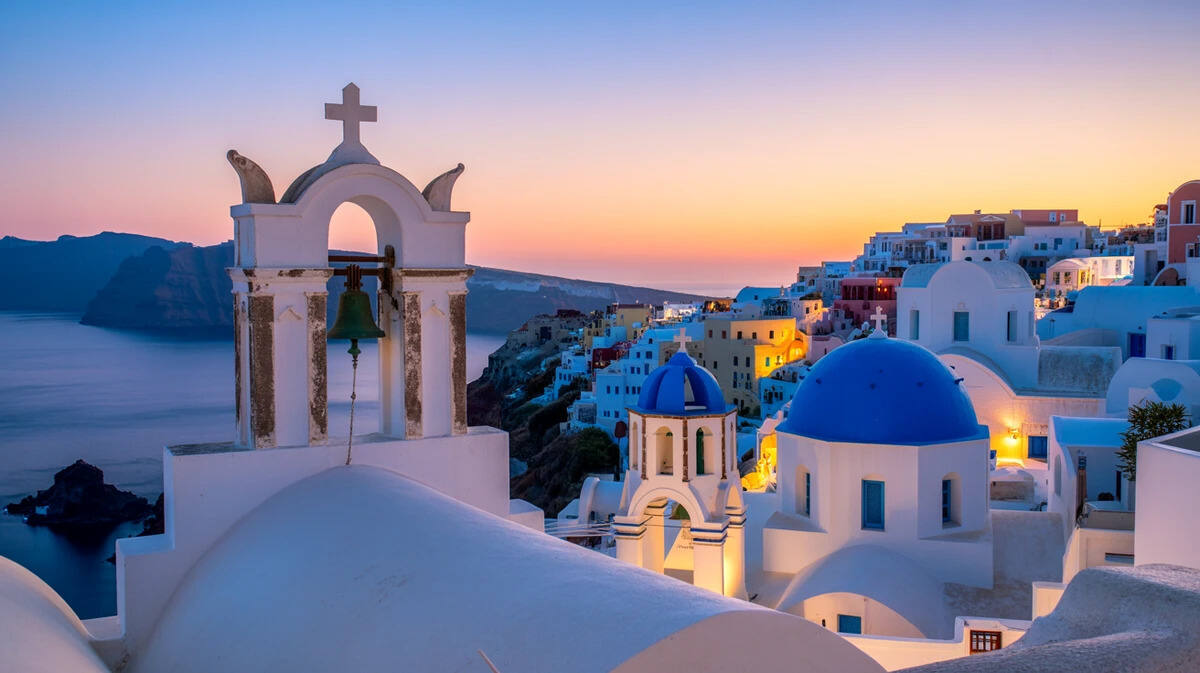
Image generated with Ai
Greece tourism faces new beach rules as The Odyssey boosts crowds, pushing Greece to protect fragile Mediterranean attractions.
Greece is set to introduce a new approach to manage growing numbers of visitors to some of its most popular coastal destinations as the popularity of The Odyssey is set to bring renewed global attention to the country’s beaches, landscapes and cultural sites. While the growing interest is set to create new opportunities for the tourism sector, authorities are growing increasingly worried about protecting fragile natural environments from being overrun.
The challenge is becoming especially visible in western Crete, where iconic beaches such as Balos, Elafonisi and Falassarna are experiencing intense seasonal demand. These destinations have become symbols of Greece’s natural beauty, but the rapid increase in visitors has raised questions about sustainability, conservation and the future management of popular tourism hotspots.
Balos Beach in north-western Crete has emerged as one of the clearest examples of the pressure created by rising tourism demand. Known for its turquoise waters, unique lagoon landscape and dramatic surroundings, the beach has attracted travellers from across the world for years.
Advertisement
However, during the peak summer season, the destination faces increasing challenges. Large numbers of visitors arrive within short periods, particularly through boat excursions operating from the nearby coastal area of Kissamos.
The narrow arrival points and limited facilities create congestion as multiple groups reach the beach at the same time. The growing number of visitors has increased concerns about crowd management, environmental protection and maintaining a high-quality experience for travellers.
Balos remains one of Crete’s most famous attractions, but the rapid increase in demand has highlighted the difficulties faced by destinations that become globally popular within a short period.
The concerns surrounding Balos go beyond overcrowding. The beach and surrounding landscape are part of the European Union’s Natura 2000 network, which protects areas with important ecological value and biodiversity.
Advertisement
Advertisement
This protected status means that tourism development must be carefully balanced with conservation responsibilities. Increased visitor numbers can place additional pressure on natural habitats, waste management systems and local infrastructure.
Authorities are concerned that existing protection measures may become harder to maintain if visitor growth continues without stronger management systems.
The situation reflects a wider challenge affecting many Mediterranean destinations. Beaches, islands and heritage locations that were once considered hidden escapes are now attracting millions of travellers due to international promotion, digital platforms and growing interest in unique experiences.
To manage increasing tourism pressure, local authorities in western Crete are exploring new systems for controlling visitor numbers at popular beaches.
Possible measures include introducing daily visitor limits at Balos, Elafonisi, Falassarna and other major coastal attractions. Another option being examined is an advance reservation system where visitors would need to book access before arriving.
Under the proposed approach, travellers could select a specific date and time period for their visit. Each destination would have a maximum visitor capacity based on environmental conditions, available facilities and the ability of local infrastructure to support tourism demand.
The main goal would be to prevent large crowds from arriving simultaneously during peak hours and reduce pressure on sensitive coastal areas.
A capacity-based system could also improve visitor experiences by creating a more organised environment while protecting natural landscapes.
No final visitor numbers or implementation dates have been confirmed. Any new system would require coordination between environmental authorities, regional officials and local government bodies. Planning is expected to continue before possible introduction ahead of the 2027 summer season.
While some Greek destinations are facing crowd management challenges, the success of The Odyssey is also creating major opportunities for the country’s tourism industry.
The film has increased international interest in Greek landscapes, historical locations and destinations connected with ancient mythology.
Travellers are increasingly searching for places linked with the story, combining entertainment-inspired journeys with cultural exploration. This has strengthened demand for destinations that offer heritage, history and authentic local experiences.
Several locations across Greece connected with the production have gained greater visibility, particularly in the Peloponnese region.
The combination of cinematic exposure and Greece’s ancient cultural identity has created a new tourism opportunity that could encourage visitors to explore areas beyond traditional holiday hotspots.
The growing interest surrounding The Odyssey has encouraged tourism planners to create new travel experiences connecting film locations with Greece’s historical and mythological heritage.
A dedicated route known as the “Odyssey Route — Homer’s Peloponnese” is being developed to highlight locations associated with the film and ancient Greek stories.
The initiative aims to encourage travellers to explore multiple destinations rather than concentrating only on a small number of famous attractions.
The planned route is expected to include visitor information, digital resources and improved tourism experiences designed around cultural discovery.
By combining mythology, history and modern storytelling, Greece hopes to transform film popularity into long-term tourism growth.
The influence of The Odyssey is already creating stronger interest in several Greek destinations.
Travel demand has increased for mainland Greece and island destinations, with particular attention focused on areas connected with the film and Greek mythology.
The Peloponnese has attracted significant attention because of its ancient landmarks, coastal landscapes and cultural importance.
Other destinations have also benefited as travellers search for locations offering meaningful experiences beyond traditional beach holidays.
The trend highlights the growing influence of screen tourism, where films and entertainment productions inspire people to visit real-world destinations.
For Greece, this creates economic opportunities across accommodation, transportation, guided experiences and local tourism businesses.
Ithaca is also attracting renewed attention as travellers look for destinations connected with the story of The Odyssey.
The island has a small permanent population and is known for its rugged terrain, olive-covered landscapes and peaceful atmosphere.
Unlike some of Greece’s busiest tourist islands, Ithaca has maintained a quieter identity, offering visitors a slower and more authentic travel experience.
Growing international awareness could bring new opportunities for local businesses and communities.
However, increased visitor demand would require careful planning to protect the island’s environment and preserve its traditional character.
The future challenge for Ithaca will be managing tourism growth while maintaining the qualities that make it attractive to travellers.
The growing popularity of The Odyssey represents both an opportunity and a challenge for Greece.
The film has increased global awareness of the country’s beaches, landscapes and cultural heritage while creating new possibilities for regional tourism development.
At the same time, the pressure appearing at destinations such as Balos demonstrates the importance of responsible visitor management.
Greece is moving towards a tourism model focused not only on attracting more visitors but also on protecting natural resources and improving destination sustainability.
Future strategies are expected to include better visitor distribution, controlled access systems and stronger environmental protection measures.
Greece tourism faces new beach rules as The Odyssey attracts more travellers to iconic Mediterranean attractions, creating overcrowding concerns. Authorities are considering visitor limits and advance bookings to protect fragile coastal environments while managing rising demand.
As Greece enters a new phase of tourism growth, the country’s success will depend on maintaining the balance between welcoming global travellers and preserving the landscapes and heritage that continue to inspire them.
Advertisement
Advertisement
Advertisement













Friday, September 4, 2026

Friday, September 4, 2026

Friday, September 4, 2026

Friday, September 4, 2026

Thursday, September 3, 2026

Wednesday, September 2, 2026
Friday, September 4, 2026
Friday, September 4, 2026


