
Why the Wild Highlands of Ajloun in Jordan Must Be Your Next Extreme Escape Today

Updated
Published
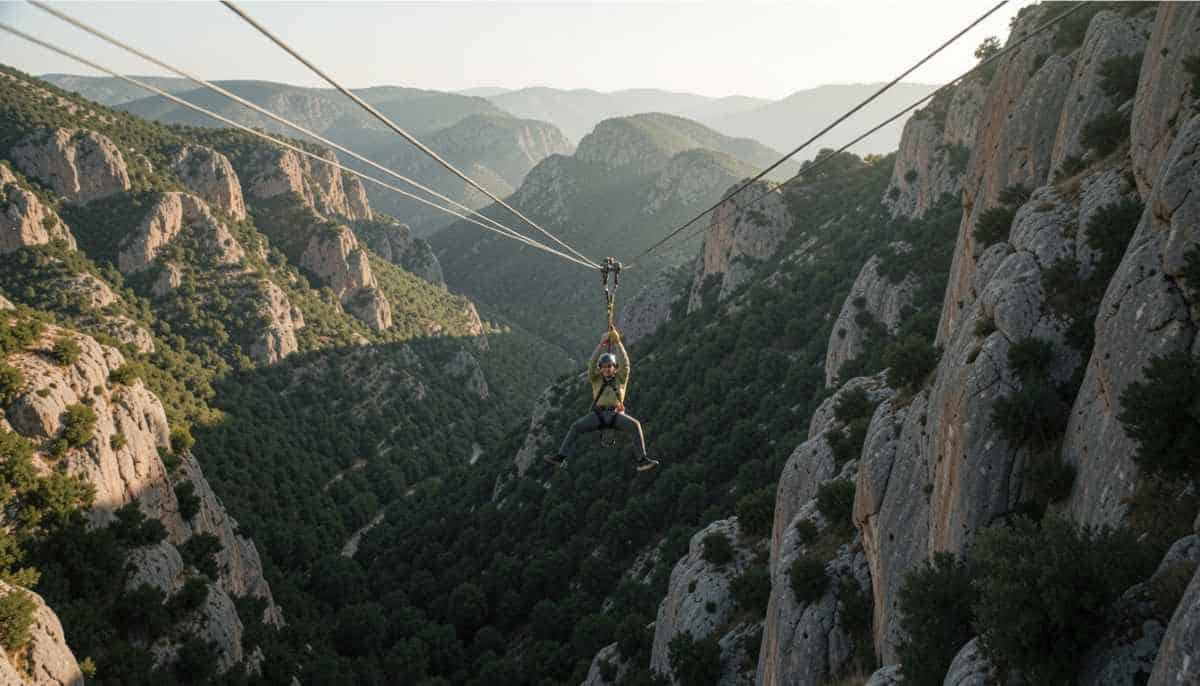
Image generated with Ai
Travelers seeking an untouched sanctuary where ancient history collides with high-octane outdoor pursuits will find that adventure tourism is gaining ground in Ajloun Governorate, drawing visitors looking to combine nature exploration with outdoor activities while providing a boost to local tourism and businesses, tourism specialists noted. Nestled within the rolling green highlands of northern Jordan, this verdant region has rapidly transformed from a quiet historical outpost into a premier hub for eco-friendly adrenaline. Understanding this shift is essential for modern explorers mapping out off-the-beaten-path itineraries before mainstream crowds discover these forested ridges. Local communities are actively integrated into this tourism expansion, ensuring that every trek, zip-line ride, and campsite stay directly supports regional economic growth and preserves heritage.
The evolution of Jordan’s tourism sector has traditionally focused on monumental historical assets, most notably Petra and the desert expanses of Wadi Rum. However, national strategic initiatives aimed at positioning Jordan as a global destination have successfully highlighted the ecological and geographical diversity of the entire country. Ajloun, characterized by its Mediterranean climate, steep valleys, and dense woodlands, offers a stark, refreshing contrast to the arid landscapes typically associated with the Middle East. This environmental uniqueness serves as the ultimate backdrop for active travelers who demand more from a vacation than passive sightseeing, turning the country into a top-tier international favorite.
Advertisement
Advertisement
Frequently Asked Questions
- What makes Ajloun Governorate ideal for adventure tourism? Ajloun features a rare microclimate in the region characterized by dense oak, pistachio, and pine forests, steep slopes, and dramatic elevation changes. These natural geographical features provide optimal terrain for outdoor activities such as long-distance hiking, mountain biking, and canopy-level ziplining.
- How does adventure tourism benefit local businesses in Ajloun? The rise in ecotourism drives sustainable economic growth by increasing patronage at community-run facilities, local guesthouses, artisan workshops (such as traditional soap and biscuit houses), and family-owned guide services.
- What are the best months to visit Ajloun for outdoor activities? Spring (March to May) is widely regarded as the prime season because the landscape blooms with wildflowers, though autumn offers pleasantly cool temperatures for rigorous trail exploration.
Navigating the Forest Trails and Canopy Thrills
The rugged topography of the Ajloun Forest Reserve serves as the beating heart of the region’s outdoor movement. Protected by the Royal Society for the Conservation of Nature (RSCN), the reserve spans over 13 square kilometres of densely wooded hills. Hiking paths like the Roe Deer Trail and the Soap House Trail challenge hikers with steep ascents while rewarding them with sweeping vistas that stretch toward the Jordan Valley and, on exceptionally clear days, the distant hills of the West Bank.
Beyond traditional trekking, canopy-level adventures have been introduced to captivate thrill-seekers. Long ziplines slice through the wooded valleys, allowing participants to experience the landscape from an aerial perspective at high speeds. These initiatives are carefully managed to preserve local flora and fauna while catering to the growing global demand for low-impact, high-excitement travel. Mountain biking routes have also been mapped across ancient dirt tracks, offering cyclists a technical challenge that weaves past historic olive groves and limestone ruins.
Advertisement
Advertisement
Expanding the Journey: Jordan’s Diverse Adventure Zones
While the northern highlands offer lush forest escapes, Jordan as a whole is celebrated globally for hosting a diverse array of extreme landscapes. Visitors looking to extend an itinerary beyond Ajloun can easily transition into other legendary adventure zones across the country:
Advertisement
Advertisement
- Canyoning in Wadi Mujib: Located inside the lowest nature reserve on Earth at over 400 metres below sea level, this dramatic gorge offers aquatic adventures where travelers wade, swim, climb waterfalls, and rappel down sheer sandstone cliffs carved by rushing river systems. The Siq Trail and more advanced canyon routes provide a thrilling natural water park experience surrounded by towering canyon walls.
- Rock Climbing, Desert Safaris, and Hot Air Ballooning in Wadi Rum: Famous for its towering monolithic sandstone and granite mountains rising up from Mars-like red sand dunes, southern Jordan acts as a premier playground for trad-climbers, boulderers, and 4×4 Jeep explorers. Travelers can also take to the skies in hot air balloons or camel caravans, while overnight Bedouin camps provide immersive cultural experiences beneath clear desert skies.
- Scuba Diving and Snorkelling in Aqaba: Jordan’s sole coastal city provides vibrant coral reefs, crystal-clear Red Sea visibility, and unique underwater attractions, including military wreck dives like the Cedar Pride and an underwater military museum tank site that attract marine adventurers from around the globe.
- Long-Distance Trekking on the Jordan Trail: For endurance enthusiasts, multi-day hiking routes connect the country entirely from north to south over a continuous 650- to 675-kilometre path. This epic route passes through ancient ruins, rural villages, pine forests, and dramatic desert canyons—including the acclaimed Dana-to-Petra trek, which traverses multiple distinct bio-geographical zones.
Economic Impact and Sustainable Growth
Government data and reports from tourism authorities emphasize that community-based tourism initiatives in Ajloun have successfully curbed seasonal unemployment and driven micro-entrepreneurship. By training local youth as certified nature guides, camp operators, and hospitality managers, the economic footprint of every visitor is retained within the community. Visitors contribute directly to conservation efforts simply by purchasing entry permits, staying in eco-lodges, and buying authentic handmade crafts such as organic olive oil soaps and wild thyme preserves.
Furthermore, the integration of local agricultural cooperatives ensures that the food served in reserve lodges is sourced entirely from regional farmers. This circular economic model protects the environment, empowers women through cooperative employment, and delivers an authentic cultural immersion for international travelers. This delicate balance between commercial growth and environmental preservation ensures that Ajloun’s natural assets remain pristine for generations of future travelers.
Advertisement
Advertisement
Advertisement
