
Colombia Is Under Danger as Bogotá and Other Cities Have High Wildfire Risks Alerting Travelers Before Visiting

Published
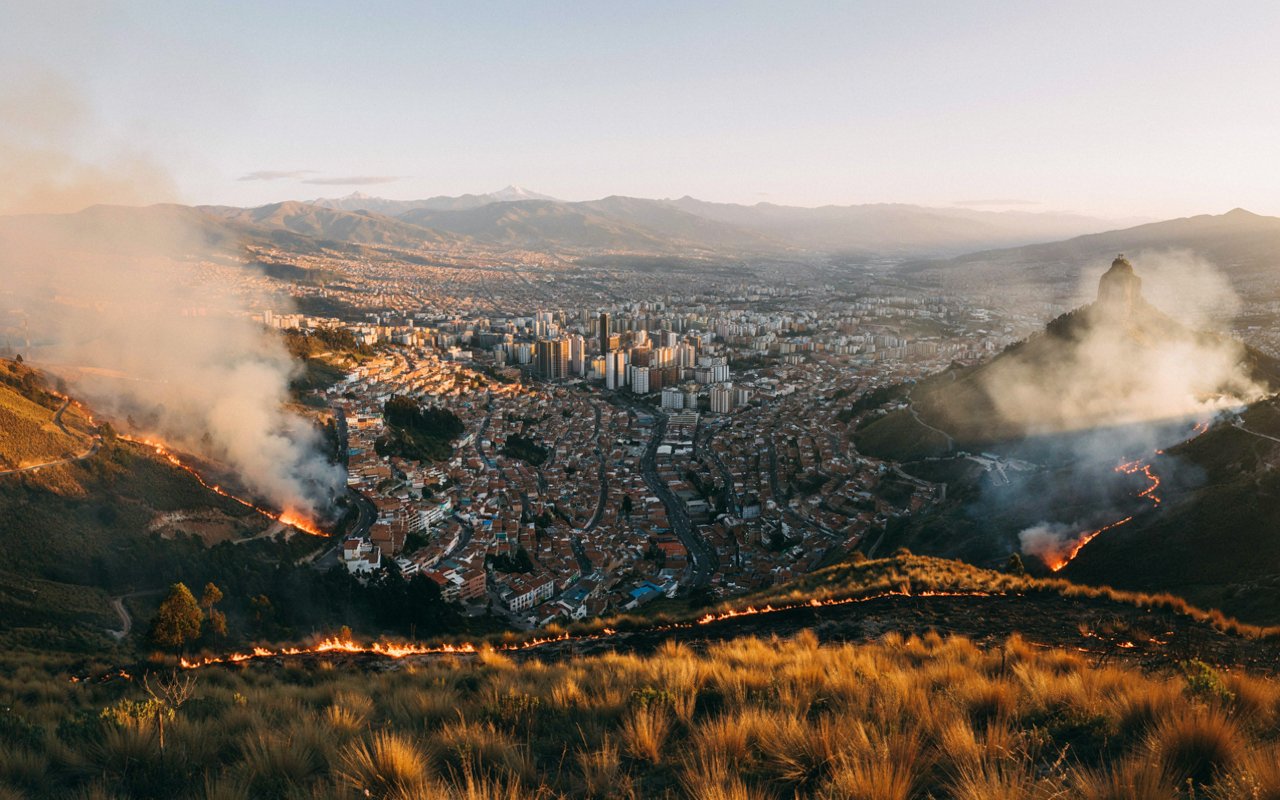
Colombia is risking its glamour as wildfire is increasing in several mountain, forest and dry climate regions, making destinations such as Bogotá, Villa de Leyva, Santa Marta and Santander areas important for travellers to monitor before visiting. Extreme heat, dry vegetation, strong winds and changing weather patterns can allow fires to spread quickly, affecting natural attractions, hiking routes and rural tourism zones.
Hot temperatures, limited rainfall and dry vegetation are increasing the possibility of fast-moving fires near natural attractions and urban areas. Authorities are monitoring affected zones while travellers are urged to check updates before exploring forests and mountain destinations. The situation highlights the importance of preparedness, safety awareness and responsible travel choices as Colombia manages changing environmental challenges affecting tourism during this critical wildfire period.
Advertisement
Advertisement
Colombian Cities and Tourist Areas Facing Rapid Wildfire Risks
| City / Tourist Area | Region / Department | Wildfire Risk Level | Why the Area Is Vulnerable | Tourist Areas Potentially Affected | Travel Alert for Visitors |
|---|---|---|---|---|---|
| Bogotá | Cundinamarca | High during dry seasons | The capital is surrounded by mountain ecosystems, including the Eastern Hills, where dry vegetation can ignite quickly during heat waves. Previous fires have affected areas close to the city. | Monserrate, Eastern Hills trails, forest reserves, viewpoints | Travellers should check hiking restrictions, avoid open flames and follow park closures during fire alerts. |
| Villa de Leyva | Boyacá | Very High during current dry periods | The colonial town is surrounded by dry mountain landscapes and vegetation that can burn rapidly under strong winds. A major wildfire recently threatened areas around the destination. | Historic centre surroundings, rural landscapes, hiking routes, mountain viewpoints | Visitors should monitor emergency notices before visiting rural attractions. Some trails may close during active fires. |
| Tunja | Boyacá | High | The high-altitude Andean environment experiences dry grassland conditions that can support fast-moving fires. | Cultural tourism routes, nearby rural areas | Travellers should avoid entering restricted natural areas during fire warnings. |
| Bucaramanga | Santander | High | The city borders dry canyon landscapes and protected ecosystems where vegetation can become highly flammable during drought conditions. Previous Santander fires have affected mountain areas. | Chicamocha Canyon routes, hiking areas, rural viewpoints | Tourists should confirm road and trail conditions before canyon excursions. |
| Cali | Valle del Cauca | Medium to High | Surrounding mountains, dry forests and valley conditions can create fire-prone zones during prolonged dry weather. | Farallones de Cali, rural tourism areas, nature trails | Nature travellers should follow park authority instructions and avoid unofficial trails. |
| Medellín | Antioquia | Medium to High | Mountain slopes around the Aburrá Valley contain vegetation areas vulnerable during dry months. | Hillside viewpoints, rural villages, ecological parks | Visitors should check environmental alerts before mountain trips. |
| Santa Marta | Magdalena | High | The Caribbean climate brings dry conditions, while the Sierra Nevada de Santa Marta creates areas where forest fires can threaten ecosystems. | Tayrona National Park, Sierra Nevada routes, rural communities | Travellers should verify park access because conservation areas may close during fire emergencies. |
| Cartagena outskirts | Bolívar | Medium | Dry Caribbean conditions can increase grassland and brush fire risks, particularly outside urban zones. | Rural coastal areas, islands and nature sites | Normal city tourism usually continues, but rural excursions require caution. |
| Valledupar | Cesar | High | Hot temperatures and dry vegetation create seasonal wildfire risks in surrounding landscapes. | Sierra Nevada foothills, rural tourism zones | Visitors should avoid outdoor burning activities and check regional alerts. |
| Manizales | Caldas | Medium | Mountain terrain and changing weather patterns create fire and landslide-related risks, although heavy rainfall often reduces fire probability. | Coffee region trails, mountain reserves | Travellers should monitor local environmental conditions before hiking. |
| Pasto | Nariño | Medium | High-altitude grasslands and páramo ecosystems can become vulnerable during unusually dry periods. | Natural reserves, volcanic landscapes | Visitors should follow conservation rules in protected areas. |
| Neiva | Huila | High | The warmer climate and dry surrounding landscapes increase wildfire probability during drought periods. | Tatacoa Desert, rural attractions | Desert and outdoor visitors should check weather and fire warnings. |
| Ibagué | Tolima | Medium to High | Mountain ecosystems near the city can experience vegetation fires during dry seasons. | Los Nevados access routes, rural landscapes | Travellers should confirm access conditions before mountain journeys. |
| Cúcuta | Norte de Santander | High | Dry climate conditions and surrounding vegetation increase seasonal wildfire exposure. | Rural border areas, natural landscapes | Visitors should monitor regional emergency information. |
Why are Colombian cities becoming more vulnerable to fast-spreading wildfires?
Colombia’s wildfire exposure is closely linked to its diverse geography and changing climate conditions. The country contains high-altitude mountains, dry forests, tropical ecosystems and rural landscapes where vegetation can become highly flammable during prolonged dry periods. When temperatures rise and rainfall decreases, even a small ignition source can develop into a rapidly expanding fire.
The country’s Andean region remains one of the areas requiring close attention because many cities are located near hills, forests and protected landscapes. Urban areas such as Bogotá, Tunja and Bucaramanga are surrounded by ecosystems where dry vegetation can create conditions suitable for wildfire development.
Advertisement
Advertisement
During dry seasons, strong winds can accelerate the movement of flames across grasslands and forest areas. This creates challenges for emergency teams because fires can spread from rural locations towards roads, hiking areas and communities located near natural reserves.
Tourism destinations are particularly sensitive because many visitors travel to Colombia for outdoor experiences. Mountain trails, national parks, viewpoints and ecological attractions often exist close to vegetation zones that can be affected during wildfire events.
Advertisement
Advertisement
Authorities generally recommend that travellers remain informed about weather conditions, local restrictions and emergency announcements before visiting natural attractions. A wildfire alert does not mean an entire city is unsafe, but it indicates that visitors should take additional precautions.
Climate experts have linked increasing wildfire challenges across several regions of the world to warmer temperatures and changing rainfall patterns. Colombia’s varied landscape means some regions experience greater risks than others, especially during extended dry periods.
Advertisement
Advertisement
For travellers, understanding these risks allows better planning. Checking local conditions, avoiding restricted areas and following safety instructions can help visitors continue exploring Colombia responsibly.
Which Colombian cities face the highest wildfire risks for travellers?
Several Colombian cities and tourist destinations face higher seasonal wildfire risks because of their surrounding landscapes. These locations are not permanently dangerous, but their natural environments can become vulnerable during dry weather conditions.
| City / Destination | Region | Main Wildfire Concern | Tourism Areas at Risk |
|---|---|---|---|
| Bogotá | Cundinamarca | Mountain forests and dry vegetation around the Eastern Hills | Monserrate, hiking routes, forest reserves |
| Villa de Leyva | Boyacá | Dry highland landscapes and strong winds | Rural trails, viewpoints, countryside attractions |
| Tunja | Boyacá | Dry grasslands and high-altitude vegetation | Rural tourism routes |
| Bucaramanga | Santander | Canyon vegetation and dry ecosystems | Chicamocha Canyon and adventure tourism areas |
| Santa Marta | Magdalena | Dry Caribbean forests and Sierra Nevada ecosystems | Tayrona National Park and mountain routes |
| Valledupar | Cesar | Hot climate and dry surrounding landscapes | Sierra Nevada foothills |
| Neiva | Huila | Dry conditions around desert landscapes | Tatacoa Desert and outdoor attractions |
Among these destinations, Villa de Leyva and surrounding Boyacá areas require particular attention because their dry mountain environment can allow fires to spread quickly. The region is popular with visitors because of colonial architecture, natural landscapes and outdoor activities, meaning wildfire disruptions can directly affect tourism.
Bogotá also requires monitoring because the capital sits near environmentally sensitive mountain areas. Although the main urban zones are generally separated from wildfire areas, nearby forests and hiking locations can experience temporary restrictions.
Advertisement
Advertisement
Santa Marta presents a different challenge. The city is a gateway to important ecological attractions, including coastal parks and mountain ecosystems. Fire activity in surrounding natural areas can affect access routes and conservation measures.
Travellers should understand that wildfire risks are usually concentrated in specific zones rather than entire cities. Hotels, airports and major urban attractions often continue operating normally unless authorities announce specific restrictions.
Why are Bogotá and the Andean mountain regions attracting wildfire warnings?
Bogotá and several Andean destinations face wildfire concerns because of their altitude, vegetation and surrounding mountain ecosystems. The Eastern Hills near Bogotá contain forests and protected areas that become more vulnerable when rainfall decreases.
The capital is one of Colombia’s most visited destinations, attracting international travellers for cultural tourism, business trips and nature experiences. Popular attractions such as mountain viewpoints and hiking routes can be affected if fire risks increase.
The Andean region has several characteristics that influence wildfire behaviour. Mountain winds can change quickly, dry vegetation can accumulate during rain shortages, and steep landscapes can make firefighting operations more difficult.
Boyacá represents another important wildfire-sensitive region. Cities such as Villa de Leyva and Tunja are surrounded by open landscapes, farms and dry vegetation. These areas attract visitors seeking heritage tourism, countryside experiences and outdoor activities.
Advertisement
Advertisement
A wildfire near a tourist destination can create multiple challenges. Smoke may reduce visibility, roads may be temporarily controlled and hiking routes may close to protect visitors and emergency workers.
Travellers visiting Andean destinations should check regional updates before planning outdoor activities. This is especially important during periods of high temperatures and low rainfall.
Local authorities usually work with emergency agencies, environmental organisations and park officials to monitor fire conditions. Early warnings allow restrictions to be introduced before situations become more dangerous.
How can wildfires affect Colombia’s national parks and nature tourism?
Colombia’s natural attractions are among its biggest tourism assets, but many are located in environments where wildfire risks can increase during dry periods. National parks, forests and ecological reserves often contain vegetation that requires careful protection.
Areas such as Tayrona National Park near Santa Marta attract thousands of visitors because of beaches, forests and biodiversity. However, the combination of dry coastal conditions and protected ecosystems means fire prevention remains important.
Mountain destinations also face similar challenges. Hiking routes, wildlife areas and scenic viewpoints can become temporarily unavailable when authorities identify fire risks.
Advertisement
Advertisement
Wildfires can affect tourism in several ways:
- Temporary closure of trails and protected areas
- Changes to visitor access rules
- Reduced air quality near affected locations
- Transport disruptions in rural zones
- Changes to outdoor tour schedules
Nature-based tourism operators often need to adjust activities during emergency periods. Guides may change routes, postpone excursions or recommend alternative experiences depending on local conditions.
For international visitors, flexibility is important. Colombia offers many different tourism experiences, including cultural cities, beaches and historical attractions. If one natural area faces restrictions, travellers may still explore other destinations.
Environmental protection is also a key part of wildfire prevention. Visitors play an important role by avoiding activities that could create accidental fires.
What should international travellers know before visiting wildfire-prone Colombian destinations?
Travellers planning a Colombia trip should prepare by monitoring official information before and during their journey. Wildfire conditions can change quickly, particularly during unusually dry weather.
Before travelling, visitors should:
Advertisement
Advertisement
- Check local weather forecasts
- Review national park access information
- Follow regional emergency updates
- Confirm outdoor activity availability
- Understand local safety instructions
During visits to natural areas, travellers should avoid actions that increase fire risks. Discarding cigarettes, leaving waste behind or creating unauthorised fires can have serious consequences in dry environments.
Tourists should also keep emergency contacts available and follow instructions from local authorities. If smoke appears near a travel route, visitors should avoid approaching affected areas.
Travel insurance can also provide additional protection when unexpected disruptions occur. Policies may cover certain changes caused by natural events, depending on individual conditions.
Colombia remains a diverse destination with major attractions across cities, mountains, beaches and cultural regions. Wildfire alerts are designed to help visitors make informed decisions rather than discourage travel.
How are Colombian authorities responding to increasing wildfire threats?
Colombian authorities use monitoring systems, emergency response teams and environmental agencies to manage wildfire risks. Prevention campaigns, early warnings and public awareness programmes are important parts of national fire management efforts.
Local governments often coordinate with emergency services to respond quickly when fires are detected. Firefighters, environmental teams and disaster management agencies work together to control affected areas and protect communities.
Advertisement
Advertisement
Technology also plays a growing role. Satellite monitoring and weather information help identify possible fire outbreaks and support faster responses.
For tourism regions, communication is especially important. Authorities provide updates regarding national parks, roads and public access areas to reduce risks for visitors.
The effectiveness of wildfire response depends on several factors, including weather conditions, accessibility and the size of affected areas. Fast action remains essential because fires can expand rapidly under dry and windy conditions.
What is the travel outlook for Colombia during wildfire-prone seasons?
Colombia continues to welcome international visitors, but travellers should recognise that wildfire risks vary by location and season. The country’s major cities, cultural attractions and tourism infrastructure remain active, while some natural areas may require additional monitoring.
Destinations surrounded by forests, mountains and dry landscapes should receive greater attention during periods of extreme heat or limited rainfall. Bogotá, Villa de Leyva, Santander, Santa Marta and other nature-focused destinations require travellers to stay updated before visiting.
Responsible travel remains the best approach. Visitors who monitor alerts, respect environmental rules and follow local guidance can continue enjoying Colombia’s landscapes while reducing personal risk.
Advertisement
Advertisement
Wildfires are a seasonal challenge rather than a permanent barrier to tourism. With preparation and awareness, travellers can experience Colombia’s rich cultural heritage, natural beauty and diverse attractions safely.
Colombia faces wildfire pressure because climate conditions can quickly transform dry landscapes into dangerous fire zones. The answer for travellers is careful planning and constant awareness before visiting high-risk destinations. Monitoring official updates can reduce uncertainty and help visitors make safer decisions. The reason for concern is the combination of heat, wind and vulnerable vegetation across several regions. However, Colombia continues welcoming tourists with proper precautions and responsible behaviour. Prepared travellers can enjoy cultural sites, landscapes and natural attractions while respecting safety measures designed to protect communities and ecosystems. Awareness remains the key factor during wildfire seasons throughout the country.
Advertisement
