
Aoraki Mackenzie Dark Sky Reserve Puts New Zealand Astro-Tourism in Focus

Published
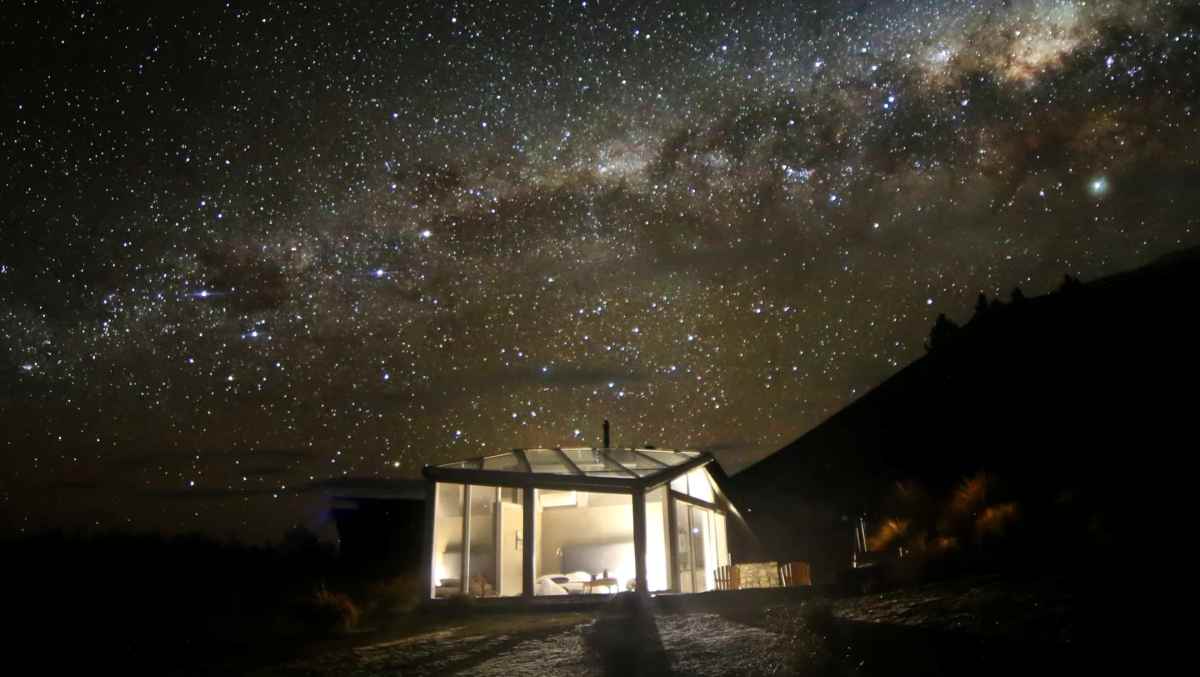
Aoraki Mackenzie International Dark Sky Reserve, located in New Zealand, has continued to be visited by people interested in having the best stargazing experience in the South Island. This dark sky reserve occupies a space of approximately 4,300 square kilometres and has been acknowledged as an International Dark Sky Reserve since 2012. It is one of the largest dark-sky reserves in the world. Specific claim made on October 6, 2026, about the recent launch of a new helicopter-access glamping operation featuring glass-domed accommodations on alpine glacial plateaus could not be independently verified via official New Zealand sources for tourism and reserve-related matters. The claim about private astronomy lessons, gourmet dining experience, as well as the South Island’s fastest-growing ultra-luxury tourism niche also could not be verified officially. Nonetheless, New Zealand has a thriving astro-tourism industry revolving around its unique sky.
Dark Skies Drive Tourism Around Lake Tekapo
The Aoraki Mackenzie region includes Lake Tekapo, Twizel, Aoraki/Mount Cook and the Mackenzie Basin, creating a substantial visitor circuit across the South Island.
Lake Tekapo is particularly associated with stargazing because of its location within the International Dark Sky Reserve. The area offers guided night-sky experiences, observatory visits and opportunities for independent stargazing.
The region’s low levels of light pollution allow visitors to see stars, planets and other celestial objects with greater clarity than in heavily illuminated urban areas.
Advertisement
Advertisement
For travellers, stargazing can be combined with daytime activities including hiking, scenic drives, photography and visits to alpine attractions.
Aoraki Mount Cook Adds an Alpine Dimension
Aoraki/Mount Cook National Park provides another major tourism draw within the wider dark-sky region.
Advertisement
Advertisement
The park contains New Zealand’s highest mountain, Aoraki/Mount Cook, rising to 3,724 metres. Its alpine environment attracts visitors throughout the year for walking, mountaineering, scenic flights and other outdoor activities.
At night, the absence of major urban lighting adds another dimension to the visitor experience.
Travellers staying around Aoraki/Mount Cook Village can combine daytime mountain activities with evening astronomy experiences, creating a two-part itinerary built around both landscapes and the night sky.
Stargazing Connects Science With Travel
Astro-tourism in the Mackenzie Basin is not limited to luxury accommodation.
The region has established astronomy operators offering guided experiences that explain the southern hemisphere night sky and introduce visitors to astronomical objects visible from New Zealand.
At Mount John Observatory near Lake Tekapo, visitors can access professional astronomical facilities through organised tours. The observatory is operated by the University of Canterbury and has played an important role in astronomical research.
Advertisement
Advertisement
For travellers, these experiences provide an opportunity to learn about astronomy while observing the southern night sky.
Mackenzie Basin Offers Longer South Island Itineraries
The dark-sky reserve also works as part of a wider South Island travel route.
Visitors can reach the Mackenzie Basin from Christchurch by road, with Lake Tekapo approximately three hours from the city under normal driving conditions. The region can also be combined with destinations such as Aoraki/Mount Cook, Twizel and the wider Canterbury landscape.
Travellers driving through the area can build itineraries around several stops rather than treating stargazing as a single evening activity.
The combination of mountains, glacial lakes, hiking trails and dark skies gives the Mackenzie Basin a distinct position within New Zealand’s nature-tourism offer.
Luxury Travel Expands Around Nature Experiences
Premium tourism is also developing across New Zealand’s South Island, with travellers increasingly able to combine high-end accommodation with outdoor experiences.
Advertisement
Advertisement
Luxury lodges and specialist tour operators provide private excursions, scenic flights, guided walks, fine dining and other tailored experiences.
However, the reported helicopter-access glass-domed accommodation on glacial plateaus within the reserve should not be treated as an officially confirmed development without additional evidence.
Any future high-altitude accommodation or helicopter tourism would also need to operate within New Zealand’s environmental, aviation, conservation and land-management requirements.
Protecting the Night Sky Remains Central
The appeal of Aoraki Mackenzie depends on preserving the darkness that makes the region attractive to astronomy travellers.
The International Dark Sky Reserve designation recognises the importance of controlling artificial light across the region. Local councils, communities and organisations have worked to manage outdoor lighting and limit unnecessary illumination.
For tourism, maintaining those conditions is essential. More visitors can increase demand for accommodation and activities, but the destination’s principal attraction remains the natural night sky.
Advertisement
Advertisement
Travellers can contribute by following local lighting guidance, using low-impact lighting when camping and respecting protected areas.
New Zealand Builds on a Distinctive Astro-Tourism Market
This site has been of great help in establishing New Zealand as a popular destination for astronomy tourism. From Lake Tekapo through the Mount John Observatory and Aoraki/Mount Cook, this place combines science with nature and very dark skies. Also, what makes this place interesting is that it is integrated into the overall tourist activities within the South Island, where the traveller can combine sky-watching with hiking, car trips, alpine experiences, and even eco-accommodations. Even though it is uncertain whether there will be the introduction of helicopter glamping adventures in 2026, according to the information available, one thing is for sure regarding New Zealand – dark skies are its natural resource.
Advertisement
