
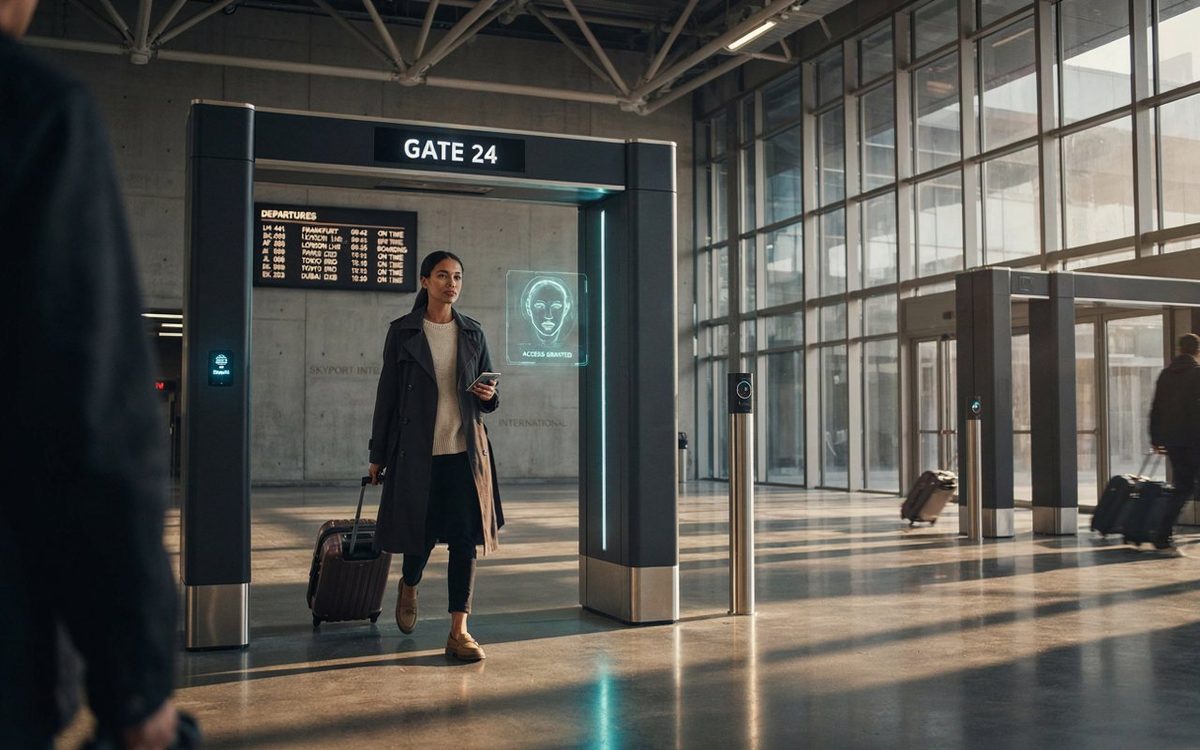
Image generated with Ai
The United Kingdom is in the forefront of the world tour revolution, driven by progressive digital technologies and unique methods, resulting in an explosion of numbers of visitors. The most popular destinations are already using revolutionary artificial intelligence technology and modern connection tools to reinvent modern tourism. In addition, specialists are stunned by how such innovations could transform traditional holidays totally. Therefore, a growing number of curious tourists will be forced to book flights to be among the first to experience these marvels of technology.
World tourism is undergoing a technological revolution as countries turn to artificial intelligence, real-time data analysis and other modern technology to attract foreign visitors, improve operations and manage influxes of people in a sustainable way.
Artificial intelligence and predictive data analytics have fundamentally transformed how forward-thinking governments market their destinations and interact with incoming global travelers on a daily basis. By utilizing sophisticated machine learning algorithms and cloud-based digital infrastructure, tourism boards can now process vast amounts of behavioral data to anticipate shifting consumer preferences before travelers even book their flights. For instance, advanced digital ecosystems process millions of search queries and social media interactions to dynamically adjust promotional campaigns, ensuring that marketing budgets are targeted toward high-yield demographics across international markets. Furthermore, intelligent virtual assistants and conversational chatbots integrated into official tourism portals provide immediate, personalized travel itineraries and multilingual support around the clock, significantly boosting user engagement and conversion rates. Consequently, destinations that embrace these data-driven methodologies create seamless preliminary touchpoints that inspire confidence, foster loyalty, and convert casual digital browsers into confirmed, paying visitors. As travelers increasingly demand friction-free digital interactions from the moment of inspiration to arrival, governments are heavily investing in robust technological frameworks that eliminate administrative bottlenecks and elevate the overall quality of the visitor journey. This continuous digital evolution ensures that national tourism sectors remain competitive, highly responsive, and fully optimized for the demands of the modern global traveler.
To learn more about ongoing technological developments and policy frameworks, you can visit the UK Government Official Website.
Advertisement
Advertisement
Modern technological frameworks deployed at international entry points and urban transit hubs are redefining the mechanics of physical mobility and reducing administrative friction for incoming visitors. Biometric clearance gates utilizing facial recognition technology allow passengers to bypass lengthy immigration queues entirely, establishing a secure and instantaneous transition from the aircraft tarmac to the city center. Meanwhile, municipal transportation networks leverage interconnected internet-of-things sensors to monitor public transit usage in real time, dynamically adjusting train schedules and bus frequencies based on fluctuating passenger demand. These intelligent mobility grids communicate directly with mobile applications installed on travelers’ smartphones, offering optimized routing suggestions that help visitors navigate complex urban transit systems with minimal confusion. By integrating ticketing, navigation, and real-time transit updates into unified digital platforms, destination managers effectively eliminate the traditional logistical hurdles that often cause frustration among international arrivals. This seamless connectivity not only improves the daily efficiency of municipal transport networks but also encourages tourists to explore diverse neighborhoods beyond traditional city center landmarks. Ultimately, the successful deployment of smart infrastructure transforms arrival logistics from a stressful necessity into an effortless, welcoming component of the modern travel experience.
The strategic deployment of Internet of Things sensors and centralized big data analytics platforms provides destination managers with unprecedented capabilities to monitor, regulate, and distribute visitor traffic across sensitive urban environments. By aggregating live information from hotel bookings, mobile network activity, and physical foot-traffic counters into unified dashboards, municipal authorities can instantly identify emerging congestion hot spots before they degrade the quality of the visitor experience. When visitor density in a specific historical district surpasses predetermined sustainability thresholds, automated municipal systems trigger targeted digital alerts and geo-located push notifications to smartphones in the vicinity. These timely notifications gently redirect curious sightseers toward alternative cultural attractions, lesser-known museums, and regional heritage sites that actively welcome increased foot traffic. Furthermore, this continuous data stream enables local hospitality businesses to implement dynamic pricing strategies and off-peak incentives that naturally smooth out daily visitation spikes without requiring heavy-handed regulatory restrictions. Through these innovative data-driven stewardship practices, governments successfully protect fragile architectural landmarks from environmental degradation while simultaneously ensuring a pleasant, uncrowded exploration experience for all international guests.
The integration of extended reality and service robotics addresses two of the most pressing operational challenges facing the contemporary global hospitality and cultural heritage sectors today. Automated service robots deployed within hotels and transportation hubs successfully mitigate chronic labor shortages by handling routine check-in procedures, luggage transport, and multilingual guest inquiries with remarkable speed and precision. Simultaneously, augmented and virtual reality applications allow cultural institutions to recreate fragile historical epochs on mobile screens, enabling visitors to explore ancient architectural wonders without causing physical wear and tear to delicate historical artifacts. These immersive digital layers enrich educational programming by providing interactive, visually stunning historical context that traditional static museum exhibits simply cannot replicate on their own. By embracing these cutting-edge technological innovations, destination management organizations ensure that valuable cultural traditions remain accessible and engaging for younger, digitally native generations of international travelers. This harmonious intersection of advanced robotics and immersive digital preservation ultimately safeguards valuable historical assets while establishing a highly efficient, future-proof operational standard for the global tourism industry.
This rapid digitization is driven by a need to reduce frustrating lines at airports, address critical shortages in the hospitality sector and resolve serious overpopulation issues. The solution proposed here is to use advanced gates and Internet of Things sensors, in addition to data mining activities to predict large crowds based on current conditions. This is very effective because it not only alleviates routine procedures but also reroutes massive flows of people towards lesser-known attractions. Moreover, such a system is ideal for preserving precious local history and reducing expenses for individual travelers while at the same time ensuring that each visitor has an entertaining and unique experience.
Advertisement
Tags: AI in Tourism, biometric airport gates, smart travel technology, UK digital infrastructure, United Kingdom Tourism
Advertisement
Advertisement













Friday, September 4, 2026

Thursday, September 3, 2026

Friday, September 4, 2026

Friday, September 4, 2026

Thursday, September 3, 2026

Wednesday, September 2, 2026

Friday, September 4, 2026

Friday, September 4, 2026


