
From Caribbean Walls to Cloud Forests, Colombia Delivers a Remarkable South American Escape

Published
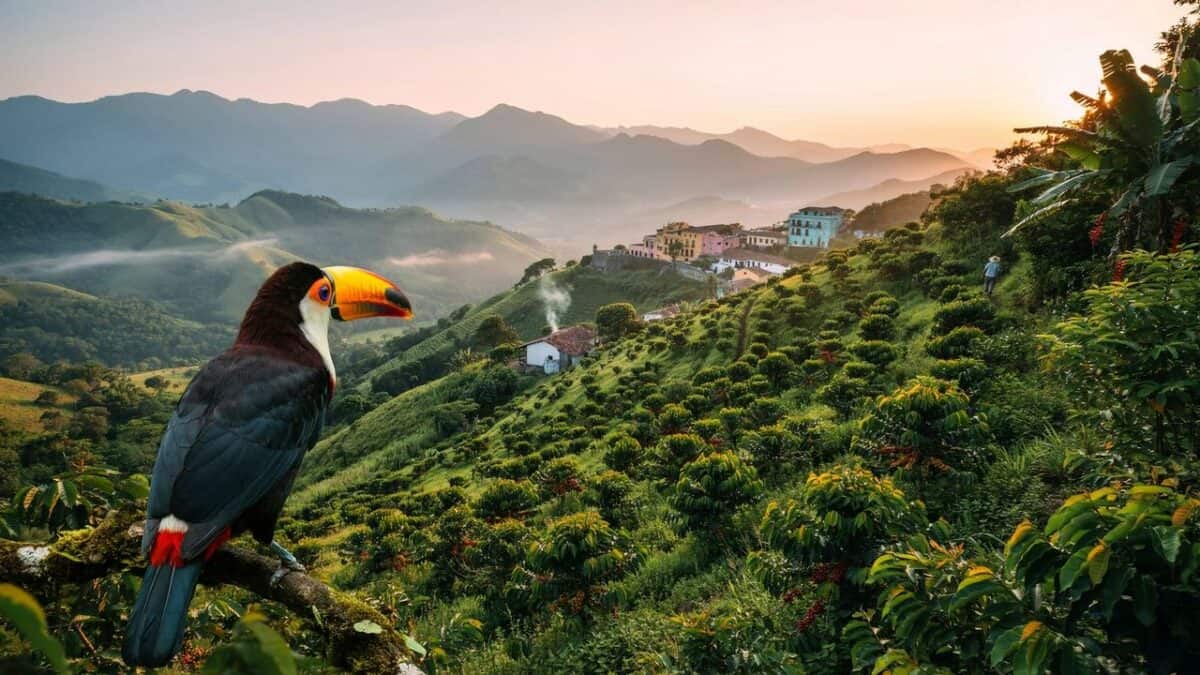
Colombia is becoming one of South America’s most exciting travel destinations. It offers a journey full of colour, sound, nature and history. Visitors can walk through a high-altitude capital, sleep on a coffee farm, dance to salsa, explore a walled Caribbean city and enter rainforest landscapes in one country. This wide choice gives Colombia a special tourism advantage. It is not only a beach destination. It is not only a city destination. It is a country of many regions, each with its own food, people, climate and way of life. More than 6.8 million international visitors travelled to Colombia in 2024. This record shows how strongly global interest in the country is growing. Colombia now offers travellers a richer story beyond its best-known places.
Colombia Offers Many Journeys in One Country
Colombia stands out because its landscapes change quickly. The Andes Mountains run through the country. Caribbean beaches sit in the north. The Pacific coast remains green and wild. The Amazon rainforest lies in the south. The vast plains of the Orinoquía add another side to the country. This variety allows travellers to plan very different holidays. Some visitors come for city culture. Others come for nature, food, coffee or adventure. Bogotá is a useful starting point. The capital sits high in the Andes and offers museums, markets, street art, restaurants and wide city views. It also works as the main air gateway for travellers moving around the country. From Bogotá, visitors can fly to the Caribbean coast, the Coffee Region, Medellín, Cali, Leticia and island destinations. Colombia becomes easier to understand when travellers see it as a group of connected regions rather than one single experience.
Advertisement
Advertisement
Cartagena Brings History to the Caribbean Coast
Cartagena remains Colombia’s most famous international tourism city. Its walled old town has bright buildings, narrow streets, balconies and large stone fortifications. The city played an important role in Spain’s colonial trade routes. Today, visitors come for heritage, food, music, boutique hotels and Caribbean views. Cartagena’s historic port and defence system hold UNESCO World Heritage status. The city’s walls and forts show one of the strongest examples of military architecture from the colonial period in the Americas. This heritage gives Cartagena a deeper appeal than a simple beach holiday. Visitors can walk through old streets in the morning, explore museums in the afternoon and enjoy Caribbean food at night. Nearby islands add beach and boat-trip options. Cartagena also supports luxury travel, cruise tourism, weddings and short city breaks. Its challenge is to protect its historic character while managing growing visitor numbers.
The Coffee Region Gives Travellers a Slower Colombia
The Coffee Cultural Landscape offers a very different experience. This region includes green hills, coffee farms, small towns and mountain roads. It is a place for travellers who want to slow down. Visitors can learn how farmers grow, pick, wash and roast coffee. They can stay in rural guesthouses and enjoy local food. Colourful towns such as Salamina, Salento and Filandia add strong visual appeal. The landscape has UNESCO World Heritage status because coffee farming, culture and nature have shaped it over many generations. The region is not only about drinking coffee. It tells a story of family farming, hard work, rural architecture and mountain life. This makes it a powerful tourism model. Visitors can spend money with farm owners, guides, cafés and small hotels. The Coffee Region shows how rural travel can support local communities when it respects the people and land that make the experience possible.
Advertisement
Advertisement
Medellín and Cali Add Energy, Culture and City Life
Medellín gives Colombia a modern city-break story. It is known for its mild weather, green hills, food, creative spaces and surrounding Antioquia region. Cable cars connect parts of the city and offer views across the valley. Medellín has changed greatly over recent decades. Today, visitors often explore its museums, neighbourhoods, public spaces and local cafés. The city works well for travellers who want culture, design and urban energy. Cali offers another major city experience. It is widely known for salsa music and dance. The city gives visitors a chance to hear live music, take dance classes and enjoy a different pace from Bogotá or Cartagena. Cali’s food, festivals and Afro-Colombian influence give it a strong cultural identity. Together, Medellín and Cali show that Colombia’s travel appeal reaches far beyond historic buildings and beaches.
Nature Tourism Is Colombia’s Great Strength
Colombia’s most powerful tourism asset is its nature. The country has exceptional birdlife and recorded more than 1,560 bird species during Global Big Day 2026. This makes birdwatching a major opportunity for Colombia. Guides can lead visitors through forests, wetlands, mountains and coastal habitats. Bird tourism can also bring income to smaller communities outside large cities. Colombia’s wildlife appeal reaches far beyond birds. Visitors can explore rainforest areas around Leticia in the Amazon. They can visit the Pacific coast near Nuquí for remote beaches, rainforest scenery and whale watching during the right season. San Andrés and Providencia offer reefs, diving and Caribbean island culture. Santa Marta gives travellers access to the coast and the Sierra Nevada mountains. These places show why Colombia can attract adventure travellers, wildlife lovers and people looking for quieter nature-based holidays.
Advertisement
Advertisement
Protected Areas Need Careful Travel
Nature tourism brings benefits, but it also brings responsibility. Colombia’s national parks protect fragile ecosystems and cultural landscapes. Tayrona National Natural Park, near Santa Marta, is one of the country’s most popular nature destinations. It has beaches, forest trails and mountain views. The park limits daily visitor numbers and asks travellers to book in advance. Visitors must follow environmental guidance and swim only in approved areas. These rules help protect the park and keep visitors safe. Some special places remain closed to tourism. Chiribiquete National Park, a UNESCO natural and cultural heritage site, does not allow ecotourism. Certain areas and routes in El Cocuy National Natural Park also remain closed because of their environmental and Indigenous importance. These restrictions matter. They show that responsible tourism does not mean opening every place to every visitor. It means protecting the landscapes and communities that make Colombia unique.
Colombia’s Future Lies Beyond the Famous Stops
Colombia’s tourism future depends on spreading visitor benefits beyond Cartagena, Medellín and Bogotá. Community tourism, rural stays, local guides and small businesses can help make this happen. The country has opportunities in birdwatching, wellness, hiking, gastronomy, river travel and cultural experiences. Domestic flights connect major cities with remote tourism areas, making multi-region trips possible. Travellers should allow enough time for each destination instead of trying to rush through the whole country. Colombia rewards slower journeys. A visitor can enjoy coffee farms in the mountains, heritage streets by the sea and rainforest wildlife in one trip. This mix is rare. Colombia is not simply a destination to visit. It is a country to explore with care, curiosity and respect.
Advertisement
Advertisement
Advertisement
