
United States Expands MICE Capacity as Las Vegas, Orlando and Atlanta Invest

Published
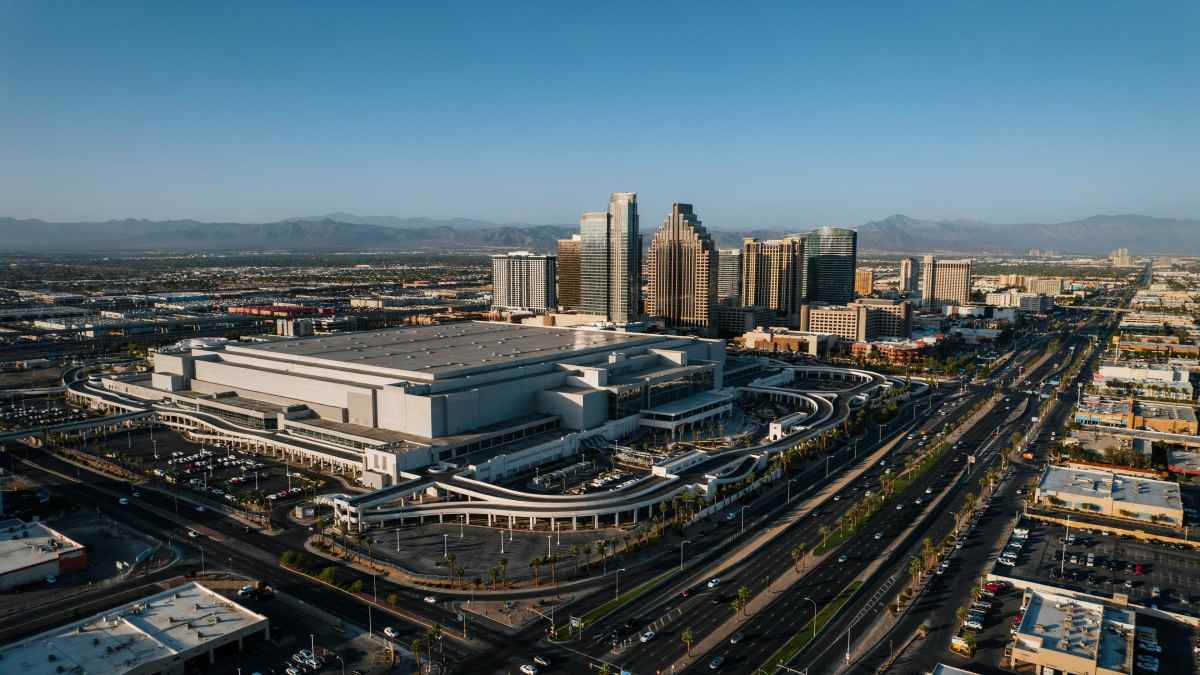
The U.S. is cementing its status as a major meetings, incentives, conferences and exhibitions destination, thanks to the development of larger and more high-tech convention centres in established MICE markets. Las Vegas, Orlando and Atlanta are some of the most obvious examples. While their existing convention centre infrastructure is being upgraded to cope with big exhibitions, corporate meetings and trade shows, the U.S. MICE market as a whole is being supported by continued demand for face-to-face business events. The latest forecast by the U.S. Travel Association sees business travel expenditure at US$319 billion in 2026, up 0.7% in real terms. Domestic group travel, meanwhile, should grow slightly faster at 1.4%, reaching US$118 billion.
Las Vegas Completes Major Convention Investment
Las Vegas has made one of the most significant recent investments in its convention infrastructure.
The Las Vegas Convention Centre completed a US$600 million renovation of its legacy campus in January 2026, building on the US$1 billion West Hall that opened in 2021.
The renovated campus covers approximately 4.6 million square feet and includes upgraded exhibition areas, a redesigned South Hall, a modernised Central Hall lobby and a climate-controlled internal concourse connecting major halls.
Advertisement
Advertisement
Digital infrastructure has also been upgraded, including a 75-foot-by-42-foot digital display designed for large-scale branding and event presentation.
The investment is designed for the increasingly complex requirements of international trade shows.
Advertisement
Advertisement
CES 2026 used the renovated facility and occupied more than 2.6 million net square feet of exhibition space across 13 official venues.
Las Vegas expects the convention centre to host around 48 major trade shows and approximately 1.23 million trade-show attendees during 2026.
Orlando Adds Flexible Event Space
Orlando is undertaking another major convention expansion.
The Orange County Convention Centre began construction on its US$560 million Grand Concourse Expansion in 2026.
The project is scheduled to add approximately 44,000 square feet of meeting space and a 100,000-square-foot ballroom.
Construction is scheduled to continue through 2029.
Advertisement
Advertisement
The additional space is intended to provide greater flexibility for large conferences and events, while improving connections between existing sections of the convention complex.
Orlando already ranks among the United States’ leading meeting destinations, supported by its airport, extensive hotel supply and proximity to major leisure attractions.
The combination makes the city particularly attractive for conferences where delegates may extend business trips into leisure stays.
Atlanta Builds Around a Major Convention Campus
Atlanta is taking a different approach by developing its convention district as a connected campus.
The Georgia World Congress Centre Authority manages the Georgia World Congress Centre, Centennial Olympic Park, Mercedes-Benz Stadium and Signia by Hilton Atlanta.
More than US$360 million has been invested over the past decade to improve connectivity and access across the campus and surrounding hospitality district.
Advertisement
Advertisement
The authority is also developing a new campus master plan focused on creating more flexible and connected event spaces.
In 2026, infrastructure planning has included upgrades involving building automation systems, central plant improvements and energy-efficiency measures.
These developments show how convention infrastructure is moving beyond exhibition floors.
Modern MICE venues increasingly require advanced building systems, connectivity, energy management, digital services and flexible spaces that can be adapted for different event formats.
AI Is Changing Event Operations
Artificial intelligence is becoming increasingly relevant to the US meetings industry, but the available evidence does not support describing Las Vegas, Orlando and Atlanta as operating fully AI-driven convention ecosystems.
Instead, technology is being incorporated gradually into venue management, visitor services, event planning, digital signage, building systems and operational efficiency.
Advertisement
Advertisement
The broader shift is towards venues that can handle changing exhibition footprints and more complex event requirements.
For organisers, flexibility can be as important as raw floor space.
Large conventions may need different combinations of meeting rooms, exhibition areas, registration zones, food-service areas and networking spaces. Modern facilities are increasingly designed to allow those spaces to be configured around individual events.
International Business Travel Faces a Different Challenge
The United States continues to face a separate issue involving international visitor access.
The U.S. Travel Association expects international inbound visits to rise 3.4% to 70.6 million in 2026, following a 5.5% decline in 2025.
International visitor spending is forecast to increase 1.6% to US$178 billion.
Advertisement
Advertisement
However, the organisation continues to identify visa wait times and barriers facing international visitors as risks to the recovery.
The State Department continues to publish visa appointment wait times by embassy and consulate, with availability varying according to local workload and staffing.
The United States has also expanded some visa-processing reforms and interview-waiver measures. However, there is no verified evidence that an October 2026 programme involving automated biometric screening and visa-waiver expansion for selected South American business groups has released US$3.1 billion in previously stalled corporate events.
Argentina remains involved in discussions surrounding potential expansion of the US Visa Waiver Program, but that should not be presented as a completed expansion unless officially confirmed.
World Cup Adds Another Business Travel Opportunity
The 2026 FIFA World Cup provides an additional boost to the US events and travel ecosystem.
Matches are being hosted across multiple American cities, creating opportunities for hotels, airlines, venues, restaurants, transport providers and business-event organisers.
Advertisement
Advertisement
The U.S. Travel Association identifies the World Cup as one of the major factors supporting the recovery of international inbound travel during 2026.
The event also allows convention destinations to combine business travel with major sporting demand.
US MICE Market Moves Towards Scale and Flexibility
The US MICE story currently isn’t so much about the migration of people from the northern cities as it is about the development of the infrastructure of major convention markets. Las Vegas has been beautified to the tune of US$600 million. Orlando has been upgraded to the tune of US$560 million. Atlanta is developing its convention complex further. Nevertheless, the demand for face-to-face meetings among corporations remains robust amid modestly rising forecasts for business travellers. As far as international operators are concerned, the US continues to have great facilities for conventions, great airline connections, numerous hotels and special venue sites. The only bottleneck for them is international connectivity. Given future events such as the World Cup, etc., there will be a need for international connections and MICE infrastructure.
Advertisement
