
New Mexico Activates Historic Plazas and Pueblos as Día de los Muertos Celebrations Fuel Southwestern Cultural Tourism Economy

Published
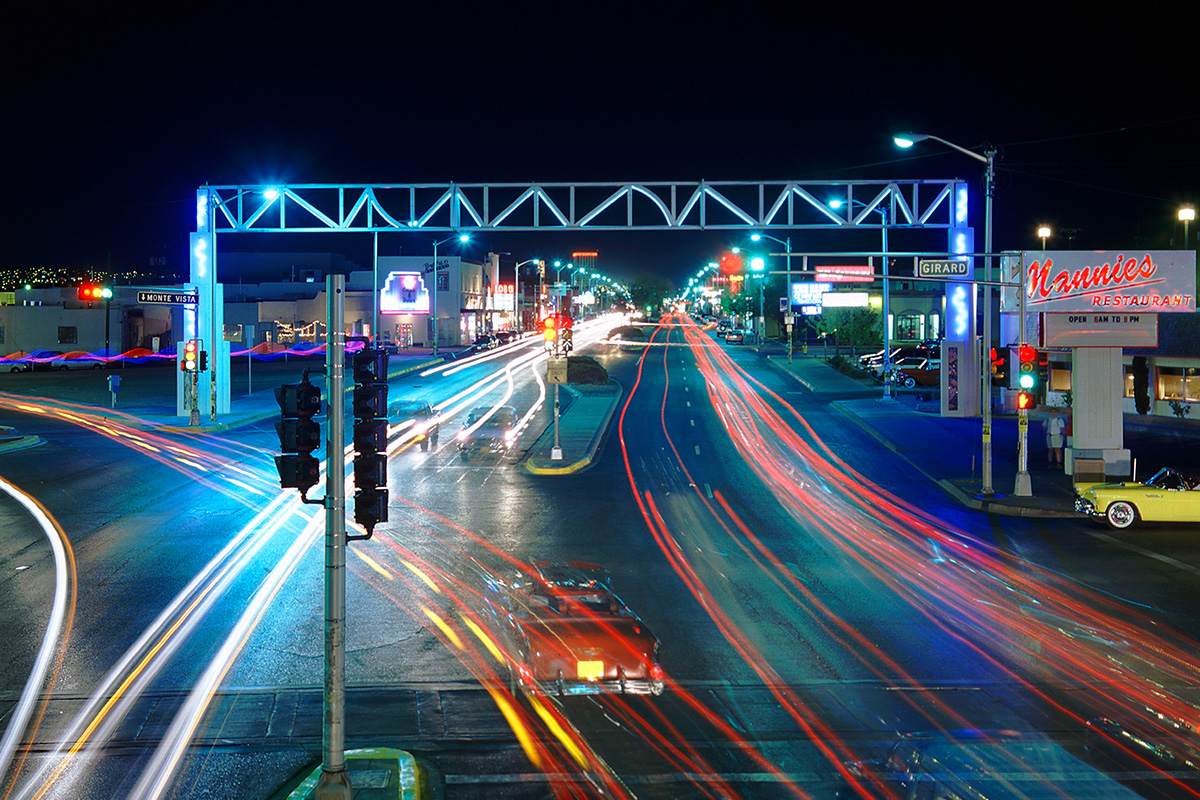
New Mexico Activates Historic Plazas and Pueblos as Día de los Muertos Celebrations Fuel Southwestern Cultural Tourism Economy.New Mexico, United States, is preparing for its Día de los Muertos celebrations from 30 October to 8 November 2026, bringing traditional Mexican and Indo-Hispano cultural experiences to Santa Fe, Albuquerque and Mesilla.
The multi-city observance will feature colourful community altars, marigold decorations, candlelight processions, traditional music, folkloric performances and local artisan markets. Visitors can explore historic plazas, museums and cultural landmarks while experiencing one of the Southwest’s most meaningful ancestral traditions. The celebrations also offer opportunities for local tourism businesses, hotels, restaurants and craftspeople during the autumn travel season.
Advertisement
Advertisement
Mexico remains the cultural heartland of Día de los Muertos, while Guatemala, Bolivia, Spain and the Philippines observe related traditions honouring departed loved ones. New Mexico’s celebrations offer travellers an opportunity to combine cultural discovery, heritage tourism and regional food experiences across several destinations. The proposed attendance and economic-impact figures require independent verification before publication.
Where Does This Event Happen and Who Is Participating?
Rather than confining attendees to a single ticketed indoor arena, New Mexico’s Día de los Muertos celebrations unfold across historic public spaces, state cultural centers, and municipal plazas:
Advertisement
Advertisement
- Core Plazas and Staging Corridors: Festive activities center on the 400-year-old Santa Fe Plaza, the open brick avenues of Old Town Albuquerque, the Gutierrez-Hubbell House in the South Valley, the National Hispanic Cultural Center (NHCC), and the historic town plaza of Old Mesilla in southern New Mexico.
- Participating Civic and Educational Institutions: Programming operates through direct coordination between the City of Santa Fe, the City of Albuquerque, and the New Mexico Department of Cultural Affairs. Local school districts, university fine-art departments, and youth community organizations contribute student-crafted calavera installations and commemorative storytelling.
- Artisans, Performers, and Community Elders: The celebration gathers regional danza azteca and Mexika dance troupes, mariachi ensembles, master sugar-skull artisans, weavers, and tinsmiths. Street food vendors and historic cantinas serve regional gastronomy, including blue corn tamales, pan de muerto, red chile posole, and Mexican hot chocolate.
- Public and Communal Ofrendas: Community members, families, and neighborhood associations build elaborate multi-tiered altars adorned with vibrant marigolds, copal incense, sugar skulls, framed portraits, and handwritten letters to welcome traveling spirits.
How Has Attendance Tracked Over the Past Five Years?
Because New Mexico’s Día de los Muertos operates as a distributed, open-access public gathering across municipal plazas, state cultural institutions, and historic downtowns, attendance telemetry is compiled from municipal transit logs, hotel lodging reports, and regional tourism monitoring:
| Year | Operational Model & Staging Footprint | Total Multi-Day Turnout | Lodging & Merchant Capacity |
| 2021 | Phased Public Resumption | ~48,000 | 74.0% |
| 2022 | Full Civic Reinstatement | ~62,000 | 81.5% |
| 2023 | Multi-City Coordinated Circuit | ~71,500 | 86.0% |
| 2024 | Transit & Rail Integration Model | ~76,000 | 89.5% |
| 2025 | Extended 10-Day Programming | ~81,000 | 92.5% |
| 2026 | 2026 Active Staging Showcase | ~85,000–90,000 (Projected) | 94.0%+ (Paced capacity) |
Which Other Countries Have This Same Cultural Event?
While New Mexico hosts one of the oldest contiguous regional traditions in the United States, Día de los Muertos is rooted in Mesoamerican indigenous customs and observed across several sovereign nations:
Advertisement
Advertisement
- Mexico (Oaxaca, Michoacán, & Mexico City): The historic epicenter of Día de los Muertos, inscribed on UNESCO’s Representative List of the Intangible Cultural Heritage of Humanity, featuring the renowned night vigils of Lake Pátzcuaro and Mexico City’s Grand Día de los Muertos Parade.
- Guatemala: Celebrated via the Festival de Barriletes Gigantes in Sumpango and Santiago Sacatepéquez, where colossal hand-painted paper kites are flown to bridge communication between living descendants and ancestral spirits.
- Bolivia: Celebrates the parallel Andean observance of Fiesta de las Ñatitas, where ancestral human skulls are crowned with floral garlands, fed coca leaves, and blessed in cemeteries.
- Philippines: Observes Undas (All Saints’ and All Souls’ Day), where generations gather overnight in elaborately cleaned and illuminated family grave plots, blending indigenous ritual with Spanish colonial Catholicism.
- Spain: Observes Día de Todos los Santos through traditional visits to ancestral cemeteries, floral offerings, and seasonal confections such as huesos de santo and panellets.
Which Region of Travellers Comes to This Event Most?
Mobility analytics and lodging surveys monitored by the New Mexico Tourism Department identify three primary inbound visitor corridors:
- Southwestern Regional Commuter & Drive Corridor (68%+ of Turnout): Daily and weekend visitors originate within a 2- to 6-hour driving perimeter, led by residents across New Mexico, West Texas (El Paso, Lubbock, Amarillo), Arizona (Phoenix, Tucson), and southern Colorado (Denver, Colorado Springs).
- National Fly-and-Drive Feeder Markets (20% of Inflow): Domestic leisure travelers fly into Albuquerque International Sunport (ABQ) and Santa Fe Regional Airport (SAF) from California, Illinois, Washington, and New York, booking multi-day hotel itineraries to experience Southwestern arts and fall foliage.
- Inbound International Cultural Tourists (12% of Audiences): Overseas cultural enthusiasts arrive from Canada, Germany, the United Kingdom, France, and Japan, combining Day of the Dead processions with architectural and Native American Pueblo heritage tours.
Which Country Benefits Most and How Are Tourism and the Economy Impacted?
The United States—and specifically the State of New Mexico and the municipal economies of Santa Fe, Albuquerque, and Doña Ana County—serves as the primary fiscal and economic beneficiary.
Advertisement
Advertisement
┌────────────────────────────────────────────────────────────────────────┐
│               NEW MEXICO REGIONAL ECONOMIC & TOURISM FOOTPRINT         │
├───────────────────────────────────┬────────────────────────────────────┤
│       DIRECT HOSPITALITY          │       HERITAGE & CIVIC COMMERCE    │
├───────────────────────────────────┼────────────────────────────────────┤
│ • $16M–$21M estimated direct      │ • Small-business circulation: high │
│   spend across lodging, dining,   │   turnover for native craft makers,│
│   artisanal retail, and transit.  │   galleries, and family eateries.  │
│                                   │                                    │
│ • Weekend hotel occupancy lift to │ • Autumn shoulder-season hedge:    │
│   86%–93% across Albuquerque,     │   stabilizes hospitality post-     │
│   Santa Fe, and Mesilla corridors.│   Balloon Fiesta prior to ski rush.│
└───────────────────────────────────┴────────────────────────────────────┘
- Direct Counter-Cyclical Consumer Spending: According to economic telemetry released by the New Mexico Tourism Department and output benchmarks aligned with the U.S. Bureau of Economic Analysis (BEA.gov), cultural event visitors exhibit higher average daily discretionary spending than typical road sightseers. The 10-day staging period channels an estimated $16 million to $21 million in direct economic activity across boutique hotels, independent restaurants, artisanal markets, and local transit operators.
- Shoulder-Season Lodging Protection: Boutique historic inns, adobe resorts, and hotels across downtown Albuquerque and the Santa Fe historic district record occupancy rates between 86% and 93%, sustaining Average Daily Rates (ADR) during the post-Albuquerque International Balloon Fiesta transition window ahead of the winter ski opening.
- Grassroots Economic Retention: Unlike commercialized events that export capital, consumer dollars spent during New Mexico’s Día de los Muertos circulate directly through Hispanic, Chicano, and Native American artisans, family-owned bakeries, and regional museum foundations.
- Regional Transit Efficiency: Intercity passenger rail through the New Mexico Rail Runner Express allows thousands of spectators to move between Albuquerque and Santa Fe without overwhelming municipal highway grids or requiring emergency capital appropriations.
New Mexico’s Day of the Dead Celebrations Highlight the Growing Appeal of Heritage Tourism
New Mexico’s Día de los Muertos 2026 celebrations demonstrate how cultural traditions can create meaningful travel experiences while supporting local communities. From Santa Fe’s historic plaza to Albuquerque’s Old Town and Mesilla’s heritage streets, the observance offers visitors opportunities to discover regional history, traditional craftsmanship, music and ancestral customs. The celebrations may also strengthen autumn tourism by encouraging longer stays and additional spending at locally owned businesses. Beyond their economic potential, these gatherings preserve the cultural connections between generations and communities across the United States and Mexico. For travellers seeking authentic cultural experiences, New Mexico offers a distinctive opportunity to explore the American Southwest through remembrance, heritage and community participation. Visitors should confirm individual event dates, locations, admission arrangements and procession schedules with official organisers before travelling.
Advertisement
