

Spain Stands Alongside Italy And More To Overhaul Urban Leisure In A Decisive Move Against Crowds

Published
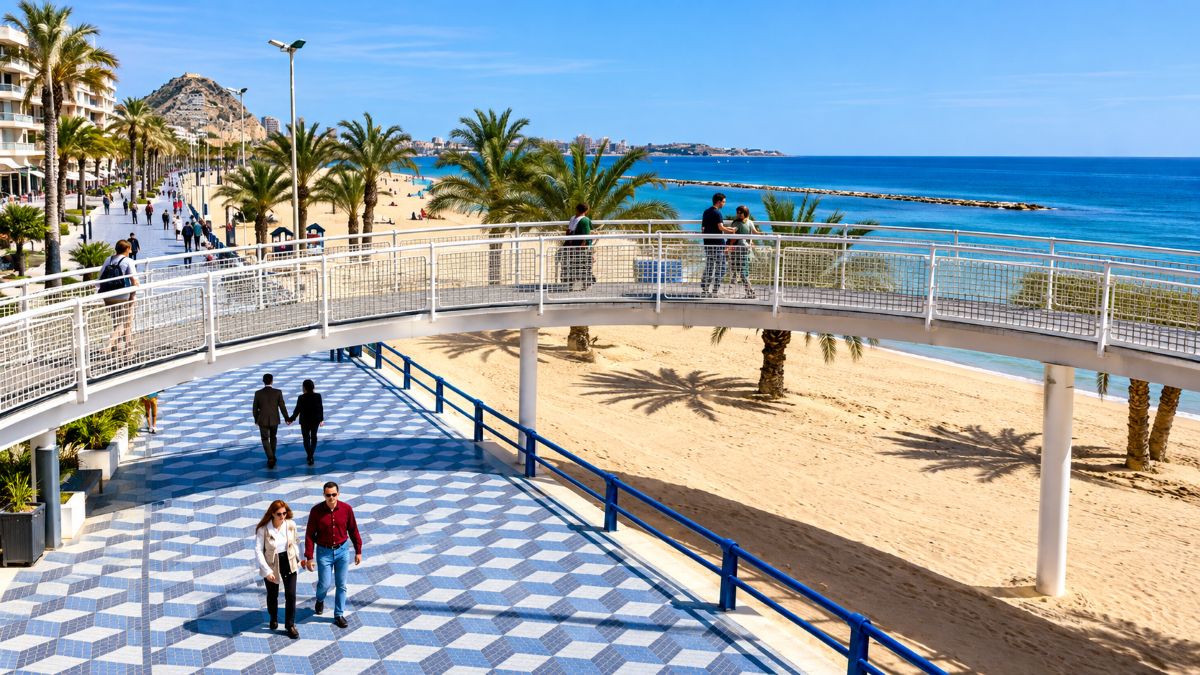
Barcelona has formally inaugurated a selective visitor initiative designed to curb persistent overcrowding by fundamentally reshaping why travellers arrive and how they navigate Catalonia’s capital. Urban administrators have moved away from conventional promotional models that pursued relentless visitor volume, opting instead for algorithmic technology that personalises itineraries away from strained epicentres. Driven by escalating community friction, rising living costs, and intense residential pushback, the municipality is actively engineering an environment where visitor footfall harmonises with neighbourhood wellbeing rather than destabilising it.
This decisive policy reflects a wider European dilemma as destinations grapple with historic arrival figures. With Spain projected to become the world’s most visited destination over the coming decade, regional authorities are capping expansion thresholds and prioritising cultural engagement over unchecked quantity. Through an algorithmic engine resembling modern digital entertainment platforms, incoming guests receive tailored advice steering them towards independent galleries, seasonal gastronomy, and regional events, thereby decentralising pressure away from delicate architectural districts and establishing a durable blueprint for responsible Mediterranean travel.
Algorithmic Engineering and the Redistribution of Footfall
At the technical core of this initiative lies an adaptive digital engine developed to intervene directly in the traveller journey before arrival. Rather than displaying uniform bucket-list itineraries that direct every traveller towards the Basilica de la Sagrada Familia or Park Güell, the platform analyses individual cultural preferences to generate bespoke itineraries. By pairing individual traveller inclinations with real-time capacity management across metropolitan zones, the system naturally redistributes footfall towards quieter neighbourhoods such as Sant Marti, Nou Barris, and Sants, where independent culinary workshops, modernist architecture, and neighbourhood arts cooperatives operate away from major crowds.
This programmatic redistribution directly tackles the structural congestion that has historically concentrated millions of annual sightseers within a narrow perimeter of historic boulevards. Local planners emphasise that the objective is not to obscure Catalan heritage, but to democratise visitor revenue across districts that rarely benefit from international commerce. Visitors who register an interest in architectural preservation are directed to lesser-known modernist landmarks by contemporaries of Antoni Gaudi, whereas culinary enthusiasts receive guidance highlighting neighbourhood markets rather than heavily commercialised thoroughfares. This responsive system mitigates bottlenecking, lowers waiting durations, and revitalises community relationships across historically neglected municipal quarters.
Advertisement
Advertisement
Strategic Comparison of Mediterranean Overtourism Measures
| Destination | Primary Intervention | Regulatory Mechanism | Targeted Impact |
|---|---|---|---|
| Barcelona | Selective Algorithmic Itineraries | Phasing out 10,000 short-term rental permits by 2028 | Dispersal of footfall away from Gothic Quarter and Sagrada Familia |
| Venice | Access Fee and Booking Gateways | Mandatory daily contribution fee on peak excursion dates | Discouraging brief non-overnight excursion traffic |
| Amsterdam | Structural De-marketing Campaigns | Halting new hotel construction and banning tour groups in central quarters | Reducing disruptive party travel and preserving urban liveability |
| Dubrovnik | Co-ordinated Cruise Scheduling | Maximum ceiling of two concurrent cruise vessel dockings per day | Preventing catastrophic pedestrian choke points within historic city walls |
Community Tensions and Structural Policy Reform
The implementation of selective algorithmic routing represents the latest layer in an aggressive regulatory apparatus formulated to safeguard residential stability. For years, Catalan civic groups staged sustained demonstrations against the unchecked expansion of holiday lettings, which residents argued precipitated severe rental inflation, displaced lifelong tenants, and transformed neighbourhood shopping streets into homogenous souvenir zones. Tensions culminated during recent summer seasons when visible neighbourhood protests drew international attention to the social strains produced by accommodating nearly sixteen million visitors annually alongside a domestic population of just 1.6 million residents.
In response, municipal authorities established decisive policies, most notably committing to phase out approximately 10,000 holiday flat licences across the city by 2028. Concurrently, regional authorities raised the local tourist surcharges for overnight accommodation, channeling the resulting tax proceeds directly into municipal infrastructure maintenance, green transport links, and environmental mitigation projects. The official ceiling is anchored firmly at current visitor figures, establishing a clear line that values resident liveability above untamed economic returns.
Advertisement
Advertisement
Rebranding Municipal Identity from Promotion to Cultural Resonance
This policy transition has coincided with an extensive revision of official municipal branding, officially pivoting from promotional messaging to a dignified cultural invitation. The city’s official tourism platform has retired traditional calls to action in favour of an ethos focused on showcasing authenticity, civil etiquette, and neighbourhood traditions. The central aim is to cultivate a self-aware, considerate guest who arrives seeking depth, culinary literacy, and creative immersion rather than superficial sightseeing checklists.
By encouraging travellers to plan trips around exclusive musical performances, local food traditions, and seasonal museum collections, destination directors intend to elevate average economic contribution per visitor while reducing physical footprint. Guests are actively encouraged to view the destination as a dynamic community rather than a theme park backdrop, with digital materials offering guidance on quiet residential zones, local waste sorting conventions, and regional linguistic traditions.
Advertisement
Advertisement
Frequently Asked Question
What is the core objective of Barcelona’s new selective tourism model? The core objective is to move away from increasing visitor numbers and instead focus on managing who visits, why they travel, and how they navigate the city to protect local residential quality of life.
How does the recommendation algorithm function for prospective visitors? The algorithmic system assesses individual personal interests and suggests bespoke cultural itineraries that distribute visitors across lesser-known neighbourhoods rather than concentrating footfall at saturated architectural landmarks.
What maximum visitor threshold has municipal management established? City authorities have established an upper operational threshold of sixteen million annual visitors, confirming that urban capacity will no longer expand beyond current figures.
How are residential housing pressures being directly tackled by municipal authorities? The city has committed to revoking and phasing out approximately 10,000 tourist apartment rental licences by 2028, returning these properties to the local residential housing supply.
Advertisement
Advertisement
Which Mediterranean destinations are implementing comparable anti-overcrowding frameworks? Venice, Amsterdam, and Dubrovnik have implemented comparable measures, ranging from day-tripper access fees and cruise ship dock restrictions to direct de-marketing policies.
Will travellers face restricted access to major landmarks like Sagrada Familia? Direct access to premier monuments remains available through pre-booked ticketing channels, but official advice systems actively prioritise and schedule visits across alternate cultural spaces first.
How has the official municipal marketing identity changed? The long-standing promotional campaign has shifted from encouraging mass visitor arrivals to an informative platform that highlights regional heritage, considerate etiquette, and everyday cultural resonance.
What changes apply to the municipal overnight accommodation surcharge? City authorities have increased overnight tourism taxes, with the resulting municipal revenues directed towards public transport services, historical preservation, and neighbourhood infrastructure upgrades.
How does the algorithmic platform protect neighbourhood communities from disruption? By matching passenger volumes with real-time neighbourhood capacity, the algorithm avoids channelling large tour groups into narrow residential streets, preserving daily peace for local residents.
Where can conscious travellers find verified guidance on responsible local customs? The official city digital platform provides detailed advice on respectful civic behaviours, Catalan cultural norms, responsible dining etiquette, and quiet hours within residential apartment areas.
Advertisement
