
El Salvador Joins Panama and Others in Propelling Central America as the World’s Top-Performing Tourism Region in 2026

Published
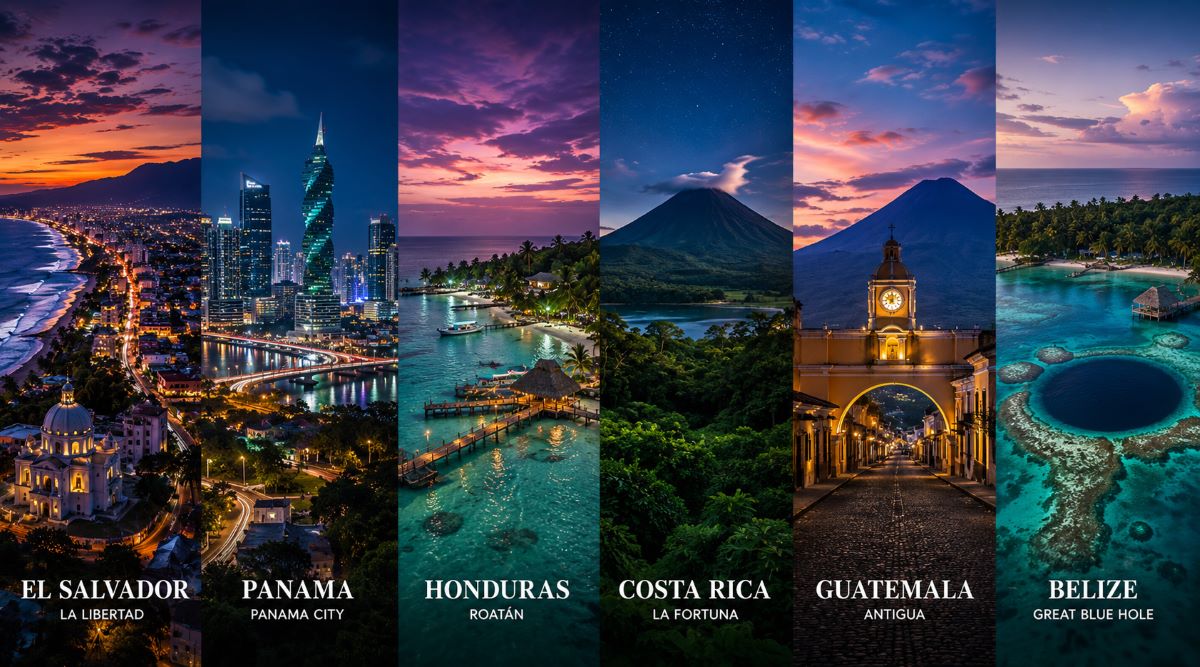
El Salvador joins Panama and others in propelling Central America as the world’s top-performing tourism region in 2026, driven by exceptional visitor growth, stronger air connectivity, diverse attractions and rising global demand. El Salvador’s 42.6% surge in arrivals, alongside Panama’s expanding tourism momentum, highlights the region’s accelerating rise in international travel.
El Salvador: A 42.6% Surge Puts the Country at the Front of the Tourism Race
El Salvador stands out in the supplied dataset with international tourist arrivals rising 42.6% year on year during January–March 2026. Better international visibility, stronger air connectivity and the country’s changing tourism image are supporting the momentum. El Salvador’s appeal stretches from Pacific surfing destinations and volcanic landscapes to historic towns, food and cultural experiences. Airport traffic also increased 7% between 1 January and 15 February, reaching 735,582 passengers, according to CEPA. International events and expanded connectivity have further supported visitor movement. With an estimated January–August growth trajectory of around 30–35%, El Salvador could remain one of Central America’s standout tourism-growth stories during 2026.
Panama: Aviation Connectivity Turns a Global Transit Hub Into a Tourism Powerhouse
Panama’s tourism growth is increasingly about converting connecting passengers into actual visitors. The supplied data showed arrivals up 18.1% through April, while subsequent Panama Tourism Authority figures confirmed 1,755,998 international visitors during January–June 2026, representing 17.4% growth. Panama benefits from Tocumen International Airport and Copa Airlines’ extensive Americas network, but travellers are also discovering Panama City, the Canal, Caribbean beaches, indigenous culture and biodiversity. The Panama Stopover programme attracted more than 132,000 visitors during H1, up 38%. With hotel occupancy reaching 67.6%, Panama combines leisure, stopover and meetings tourism, supporting an estimated January–August growth trajectory of roughly 17%.
Honduras: Caribbean Islands and Maya Heritage Support a 17.5% Tourism Rise
Honduras recorded 17.5% year-on-year growth in international tourist arrivals during January–March 2026 in the supplied data, placing it narrowly behind Panama among these selected markets. Its tourism strength comes from an unusually diverse product. Roatán and the Bay Islands offer Caribbean beaches, diving and access to the Mesoamerican Reef, while Copán provides one of Central America’s most important Maya archaeological experiences. Nature reserves, mountains and smaller coastal destinations broaden its appeal beyond conventional resort tourism. Regional visitors also provide an important market alongside travellers from North America and Europe. Based on the early trajectory, growth could moderate towards approximately 15–16% through January–August as the exceptionally strong first-quarter comparison gradually normalises.
Advertisement
Advertisement
Costa Rica: Nature Keeps One of Central America’s Best-Known Destinations Growing
Costa Rica recorded 8.3% growth in international tourist arrivals through May 2026 in the supplied dataset. Unlike some faster-growing neighbours that are expanding from smaller visitor bases, Costa Rica already possesses a mature global tourism brand. Rainforests, volcanoes, Pacific and Caribbean beaches, wildlife, surfing, adventure tourism and protected natural areas give travellers reasons to stay and explore several regions during one holiday. The country’s long-established ecotourism positioning is particularly valuable as travellers increasingly seek nature and experience-led holidays. Extensive connections with North American markets also support demand. Based on the available trajectory, growth could remain around 7–8% through January–August, representing healthy expansion for an already well-established Central American tourism destination.
Guatemala: Maya Heritage and Living Culture Drive Steady Visitor Growth
Guatemala’s international tourist arrivals increased 4.6% year on year through May 2026 in the supplied data. Its percentage growth is more moderate than El Salvador, Panama or Honduras, but Guatemala offers one of Central America’s deepest cultural tourism products. Antigua’s colonial streets, Lake Atitlán, Maya communities, highland markets and the archaeological site of Tikal give international visitors multiple reasons to travel beyond the capital. The country can attract backpackers, cultural travellers, nature tourists and higher-spending experiential visitors within the same tourism economy. Regional travel from neighbouring Central American countries also supports visitor flows. Assuming current momentum continues, Guatemala could maintain approximately 5% growth through January–August, providing steady rather than explosive expansion during 2026.
Advertisement
Advertisement
Belize: Modest Growth Builds on a Highly Distinctive Caribbean and Central American Mix
Belize recorded 2.1% growth in international tourist arrivals during January–March 2026 in the supplied data. Although that is the smallest increase among these six countries, Belize competes with a highly distinctive tourism proposition. The Belize Barrier Reef attracts divers and snorkellers, while islands and cayes support beach tourism. Inland, travellers can explore rainforest, wildlife, caves and Maya archaeological sites. English is widely spoken, giving Belize an accessibility advantage with North American travellers, while its geography allows the destination to combine Caribbean experiences with mainland Central American adventure. Growth could gradually strengthen towards approximately 2–3% through January–August. For Belize, maintaining positive growth from its established leisure markets would still represent useful momentum rather than underperformance.
Central America Is Building Tourism Momentum Through Very Different Experiences
These six countries demonstrate why Central America’s tourism growth cannot be attributed to one attraction or traveller segment. El Salvador is generating exceptional percentage growth from a rapidly changing tourism profile. Panama is converting its aviation-hub advantage into stopovers, conventions and longer stays. Honduras combines Caribbean islands with Maya heritage, while Costa Rica remains one of the world’s best-established ecotourism destinations. Guatemala offers culture, archaeology and landscapes, while Belize combines reefs, islands, rainforest and Maya sites. The result is a region capable of competing simultaneously for beach, adventure, cultural, nature and business travellers. Importantly, the growth rates differ substantially, meaning Central America’s broader tourism story is being powered by both rapidly emerging destinations and established markets.
Advertisement
Advertisement
| Country | Early-2026 Actual YTD Growth | Jan–Aug Outlook | Main Tourism Strength |
|---|---|---|---|
| El Salvador | +42.6% | ~30–35% | Surfing, events, connectivity, nature |
| Panama | +18.1% | ~17% | Aviation hub, stopovers, meetings, Canal |
| Honduras | +17.5% | ~15–16% | Bay Islands, diving, Maya heritage |
| Costa Rica | +8.3% | ~7–8% | Ecotourism, wildlife, beaches, adventure |
| Guatemala | +4.6% | ~5% | Maya heritage, Antigua, Lake Atitlán |
| Belize | +2.1% | ~2–3% | Barrier Reef, islands, rainforest, Maya sites |
Panama Shows How Tourism Growth Is Turning Into Economic Value
Panama provides particularly strong evidence that rising arrivals are translating into wider economic activity. Official figures show international visitors increased 17.4% during the first half of 2026 to 1,755,998. The country hosted 74 international events, attracting more than 113,937 participants and generating an estimated economic impact of more than B/.91.5 million. Hotel occupancy reached 67.6%, up 14% compared with the previous year. Panama’s targeted international partnerships also contributed more than 150,000 tourists and an estimated B/.375 million in tourism income. These numbers illustrate how Central America’s tourism expansion can extend beyond visitor counts into hotels, restaurants, aviation, events and local spending.
The Region’s Biggest Advantage Is Tourism Diversity
Central America’s strength in 2026 lies in how much tourism variety exists within a relatively compact geographical area. A traveller can surf El Salvador’s Pacific coast, explore Maya heritage in Guatemala and Honduras, experience Costa Rica’s rainforests, dive around Belize’s reef and finish in cosmopolitan Panama City. Improved aviation connectivity and regional routes make multi-country journeys increasingly practical. Panama’s experience demonstrates the power of connectivity particularly clearly: its Stopover programme grew 38% during the first half of 2026. El Salvador is also reporting increased airport passenger traffic. If connectivity, destination promotion and tourism infrastructure continue improving, the region has a strong platform for maintaining international visitor growth through the remainder of 2026.
El Salvador joins Panama and others in propelling Central America as the world’s top-performing tourism region in 2026, as soaring tourist arrivals, improved connectivity, diverse experiences and rising international demand drive the region’s powerful tourism momentum, led by emerging and established destinations.
In conclusion, El Salvador joins Panama and others in propelling Central America as the world’s top-performing tourism region in 2026, supported by rapid visitor growth, stronger aviation connectivity, diverse tourism experiences and increasing international demand. El Salvador’s exceptional arrival surge, Panama’s expanding role as a global travel hub and the continued performance of destinations such as Costa Rica, Honduras, Guatemala and Belize demonstrate the region’s broad appeal. With beaches, nature, heritage, adventure and business travel opportunities strengthening its tourism offer, Central America is emerging as one of the most dynamic regions in global travel during 2026.
Advertisement
