
Hundreds of Travelers Affected Around Asia Amid Typhoon Dujuan with 890 Cancellations and 4,632 Delays at Fukuoka, Makassar and More Airports

Published
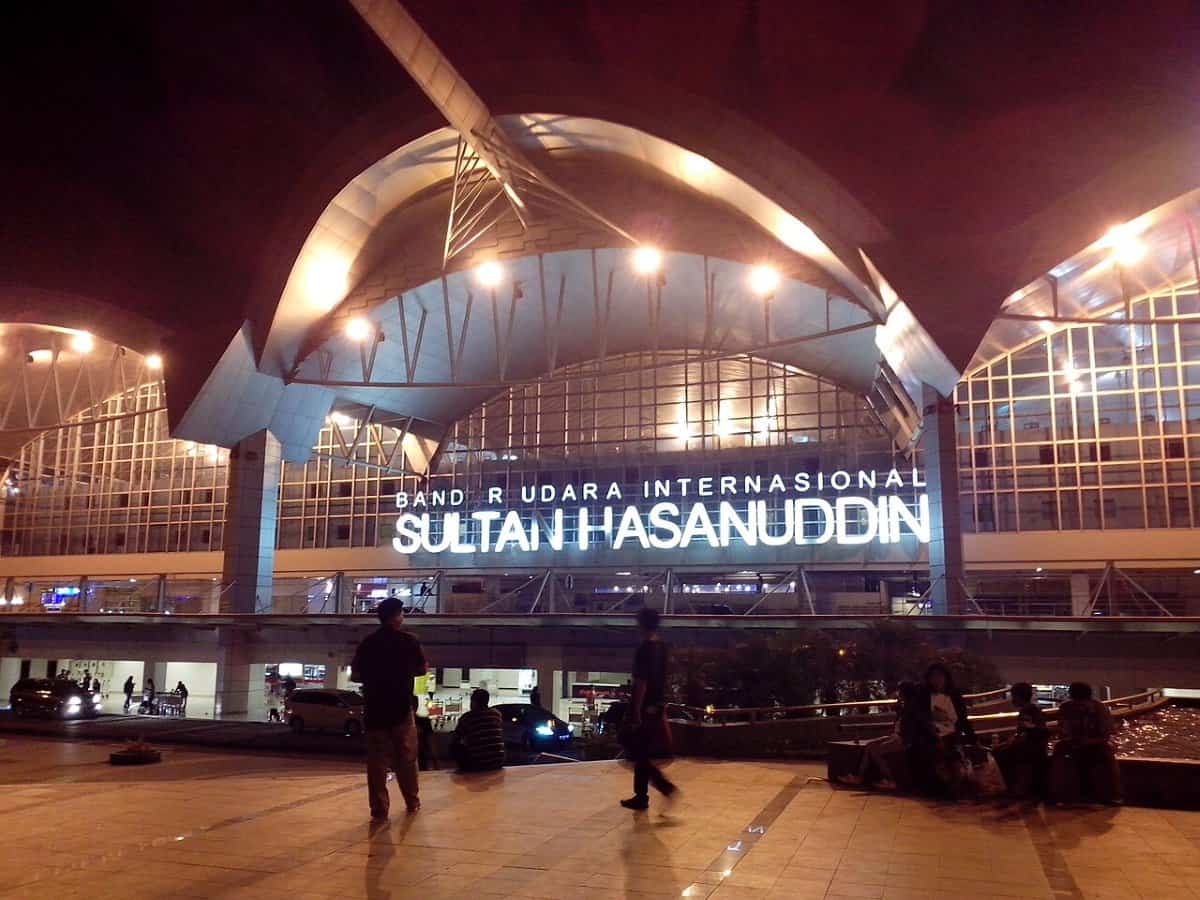
Typhoon Dujuan is affecting air operations throughout Asia, causing disruptions for hundreds of travelers. Fukuoka, Makassar, and other airports have reported significant difficulties. However, airlines have had to modify their timetables due to severe weather conditions, such as strong winds, heavy rainfall, and safety limitations. Thousands of passengers have been impacted by 4,632 delays and 890 cancellations due to the storm. Regional aviation networks are also under more strain due to airport congestion, problems with aircraft rotation, and shifting weather patterns. While airlines and airport authorities strive to manage operations, minimize delays, and assist impacted travelers amid the prolonged disruption, Typhoon Dujuan continues to have an impact on travel plans.
Japan Faces the Largest Impact as Typhoon Dujuan Disrupts Air Travel
Japan became the centre of Asia’s aviation disruption, with several major airports reporting severe delays and cancellations. Tokyo Haneda Airport recorded the highest airport-level disruption, with 516 delays and 287 cancellations. Narita International Airport also faced heavy pressure with 144 delays and 67 cancellations.
Advertisement
Advertisement
Other Japanese airports experienced major operational difficulties. New Chitose Airport reported 183 delays and 46 cancellations, while Fukuoka Airport recorded 131 delays and 41 cancellations. Osaka Itami Airport registered 142 delays and 21 cancellations, while Kansai International Airport reported 74 delays and 11 cancellations.
The disruption affected both domestic and international travel networks. Typhoon Dujuan brought hazardous weather conditions around eastern Japan, including strong winds and heavy rain, leading airlines to reduce operations for passenger safety. (Reuters)
Advertisement
Advertisement
Airports and Countries Across Asia Experience Widespread Disruptions
Japan, China and Southeast Asia Carry the Highest Operational Pressure
The impact extended beyond Japan as Asian aviation networks remained connected through international routes. China experienced significant delays at several major airports. Guangzhou Baiyun International Airport recorded 334 delays and 11 cancellations, making it one of the busiest affected hubs. Shanghai Pudong International Airport reported 183 delays and 25 cancellations, while Shanghai Hongqiao International Airport recorded 113 delays and 7 cancellations.
Beijing Capital International Airport registered 79 delays and 16 cancellations, while Beijing Daxing International Airport recorded 107 delays and 4 cancellations. Hangzhou Xiaoshan International Airport reported 100 delays and 5 cancellations, showing continued disruption across China’s major aviation network.
Advertisement
Advertisement
Southeast Asia also experienced delays. Suvarnabhumi Bangkok International Airport recorded 175 delays and 5 cancellations. Jakarta Soekarno-Hatta International Airport reported 191 delays and 16 cancellations, while Da Nang International Airport recorded 58 delays and 8 cancellations.
India also saw significant disruption. Indira Gandhi International Airport recorded 147 delays and 12 cancellations, while Chhatrapati Shivaji Maharajahs International Airport reported 106 delays and 6 cancellations.
Advertisement
Advertisement
Airlines Affected by Delays and Cancellations Across Asia
Airline operations showed widespread pressure, particularly among Japanese carriers. Japan Airlines recorded 116 cancellations (14%) and 295 delays (36%), making it one of the most affected airlines in the region.
All Nippon Airways reported 86 cancellations (15%) and 192 delays (34%). Jetstar Japan recorded 26 cancellations (25%) and 19 delays (18%), while Skymark reported 34 cancellations (17%) and 54 delays (27%).
Other Japanese carriers also experienced operational challenges. ANA Wings recorded 36 cancellations (9%) and 115 delays (31%). Air Do reported 7 cancellations (10%) and 41 delays (61%), while StarFlyer recorded 5 cancellations (7%) and 29 delays (44%).
International airlines were also affected. China Eastern reported 30 cancellations (1%) and 275 delays (12%), while China Southern Airlines recorded 2 cancellations (0%) and 224 delays (10%). Air China reported 36 cancellations (2%) and 111 delays (6%).
Advertisement
Advertisement
Vietnam Airlines experienced 8 cancellations (2%) and 79 delays (22%), while Korean Air recorded 8 cancellations (2%) and 73 delays (18%). VietJet Air reported 1 cancellation (0%) and 124 delays (30%).
Indian airlines also faced disruption. IndiGo recorded 3 cancellations (0%) and 161 delays (8%), while Air India reported 7 cancellations (1%) and 44 delays (7%). SpiceJet registered 8 cancellations (10%) and 28 delays (37%).
Major Cities and Travel Routes Face Passenger Challenges
The affected cities include Tokyo, Osaka, Fukuoka, Sapporo, Shanghai, Guangzhou, Beijing, Bangkok, Jakarta, Delhi and Mumbai. These destinations represent some of Asia’s busiest tourism and business travel markets.
Tokyo faced the strongest impact due to its large international connectivity and the concentration of airport operations. Delays at Haneda and Narita created wider consequences for connecting passengers travelling between Japan and other Asian destinations.
China’s major commercial cities also experienced disruption, with Guangzhou, Shanghai and Beijing seeing hundreds of delayed flights. Meanwhile, Southeast Asian hubs such as Bangkok and Jakarta faced operational delays due to regional network effects.
What Affected Passengers Should Do Now
Passengers travelling through affected airports should take several steps to reduce inconvenience:
Advertisement
Advertisement
- Travellers should regularly check airline websites, mobile applications and airport notifications before leaving for the airport. Flight timings may change quickly during severe weather conditions.
- Passengers should arrive earlier than usual because check-in counters, security areas and customer service desks may experience longer queues during disruption periods.
- Travellers with cancelled flights should contact airlines directly to explore rebooking options, alternative routes or updated departure schedules.
- Passengers connecting through affected Asian hubs should allow additional time between flights because delays can affect aircraft movements and crew schedules.
Data Verification Notice
The data has been extensively curated by our editorial team using real-time aviation figures recorded on 21 September 2026 at 3:06 pm ET USA (22 September 2026, 4:07 am Tokyo Time (GMT+9)).
Primary Source: FlightAware.
Verification Protocol: All statistics have been independently reviewed and cross-checked by our human editorial desk. Timestamped records, data logs and feed snapshots are securely archived internally to support historical accuracy and editorial transparency.
Note: Real-time flight-tracking figures reflect active airspace and operational data. Minor variations may occur when compared with information displayed at individual airport terminals or airline departure gates.
Yesterday, major Asian airports face 245 cancellations and 4,100 delays. Check here to read the full coverage.
Advertisement
Verified by Rana Pratap
