
Yeongju Follows Uljin and More as Gyeongbuk Destinations Come Forward for the Ultimate South Korea Adventure and Unforgettable Holiday Magic!

Published
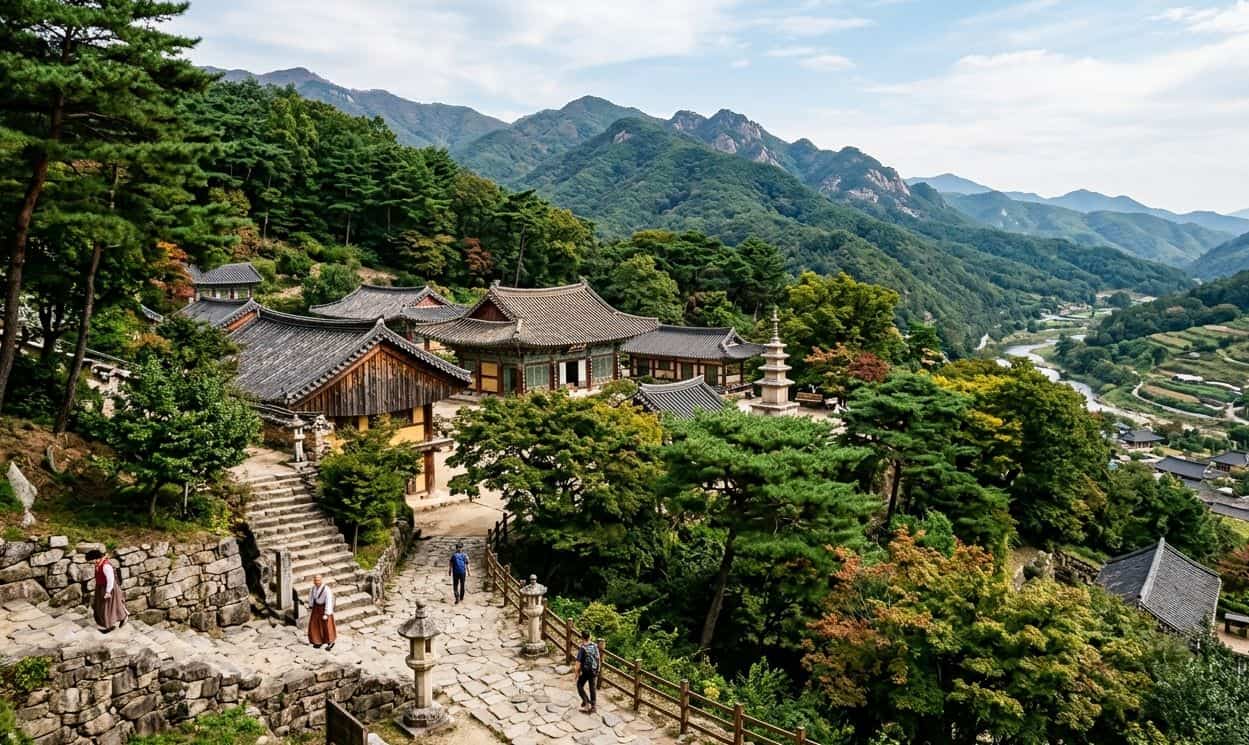
Yeongju follows Uljin and more Gyeongbuk destinations as South Korea comes forward with extraordinary opportunities for unforgettable holidays. From mountain escapes to coastal wonders, these destinations invite global travellers to discover the ultimate South Korea adventure and experience unforgettable holiday magic. Moreover, Yeongju, Uljin and other Gyeongbuk destinations offer cultural treasures, scenic landscapes and authentic Korean experiences beyond familiar tourist hotspots. As sustainable tourism encourages longer stays and stronger local connections, travellers can explore more while supporting regional communities. Travel And Tour World urges readers to discover how Yeongju, Uljin and more Gyeongbuk destinations can transform their next South Korea adventure into unforgettable holiday magic.
Yeongju Follows Uljin and More as Gyeongbuk Destinations Come Forward for the Ultimate South Korea Adventure and Unforgettable Holiday Magic!
Yeongju follows Uljin and more Gyeongbuk destinations as South Korea comes forward with extraordinary opportunities for unforgettable holidays. From mountain escapes to coastal wonders, these destinations invite global travellers to discover the ultimate South Korea adventure and experience unforgettable holiday magic. Moreover, Yeongju, Uljin and other Gyeongbuk destinations offer cultural treasures, scenic landscapes and authentic Korean experiences beyond familiar tourist hotspots. As sustainable tourism encourages longer stays and stronger local connections, travellers can explore more while supporting regional communities. Travel And Tour World urges readers to discover how these remarkable destinations can transform their next South Korea adventure into unforgettable holiday magic.
Yeongju, Uljin and More Gyeongbuk Destinations Put South Korea’s Hidden Treasures in the Spotlight
South Korea offers far more than the bright lights of Seoul and the popular attractions of Busan. Across Gyeongsangbuk-do, commonly known as Gyeongbuk, visitors can discover historic temples, mountain landscapes, coastal villages and traditional Korean experiences. Yeongju, Uljin, Yeongdeok, Cheongsong, Bonghwa and Mungyeong each offer distinctive reasons to extend a holiday beyond the country’s best-known tourist centres.
The Gyeongbuk Tourism Organization has emphasised longer stays, sustainable tourism and stronger benefits for local communities. This approach encourages travellers to spend more time exploring regional destinations instead of rushing between major attractions. For international tourists, it also creates opportunities to discover authentic Korean culture, enjoy regional cuisine and support local businesses.
Advertisement
Advertisement
Travel And Tour World highlights six destinations that deserve consideration when planning a memorable South Korean holiday.
Yeongju Brings Historic Temples and Mountain Adventures Together
Yeongju is an appealing destination for travellers who appreciate cultural heritage, traditional architecture and nature. The city is home to Buseoksa Temple and Sosu Seowon, a historic Confucian academy that offers insight into Korea’s educational and philosophical traditions.
Advertisement
Advertisement
Visitors can explore temple architecture, admire mountain scenery and learn about the country’s historical institutions. Nature enthusiasts can also consider Sobaeksan National Park, where suitable walking routes provide opportunities to experience the region’s forests and mountain landscapes.
Local dining adds another dimension to a Yeongju visit. Travellers can look for traditional Korean meals, seasonal vegetables and dishes prepared with regional produce. Guesthouses and hotels in the city provide practical accommodation options for visitors planning cultural excursions.
A two-day stay allows travellers to explore the principal heritage attractions without rushing. Those interested in hiking can extend their visit and enjoy a more relaxed experience.
Uljin Offers Coastal Beauty, Caves and Relaxing Hot Springs
Uljin attracts travellers seeking a combination of East Coast scenery, natural attractions and relaxation. Its coastal communities offer harbour views, seafood restaurants and opportunities to enjoy a quieter side of South Korea.
Jukbyeon Harbour is a useful stop for visitors interested in maritime scenery and local life. Seongnyugul Cave provides another attraction for travellers who enjoy geological landscapes, while Deokgu Hot Springs offers a different experience for those seeking relaxation.
The surrounding countryside also presents opportunities for nature-focused excursions. Travellers should check access arrangements, transport connections and opening schedules before setting out.
Advertisement
Advertisement
Uljin is particularly attractive to seafood enthusiasts. Snow crab and other regional seafood specialities feature prominently in local dining experiences, although availability and prices vary by season.
Visitors can stay in coastal guesthouses or hotels, depending on their preferred activities. Two or three days provide time to combine coastal sightseeing with inland excursions.
Yeongdeok Combines Coastal Walking With Memorable Seafood Experiences
Yeongdeok is a strong choice for travellers who enjoy scenic coastlines, outdoor recreation and regional food. Its Blue Road coastal walking network offers opportunities to explore sections of the East Coast while experiencing the surrounding landscape at a comfortable pace.
Visitors can plan walks around suitable sections of the route, spend time at Goraebul Beach and explore Ganggu Port. Each location contributes a different element to a coastal itinerary, from beach scenery to harbour activity.
Seafood is an important part of Yeongdeok’s appeal. The area is particularly associated with snow crab, making it an attractive destination for travellers interested in Korean regional cuisine. Visitors should compare restaurant prices and check seasonal availability before ordering.
Coastal guesthouses and hotels provide convenient accommodation for those wishing to enjoy sunrise views or spend additional time exploring nearby communities. One or two nights can provide a rewarding introduction to the area.
Advertisement
Advertisement
Cheongsong Reveals South Korea’s Dramatic Mountain Landscapes
Cheongsong offers a slower travel experience built around nature, traditional architecture and rural scenery. Juwangsan National Park is one of its principal attractions, drawing visitors interested in forest trails, rock formations and mountain valleys.
Travellers can explore suitable walking routes, photograph scenic landscapes and visit Songso House to discover traditional Korean architectural features. Jusanji Reservoir is another location worth considering, subject to current access conditions and local regulations.
The destination is especially appealing to photographers and outdoor enthusiasts. However, visitors should check weather conditions and trail information before beginning mountain excursions.
Cheongsong is also associated with apples and regional agricultural products. Travellers can look for seasonal produce and traditional Korean meals at local establishments.
A two-day visit provides time for nature excursions and cultural sightseeing. Locally operated guesthouses can offer a convenient base for exploring the surrounding countryside.
Bonghwa Introduces Travellers to Forest Conservation and Natural Beauty
Bonghwa deserves attention from travellers seeking forest landscapes and quieter rural surroundings. Its Baekdudaegan National Arboretum combines botanical collections, conservation activities and visitor education.
Advertisement
Advertisement
Visitors can explore gardens, discover plant collections and learn about efforts to conserve important botanical resources. The arboretum is particularly suitable for families, nature enthusiasts and travellers who prefer educational outdoor experiences.
Cheongnyangsan Provincial Park offers another option for visitors interested in mountain scenery and outdoor recreation. Travellers should check transport arrangements before visiting rural attractions, as services may be less frequent than in larger cities.
Regional food and agricultural products can also enrich a stay. Visitors can look for seasonal vegetables, locally produced ingredients and traditional Korean meals.
One full day is suitable for a focused arboretum visit, while a two-day stay allows additional time for nearby nature attractions. Choosing accommodation in a nearby town can simplify transport and dining arrangements.
Mungyeong Brings Historic Routes and Outdoor Activities Into One Holiday
Mungyeong offers an appealing combination of historical attractions, mountain scenery and outdoor recreation. Mungyeongsaejae Provincial Park is an important highlight, featuring a historic mountain route that provides insight into Korea’s traditional travel corridors.
Visitors can explore suitable sections of the walking route, discover local heritage and investigate attractions such as Gomosanseong Fortress. The area also offers opportunities to learn about regional industries and local traditions.
Advertisement
Advertisement
Mungyeong is associated with omija, a distinctive five-flavour berry used in drinks and other regional products. Travellers can look for locally prepared beverages and seasonal specialities while exploring the destination.
Hotels and guesthouses offer practical bases for visitors who want to spend time outdoors. A one- or two-day stay provides flexibility for combining walking, sightseeing and local dining.
Six Gyeongbuk Destinations Compared for International Travellers
| Destination | Main attraction | Recommended experiences | Local food to explore | Suggested stay |
|---|---|---|---|---|
| Yeongju | Buseoksa Temple and Sosu Seowon | Cultural sightseeing and mountain walks | Traditional Korean meals and seasonal produce | 2 days |
| Uljin | Jukbyeon and Seongnyugul Cave | Coastal excursions and hot springs | Snow crab and seafood | 2–3 days |
| Yeongdeok | Blue Road and Ganggu Port | Coastal walking and beach visits | Regional seafood | 1–2 days |
| Cheongsong | Juwangsan National Park | Hiking, photography and heritage visits | Apples and regional produce | 2 days |
| Bonghwa | Baekdudaegan National Arboretum | Botanical exploration and nature walks | Seasonal vegetables and local produce | 1–2 days |
| Mungyeong | Mungyeongsaejae Provincial Park | Historic walking routes and outdoor recreation | Omija products and traditional meals | 1–2 days |
The suggested durations are itinerary recommendations rather than official tourism statistics. Actual travel times depend on transport connections, road conditions and the attractions selected.
Gyeongbuk Tourism Statistics Highlight the Importance of Regional Travel
Official provincial figures provide useful context for understanding tourism activity across Gyeongbuk. Admissions recorded at 358 major tourist attractions reached 40.362 million in 2022, increased to 44.119 million in 2023 and reached 47.623 million in 2024.
| Year | Recorded admissions to 358 major attractions | Annual change |
|---|---|---|
| 2022 | 40.362 million | Baseline |
| 2023 | 44.119 million | Approximately 9.3% |
| 2024 | 47.623 million | Approximately 7.9% |
These figures indicate an increase of approximately 18% between 2022 and 2024. However, admissions are not the same as unique tourists. One traveller may visit several attractions, and the statistics do not establish how many international visitors stayed overnight in the province.
A comparable five-year provincial series for 2021–2025 has not been verified in full here. It would therefore be inappropriate to estimate missing annual totals or present them as official statistics.
Advertisement
Advertisement
For travellers, the figures provide background on attraction activity, while the six destinations offer practical ideas for building a longer itinerary around culture, scenery and regional experiences.
A Seven-Day Itinerary Across Gyeongbuk’s Hidden Gems
| Day | Destination | Suggested activities | Overnight plan |
|---|---|---|---|
| 1 | Yeongju | Visit Buseoksa Temple and explore local heritage | Stay in Yeongju |
| 2 | Yeongju | Visit Sosu Seowon and explore mountain scenery | Stay in Yeongju |
| 3 | Cheongsong | Explore Juwangsan and traditional architecture | Stay locally or arrange onward travel |
| 4 | Bonghwa | Visit Baekdudaegan National Arboretum | Stay in Bonghwa or nearby |
| 5 | Mungyeong | Explore Mungyeongsaejae and local heritage | Stay in Mungyeong |
| 6 | Yeongdeok | Walk a section of the Blue Road and visit Ganggu Port | Stay near the coast |
| 7 | Uljin | Explore Jukbyeon or plan a cave and hot-spring excursion | Arrange onward travel |
This itinerary covers considerable distances, so travellers relying on public transport should verify connections before booking accommodation. Extending the journey to nine or ten days would provide a more relaxed pace and allow additional time for rural attractions.
How Travellers Can Support Sustainable Tourism in Gyeongbuk
Exploring lesser-known destinations can create opportunities to support regional communities, particularly when visitors use locally operated accommodation, restaurants and guided experiences.
Travellers can contribute by purchasing local products, respecting cultural traditions, following environmental rules and allowing sufficient time to explore each destination. Visitors should also confirm opening hours, trail conditions, seasonal transport schedules and accommodation availability before travelling.
Sustainable tourism depends on cooperation between destinations, businesses and visitors. Longer stays can create more opportunities for local spending, but the benefits depend on how tourism is managed and how effectively communities participate.
Conclusion
In conclusion, Yeongju, Uljin and more Gyeongbuk destinations are ready to attract global travellers with unforgettable South Korea adventures and extraordinary holiday experiences. From Yeongju’s historic temples and cultural treasures to Uljin’s beautiful coastline, Cheongsong’s mountain landscapes, Bonghwa’s forest escapes, Yeongdeok’s coastal trails and Mungyeong’s historic attractions, every destination offers something distinctive. Moreover, these hidden gems encourage longer stays, authentic cultural discoveries and meaningful connections with local communities. As sustainable tourism gains importance, Gyeongbuk presents travellers with exciting opportunities to explore beyond South Korea’s familiar hotspots. Travel And Tour World invites readers to discover these remarkable destinations and plan an unforgettable South Korea adventure filled with cultural wonders, scenic beauty and magical holiday memories.
Advertisement
