
Spain overtakes Italy, France and Greece in Europe as travellers reshape the entire continental tourism landscape with a powerful shift toward Mediterranean destinations, iconic cultural capitals and premium holiday experiences across the region

Published
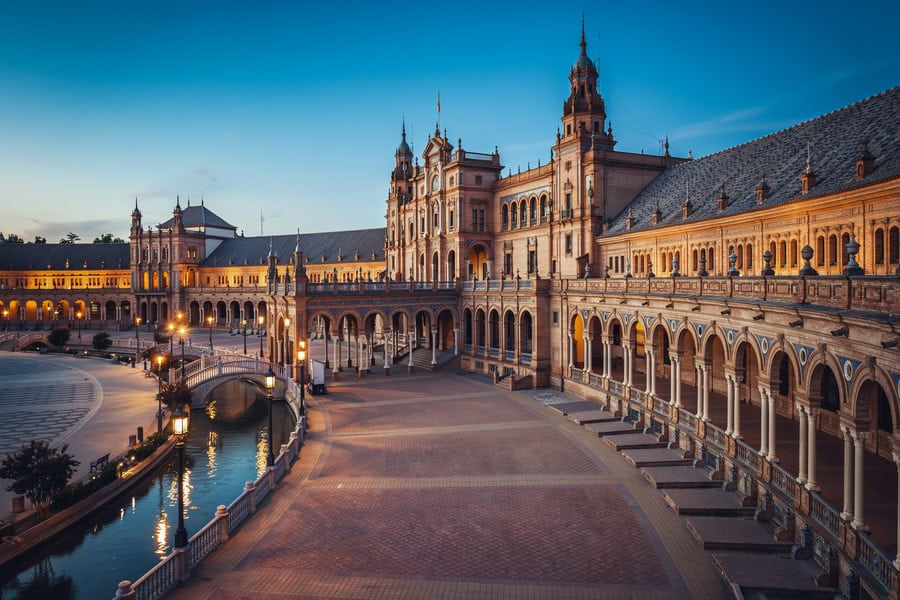
Europe’s tourism balance is shifting sharply as Spain rises ahead of Italy, France and Greece, driven by stronger traveller preference for its diverse coastline, cultural cities and year-round leisure appeal. This change reflects a broader transformation in European travel behaviour, where millions of travellers are increasingly prioritising Mediterranean warmth, accessible city breaks and varied holiday experiences over traditional destination loyalty. As a result, Spain’s growing dominance highlights how Southern Europe is becoming the central hub of continental tourism demand, while Italy, France and Greece continue to remain highly popular but now operate in an increasingly competitive and evolving travel landscape shaped by changing expectations, cost sensitivity, safety concerns and a rising search for more meaningful and less crowded travel experiences.
European tourism is undergoing a powerful transformation as travel demand strengthens across the continent and holiday preferences shift sharply toward Southern destinations. Spain has emerged at the forefront, overtaking Italy, France and Greece in overall traveller preference, signalling a significant realignment in Europe’s tourism hierarchy. The latest patterns of travel intent reveal a continent where sun, sea, culture and affordability are driving decision-making more than ever before.
Travellers across Europe are showing renewed enthusiasm for international and intra-regional trips, with strong intentions to travel during the peak holiday window. While traditional favourites continue to attract millions, Spain’s growing appeal has placed it in a leading position, reinforcing its dominance in beach tourism, cultural exploration and urban leisure travel. Italy, France and Greece remain powerful tourism magnets, yet shifting preferences indicate increasing competition among Mediterranean destinations.
This change reflects broader travel behaviour evolution, shaped by safety concerns, cost pressures, climate awareness and a growing appetite for authentic experiences beyond overcrowded hotspots.
Advertisement
Advertisement
Spain Strengthens Its Position as Europe’s Leading Travel Magnet
Spain has firmly positioned itself as the most sought-after destination in Europe’s evolving tourism landscape. Its appeal continues to expand across beach resorts, heritage cities and island escapes. From Barcelona’s architectural charm to Andalusia’s cultural depth and the Balearic Islands’ coastal luxury, Spain offers a diversified travel experience that resonates strongly with modern travellers.
The country benefits from a well-developed tourism ecosystem, offering seamless connectivity, high-quality accommodation and year-round travel opportunities. Its warm climate remains a decisive factor for travellers seeking reliable sun destinations, especially during peak travel seasons.
Advertisement
Advertisement
Spain’s dominance is also reinforced by its ability to balance mass tourism with niche experiences. While iconic destinations attract large crowds, emerging regions within the country are gaining attention from travellers seeking quieter and more authentic experiences. This dual appeal strengthens Spain’s position ahead of Italy, France and Greece in overall travel demand.
Italy Remains a Cultural Powerhouse Despite Rising Competition
Italy continues to hold a strong position in European tourism, driven by its unmatched cultural heritage, historic cities and world-renowned cuisine. Cities such as Rome, Venice, Florence and Milan remain essential stops for international travellers seeking art, architecture and history.
Advertisement
Advertisement
Despite Spain’s lead, Italy maintains a powerful emotional connection with tourists. Its appeal lies in its diversity, offering everything from alpine landscapes in the north to Mediterranean coastlines in the south. However, increasing tourist congestion in major cities has influenced travel preferences, pushing some visitors to explore lesser-known Italian regions.
Rural destinations, wine regions and coastal towns are gaining traction as travellers look for more relaxed and immersive experiences. Italy’s tourism strategy is gradually shifting toward managing visitor flow and promoting regional diversity to maintain its global competitiveness.
France Retains Global Appeal Through Culture, City Breaks and Heritage Tourism
France continues to stand as one of Europe’s most visited and influential travel destinations. Paris remains a global tourism capital, attracting millions of visitors with its iconic landmarks, museums and romantic city atmosphere. Beyond Paris, regions such as Provence, the French Riviera and Bordeaux continue to attract travellers seeking luxury, gastronomy and scenic landscapes.
France’s tourism strength lies in its cultural depth and variety of experiences. From alpine ski resorts to Mediterranean beaches, the country offers year-round tourism appeal. However, rising interest in alternative destinations across Europe has slightly diversified traveller flows.
Advertisement
Advertisement
While France remains highly competitive, it now faces stronger regional competition from Spain’s coastal dominance and Italy’s cultural depth. Nevertheless, France continues to attract travellers seeking premium experiences, especially in luxury travel, fashion tourism and culinary exploration.
Greece Maintains Strong Mediterranean Appeal with Island Tourism Growth
Greece remains a cornerstone of Mediterranean tourism, with its islands and historical heritage continuing to attract global travellers. Destinations such as Santorini, Mykonos, Crete and Rhodes are widely recognised for their scenic beauty, whitewashed architecture and crystal-clear waters.
The country’s tourism appeal is strongly linked to its island-hopping experience, combining relaxation, culture and natural beauty. Athens also contributes significantly through its archaeological significance and urban tourism appeal.
However, Greece faces increasing pressure from competing Mediterranean destinations, particularly Spain and Italy, which offer broader infrastructure and larger tourism capacity. Despite this, Greece continues to perform strongly in the premium leisure segment, particularly among travellers seeking luxury stays and scenic coastal experiences.
Its ability to balance heritage tourism with modern hospitality development ensures its continued relevance in Europe’s competitive tourism landscape.
Mediterranean Europe Becomes the Epicentre of Travel Demand
Southern Europe has emerged as the dominant force in European tourism, with Mediterranean destinations leading traveller preferences. Spain, Italy, France and Greece collectively form the backbone of this regional dominance, attracting millions of visitors seeking sun, culture and coastal experiences.
Advertisement
Advertisement
The Mediterranean region benefits from a unique combination of climate, geography and cultural richness. Warm weather conditions, accessible coastlines and historic cities make it an ideal year-round destination for European and international travellers.
This regional concentration of demand has also created challenges, including overcrowding in popular destinations and increasing pressure on local infrastructure. As a result, travellers are gradually expanding their interest toward secondary destinations within the same countries, redistributing tourism flows across less crowded areas.
The Mediterranean’s continued dominance reflects its unmatched ability to offer diverse travel experiences within relatively short distances.
Growing Shift Toward Hidden Gems and Lesser-Known Destinations
A notable trend reshaping European tourism is the increasing preference for lesser-known destinations. While Spain, Italy, France and Greece remain dominant, many travellers are actively seeking alternatives to avoid overcrowding and enhance travel authenticity.
Smaller towns, rural regions and emerging coastal areas are gaining attention across Europe. This shift is driven by a desire for more peaceful travel experiences, lower costs and unique cultural immersion.
Countries across Europe are responding by promoting regional tourism beyond major cities. This strategy is helping distribute visitor numbers more evenly and reduce pressure on traditional hotspots.
Advertisement
Advertisement
The rise of hidden gem tourism reflects a broader behavioural change, where travellers prioritise experience quality over destination popularity.
Key Drivers Behind Europe’s Changing Travel Behaviour
Several interconnected factors are influencing travel decisions across Europe. Safety has become a primary concern, with travellers carefully evaluating destinations before booking. Economic pressures are also shaping behaviour, as rising travel costs encourage more selective spending.
Climate awareness is another important factor. Travellers are increasingly considering weather conditions, avoiding extreme heat and adjusting travel plans based on seasonal comfort. Environmental awareness is gradually influencing destination selection, particularly among younger travellers.
Geopolitical developments are also impacting sentiment, with global uncertainties affecting confidence in certain regions. Despite these challenges, demand for travel remains strong, demonstrating Europe’s deep cultural connection to tourism.
Air travel continues to dominate as the preferred mode of transport, supporting the continent’s highly integrated tourism network.
Seasonal Travel Patterns and Spending Stability Across Europe
Summer remains the most popular travel season in Europe, with peak demand concentrated between June and September. This period continues to drive high occupancy rates across hotels, resorts and airlines, particularly in Mediterranean destinations.
Advertisement
Advertisement
Travel budgets remain relatively stable despite economic pressure. Most travellers allocate mid-range spending for accommodation, food and activities, indicating a balanced approach between cost control and experience quality.
Short breaks and multiple holidays within a single travel season are becoming increasingly common, reflecting a shift toward frequent but shorter trips.
This evolving travel pattern supports sustained demand across Europe’s tourism sector throughout the year.
Europe’s tourism landscape is undergoing a clear transformation, with Spain emerging as the leading destination ahead of Italy, France and Greece. The shift reflects broader changes in traveller behaviour, where experience, climate, affordability and accessibility are shaping decisions more than traditional destination loyalty.
While Italy, France and Greece continue to remain strong global tourism players, Spain’s rise highlights the increasing importance of diversified tourism offerings and year-round appeal.
Spain has overtaken Italy, France and Greece in European travel preference because travellers are increasingly choosing its stronger mix of affordable beach tourism, cultural cities, reliable climate and diverse year-round holiday experiences.
Mediterranean Europe remains the heart of global travel demand, but the growing interest in hidden gems and alternative destinations signals a more balanced future for European tourism. The continent is entering a new phase where competition, sustainability and traveller expectations will define its tourism success in the years ahead.
Advertisement
