
Warsaw Aligns with Budapest and Bucharest on Closer Schengen Visa Checks

Published
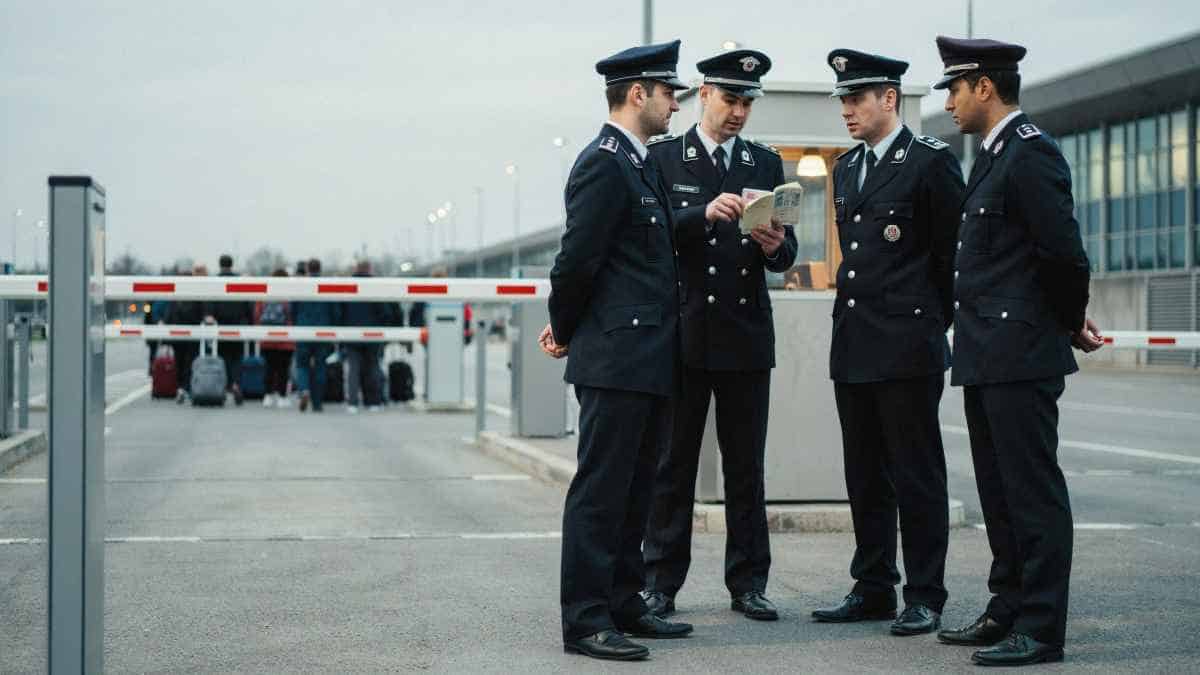
Image generated with Ai
Warsaw, Budapest, and Bucharest are some of the key entry points for individuals who are planning on entering the Schengen zone this coming autumn, as travellers continue to be questioned on the stated reason for travel, documents provided, and the duration of stay. For people travelling from visa-requiring nations, accommodation, transport, and travel information will continue to be vital to the process.
Digital Systems Are Changing European Border Checks
The European Union has expanded the use of interconnected digital systems for visa and border management. The Visa Information System, or VIS, allows Schengen countries to exchange visa application information and enables authorities at external border crossing points to verify visa holders and their identity. Biometric information collected during applications can also be checked at the border.
The Entry/Exit System, meanwhile, became fully operational at external Schengen border crossing points on 10 April 2026. The system records information including travel-document details, fingerprints and facial images for non-EU nationals travelling for short stays.
For international travellers, these developments mean that the journey from visa application to arrival is increasingly connected through digital records.
Advertisement
Advertisement
Travel Plans Need To Match The Application
Schengen visa rules already require applicants to provide evidence supporting the purpose and conditions of their intended stay. Under the EU Visa Code, a visa can be refused where applicants do not provide adequate justification for their trip or where authorities have reasonable doubts about the authenticity of supporting documents, their contents, the reliability of statements or the applicant’s intention to leave the Schengen Area before the visa expires.
Advertisement
Advertisement
This makes consistency particularly relevant for autumn travellers.
An applicant describing a multi-city holiday should ensure that the accommodation, transport and itinerary presented with the application correspond with the proposed journey. Changes to plans can happen after a visa has been issued, but travellers remain responsible for meeting the entry conditions when they arrive.
Accommodation Remains Part Of The Travel Story
Hotel and accommodation bookings can form part of the evidence used to demonstrate the purpose and conditions of a proposed stay. For tourism travellers, these details can help establish where they intend to stay and how their itinerary is structured.
Travellers moving between several European destinations may therefore need to keep their documentation organised, particularly when their trip involves multiple hotels, trains or domestic flights.
For a journey beginning in Warsaw, for example, a traveller may continue towards Kraków, Prague or Budapest. Someone entering through Budapest might combine the Hungarian capital with Vienna, Bratislava or other destinations. Bucharest can similarly form the starting point for journeys across Romania and onwards into neighbouring European countries.
Advertisement
Advertisement
Border Entry Is Separate From Visa Approval
A Schengen visa does not automatically guarantee entry. At the external border, travellers must still satisfy the conditions for admission.
The Schengen Borders Code provides that third-country nationals must meet the applicable entry conditions, including having a valid travel document and, where required, a valid visa. Travellers can also be required to demonstrate the purpose and conditions of their stay and sufficient means for the duration of the visit and return journey.
Border authorities can refuse entry when the required conditions are not met, with the decision and reasons provided under the applicable procedures.
For tourism, this distinction is important because obtaining a visa and completing the border check are two separate stages of the journey.
Europe’s New Digital Travel Environment
The EU is continuing to develop a broader digital infrastructure connecting immigration, visa and border systems.
Advertisement
Advertisement
A European Commission report published in September 2026 identifies the Entry/Exit System, ETIAS, the Schengen Information System, the Visa Information System and other EU databases as part of the interoperability framework being developed for security, border and migration management.
The revised Visa Information System is also designed to improve information exchange and automate queries across relevant EU databases. The European Commission says the future interoperability framework is intended to allow multiple databases to be searched through a central process.
What This Means For Autumn Tourism
For international holidaymakers, the practical impact is largely about maintaining accurate and consistent travel documentation.
A traveller planning an autumn trip through Central or Eastern Europe may need to manage flights, rail tickets, hotel bookings and multiple destinations. Keeping those arrangements aligned with the declared purpose of travel can help ensure that the documentation accurately reflects the intended journey.
Rail travel is particularly relevant for travellers moving between European capitals. Warsaw, Budapest and Bucharest are connected to wider regional networks, allowing visitors to combine city breaks with journeys into neighbouring countries.
Travellers Face A More Connected Process
There has been an increased reliance on digital border technologies within Europe’s tourism framework, combining data gathered through the visa application process with processes carried out on international trips. For tourists planning a trip to the Schengen Zone this autumn season, the most important point to remember is that paperwork must correspond with the trip being planned, while tourists themselves have to be ready to comply with the entry requirements at the moment of arriving at the external border. When handling international tourists coming in this autumn season, Warsaw, Budapest and Bucharest will face the additional challenge of using modern digital visa and border management technology.
Advertisement
