
Influencer Marketing Is Now Transforming Nature Trails and Outdoor Tourism across the US

Published
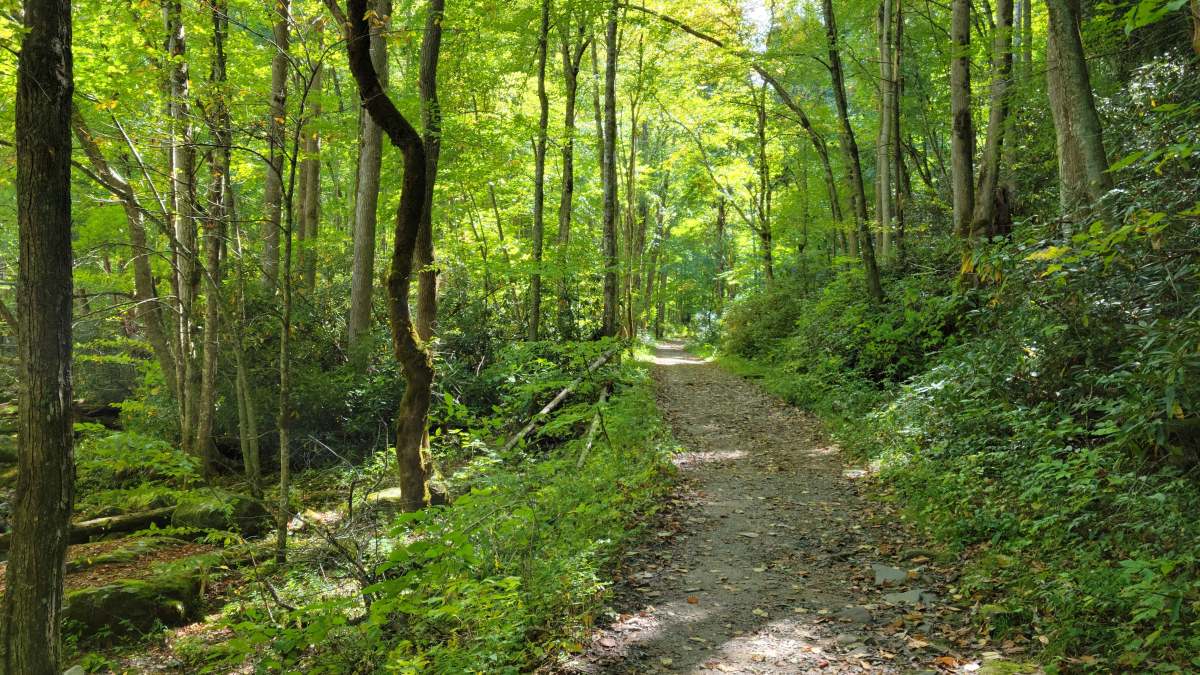
Influencer Marketing Is Now Transforming Nature Trails and Outdoor Tourism across the US, creating a powerful shift in how travellers discover natural landscapes. Today, digital creators and online communities influence decisions by showcasing scenic routes, hidden trails and unforgettable outdoor experiences. Moreover, this growing trend is transforming traditional tourism promotion across the US by connecting visitors with unique destinations through authentic storytelling. Nature trails are gaining fresh attention as influencer marketing introduces more people to outdoor adventures. However, this transformation also requires responsible tourism practices to protect fragile environments. As social media continues to expand, outdoor tourism is entering a new era where visibility, conservation and visitor management must work together.
Could influencer marketing become the biggest driver of growth for nature trails and outdoor tourism?
Nature trails and outdoor destinations are entering a new digital era where a single photograph, short video or creator recommendation can transform an unknown landscape into a global attraction. Influencer marketing has become a powerful force because travellers increasingly discover hiking routes, forests, mountains and protected areas through social media platforms rather than traditional travel brochures.
Research examining sustainable tourism communication shows that social media plays an important role in shaping destination perceptions, environmental awareness and visitor decisions. Digital content can influence how travellers view natural destinations and whether they consider them worth visiting.
For tourism boards and rural communities, this shift creates major opportunities. Influencers can introduce lesser-known trails to international audiences, support local businesses and encourage people to explore outdoor experiences. Small destinations that previously lacked global recognition can now compete with famous tourism locations through compelling visual storytelling.
Advertisement
Advertisement
The impact is particularly strong in nature tourism because landscapes are highly visual. Scenic viewpoints, waterfalls, forests, coastal paths and mountain trails naturally perform well on image-based platforms. As online engagement increases, travel interest often follows.
A review of research covering social media use in parks and protected areas found that digital platforms are increasingly used to understand visitor behaviour, recreation patterns and destination popularity. The review analysed 53 studies across 23 countries, showing how social media has become a valuable source of tourism intelligence.
Advertisement
Advertisement
However, this digital influence creates a responsibility for destinations. Greater visibility must be balanced with conservation measures to ensure that increased tourism does not damage the natural attractions that bring visitors in the first place.
Why are governments and conservation authorities paying closer attention to social media-driven tourism?
Government agencies responsible for forests, parks and protected landscapes are increasingly recognising that social media affects visitor movement and destination pressure.
Advertisement
Advertisement
Traditional tourism monitoring often relies on visitor counts, surveys and ticketing information. Social media provides a faster view of changing travel trends by showing where visitors are interested in going before large increases appear in official statistics.
Research into protected areas has shown that social media platforms can help managers understand visitor experiences, identify popular locations and analyse recreation patterns. Platforms using location-based information can reveal where visitors gather and which attractions receive growing attention.
This information allows authorities to improve planning through:
- better trail maintenance;
- visitor-flow management;
- safety communication;
- conservation campaigns;
- promotion of alternative attractions.
The rise of influencer marketing also encourages governments to rethink destination promotion. Instead of simply attracting more visitors, many destinations are moving towards responsible tourism strategies that encourage visitors to respect ecosystems and local communities.
Advertisement
Advertisement
Social media campaigns can also support environmental education. Influencers who promote responsible hiking, wildlife protection and sustainable travel practices can become important communication partners for conservation agencies.
The challenge is ensuring that online promotion does not focus only on popularity. A location becoming famous overnight may not have the infrastructure required to handle large visitor numbers.
Can viral travel content damage fragile natural environments?
While influencer marketing creates economic benefits, it can also increase environmental risks. The most attractive natural locations often become the most vulnerable because visitors want to recreate popular images shared online.
Research examining Instagram’s influence on conservation found that posts can change the popularity of natural locations and contribute to increased visitation, potentially leading to overcrowding.
The effects can include:
- soil erosion;
- vegetation damage;
- unofficial trail creation;
- litter problems;
- wildlife disturbance.
A remote hiking path designed for limited visitors may experience severe pressure when thousands of people arrive after a viral campaign.
Advertisement
Advertisement
One major issue is visitor concentration. Influencer content usually highlights specific viewpoints or “must-see” locations rather than distributing travellers across an entire region. This can create overcrowding at a small number of fragile sites.
The debate around geotagging has become increasingly important. Sharing exact locations can help travellers discover destinations, but it can also expose sensitive landscapes to sudden visitor surges. Conservation groups have warned that irresponsible promotion of fragile areas can contribute to environmental damage.
For this reason, many tourism organisations are encouraging influencers to include safety guidance, conservation messages and responsible travel advice alongside attractive imagery.
How can influencer marketing support sustainable outdoor tourism?
The future of influencer marketing in nature tourism will depend on responsible partnerships between creators, governments and conservation organisations.
When managed correctly, influencers can promote sustainable behaviour by encouraging visitors to:
- remain on marked trails;
- avoid disturbing wildlife;
- respect local regulations;
- reduce waste;
- support local communities.
Research on sustainable tourism promotion shows that influencer communication can positively affect destination selection and shape perceptions of environmentally responsible travel experiences.
Advertisement
Advertisement
Tourism authorities are also exploring new ways to use digital platforms strategically. Instead of encouraging visitors to visit only famous locations, destinations can use influencers to highlight alternative trails, seasonal experiences and lesser-known natural attractions.
This approach can spread tourism benefits more evenly while reducing pressure on heavily visited areas.
Some destinations are already investing directly in influencer partnerships. Tourism Tasmania, for example, has used influencer campaigns to promote nature-based tourism experiences, while also recognising the need for safety measures and responsible content creation in sensitive environments.
The objective is no longer simply attracting more visitors. The focus is becoming attracting the right visitors while protecting natural resources.
What does the future hold for influencers, nature trails and outdoor tourism?
Influencer marketing will continue to shape outdoor tourism as travellers increasingly seek authentic experiences through digital platforms. Nature destinations will remain highly attractive because they provide the visual and emotional storytelling that performs strongly online.
However, the future success of this model depends on balance.
Advertisement
Advertisement
Destinations must combine digital promotion with:
- visitor capacity planning;
- environmental monitoring;
- conservation education;
- responsible influencer partnerships;
- sustainable infrastructure.
The evidence shows that influencer marketing is neither entirely beneficial nor harmful. It is a powerful tourism tool that can strengthen rural economies and inspire environmental appreciation, but it requires careful management.
As outdoor tourism grows, governments and tourism organisations will need to treat social media not only as a marketing channel but also as a visitor-management resource. The destinations that succeed will be those that transform online attention into sustainable experiences without sacrificing the natural landscapes that created the attraction.
Advertisement
