
Nigeria Joins Morocco, South Africa, Kenya, Ghana, Benin, Côte d’Ivoire and More Countries to Unlock Hidden Wealth Through Tourism, Hospitality, and Creative Economy Goldmines That Power Economic Diversification and Sustainable Growth

Published
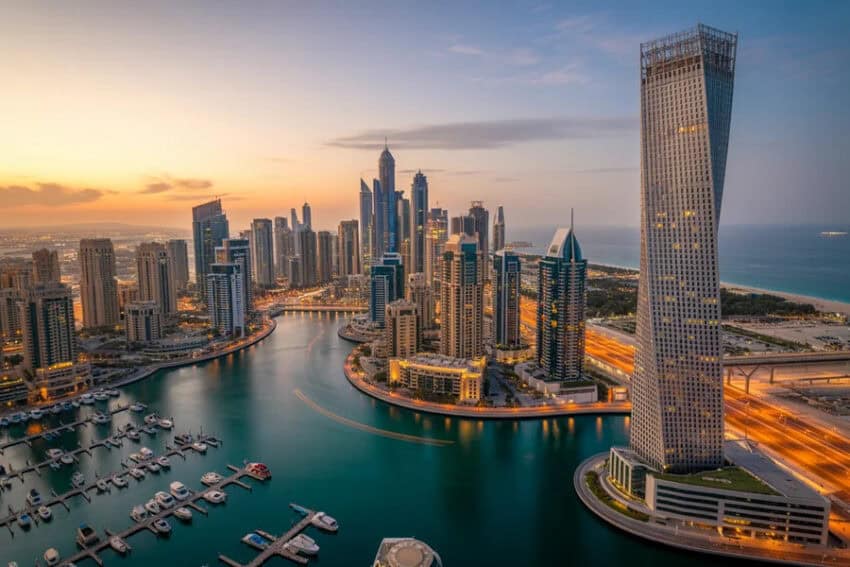
Nigeria is rapidly positioning itself alongside Morocco, South Africa, Kenya, Ghana, Benin, Côte d’Ivoire and other leading African nations as a major hub for tourism-driven economic transformation. By establishing the National Tourism Council, the Nigerian government is standardising tourism governance, creating a comprehensive digital registry of cultural, historical, and ecological assets, and enabling technology-driven investment in hospitality, eco-tourism, and transport infrastructure. This strategic initiative integrates digital innovation, immersive experiences, and community participation to enhance international appeal, attract foreign direct investment, and expand the creative economy, thereby diversifying Nigeria’s revenue sources and fostering sustainable long-term growth .
Tourism is no longer just a leisure activity. Across Africa, governments are reimagining tourism, hospitality, and creative industries as engines of economic growth, investment attraction, and job creation. Countries including Nigeria, Morocco, South Africa, Kenya, Ghana, Benin, and Côte d’Ivoire are strategically repositioning their tourism sectors as high-value investment frontiers capable of generating multi-billion-dollar revenue streams and fostering sustainable development.
This new approach reflects a continent-wide recognition that tourism, when structured effectively, links infrastructure development, real estate, small and medium enterprise (SME) growth, and creative industries into a unified economic ecosystem. Rather than being treated as fragmented leisure activities, tourism assets are now seen as critical drivers of long-term economic stability and diversification.
Countries Leading Africa’s Tourism Investment Frontier
Nigeria
Nigeria is unlocking tourism as a major investment opportunity. Rich cultural diversity, natural landscapes, heritage sites, and urban attractions are now central to the federal and state strategy. The government is implementing policies designed to integrate tourism with economic diversification, private capital mobilisation, and SME growth. Strategic initiatives include infrastructure investment, hospitality expansion, and the formalisation of informal creative enterprises. Lagos, in particular, is emerging as a hub where entertainment, hospitality, and creative industries converge, transforming cultural assets into structured economic opportunities for small and medium enterprises.
Advertisement
Advertisement
Morocco
Morocco has long recognised the economic potential of tourism. Its strategy involves expanding hospitality infrastructure, developing cultural and natural attractions, and enhancing international accessibility. Investment in hotels, resorts, heritage sites, and eco-tourism initiatives is driving the sector’s growth. Morocco treats tourism as a multi-dimensional economic engine, generating jobs, foreign exchange, and opportunities for private-sector engagement across creative, culinary, and service industries.
🇿🇦 South Africa
South Africa leverages its diverse landscapes, wildlife, and cultural heritage to build tourism as a cornerstone of economic growth. The government actively promotes integrated tourism development, linking hospitality, local enterprises, and regional attractions into a coherent investment ecosystem. Efforts focus on infrastructure improvements, business-friendly regulations, and supporting SMEs in tourism-related services such as event management, arts, and entertainment. Tourism is increasingly seen as a vehicle for job creation and urban revitalisation in major cities and rural areas alike.
Advertisement
Advertisement
Kenya
Kenya’s tourism strategy is centered on wildlife, nature, and cultural heritage. The country is expanding its hospitality and creative sectors, strengthening domestic tourism, and diversifying its offerings to attract international investment. By coordinating national and county-level initiatives, Kenya is building a framework that supports SMEs, infrastructure development, and sustainable tourism practices. The creative economy, including film, music, and crafts, is becoming integral to the country’s tourism value chain.
Ghana
Ghana has positioned cultural heritage and diaspora engagement as key drivers of tourism investment. Initiatives are focused on developing historical sites, festivals, and creative industries as sustainable revenue streams. By connecting tourism to hospitality, SMEs, and creative enterprises, Ghana is turning leisure activities into formal economic opportunities. Investment frameworks include enhancing infrastructure, improving visitor experience, and supporting small businesses operating within cultural and entertainment ecosystems.
Benin
Benin’s tourism potential is being harnessed through strategic development of cultural heritage, historic sites, and eco-tourism projects. The government is working to attract private capital to develop hotels, leisure infrastructure, and creative industries. Efforts focus on transforming informal cultural enterprises into structured economic activities, integrating tourism development with infrastructure and SME support to maximise returns and economic diversification.
Côte d’Ivoire
Côte d’Ivoire is actively promoting tourism as a key pillar of national economic strategy. By developing coastal, cultural, and urban attractions, the country aims to generate jobs, stimulate private investment, and support creative industries. Tourism initiatives include infrastructure expansion, hospitality improvements, and coordinated regional promotion. SMEs benefit from structured programmes linking cultural heritage, events, and hospitality services, contributing to inclusive growth and sustainable economic development.
Key Strategies Across These Countries
Across Nigeria, Morocco, South Africa, Kenya, Ghana, Benin, and Côte d’Ivoire, governments are applying common strategies to strengthen tourism as a high-value economic sector:
- Tourism as an Investment Frontier: Tourism is now treated as a multi-billion-dollar investment opportunity rather than solely a cultural or leisure activity.
- Infrastructure Integration: Airports, roads, and urban planning are being aligned with tourism development to enable accessibility and attract private capital.
- SME and Creative Economy Integration: Small and medium-sized enterprises, along with creative industries such as music, arts, and crafts, are central to tourism value chains.
- Cultural Heritage Promotion: Governments leverage historical, cultural, and natural assets to differentiate offerings and boost international appeal.
- Sustainable Tourism Practices: Environmental conservation, eco-tourism, and responsible development are becoming mandatory components of tourism policy.
- Public-Private Partnerships: Collaboration between governments and investors ensures risk-sharing, capital mobilisation, and efficient delivery of tourism infrastructure.
- Year-Round Tourism Readiness: Countries are focusing on consistent visitor experiences across seasons to maximise economic benefits and employment opportunities.
Economic Impact and Growth Opportunities
Tourism contributes significantly to GDP, foreign exchange, and employment in these nations:
Advertisement
Advertisement
- Revenue Generation: Tourism-related investments in hospitality, creative industries, and infrastructure are driving multi-billion-dollar revenues.
- Job Creation: Employment in hotels, cultural enterprises, events, and leisure services is expanding rapidly, supporting both formal and informal economies.
- Private Capital Influx: Structured policies and investment frameworks attract both domestic and international investors, reinforcing economic resilience.
- Urban and Regional Development: Tourism investment encourages city planning, real estate development, and regional connectivity, creating integrated economic ecosystems.
These economic benefits demonstrate how tourism, hospitality, and creative industries can serve as reliable instruments for long-term national development and diversification.
Future Prospects
The strategic positioning of tourism as an investment sector allows these countries to:
- Expand cross-border tourism and regional collaboration.
- Enhance the visibility of cultural and creative industries.
- Build resilient urban and rural economic ecosystems.
- Strengthen SMEs by formalising informal cultural and entertainment businesses.
- Increase foreign direct investment and private sector participation.
- Promote sustainability and environmental protection while generating economic value.
- Maximise employment opportunities across all segments of the tourism and hospitality value chain.
By leveraging these strategies, Nigeria, Morocco, South Africa, Kenya, Ghana, Benin, and Côte d’Ivoire are collectively shaping a continental model where tourism drives both economic growth and social development.
Tourism in Africa is no longer limited to scenic sites or cultural festivals; it has become a structured investment frontier capable of unlocking multi-billion-dollar opportunities. Countries such as Nigeria, Morocco, South Africa, Kenya, Ghana, Benin, and Côte d’Ivoire are leading this transformation by integrating hospitality, creative industries, SME development, and infrastructure into coherent economic strategies.
Nigeria is joining Morocco, South Africa, Kenya, Ghana, Benin, Côte d’Ivoire and other African leaders in harnessing tourism, hospitality, and creative industries to diversify its economy, attract foreign investment, and drive sustainable growth through digital innovation and community-driven development.
This approach ensures that tourism generates measurable economic value, creates sustainable employment, attracts private capital, and drives long-term national growth. With strategic planning and coordinated investment, Africa’s tourism sector is poised to become a powerful engine for economic diversification and prosperity for decades to come.
Advertisement
