

Romania Joins France and More as New Airbus H225M Defence Deal Strengthens Brașov Aerospace and Travel Economy

Updated
Published
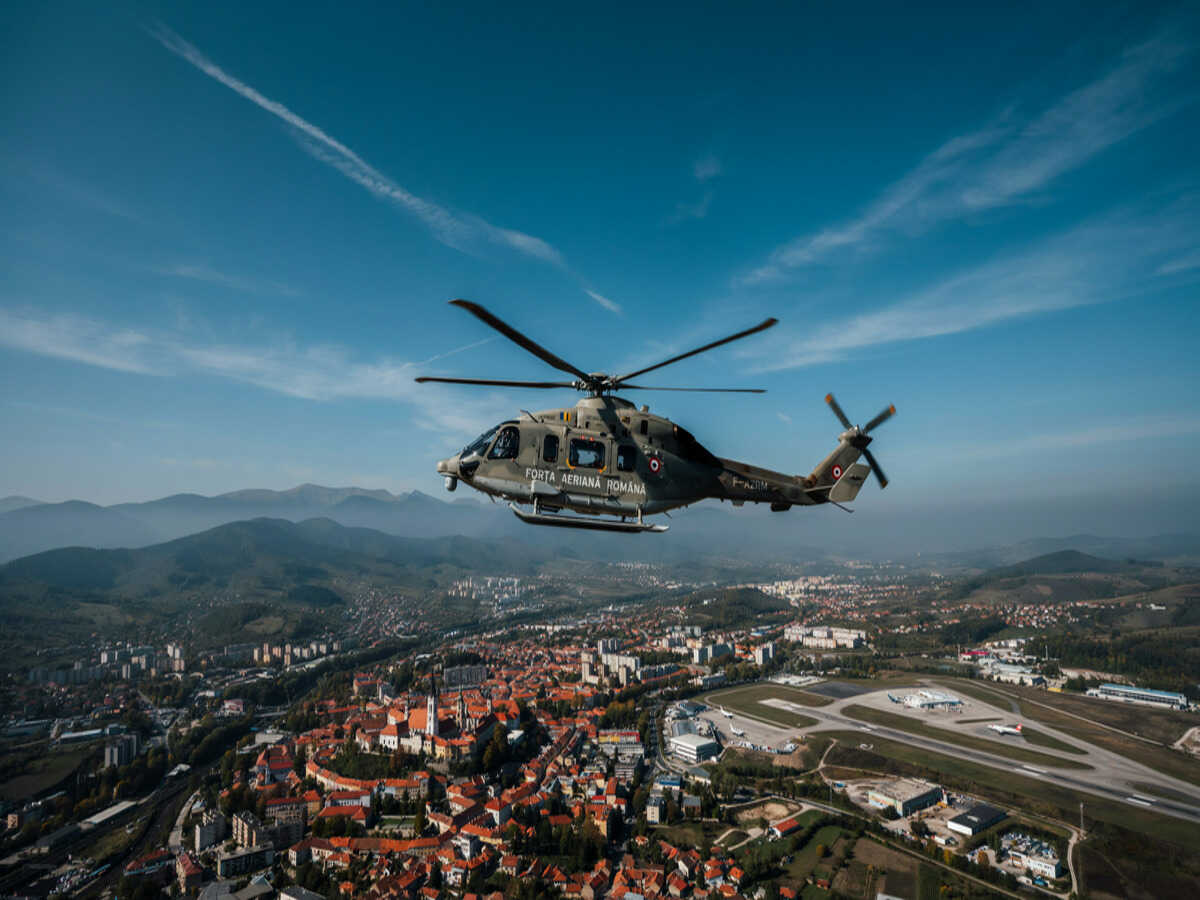
Romania is working on enhancing its defence and aviation relations with France and other countries that operate the H225M helicopters following its signing of a large order worth €757 million for 12 Airbus multirole helicopters. The Romania Airbus H225M defence agreement will go a long way in ensuring the replacement of the aging IAR-330 Puma helicopter fleet as well as creating new dynamics within the country’s aviation sector. Given the involvement of locals in Brașov, the programme can also boost travel business.
Romania has taken a major aviation step by ordering 12 Airbus H225M helicopters under the European Union’s SAFE programme. The deal links Romania more closely with countries such as France, Hungary and the Netherlands that are already part of the H225M community. While these helicopters are for military use, the wider programme could also support Romania’s aviation industry, business travel and the growing aerospace economy around Brașov. Airbus confirmed the Romanian contract on 7 October 2026.
Advertisement
Advertisement
Romania Signs Major €757 Million Airbus H225M Deal
Romania will buy 12 Airbus H225M multirole helicopters through an agreement concluded with France’s Directorate General of Armaments, known as the DGA.
The deal forms part of the European Commission’s Security Action for Europe, or SAFE, programme.
Advertisement
Advertisement
Romania’s Ministry of National Defence says the acquisition order is worth about €757 million. The total approved SAFE project value reaches €852 million when the wider programme costs are included.
The package also covers initial logistics support and training for Romanian personnel. The acquisition order was signed on 17 July 2026. Airbus publicly confirmed the helicopter contract on 7 October.
Advertisement
Advertisement
New Helicopters Will Replace Romania’s Ageing Puma Fleet
The H225M aircraft will start replacing Romania’s long-serving IAR-330 Puma helicopters.
Romania currently operates the IAR-330, a locally built version of the Puma. The new aircraft will support both conventional and special operations.
Romanian authorities say they will perform attack, reconnaissance, surveillance and tactical protection missions. They will also support specialised airborne assault missions during the day and at night.
Romania has previously ordered two H215M helicopters in a naval configuration. The new H225M purchase therefore represents another important step in the country’s wider helicopter modernisation plan.
Romania Joins France, Hungary, Netherlands and a Global H225M Network
The agreement puts Romania into a growing international H225M community.
Airbus lists Brazil, France, Hungary, Indonesia, Iraq, Kuwait, Malaysia, Mexico, Morocco, the Netherlands, Singapore and Thailand among H225M customers.
Advertisement
Advertisement
More than 350 H225 and H225M helicopters are already in service worldwide. Together, these aircraft have recorded more than one million flight hours.
For Romania, joining this network means deeper links with a large international aerospace system. These links can involve training, maintenance, engineering, supply chains and technical cooperation.
Such activity matters beyond defence. It can also generate regular movement of engineers, specialists and company representatives between Romania and international aviation centres.
Brașov Could Gain From New Aerospace Business Travel
The strongest travel link from this military deal can be found in Brașov.
Romania’s Ministry of National Defence says IAR Brașov will contribute around 15% of the entire joint H225M acquisition programme.
This is important.
Advertisement
Advertisement
It means part of the programme will have a direct Romanian industrial role. Airbus also has an established presence in Brașov.
Its local operations work on helicopter maintenance, repair and modernisation. Airbus Aerostructures also manufactures aircraft parts in the city.
Airbus describes Romania as its fifth-largest footprint in Europe. Its Brașov aerostructures operation had grown to more than 1,000 employees by 2024.
This can create a stronger reason for international aerospace professionals to travel to Brașov.
Engineers may need to visit. Trainers may arrive. Suppliers can hold meetings. Officials can travel for inspections. Technical teams may also spend time in the region.
These visitors need hotels, food, transport and other local services.
Advertisement
Advertisement
There is no official forecast showing exactly how many travellers the H225M programme will bring. However, its industrial role gives Brașov a clear opportunity to grow as a specialised business-travel destination.
Brașov Airport Adds an Important Travel Advantage
Brașov already has something that can help this aviation economy grow: its own international airport.
Brașov-Ghimbav International Airport sits only around 12 kilometres from Brașov. It is also located in Ghimbav, putting it close to the region’s aviation and industrial activity.
On 7 October 2026, the airport listed flights linking Brașov with Budapest, Naples, London Luton and Dortmund.
Its schedule around the same period also includes routes connecting the region with destinations such as Rome, Milan, Warsaw and Katowice.
That international access can make Brașov easier to reach for workers, engineers, investors and business visitors connected with the growing aerospace sector.
Advertisement
Advertisement
The helicopter contract itself does not create new passenger routes. But a stronger industrial base can create more demand for travel over time.
Business Visitors Can Also Support Romania’s Tourism Economy
Business travel often spreads money beyond an office or factory.
A specialist visiting Brașov may stay for several nights. The visitor needs a hotel, meals and local transport. Some visitors may also spend free time exploring the city and nearby areas.
That creates what the travel industry often calls bleisure travel. It mixes business with leisure.
Brașov is already a major gateway to Transylvania and the Carpathian Mountains. Therefore, extra corporate travel connected with aviation can also create spending opportunities for hotels, restaurants and tourism businesses.
This does not mean the military helicopter order will suddenly create a tourism boom.
Advertisement
Advertisement
Its travel value is more indirect. It strengthens an industry that can bring more international professionals into an already important Romanian visitor destination.
Romania’s Other Airbus Helicopters Could Help Travellers More Directly
Romania has another SAFE-backed Airbus agreement that has an even clearer link to travel safety.
In June 2026, Romania’s Ministry of Internal Affairs ordered seven H160 helicopters and five H145 helicopters.
Four H160 aircraft will support civil protection and disaster relief. Three will be used for public order, surveillance and security missions.
The five H145 helicopters will work with Romania’s SMURD emergency rescue service and mountain rescue operations.
They will support emergency medical flights, medical evacuation and complex search-and-rescue missions.
Advertisement
Advertisement
This matters for tourism.
Romania attracts visitors to mountains, rural regions and outdoor destinations. Stronger search-and-rescue capacity can improve the country’s ability to respond when hikers, residents or other travellers face emergencies.
Romania’s Helicopter Investment Creates a Wider Travel Story
The 12 H225M helicopters are military aircraft. They will not carry tourists or operate passenger flights.
Yet the programme still has an important travel story.
It brings Romania deeper into the European aerospace industry. It gives IAR Brașov a role in a major international helicopter programme. It can support engineering visits, training, supplier activity and business travel.
The acquisition by Romania of the H225M Airbus helicopters worth €757 million is not just an upgrade in the country’s defence capabilities; it enhances the country’s position within the European aerospace industry as well as Brașov’s position within engineering and aviation related business operations. With increased cooperation, Romania may expect increased special flights associated with the aerospace industry. Along with other rescue and emergency helicopter programs, the investment helps develop a robust aviation environment.
Advertisement
