

Apollo Backs EasyJet Takeover With Aircraft Collateral To Protect Low Cost European Holiday Fares

Published
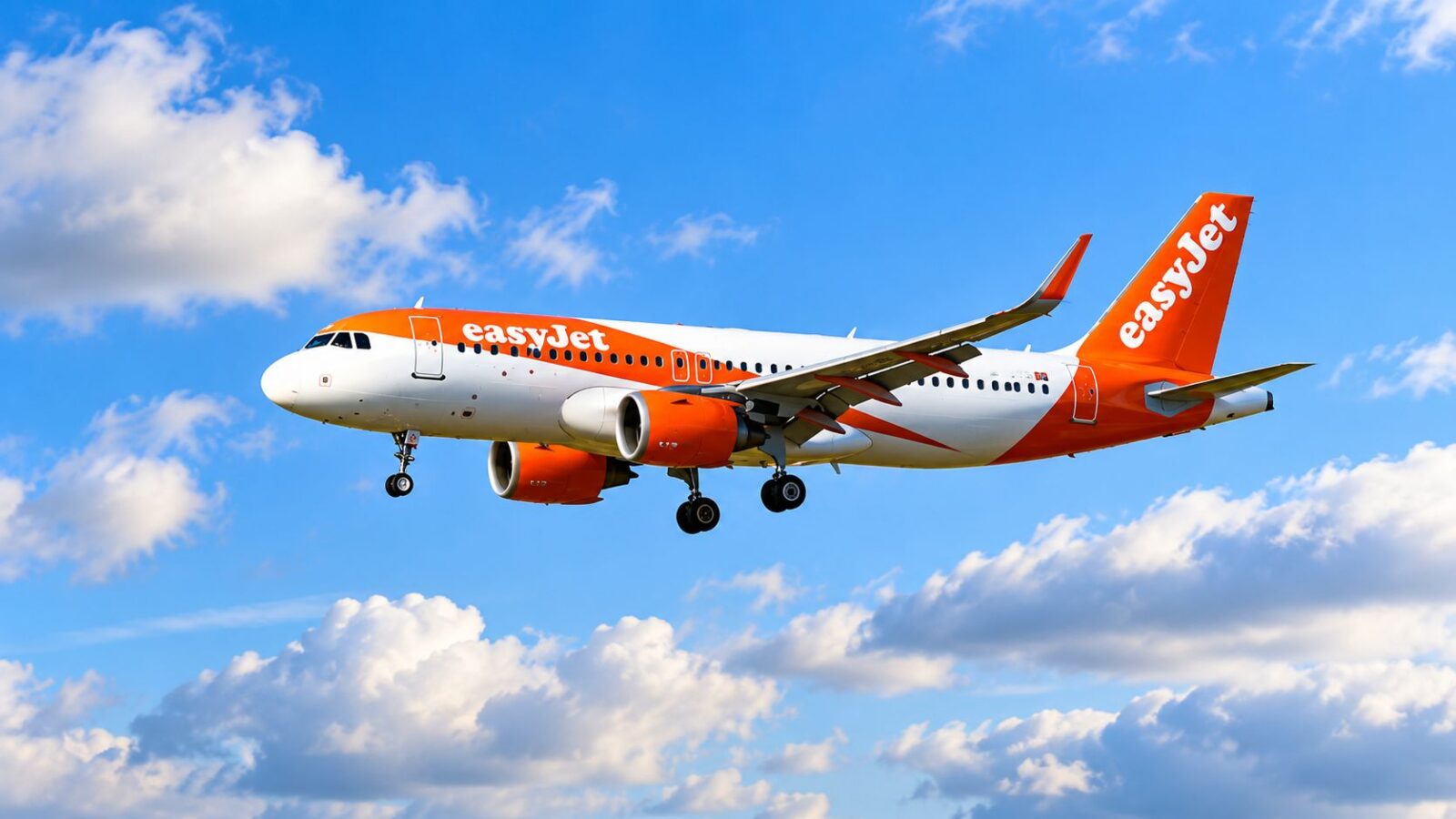
The United Kingdom commercial aviation market has entered a pivotal transition as private equity powerhouse Apollo Global Management restructures the debt framework supporting its proposed acquisition of Luton-based carrier easyJet. By choosing asset-backed financing tied directly to modern passenger planes over costly high-yield bonds, the buyout group is anchoring its financial strategy to physical aeronautical value. This structured funding strategy insulates the airline against volatile debt market yields while preserving essential regional connectivity for millions of British holidaymakers flying out of key departure bases including London Gatwick, Manchester, Edinburgh, and Luton.
For European leisure travellers across key gateways in France, Switzerland, and Italy, the collateral-heavy approach offers critical reassurance ahead of upcoming seasonal getaways. Rather than overburdening the carrier with expensive interest repayments that typically prompt route closures or sudden fare spikes, securing debt against identifiable airframes keeps operational costs low. The resulting financial stability preserves easyJet’s low-cost flight schedules across premier leisure corridors such as Nice, Geneva, and Milan, ensuring that core passenger services and seasonal package holiday commitments continue without service retrenchments.
Securing Low-Cost Holiday Routes Through Asset-Backed Aircraft Collateral
Private equity takeovers in the commercial airline industry often prompt passenger concerns regarding escalating ticket prices, unexpected baggage charge increases, and sudden route cancellations. When airline acquisitions rely heavily on unsecured junk bonds, carriers frequently face crushing interest obligations that force executive teams to trim schedule frequencies, surrender regional services, or cut back on passenger perks. By structuring the debt package against tangible aircraft metal rather than generic company revenue, Apollo substantially lowers borrowing costs and shields easyJet from destabilising balance sheet pressures.
This lower cost of capital directly benefits leisure passengers who rely on economical flight schedules to reach Mediterranean destinations and major European cities. Because the physical aeroplanes serve as the primary security for international lenders, the underlying business maintains the cash reserves needed to operate daily regional services and safeguard its low-cost pricing model. The financing framework also underpins easyJet Holidays, providing the operational certainty necessary to preserve long-term accommodation contracts across Spain, Greece, and Portugal so holidaymakers can book upcoming seasonal trips with confidence.
Advertisement
Advertisement
| Financing Aspect | Aircraft-Backed Debt Mechanism | Unsecured Corporate Bond Route |
|---|---|---|
| Underlying Collateral Base | Identifiable Airbus A320 and A321 fleet assets | General corporate earnings and revenue flows |
| Borrowing Cost Premium | Reduced interest margins via asset security | Higher yields driven by sovereign bond volatility |
| Airline Operational Stability | Protected seat capacity and preserved schedules | Significant debt service drain on annual cash |
| Fleet Investment Programme | Continuous capital for modern, quieter planes | Capital diverted to meet heavy bond coupon payments |
| Passenger Travel Impact | Reliable flight timetables and stable ticket fares | Risk of fare hikes, fee inflation, and dropped routes |
Safeguarding Modern Fleet Upgrades And Vital European Airport Slots
At the centre of easyJet’s long-term commercial strength is an extensive fleet of fuel-efficient Airbus A320neo and A321neo passenger jets, coupled with a dominant portfolio of takeoff and landing slots at primary European hubs. Congested international gateways such as London Gatwick, Milan Malpensa, Amsterdam Schiphol, and Geneva enforce stringent slot usage regulations. Airlines that experience liquidity difficulties risk forfeiting these premium timings under strict regulatory mandates, which directly disrupts passenger connectivity. Dedicated asset funding ensures the carrier retains steady working capital to keep aeroplanes flying and maintain required slot utilisation rates.
Furthermore, financing modern airframes directly advances crucial environmental fleet renewal programmes that benefit eco-conscious travellers and local airport communities alike. Next-generation aircraft deliver substantial double-digit reductions in fuel consumption and acoustic output compared to previous engine variants, lowering carrier liabilities under emissions trading schemes. International lenders favour cleaner aviation assets because modern aircraft retain higher resale values and liquidity. By securing lower loan margins on eco-efficient passenger jets, easyJet can pursue its fleet modernisation targets without transferring carbon compliance expenses onto consumer ticket prices.
Advertisement
Advertisement
Reinforcing Competitive Airline Connectivity Across Premier Continental Hubs
The European budget travel market remains exceptionally competitive, with easyJet operating alongside rivals like Ryanair and Wizz Air while matching network reach against established legacy groups. Unlike budget competitors that frequently serve secondary or remote airfields far from urban destinations, easyJet focuses its flying programme on major city hubs. Maintaining high flight volumes at primary terminals requires continuous balance sheet discipline, and the structured asset-backed debt model provides the capital flexibility required to defend these prominent positions.
This steady financial architecture provides long-term clarity for leisure passengers, business travel organisers, and independent city breakers planning upcoming Continental journeys. Because the airline avoids punitive corporate debt rates, resources can remain dedicated to customer-focused priorities including punctual flight turnarounds, responsive customer care, and digital booking convenience across all primary operating terminals.
Advertisement
Advertisement
Frequently Asked Questions
Why is Apollo using aircraft-backed debt instead of high-yield corporate bonds for easyJet? Securing the debt directly against modern Airbus aircraft provides lenders with hard collateral, lowering credit risk and securing significantly cheaper interest rates than volatile corporate junk bonds.
Will passenger ticket prices increase following this private equity acquisition? Lower debt servicing expenses reduce financial pressure on the carrier, helping easyJet preserve its core low-cost fare structure and prevent sudden increases in ancillary luggage or seat selection charges.
Which international banking institutions helped arrange the initial easyJet bridge facility? The interim debt package was underwritten by leading financial institutions including Barclays, Credit Agricole, Citibank, Standard Chartered Bank, and Lloyds.
Are any regional flight routes or seasonal holiday destinations being cut under the new structure? Because the debt package is linked to productive aeroplanes, the airline is incentivised to keep its fleet flying actively, protecting network frequencies across key UK and European leisure destinations.
Advertisement
Advertisement
How does this financial arrangement affect easyJet package holiday bookings? The tour operating division benefits from sustained balance sheet stability, allowing easyJet Holidays to maintain hotel supplier agreements and fulfil seasonal holiday packages seamlessly.
Why do institutional financiers consider passenger aircraft collateral safer than corporate balance sheets? Airbus narrow-body passenger jets represent highly liquid international assets that can be easily leased, reallocated, or sold across the global aviation market if required.
Does this funding strategy safeguard easyJet takeoff and landing slots at major airports? Yes, maintaining healthy operating cash flow allows the airline to maintain high schedule frequencies and comply fully with strict airport slot usage rules at busy hubs like London Gatwick.
How does asset-backed borrowing help easyJet achieve its fleet decarbonisation targets? Lenders offer favourable borrowing terms for fuel-efficient Airbus neo aircraft that lower carbon emissions, noise levels, and environmental operating costs.
When are lenders expected to replace the interim debt with long-term permanent financing? Underwriting banks are expected to market the permanent aircraft-backed debt structure to institutional investors late this year or in early 2027.
Do existing flight vouchers, customer bookings, and loyalty memberships stay valid? All existing flight reservations, easyJet Plus memberships, and customer flight vouchers remain completely valid and continue to function under normal commercial terms.
Advertisement
