
Legal Challenge Against Music Events at Egypt’s Pyramids Could Impact the Country’s Tourism and UNESCO Heritage Status
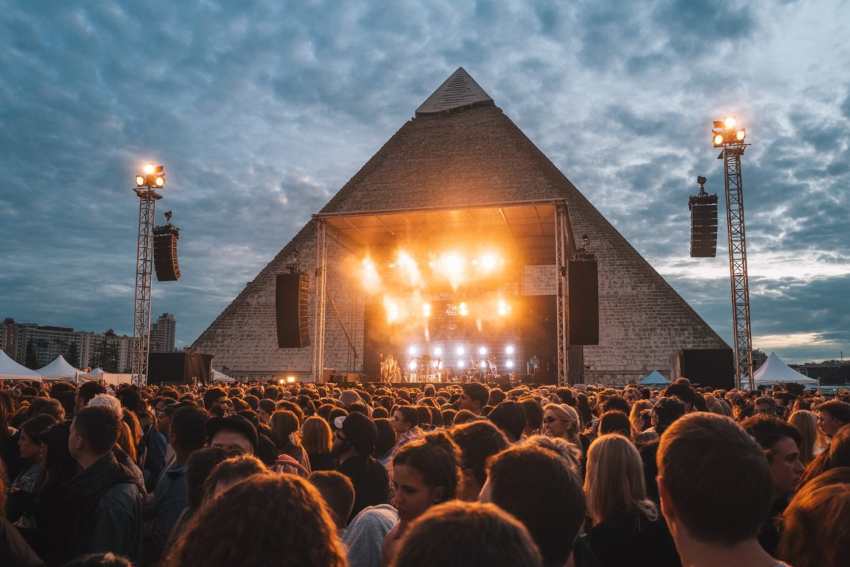 Image generated with Ai
The Pyramids of Giza, one of Egypt’s most famous and ancient landmarks, have been the backdrop for some of the most extraordinary music events in the country’s history. In recent years, massive concerts featuring international artists and DJs have taken place near these iconic structures, blending modern entertainment with ancient heritage. However, this trend may be coming to an end. A new legal challenge could soon bring an end to these large-scale performances, potentially affecting Egypt’s tourism industry and its standing with UNESCO.
The Egyptian Center for Economic and Social Rights (ECESR) has filed a lawsuit against Egypt’s Ministry of Tourism and Antiquities, the Supreme Council of Antiquities, and the Governor of Giza. The lawsuit seeks to halt all large-scale music events at the Pyramids, arguing that these gatherings pose a significant threat to the preservation of the ancient site. The case has gained attention following high-profile concerts that have raised concerns about the impact of such events on the Pyramids’ structural integrity and Egypt’s cultural heritage.
Advertisement
Advertisement
The ECESR Lawsuit: A Challenge to Egypt’s Modern Cultural Events
The legal action filed by the ECESR is driven by concerns over the physical damage that large events may cause to the 4,500-year-old Pyramids. The center argues that the Ministry of Tourism and Antiquities and other authorities have not fulfilled their duty to protect the site, especially considering the increasing frequency and scale of events taking place at the site. Despite repeated warnings, the ECESR asserts that the authorities have turned a blind eye to the potential risks posed by these nighttime concerts.
The events themselves have drawn thousands of people. For instance, a recent performance by DJ Anyma attracted over 15,000 attendees, while other international acts, such as Carl Cox and Keinemusik, have also graced the stage at the Pyramids. However, these performances have raised concerns over their environmental and structural impact, especially in a site of such historical and archaeological significance.
Advertisement
Advertisement
The Risk of Damaging Egypt’s Cultural Heritage
At the heart of the legal challenge is the claim that the sound systems used in these concerts generate vibrations powerful enough to destabilize the ancient stone structures of the Pyramids. The ECESR argues that these vibrations could weaken the structural integrity of the monuments, putting them at risk of long-term damage. In addition to the sound systems, the laser lighting systems used during concerts have also been criticized. The ECESR asserts that these lighting systems fail to meet international standards for heritage sites, which are meant to protect monuments from modern technology that could potentially harm them.
Beyond the technical concerns of sound and lighting, the construction and dismantling of concert stages, along with the movement of large equipment, pose additional risks to the Pyramids. The logistics required for such massive productions involve heavy machinery, which could lead to ground vibrations or disturbances that may negatively affect the stability of the monuments.
Advertisement
Advertisement
The Pyramids of Giza and Egypt’s UNESCO Status
The Pyramids of Giza are not just an iconic symbol of Egypt; they are also an important part of the UNESCO World Heritage list. The UNESCO heritage status is designed to protect and preserve cultural sites of outstanding value to humanity. As such, any activity that threatens the integrity of these sites could have serious consequences for Egypt’s standing with UNESCO. The country risks losing its status as a global leader in heritage preservation if it continues to allow activities that jeopardize its ancient monuments.
Egypt’s tourism sector is heavily reliant on its ancient heritage sites, and the Pyramids are a central attraction for travelers. In 2019, for example, the Pyramids attracted millions of tourists, contributing significantly to Egypt’s economy. However, the ongoing legal challenge and potential ban on large music events could cause a shift in the tourism dynamics, leading to potential concerns for travelers who visit Egypt specifically for such unique experiences.
Advertisement
Advertisement
Tourism is one of Egypt’s most vital industries, accounting for a significant portion of its GDP. The rise of experiential tourism—where travelers seek immersive, once-in-a-lifetime experiences—is a trend that has taken hold globally. Hosting music events at the Pyramids has been part of this trend, attracting high-profile visitors who want to experience Egypt’s culture in a modern and innovative way. If these events are banned, it could lead to a shift in the kinds of experiences Egypt offers to international visitors.
The Impact of the Ban on Egypt’s Tourism Economy
The potential ban on large concerts at the Pyramids could have serious consequences for Egypt’s tourism sector, which has relied heavily on such events to generate revenue and attract high-end tourists. Major concerts, festivals, and music events in locations like the Pyramids have provided opportunities for cultural exchange, media attention, and economic growth. Events like DJ Anyma’s recent performance have made headlines around the world, generating interest in Egypt as a destination that offers both ancient history and modern entertainment.
Without these large events, Egypt could face a decline in the number of luxury tourists and event-goers who come to the country to enjoy its unique blend of ancient history and modern culture. Additionally, the absence of these events may lead to fewer opportunities for Egypt’s younger generation to engage with global culture through music, arts, and entertainment.
However, it is important to note that the legal action is not aimed at eliminating all forms of tourism at the Pyramids. Instead, it focuses on ensuring that the Pyramids’ integrity is protected, with the understanding that Egypt must balance its cultural heritage with the growing demand for modern entertainment and events.
Advertisement
Advertisement
Potential Solutions for Balancing Heritage and Modern Tourism
While the lawsuit highlights the risks of hosting large music events at the Pyramids, it also presents an opportunity to reassess how Egypt can balance its rich cultural history with the desire to modernize and attract global tourism. One potential solution could involve creating alternative venues for large-scale events that are not located directly on the Pyramids site. This would allow Egypt to continue hosting major concerts and festivals while minimizing the risk of damaging the monuments.
Additionally, specialized guidelines could be developed for hosting events at cultural and heritage sites, ensuring that they meet international preservation standards. This could involve using sound systems that limit vibrations, implementing stricter lighting regulations, and ensuring that all equipment used for such events is tested for compatibility with the preservation of ancient sites.
Another option is to increase collaboration between the tourism and heritage preservation sectors, allowing for a more integrated approach to cultural tourism. By working with experts, artists, and event organizers, Egypt could create experiences that offer modern entertainment while still respecting and preserving the country’s rich heritage.
The Global Debate on Cultural Preservation and Tourism
Egypt is not the only country grappling with the balance between preserving cultural heritage and expanding tourism. Around the world, sites like the Colosseum in Rome, the Great Wall of China, and Machu Picchu in Peru have faced similar challenges, with tourism often threatening the very integrity of these cultural treasures. As global tourism continues to rise, countries must find ways to reconcile the economic benefits of tourism with the long-term protection of their cultural heritage.
In Egypt’s case, the potential ban on concerts at the Pyramids raises important questions about the future of cultural tourism. How can countries ensure that their heritage sites remain protected while still offering modern, engaging experiences to visitors? And how can tourists themselves become more conscious of the impact their visits may have on these delicate sites?
Conclusion: The Future of Egypt’s Pyramids and Cultural Tourism
The Pyramids of Giza are one of the world’s most recognizable and culturally significant landmarks, and their protection is critical not only to Egypt’s heritage but also to the global community. The legal action taken by the ECESR highlights the ongoing tension between modern entertainment and cultural preservation. As Egypt faces the possibility of a ban on music events at the Pyramids, the country will need to navigate a path forward that ensures its ancient treasures are protected while still offering meaningful and exciting experiences for visitors.
The outcome of this lawsuit could set a precedent for how other countries approach the relationship between tourism, entertainment, and heritage preservation. It will also serve as a reminder of the delicate balance between protecting our cultural legacies and meeting the evolving demands of global tourism.
Advertisement
