
Abu Dhabi Follows Dubai And More Places As UAE Cultural Tourism Surges With Emirati Heritage And Museums Drawing Visitors

Published
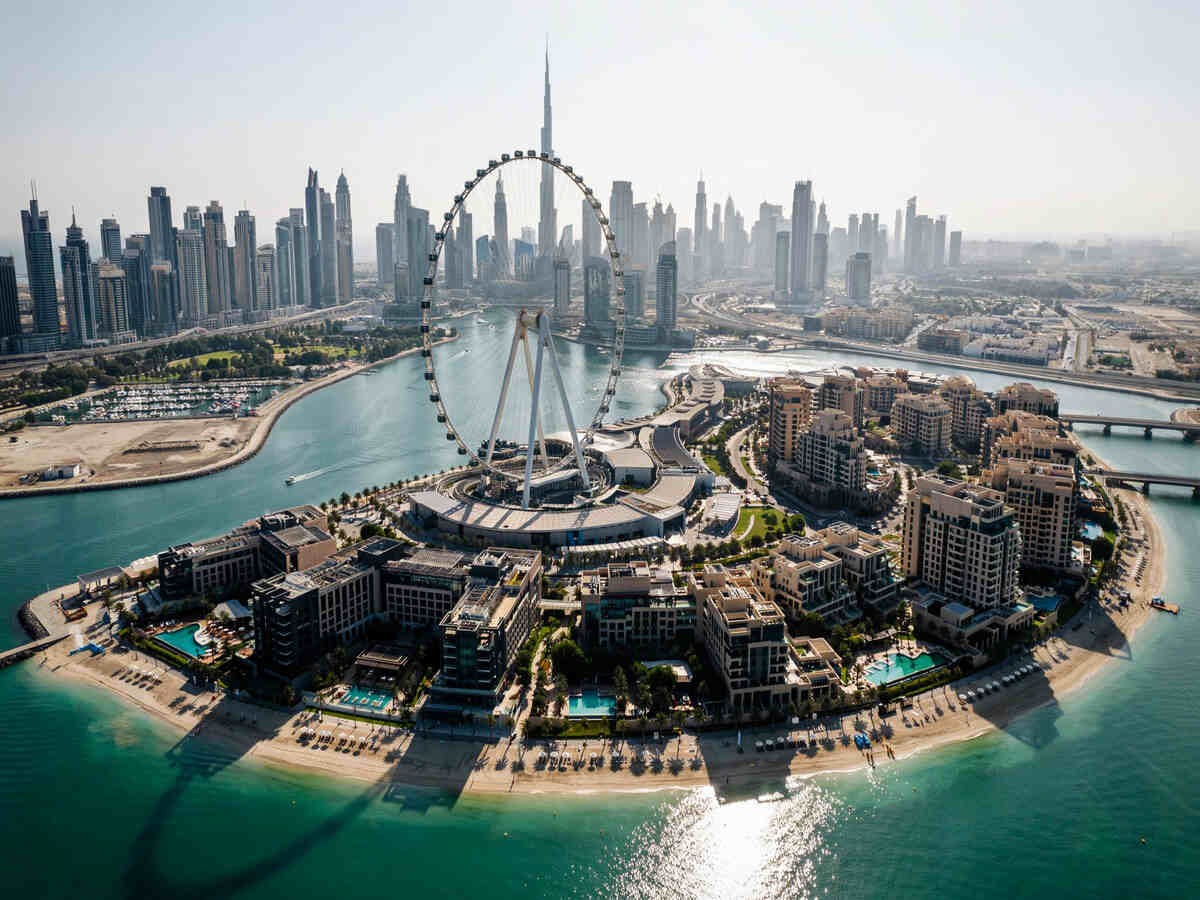
Cultural tourism in the UAE flourishes with more museums, heritage sites and traditional aspects of Emirati culture becoming focal points for visitors. Cultural tourism within the UAE becomes an increasingly important focus for 2026 due to Abu Dhabi, Dubai, Sharjah and Ras Al Khaimah placing a stronger focus on museums and heritage.
The shift is broadening the country’s tourism identity. Modern skylines, luxury resorts, shopping and entertainment remain powerful draws. However, visitors can increasingly discover another side of the Emirates through historic forts, traditional markets, archaeological sites, contemporary art institutions and museums dedicated to the UAE’s history.
Abu Dhabi’s Saadiyat Cultural District is becoming one of the most important components of this transformation. Dubai is simultaneously strengthening historic areas and cultural programming. Sharjah is using museums, archaeology, traditional architecture and maritime history to deepen its cultural offering, while Ras Al Khaimah is connecting its established nature and adventure appeal with thousands of years of human history.
The UAE’s cultural push also extends beyond individual attractions. The country launched a long-term plan in 2026 to advance cultural heritage elements towards UNESCO recognition. Meanwhile, content creation, digital storytelling, festivals and creative industries are helping heritage experiences reach wider audiences.
Advertisement
Advertisement
The result is an increasingly diverse tourism proposition where travellers can move between global museums and distinctly Emirati experiences during the same journey.
UAE Cultural Tourism Hotspots Reshaping Visitor Experiences
| Destination | Emirate | Major Cultural Draw | Importance for Tourism |
|---|---|---|---|
| Saadiyat Cultural District | Abu Dhabi | Major museums and art institutions | Creates an internationally significant museum cluster |
| Zayed National Museum | Abu Dhabi | UAE history and heritage | Connects visitors with more than 300,000 years of human history |
| Guggenheim Abu Dhabi | Abu Dhabi | Modern and contemporary art | Scheduled to open on 11 December 2026 |
| Louvre Abu Dhabi | Abu Dhabi | Art and civilisation | Established international cultural attraction |
| Al Fahidi Fort | Dubai | Dubai history | Revitalised historic museum experience |
| Al Shindagha | Dubai | Emirati heritage | Brings traditional architecture and local history into the visitor experience |
| Al Quoz and Alserkal Avenue | Dubai | Contemporary creativity | Expands Dubai’s arts and creative tourism offering |
| Heart of Sharjah | Sharjah | Heritage architecture and museums | Creates an immersive historic district |
| Mleiha and Faya | Sharjah | Archaeology | Connects tourism with ancient human history |
| Khor Fakkan | Sharjah | Maritime heritage | Part of an emerging east-coast heritage proposition |
| Khor Kalba | Sharjah | Coastal history | Combines cultural and coastal tourism potential |
| Dibba Al-Hisn | Sharjah | Fortified maritime heritage | Adds historic depth to east-coast travel |
| Shimal | Ras Al Khaimah | Bronze Age archaeology | Diversifies the emirate beyond resorts and adventure |
| Dhayah | Ras Al Khaimah | Archaeology and fort heritage | Connects mountain landscapes with UAE history |
Abu Dhabi Turns Saadiyat Into A Powerful Cultural Tourism Gateway
Abu Dhabi sits at the heart of the UAE’s museum-led tourism expansion.
Advertisement
Advertisement
Saadiyat Cultural District brings several major institutions into a concentrated cultural destination. Rather than asking visitors to travel across the emirate to experience different museums, the district creates a cultural ecosystem capable of supporting dedicated museum and art itineraries.
Louvre Abu Dhabi already provides an internationally recognised anchor. It connects artworks and civilisations across different periods and regions, giving Abu Dhabi a powerful position within international museum tourism.
The broader Saadiyat development expands considerably beyond Louvre Abu Dhabi. Zayed National Museum, Natural History Museum Abu Dhabi, teamLab Phenomena Abu Dhabi and Guggenheim Abu Dhabi give travellers several reasons to devote significant time to the district.
This concentration could also encourage longer cultural stays. A traveller interested in history can explore Emirati identity before moving into natural history, international art, immersive digital experiences and contemporary creativity.
Zayed National Museum Brings Emirati Identity To The Forefront
Zayed National Museum strengthens a particularly important element of the UAE tourism story: its own history.
The museum explores more than 300,000 years of human history associated with the land. Its displays contain more than 1,500 objects, while thousands of additional artefacts form part of its wider collection.
Advertisement
Advertisement
This allows international visitors to understand the UAE beyond its rapid modern development.
The attraction creates a bridge between ancient human settlement, regional traditions, the country’s formation and contemporary Emirati identity. That gives Abu Dhabi an opportunity to position national heritage alongside the internationally recognised cultural institutions on Saadiyat Island.
For cultural travellers, this is significant. The visitor journey is no longer restricted to viewing internationally important art. Travellers can also understand the people, landscape, traditions and history that shaped the Emirates.
Guggenheim Abu Dhabi Adds A Major 2026 Cultural Attraction
The scheduled opening of Guggenheim Abu Dhabi on 11 December 2026 adds another important dimension.
The approximately 80,000-square-metre museum is expected to contain 30 galleries dedicated to modern and contemporary art.
Its arrival strengthens Saadiyat’s ability to attract international cultural travellers, collectors, artists and visitors interested in contemporary creative movements.
Advertisement
Advertisement
More importantly, the museum sits within a wider destination rather than operating in isolation.
Travellers visiting Guggenheim Abu Dhabi can combine it with Louvre Abu Dhabi, Zayed National Museum, Natural History Museum Abu Dhabi and other Saadiyat experiences. This clustering gives Abu Dhabi greater potential to package cultural tourism into multi-day itineraries.
Dubai Gives Its Historic Identity A Bigger Tourism Role
Dubai is taking a different route.
The emirate is globally associated with ambitious architecture, entertainment, luxury hospitality and futuristic visitor experiences. Yet its cultural tourism development increasingly places the city’s earlier history alongside that modern image.
Al Fahidi Fort is central to this strategy.
Dating to 1787, the fort represents one of Dubai’s most significant historic landmarks. Its rehabilitation transforms the visitor experience through six principal galleries and exhibition spaces.
Advertisement
Advertisement
Historical objects, archival photographs and documents are being combined with digital media, audiovisual storytelling and interactive 3D technology.
The approach is important because it does not treat heritage as static. Instead, technology helps visitors understand the transformation of Dubai and the communities that shaped the city.
Al Shindagha Connects Travellers With Old Dubai
Al Shindagha Historic Neighbourhood gives travellers another route into Dubai’s heritage.
The district helps tell stories surrounding Emirati society, architecture, trade and the city’s relationship with Dubai Creek.
Its location also makes it valuable for tourism. Visitors can connect heritage attractions with traditional commercial areas and the historic urban landscape rather than experiencing culture exclusively inside a conventional museum.
Dubai’s cultural strategy also incorporates events.
Advertisement
Advertisement
Dubai Art Season 2026 connected exhibitions, literature, performance, design and creative programming across multiple locations. Al Shindagha has also provided a setting for creative events such as the Sikka Art & Design Festival.
Together, these initiatives make culture part of Dubai’s wider tourism calendar.
Al Quoz Shows Another Face Of Dubai Culture
Cultural tourism does not need to focus entirely on the past.
Al Quoz and Alserkal Avenue demonstrate Dubai’s contemporary creative side. Galleries, exhibitions, creative businesses and cultural programming help connect international visitors with artists and the city’s evolving creative economy.
That gives Dubai an unusually broad proposition.
Travellers can explore Al Fahidi and Al Shindagha to understand historic Dubai before experiencing contemporary art and creative culture elsewhere in the city.
Advertisement
Advertisement
The combination strengthens the emirate’s ability to attract different types of cultural travellers, from heritage enthusiasts to younger visitors interested in contemporary art, design and digital creativity.
Sharjah Turns Heritage Into An Immersive Visitor Experience
Sharjah has long differentiated itself through culture, museums, books, architecture and heritage.
Heart of Sharjah is central to that proposition.
The historic district combines traditional buildings, museums, restored architecture, souqs, artisan experiences and cultural spaces. Instead of presenting heritage through a single attraction, it allows visitors to walk through an environment shaped by the emirate’s history.
Attractions including Al Hisn Fort, Bait Al Naboodah and Sharjah Calligraphy Museum deepen that experience.
This creates a form of slow cultural tourism. Visitors can explore architecture, crafts, exhibitions and traditional commercial spaces rather than simply moving through one major attraction.
Advertisement
Advertisement
Mleiha And Faya Unlock The UAE’s Ancient Past
Sharjah’s cultural offering stretches far beyond its city centre.
Mleiha and the Faya landscape introduce travellers to an archaeological story extending deep into human history.
Faya Palaeolandscape preserves evidence associated with more than 200,000 years of human activity. The wider Mleiha area combines archaeological interpretation with desert landscapes, outdoor experiences and astronomy.
This combination creates an especially strong tourism product.
A visitor can discover archaeological sites during the day, experience the desert landscape and connect the journey with nature and night-sky activities.
It allows Sharjah to blend cultural tourism, archaeological tourism, desert tourism and experiential travel within one destination.
Advertisement
Advertisement
Khor Fakkan, Kalba And Dibba Al-Hisn Bring Maritime History Forward
Sharjah’s east coast could become another important cultural tourism corridor.
The Coastal Fortified Network of South Eastern Arabia entered UNESCO’s Tentative List in July 2026 and includes historic locations associated with Dibba Al-Hisn, Khor Fakkan and Khor Kalba.
These places tell a different UAE story.
Their heritage reflects maritime connections, fortified settlements, coastal commerce and the strategic importance of the country’s eastern shoreline.
For tourism, the opportunity is particularly interesting because these destinations already possess strong natural appeal.
Mountains, beaches and coastal scenery can now be connected more closely with forts, archaeology and maritime history. That could encourage visitors to explore cultural attractions beyond the country’s biggest cities.
Advertisement
Advertisement
Ras Al Khaimah Adds Thousands Of Years Of History To Adventure Tourism
Ras Al Khaimah has built strong international visibility around mountains, adventure experiences, beaches and resorts.
Its archaeological heritage adds another layer.
Shimal and Dhayah Bronze Age Cemeteries and Settlements entered the UNESCO Tentative List in August 2026.
The archaeological landscape includes more than 120 prehistoric tombs alongside settlement remains and other historic structures.
Dhayah Fort provides another recognisable heritage attraction. Its dramatic hilltop position means visitors experience history alongside the emirate’s mountain landscape.
This combination could help Ras Al Khaimah diversify itineraries. Travellers arriving primarily for adventure or resorts can add archaeology and heritage without leaving the emirate.
Advertisement
Advertisement
UNESCO Strategy Gives UAE Cultural Tourism A Long-Term Direction
Individual museums and historic sites form only one part of the story.
In 2026, the UAE launched its National Plan for Registration of Cultural Heritage Elements on UNESCO Lists 2026–2036.
The ten-year approach aims to identify, document and advance important cultural heritage assets towards international recognition.
This has direct tourism relevance.
UNESCO recognition can raise international awareness of destinations that might otherwise remain outside mainstream visitor itineraries. It can also encourage conservation, research and stronger interpretation of historic sites.
The UAE’s heritage pipeline already extends across several emirates and includes archaeological landscapes, historic settlements, maritime heritage and cultural traditions.
Advertisement
Advertisement
Consequently, cultural tourism could increasingly encourage visitors to travel beyond Dubai and Abu Dhabi.
Traditional Markets Turn Emirati Culture Into Living Tourism
Cultural tourism in the UAE is also becoming more experiential.
Dubai’s Ramadan Souq 2026 demonstrated the potential of historic commercial areas. The event attracted approximately 1.82 million visitors, representing growth of 12.4% compared with the previous year.
Participating traders also recorded higher sales.
Traditional crafts, Arabic calligraphy, heritage performances and cultural workshops turned the historic market environment into more than a shopping destination.
Such initiatives matter because visitors increasingly seek experiences rather than passive sightseeing.
Advertisement
Advertisement
A traditional marketplace filled with crafts, food, storytelling and local customs can communicate Emirati culture differently from a formal exhibition.
Content Creators Become Part Of The Tourism Strategy
The Dubai Content Creators Programme adds another interesting dimension.
The programme’s economic and tourism focus recognises that destinations increasingly compete through digital storytelling.
Training creators in storytelling, multimedia production, audience engagement, research and content development can help translate UAE tourism experiences into material suitable for international digital audiences.
This is particularly relevant to cultural tourism.
Museums, archaeology and heritage can contain complex stories. Effective digital creators can transform those stories into accessible videos, photography, short-form content and destination narratives without stripping away their cultural significance.
Advertisement
Advertisement
The UAE is therefore strengthening not only cultural attractions but also the communication ecosystem capable of promoting them.
How The UAE Is Building A Broader Cultural Tourism Economy
Several strands now come together.
Abu Dhabi is building a globally significant museum destination. Dubai is reconnecting its futuristic tourism identity with historic neighbourhoods and Emirati traditions. Sharjah is combining heritage districts with archaeology and maritime history. Ras Al Khaimah is integrating ancient landscapes into an established adventure and resort market.
UNESCO nominations can add international recognition. Cultural festivals create seasonal reasons to visit. Traditional markets support local businesses. Creative districts attract contemporary audiences. Digital creators can carry these experiences to travellers before they even arrive.
This diversification matters for the visitor economy.
Cultural attractions can encourage tourists to explore additional districts, stay longer and distribute spending across museums, restaurants, markets, guides, creative businesses and heritage experiences.
Advertisement
Advertisement
UAE Cultural Tourism Moves Into A New Era
The UAE’s cultural tourism transformation in 2026 is ultimately about expanding what a journey through the Emirates can mean.
Abu Dhabi’s museum landscape demonstrates how major cultural institutions can become destination anchors. Dubai shows how a city famous for modernity can simultaneously revive and reinterpret its historic identity. Sharjah demonstrates the tourism potential of museums, archaeology and living heritage, while Ras Al Khaimah shows how cultural experiences can complement mountains and adventure.
From Saadiyat Cultural District and Al Fahidi Fort to Heart of Sharjah, Faya, Khor Fakkan, Shimal and Dhayah, cultural assets are becoming increasingly connected with the visitor economy.
The UAE is therefore not abandoning the tourism products that made it globally successful. It is adding another powerful layer.
UAE cultural tourism increases due to the presence of museums, heritage sites, and Emirati culture in Abu Dhabi, Dubai, and other cities.
The UAE is attracting tourists not only by its iconic skyscrapers but also by its museums, archaeological sites, heritage neighborhoods, nautical traditions, creativity, and heritage of the Emiratis.
Advertisement
