
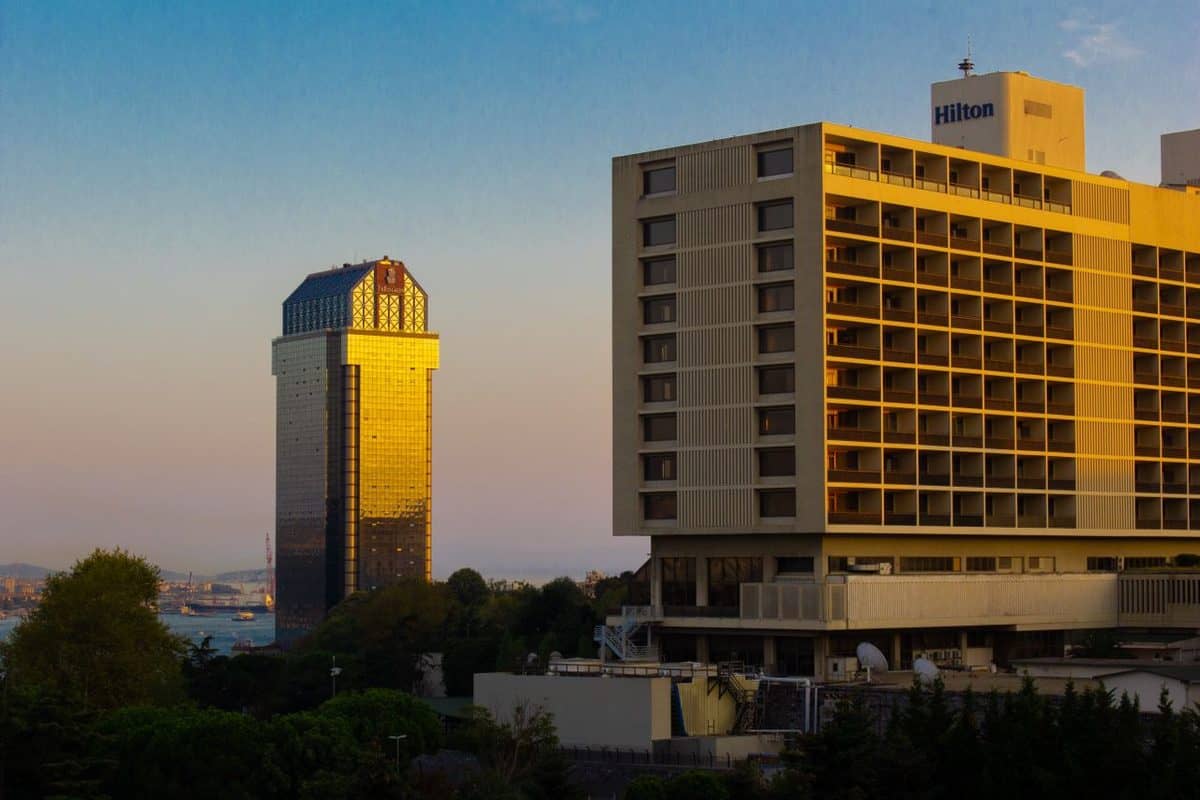
Image generated with Ai
Across the US and other countries, luxury hotels are moving beyond generic stays as travellers demand more personalised experiences. For years, luxury often meant polished rooms, premium facilities and familiar five-star service. Now, however, guests want something that feels made for them. They want comfort, local character, privacy and experiences that match their interests. As a result, hotels are rethinking what luxury means. Instead of offering the same stay to everyone, properties are using guest preferences, wellness, food, culture and technology to create more relevant journeys. This shift is changing luxury hospitality worldwide, while putting personal attention at the heart of the guest experience.
Luxury hospitality is undergoing a fundamental shift. Across major travel markets, travellers are increasingly looking beyond oversized rooms, familiar five-star brands and conventional luxury amenities. What is gaining importance is a more personal question: can a hotel understand what the guest actually wants?
Advertisement
The shift from generic luxury to personalised experiences is appearing differently around the world. Japan is using culture and craftsmanship, India is combining wellness with heritage and food, the United States is embracing experiential luxury, while destinations such as Thailand and Bali are connecting premium stays with wellness and local discovery.
Vietnam is part of the same wider movement. Tracie May-Wagner, Managing Director of Not Just agency and a hospitality industry expert based in Da Nang, said the Vietnamese hospitality conversation has evolved from simply attracting tourists towards supporting them, making them happy and giving them reasons to return.
Advertisement
Advertisement
Vietnam is increasingly positioning hospitality around experience rather than accommodation alone, according to May-Wagner.
She said the country has adopted elements of Western hospitality while simultaneously developing its own strengths in wellness, customer experience, food and cultural tourism. Having lived in Vietnam for around six and a half years, she described the transformation as significant, particularly in the way the country showcases its culture, lifestyle, heritage and cuisine to international visitors.
May-Wagner expects luxury hotels to increasingly reject what she called “generic luxury” in favour of more personal experiences.
Artificial intelligence could support this transition by helping hotels understand travellers’ interests and preferences. She envisaged a traveller being able to receive a trip curated around personal interests, including where to stay, eat and what to experience.
Her own wellness retreat experience at Nami Riverside illustrated the concept. She said the property had researched her preferences and used that information to create an experience suited to her. For May-Wagner, that type of thoughtful personalisation can make guests want to return.
Vietnam’s opportunity also extends to food tourism, wellness and local experiences. May-Wagner believes the country can attract more visitors from Australia, Europe and the United States by showcasing its food, culture, history, landscapes and the warmth of its people.
Luxury hospitality is undergoing a fundamental shift. Across major travel markets, travellers are increasingly looking beyond oversized rooms, familiar five-star brands and conventional luxury amenities. What is gaining importance is a more personal question: can a hotel understand what the guest actually wants?
The shift from generic luxury to personalised experiences is appearing differently around the world. Japan is using culture and craftsmanship, India is combining wellness with heritage and food, the United States is embracing experiential luxury, while destinations such as Thailand and Bali are connecting premium stays with wellness and local discovery.
Vietnam is part of the same wider movement. Tracie May-Wagner, Managing Director of Not Just agency and a hospitality industry expert based in Da Nang, said the Vietnamese hospitality conversation has evolved from simply attracting tourists towards supporting them, making them happy and giving them reasons to return.
Vietnam is increasingly positioning hospitality around experience rather than accommodation alone, according to May-Wagner.
She said the country has adopted elements of Western hospitality while simultaneously developing its own strengths in wellness, customer experience, food and cultural tourism. Having lived in Vietnam for around six and a half years, she described the transformation as significant, particularly in the way the country showcases its culture, lifestyle, heritage and cuisine to international visitors.
May-Wagner expects luxury hotels to increasingly reject what she called “generic luxury” in favour of more personal experiences.
Artificial intelligence could support this transition by helping hotels understand travellers’ interests and preferences. She envisaged a traveller being able to receive a trip curated around personal interests, including where to stay, eat and what to experience.
Her own wellness retreat experience at Nami Riverside illustrated the concept. She said the property had researched her preferences and used that information to create an experience suited to her. For May-Wagner, that type of thoughtful personalisation can make guests want to return.
Vietnam’s opportunity also extends to food tourism, wellness and local experiences. May-Wagner believes the country can attract more visitors from Australia, Europe and the United States by showcasing its food, culture, history, landscapes and the warmth of its people.
Vietnam’s hospitality industry is entering a new phase in which attracting visitors is no longer the only priority. According to Tracie May-Wagner, Managing Director of Not Just agency and a hospitality industry expert based in Da Nang, the focus is increasingly moving towards keeping travellers satisfied, creating personalised experiences and encouraging them to return.
Speaking during an exclusive interview recorded live at HORECFEX Vietnam, May-Wagner said the transformation is visible across hospitality, tourism, food, wellness and guest services.
May-Wagner said the industry’s conversation has changed significantly. In the past, much of the focus was on bringing tourists into Vietnam. Now, she believes the bigger question is how the industry can support visitors, make them happy and encourage longer-term loyalty.
She pointed to the growing adoption of Western hospitality practices, improvements in staff training and the increasing use of English as important developments. At the same time, she said Vietnam is strengthening its position around wellness, customer experience and food tourism.
Having lived in Vietnam for around six and a half years, May-Wagner described the change as “quite extraordinary”. She said the country has increasingly found ways to showcase its culture, lifestyle, heritage and food while continuing to modernise.
For her, maintaining that connection with heritage is particularly important as the hospitality sector develops.
Looking ahead three to five years, May-Wagner expects luxury hospitality to move further away from what she described as generic luxury.
She believes hotels and resorts will increasingly use technology and artificial intelligence to create more individualised stays. Rather than simply offering a standard luxury package, properties could use information about a traveller’s interests to help curate accommodation, dining and activities around personal preferences.
She illustrated the idea through her own example: a traveller from New York interested in wellness and local boutique experiences might prefer destinations such as Da Lat, Sapa or Da Nang rather than simply visiting major cities such as Ho Chi Minh City or Hanoi.
The objective, she said, is to create a trip that answers practical questions for the traveller, including where to stay, where to eat and what to do.
May-Wagner also linked this shift to the growing importance of wellness. In her view, wellness is moving beyond massages towards better sleep, relaxation, quiet and opportunities to disconnect from increasingly busy lives.
She cited a personal wellness retreat at Nami Riverside as an example of how personalised hospitality can work. She said the property had researched her preferences and used that understanding to shape her experience, allowing her to slow down without having to make every decision herself.
The broader goal, she argued, should be to create experiences special enough that guests actively want to return.
May-Wagner believes Vietnam has significant opportunities to attract travellers from Australia, Europe and the United States.
She highlighted the country’s food, people, weather, landscapes, history and culture, while placing particular emphasis on food tourism. She also pointed to medical tourism as an area that has become significant, citing dental treatment as an example of why some international visitors may consider Vietnam.
Her central argument is that promoting the country’s distinctive characteristics can help more international travellers understand Vietnam as a serious hospitality and travel destination.
The expectations of international visitors are also changing, May-Wagner said.
Travellers increasingly want elements associated with Western hospitality, including reliable Wi-Fi, comfortable beds and air conditioning. But they also want personal attention without feeling that their privacy is being compromised.
Food and beverage options are another part of that expectation. May-Wagner highlighted the need for hospitality businesses to accommodate different dietary requirements and lifestyles, including gluten-free, vegan, vegetarian and alcohol-free choices.
She said she has witnessed a noticeable increase in vegan and vegetarian dining options during her time in Vietnam, reflecting a broader shift towards greater choice.
For hotels and restaurants, she believes making guests feel appreciated, comfortable and included will become increasingly important.
May-Wagner sees artificial intelligence playing a particularly important role behind the scenes.
She said AI could help hotels with dynamic pricing, occupancy forecasting and analysing guest sentiment. By taking care of repetitive administrative work, technology could allow hotel employees to spend more time concentrating on guests.
But she does not see AI replacing the human element of hospitality.
“I don’t want a robot helping me at a front desk. I want a person,” she said, arguing that hospitality ultimately depends on human contact and interaction.
For May-Wagner, technology is therefore most valuable when it strengthens the ability of hospitality professionals to deliver better experiences rather than removing people from those experiences.
Sustainability was another major theme in the interview.
May-Wagner said hospitality businesses can move beyond green marketing by focusing on practical measures such as reducing food waste, limiting plastic use, providing refillable water and using local resources.
She also highlighted the farm-to-table and hyper-local approach, arguing that Vietnam’s hospitality businesses have access to strong local agricultural and seafood resources.
In Da Nang, for example, she questioned the need to import seafood from distant markets when fresh local catches are available.
For her, sustainability increasingly means examining consumption across the operation, including food and water waste, and making greater use of resources available locally.
Despite the progress, May-Wagner identified several challenges that Vietnam’s hospitality industry still needs to address.
One is the experience between major travel touchpoints. She cited language barriers and the arrival experience as examples, particularly the pressure some visitors can face immediately after leaving an airport from people offering taxis, transport and other services.
She argued that hospitality needs to become more consistent from the beginning of a visitor’s journey through to the destination itself.
Payment systems are another challenge for some foreign travellers. May-Wagner said QR-code payments are widespread, while some businesses do not accept credit cards. Where cards are accepted, she said visitors can sometimes face additional transaction charges.
She believes fintech solutions that allow foreign bank accounts to connect with local QR-code payment systems could make a significant difference.
May-Wagner remains positive about Vietnam’s tourism and hospitality trajectory.
She described the country as making significant moves in tourism and hospitality while developing an environment that is increasingly accessible and appealing to foreign visitors.
As an example, she recalled a friend from Los Angeles who travelled to Da Nang with her daughter. According to May-Wagner, the visitor was surprised by the destination and its tourism potential, particularly because Da Nang had not necessarily been among her first choices when considering an Asian holiday.
May-Wagner used the experience to illustrate what she sees as Vietnam’s opportunity: once international visitors experience the country directly, they can better understand its appeal.
She compared the industry’s development to building a highway and then working out the stops along the route. In her view, Vietnam has moved beyond an earlier stage of development and is now building the experiences and services that can help turn its tourism potential into a stronger end-to-end visitor journey.
Her message to international travellers was direct: “Come to Vietnam.”
Japan offers one of the clearest examples of luxury being connected to the destination itself.
Rather than treating luxury as a standardised international product, Japanese tourism increasingly presents high-end travel through traditional culture, gastronomy, craftsmanship, nature and highly curated journeys.
For international travellers, this can mean combining premium accommodation with experiences that could not easily be replicated elsewhere. Private cultural activities, traditional hospitality, specialist food experiences and access to local communities can turn a hotel stay into a deeper destination experience.
This model is particularly relevant to the broader luxury transformation because the value is not simply in what the traveller receives inside the hotel. The destination becomes part of the luxury proposition.
Japan therefore demonstrates how authenticity and exclusivity can coexist. A luxury traveller can receive sophisticated service while still experiencing something strongly rooted in the local environment.
India is developing another version of personalised luxury, built around wellness, heritage, cuisine and individualised journeys.
Luxury hospitality in the country increasingly connects hotels and resorts with India’s cultural and geographical diversity. Travellers can choose experiences built around traditional wellness, regional food, historic properties, spiritual traditions and local communities.
This is important because the Indian luxury proposition does not need to compete purely on conventional five-star infrastructure. Its strongest differentiation can come from experiences that are difficult to reproduce elsewhere.
Wellness is particularly significant. The modern luxury traveller may no longer be satisfied with simply booking a spa treatment. They may want a broader stay focused on rest, nutrition, sleep, mindfulness and personal wellbeing.
That mirrors May-Wagner’s observation about Vietnam, where she said wellness is moving beyond a massage towards sleep, relaxation and creating space to quieten increasingly busy minds.
The United States is another major market where luxury is increasingly associated with experiences rather than material display.
High-end travellers are showing greater interest in privacy, wellness, gastronomy, culture, nature and experiences that feel personally meaningful.
The change is especially relevant to luxury hotels because affluent travellers already have access to premium products. A larger room, expensive furniture or another familiar luxury amenity may not necessarily create a memorable stay.
Instead, hotels can differentiate themselves by knowing why the guest has travelled and shaping the experience accordingly.
That could mean a wellness-focused itinerary, a private culinary experience, a cultural programme or simply a highly personalised stay that removes unnecessary decisions from the traveller.
This closely resembles May-Wagner’s example of an American traveller visiting Vietnam and seeking a boutique, wellness-oriented experience rather than a conventional major-brand itinerary.
The UK is also seeing luxury hospitality move towards highly tailored wellness and lifestyle experiences.
The country’s luxury properties increasingly compete through their ability to create a sense of place while delivering personal service.
For travellers, the appeal is not necessarily a conventional spa weekend. It can involve a stay designed around individual health, rest, food, nature and personal interests.
This illustrates a broader change in the meaning of luxury. Personalisation does not always mean adding more. In some cases, it means removing friction and creating an environment in which the guest does not have to organise every element of the stay.
That principle was central to May-Wagner’s description of her own wellness experience in Vietnam, where she appreciated having an experience curated around her rather than having to make every decision herself.
The UAE and wider Gulf region remain major luxury-hospitality markets, but the definition of premium service is also evolving.
Luxury properties increasingly compete through privacy, recognition, personal attention and highly controlled guest experiences.
In a market where high-end rooms, suites and facilities are already widespread, personalised service can become the differentiator.
The emphasis is therefore shifting from simply providing an impressive physical environment to understanding individual expectations. Returning guests may expect staff to recognise their preferences, while first-time visitors may want carefully curated experiences rather than generic sightseeing recommendations.
The Gulf illustrates an important point for the global industry: personalisation does not necessarily mean technology replacing employees. In luxury hospitality, the human interaction can itself be part of the product.
Thailand has long been associated with luxury resorts and wellness, but the newer opportunity lies in combining those strengths with deeper local experiences.
Luxury travellers can increasingly seek stays that bring together wellness, food, cultural discovery and nature.
The experience can begin inside the resort but extend into the destination through private activities, local cuisine, cultural encounters and carefully designed excursions.
That approach gives travellers something a standard luxury hotel cannot easily provide: a memory associated specifically with the destination.
Thailand’s development therefore reinforces the broader shift towards luxury that is experiential, personalised and rooted in place.
Bali represents another important model, particularly through luxury villas, wellness retreats and nature-focused resorts.
Privacy remains a major component of the luxury proposition, but premium accommodation is increasingly combined with cultural, culinary, wellness and nature-based experiences.
The result is a form of luxury in which the villa or resort is only one part of the journey.
For international travellers, this approach can be particularly powerful because it combines exclusivity with authenticity. The guest receives privacy and comfort without being separated entirely from the destination.
Singapore demonstrates how a highly developed hospitality market can combine technology, premium service and local discovery.
The country’s luxury proposition increasingly includes curated itineraries and experiences that allow visitors to explore food, design, neighbourhoods and culture alongside high-end accommodation.
This is an important model for the future because technology does not have to make hospitality less personal. It can make personalisation easier by helping businesses understand preferences, organise information and remove repetitive tasks.
That is broadly consistent with May-Wagner’s view that AI should primarily support hotel operations while allowing employees to concentrate on the guest.
Turkey is also seeing luxury hospitality move towards exclusivity and personalised service.
Private accommodation, dedicated service and bespoke experiences are becoming important ways for high-end properties to distinguish themselves.
The underlying principle is straightforward: travellers who can afford conventional luxury increasingly want something that feels designed specifically for them.
This makes privacy, personal attention and unique experiences valuable components of the premium product.
May-Wagner believes artificial intelligence will be particularly useful behind the scenes for dynamic pricing, occupancy prediction and guest-sentiment analysis. However, she also stressed that hospitality remains fundamentally human and that she would still prefer a person at the front desk rather than a robot.
Sustainability is following a similar practical direction. May-Wagner pointed to food waste, plastic reduction, refillable water, local sourcing and farm-to-table operations as areas where hospitality businesses can create measurable impact rather than relying only on green marketing.
The global luxury traveller is becoming harder to impress with standardised products alone.
A five-star room can provide comfort, but personalisation can provide relevance. A spa can provide relaxation, but a wellness programme built around an individual’s needs can create a deeper experience. A restaurant can offer fine dining, but local ingredients and a connection to regional culture can make the meal memorable.
For Vietnam, this creates a significant opportunity.
May-Wagner identified consistency across the entire visitor journey as one of the industry’s challenges, from arrival and language barriers to transport and payment systems. She also highlighted the difficulty some foreign visitors can face when using QR-code payments or credit cards.
Solving those practical touchpoints could be just as important as building more luxury accommodation.
The future of global luxury hospitality may therefore be less about creating properties that look impressive to everyone and more about creating experiences that feel meaningful to each individual traveller.
From Japan’s cultural immersion to India’s wellness heritage, America’s experiential luxury, the Gulf’s personalised service, Thailand’s wellness journeys, Bali’s private retreats and Vietnam’s emerging experience-led hospitality, the message is increasingly consistent: luxury is becoming less generic and more personal.
The main cause is changing traveller expectations. Guests can already find luxury rooms, premium restaurants and sophisticated facilities in many destinations. Therefore, hotels need a stronger reason for travellers to choose them. The answer is personalisation. Hotels can understand individual preferences and create stays around wellness, cuisine, culture, privacy or local experiences. Technology and artificial intelligence can also help staff analyse preferences and handle repetitive work. However, the human element remains important. Personalised service can make guests feel recognised rather than processed. That emotional connection gives hotels a practical way to stand apart from generic stays and encourage travellers to return.
The shift from generic stays to personalised experiences is becoming an important direction for luxury hotels in the US and other countries. The change does not mean traditional luxury is disappearing. Comfortable rooms, quality facilities and professional service still matter. However, they are no longer always enough to create a memorable stay. Instead, travellers increasingly want hotels to understand their needs and help them experience a destination in a more meaningful way. Consequently, personalisation is becoming a stronger competitive advantage across global luxury hospitality. Hotels can use technology to understand guests and improve operations, but human interaction remains central to genuine hospitality. Meanwhile, wellness, local food, culture, privacy and destination-led experiences give properties more ways to create individual journeys. Ultimately, the future of luxury may depend less on how much a hotel offers and more on how intelligently and personally it delivers what each guest actually values.
Image: Pexels
Advertisement
Advertisement
Advertisement













Thursday, September 3, 2026

Thursday, September 3, 2026

Thursday, September 3, 2026

Thursday, September 3, 2026

Thursday, September 3, 2026

Wednesday, September 2, 2026

Thursday, September 3, 2026

Thursday, September 3, 2026


