
Ethiopian Airlines Leads EgyptAir and More Airlines as the Biggest Airline in Africa, Operating the Most Flights Through September 2026

Published
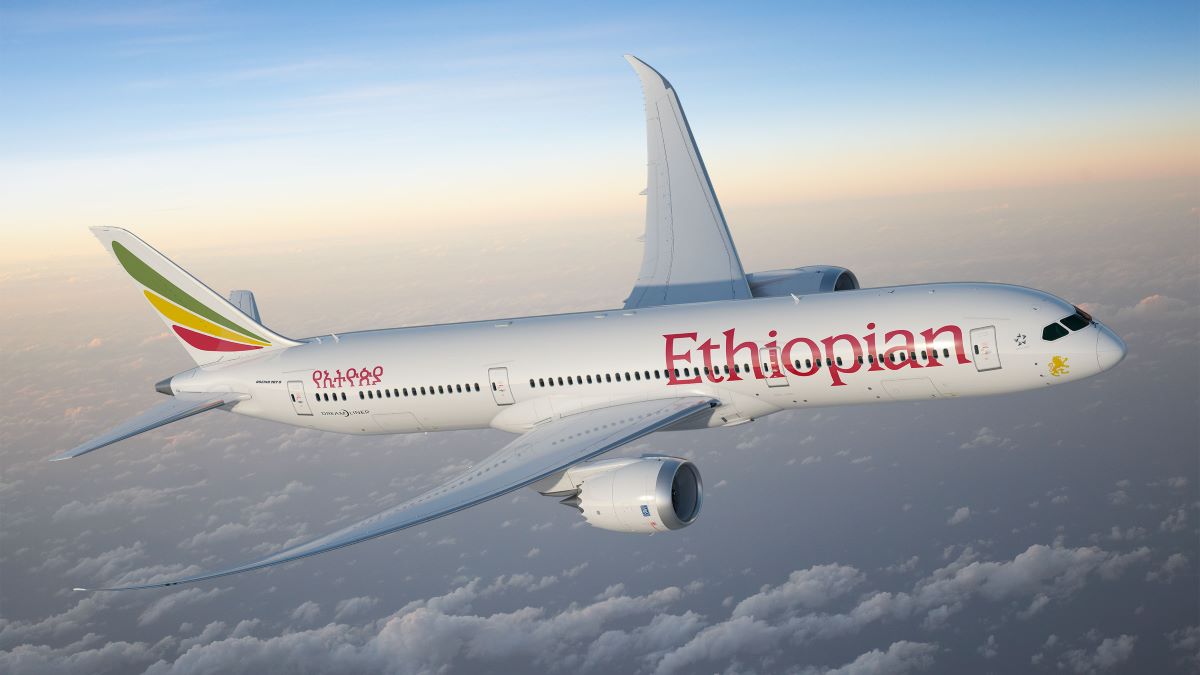
Ethiopian Airlines leads EgyptAir and more airlines as the biggest airline in Africa, operating the most flights through September 2026, powered by its vast Addis Ababa hub, extensive regional network, strong international connectivity and the highest scheduled seat capacity among African carriers.
Africa’s aviation market is entering a powerful period of capacity expansion, with Ethiopian Airlines, Safair, EgyptAir, Royal Air Maroc, Air Algérie, Airlink, Ryanair, Emirates, Air Cairo and Air Peace forming the ten largest airlines by scheduled seat capacity in the African market in September 2026.
The ranking is not simply a story about airline size. Behind each carrier is a network of high-volume routes linking African capitals, major business centres, tourism destinations and international hubs. Some airlines rely heavily on domestic corridors, while others have built their position through connecting hubs that funnel passengers between Africa and Europe, Asia, the Middle East and the Americas.
Ethiopian Airlines: Addis Ababa Hub Powers the Continental Leader
Ethiopian Airlines remains the clear leader, with 2,087,386 scheduled seats in September 2026, up 10% year on year.
Advertisement
Advertisement
The airline’s strength comes from the scale of its Addis Ababa hub. Ethiopian can gather passengers from dozens of African cities and connect them through Bole International Airport to destinations across Africa and the wider world.
Advertisement
Advertisement
Most Popular and High-Demand Ethiopian Airlines Routes
Among the busiest connections from Addis Ababa are Addis Ababa–Bahir Dar, Addis Ababa–Dire Dawa and Addis Ababa–Jijiga. Current airport schedule data places Bahir Dar first among destinations from Addis Ababa, followed by Dire Dawa and Jijiga.
Addis Ababa–Dubai is another major corridor and stands among the leading international routes from Ethiopian’s home hub.
These routes illustrate why Ethiopian has such a strong position. Dense domestic flying feeds the Addis Ababa hub, while international routes redistribute passengers across Africa, the Middle East, Europe, Asia and the Americas.
Advertisement
Advertisement
For tourism, that combination is particularly powerful. Travellers arriving from overseas can connect through Addis Ababa to numerous African destinations without leaving Ethiopian’s broader network.
Safair: Johannesburg–Cape Town Forms the Backbone of Its Network
Safair, operating scheduled passenger flights under the FlySafair brand, holds second position with 1,076,166 seats, representing 7.1% year-on-year growth.
Advertisement
Advertisement
Its scale is driven heavily by South Africa’s enormous domestic aviation market.
Most Popular FlySafair Routes
The standout corridor is:
Johannesburg–Cape Town
This is one of Africa’s largest domestic aviation markets and is fundamental to FlySafair’s business. Current booking and schedule data also shows FlySafair as a particularly prominent airline on the route.
Other important routes include:
Advertisement
Advertisement
- Johannesburg–Durban
- Cape Town–Durban
- Johannesburg–Gqeberha
- Cape Town–Gqeberha
Johannesburg–Cape Town combines business, leisure and visiting-friends-and-relatives demand. It also connects South Africa’s two largest tourism gateways.
FlySafair’s success demonstrates how an airline can achieve continental scale without depending primarily on long-haul flying. High-frequency domestic services can generate enormous seat volumes when they connect large urban and tourism markets.
EgyptAir: Cairo–Jeddah Sits at the Heart of a Huge Travel Corridor
EgyptAir ranks third with 890,773 seats, up 6.7%.
Its biggest advantage is Cairo. The Egyptian capital is Africa’s largest airport market by scheduled capacity in September 2026, giving EgyptAir a substantial pool of domestic, regional and connecting passengers.
Key High-Demand EgyptAir Routes
Among its most important corridors are:
Advertisement
Advertisement
- Cairo–Jeddah
- Cairo–Riyadh
- Cairo–Dubai
- Cairo–London
- Cairo–Paris
The Cairo–Jeddah market is particularly significant. The overall route has around 500,295 scheduled seats in September 2026, making it Africa’s largest international aviation corridor for the month.
Religious travel is an important driver because Jeddah is a principal gateway for travellers heading towards Makkah. But the route also benefits from business, labour and visiting-friends-and-relatives traffic between Egypt and Saudi Arabia.
EgyptAir’s broader Cairo network allows the airline to combine those flows with passengers connecting between North Africa, sub-Saharan Africa, Europe and the Middle East.
Royal Air Maroc: Casablanca–Paris Emerges as Its European Power Route
Royal Air Maroc is one of the biggest growth stories in the ranking. Capacity has risen 19.2% to 793,257 seats.
Its network is built around Casablanca, which increasingly functions as a connecting bridge between Africa, Europe and the Americas.
Advertisement
Advertisement
Most Popular Royal Air Maroc Routes
One route clearly stands out:
Casablanca–Paris Orly
Current 2026 schedule data shows Royal Air Maroc operating around 43 weekly flights in each direction between Casablanca and Paris Orly, making it the carrier’s busiest European route.
Other major routes include:
- Casablanca–Paris Charles de Gaulle
- Casablanca–Barcelona
- Casablanca–Madrid
- Casablanca–Brussels
- Casablanca–London
Paris is particularly important because of the deep economic, tourism and diaspora links between Morocco and France.
Advertisement
Advertisement
Royal Air Maroc can then feed passengers arriving in Casablanca onwards to West and Central African destinations. This makes Casablanca–Paris much more than an origin-and-destination route. It is also an important feeder for the airline’s wider African network.
Air Algérie: Algiers–Paris Remains a Crucial International Corridor
Air Algérie ranks fifth with 756,627 seats, up 13.3%.
The airline is simultaneously strengthening its traditional Algeria–Europe markets and developing deeper African connectivity.
Most Popular Air Algérie Routes
The most important corridor is:
Algiers–Paris
Advertisement
Advertisement
The wider Algiers–Paris Charles de Gaulle market alone has approximately 128,406 seats in September 2026, placing it among Africa’s largest international routes.
Other important Air Algérie markets include:
- Algiers–Marseille
- Algiers–Lyon
- Algiers–Istanbul
- Algiers–Tunis
- Algiers–Dubai
France remains exceptionally important because of the scale of family, business, tourism and diaspora travel between Algeria and France.
At the same time, Air Algérie is adding African destinations. That gives the carrier an opportunity to use Algiers not simply as the starting point for Europe-bound traffic but increasingly as a north-south transfer hub.
Airlink: Johannesburg–Cape Town Supports a Dense Regional Network
Airlink ranks sixth with 538,052 scheduled seats, up 5.1%.
Advertisement
Advertisement
Its network model differs considerably from that of Ethiopian Airlines or Royal Air Maroc. Airlink specialises in high-frequency regional services and links between major cities and smaller business and tourism destinations.
Most Popular Airlink Routes
Important Airlink corridors include:
- Johannesburg–Cape Town
- Johannesburg–Gqeberha
- Johannesburg–Harare
- Johannesburg–Windhoek
- Johannesburg–Maputo
Johannesburg is crucial to this strategy. Recent airport schedule observations identify Airlink as the largest operator at OR Tambo by flight departures.
Cape Town is the most frequently served destination from Johannesburg overall, while Durban, Gqeberha and Harare are also major corridors.
Airlink’s strength therefore comes from network depth. It can connect travellers arriving in Johannesburg with secondary destinations across Southern Africa that larger long-haul airlines do not necessarily serve directly.
Advertisement
Advertisement
Ryanair: Morocco–Europe Routes Drive Its African Presence
Ryanair is not an African airline, but its 472,839 seats make it the seventh-largest operator by African scheduled capacity in September.
Morocco is the centrepiece of its African operation.
Key Ryanair Africa Routes
Its major Morocco–Europe markets include connections such as:
- Marrakech–London
- Marrakech–Paris
- Marrakech–Milan
- Marrakech–Madrid
- Tangier–Madrid
- Fez–Paris
- Agadir–London
Ryanair has announced 5.3 million seats across 156 Moroccan routes for winter 2026, demonstrating just how important the country has become to its network.
The carrier’s Moroccan strategy connects major European population centres directly with tourism destinations without requiring passengers to transfer through traditional airline hubs.
Advertisement
Advertisement
That is particularly important for tourism. Low-cost nonstop services can significantly enlarge the potential weekend-break and short-holiday market for destinations such as Marrakech, Agadir, Fez and Tangier.
Emirates: Dubai–Johannesburg Anchors Its African Network
Emirates ranks eighth with 427,100 seats serving the African market, up 9.3%.
The Dubai-based airline is another foreign carrier whose African capacity is large enough to place it among the continent’s ten biggest operators.
Most Important Emirates Africa Routes
The airline’s major African corridors include:
- Dubai–Johannesburg
- Dubai–Cairo
- Dubai–Cape Town
- Dubai–Nairobi
- Dubai–Mauritius
- Dubai–Casablanca
Dubai–Johannesburg is particularly important, with Johannesburg functioning as one of Emirates’ largest African stations and receiving multiple daily services.
Advertisement
Advertisement
The power of these routes comes from what happens after passengers reach Dubai.
African travellers can connect through Emirates’ Dubai hub to India, China, Southeast Asia, Australia, Europe and other parts of the Middle East.
Likewise, international visitors can use Dubai as a one-stop gateway into Africa.
That connectivity means Emirates’ African routes should be viewed as parts of a much larger global network rather than simple point-to-point services.
Air Cairo: Red Sea Tourism Helps Power Rapid Expansion
Air Cairo has become one of Africa’s fastest-growing significant operators. Its capacity increased 14.9% to 360,502 seats.
Advertisement
Advertisement
The airline has benefited strongly from Egypt’s tourism market and from the growing popularity of Red Sea resorts.
Key Air Cairo Routes
Important markets in its network include services connecting:
- Cairo with regional and international destinations
- Hurghada with major European source markets
- Sharm El Sheikh with European cities
- Egyptian resorts with Germany, Italy and Central Europe
Air Cairo’s network structure is especially interesting because it does not rely solely on Cairo.
Hurghada and Sharm El Sheikh give the airline access to enormous inbound leisure flows from Europe. Tourists can fly directly into Egypt’s Red Sea resorts without travelling through Cairo.
That makes Air Cairo’s growth closely linked with the performance of Egyptian tourism.
Advertisement
Advertisement
Its fleet expansion programme suggests this model could become even more important. With 15 A320neo aircraft ordered and a much larger long-term fleet ambition, Air Cairo is positioning itself to add frequencies and destinations across Europe, Africa and the Middle East.
Air Peace: Lagos–Abuja Powers Domestic Growth While London Builds International Ambition
Air Peace produces the most dramatic growth rate in the entire top ten.
Its capacity has surged 54.7%, from 229,412 seats to 354,804.
Its network combines Nigeria’s enormous domestic aviation demand with an increasingly ambitious international operation.
Most Popular Air Peace Routes
The airline’s most important domestic corridor is:
Advertisement
Advertisement
Lagos–Abuja
Air Peace increased the route to as many as seven daily return services under its summer 2026 schedule, highlighting the strength of demand between Nigeria’s commercial and political capitals.
Other major domestic routes include:
- Lagos–Port Harcourt
- Lagos–Owerri
- Lagos–Enugu
- Lagos–Benin
- Abuja–Owerri
Internationally, one route has transformed the airline’s profile:
Lagos–London
Advertisement
Advertisement
The service connects Nigeria’s largest commercial centre with one of the country’s most important international travel markets.
Air Peace also serves international and regional markets including Johannesburg, Jeddah and destinations across West Africa.
The significance of Air Peace’s 54.7% capacity increase therefore extends beyond adding aircraft seats. The airline is building scale simultaneously in Nigeria’s domestic market and selected international corridors.
What the Routes Reveal About Africa’s Aviation Boom
Looking at routes alongside total airline capacity provides a clearer picture of what is driving African aviation growth.
| Airline | Key Route or Market | Main Demand Driver |
|---|---|---|
| Ethiopian Airlines | Addis Ababa–Bahir Dar / Dubai | Domestic feeding and hub connections |
| FlySafair | Johannesburg–Cape Town | Business and domestic tourism |
| EgyptAir | Cairo–Jeddah | Religious, business and VFR travel |
| Royal Air Maroc | Casablanca–Paris | Diaspora, tourism and connections |
| Air Algérie | Algiers–Paris | Diaspora, business and tourism |
| Airlink | Johannesburg–Cape Town / regional Africa | Regional connectivity |
| Ryanair | Morocco–Europe network | Low-cost leisure tourism |
| Emirates | Dubai–Johannesburg | Long-haul global connections |
| Air Cairo | Egypt–European leisure markets | Red Sea tourism |
| Air Peace | Lagos–Abuja | Business, government and domestic travel |
The patterns are remarkably different.
Advertisement
Advertisement
Ethiopian Airlines, Emirates and Royal Air Maroc are exploiting hub geography. Addis Ababa, Dubai and Casablanca allow them to collect passengers from multiple markets and redistribute them across large networks.
FlySafair and Air Peace benefit from huge domestic corridors. Johannesburg–Cape Town and Lagos–Abuja provide the kind of high-frequency demand that can sustain substantial capacity throughout the year.
EgyptAir and Air Algérie combine strong home markets with major international corridors. Cairo–Jeddah and Algiers–Paris demonstrate how migration, religion, commerce, tourism and family connections can create exceptionally durable aviation markets.
Ryanair and Air Cairo illustrate the importance of leisure travel. Morocco’s European links and Egypt’s Red Sea gateways show how direct, competitively priced air access can turn tourism destinations into major aviation markets.
Airlink demonstrates another model entirely: regional connectivity. Its importance lies not just in huge trunk routes but in its ability to connect Johannesburg and Cape Town with a web of smaller destinations across Southern Africa.
Advertisement
Advertisement
The result is an African aviation market that is expanding through several engines at once — domestic business travel, diaspora demand, tourism, religious journeys, regional integration and intercontinental connections.
That diversity is important because it means the continent’s aviation expansion is no longer dependent on a single passenger segment.
As Ethiopian Airlines remains above two million monthly seats and challengers such as Royal Air Maroc, Air Cairo and Air Peace expand rapidly, the competition is increasingly moving beyond who has the most seats.
The bigger battle is becoming who controls Africa’s most valuable routes, connecting hubs and passenger flows.
Ethiopian Airlines leads EgyptAir and more airlines as the biggest airline in Africa, operating the most flights through September 2026, with its Addis Ababa hub, extensive African network and global connections driving the highest scheduled seat capacity among carriers.
In conclusion, Ethiopian Airlines leads EgyptAir and more airlines as the biggest airline in Africa, operating the most flights through September 2026, supported by its powerful Addis Ababa hub, extensive regional connectivity and expanding international network. The airline’s leading scheduled seat capacity highlights how strong hub operations and wide route coverage continue to shape Africa’s aviation growth.
Advertisement
