
Cambodia Supercharges Sihanoukville Tourism Growth With Bold Strategy for a World-Class Coastal and Marine Future

Published
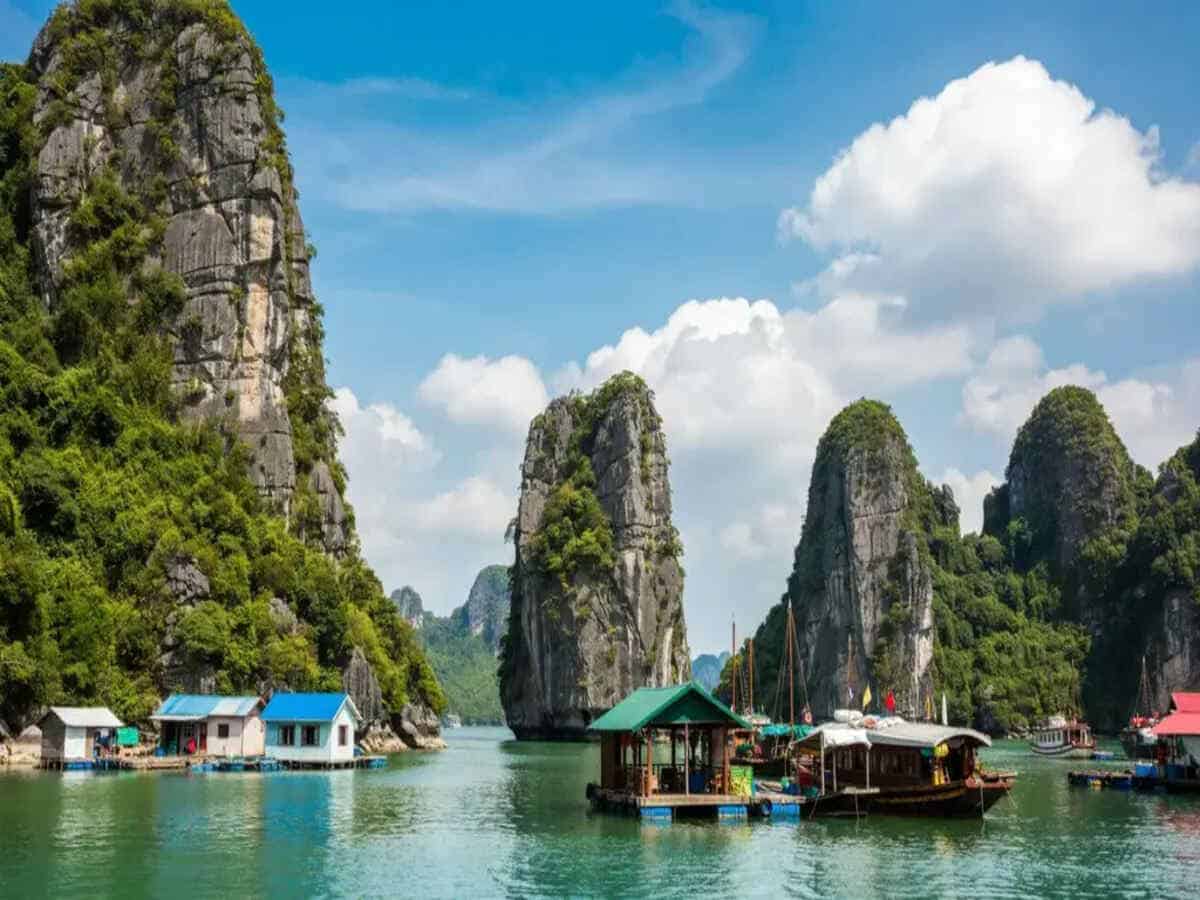
Cambodia is poised to upgrade Sihanoukville tourism with a 2030 plan that involves developing premium marine travel, enhancing connections, and improving security and services.
Cambodia is ramping up efforts to promote tourism to Sihanoukville with the help of an ambitious strategy, which is set to transform Preah Sihanouk province into a high-quality coastal and marine destination by 2030. The idea is to elevate the profile of the province as a premier tourist destination by developing marine tourism, ecotourism, water sports, nature-based attractions, improved services for visitors, and technological tourism.
The Preah Sihanouk Tourism Development Plan 2026–2030 places the southern coastal province at the centre of Cambodia’s wider tourism and economic development ambitions. Rather than depending heavily on traditional beach holidays and entertainment, the strategy seeks to establish a broader visitor economy capable of competing with major coastal destinations elsewhere in Southeast Asia.
Sihanoukville Tourism Enters an Ambitious New Development Era
The strategy represents a significant attempt to reshape the tourism identity of Sihanoukville. Cambodia wants the destination to become known for more than inexpensive entertainment and conventional coastal holidays. The focus is increasingly being placed on quality, diversification and experiences that can attract different segments of the international travel market.
Advertisement
Advertisement
The transformation also forms part of a wider vision for Preah Sihanouk to develop as Cambodia’s second major urban and economic centre. Tourism is therefore being connected with investment, infrastructure, services and wider urban development rather than being treated as an isolated industry.
The province already has a substantial tourism base. Cambodia’s Ministry of Tourism highlights its beaches, surrounding islands, water sports and natural attractions, while also identifying Ream National Park as an important part of the destination.
Advertisement
Advertisement
This gives the province the raw tourism assets needed to broaden its appeal. The challenge over the next five years will be turning those assets into a more integrated and internationally competitive visitor experience.
Marine Tourism Takes Centre Stage in Sihanoukville’s Future
Marine tourism is expected to become one of the strongest pillars of the province’s transformation.
Instead of concentrating almost entirely on beach visits, Cambodia wants travellers to have more reasons to explore the coast, surrounding islands and marine environment. Water sports, island experiences, ecotourism and other nature-based activities can create a more diverse tourism economy while giving visitors reasons to remain in the province for longer.
The official tourism authority already promotes activities including island hopping, snorkelling and scuba diving around Preah Sihanouk. The province also provides access to multiple beaches and offshore islands, strengthening its potential as a broader marine destination.
Ream National Park adds another dimension. Its protected natural environment gives the province an opportunity to combine conventional coastal tourism with nature and environmentally focused travel.
This diversification is important because Sihanoukville must compete within a Southeast Asian region that already offers travellers a large choice of established tropical islands, beach resorts and marine destinations.
Advertisement
Advertisement
Better Connectivity Gives Coastal Tourism a Powerful Advantage
Infrastructure will play an important role in determining whether the tourism transformation succeeds.
One of the province’s biggest connectivity advantages is the Phnom Penh–Sihanoukville Expressway. Official transport information describes the route as roughly 190 kilometres long and built as a four-lane expressway linking the capital with Preah Sihanouk.
The road has dramatically improved access between Cambodia’s principal urban centre and its southern coast. Official transport information published around its opening said the expressway could reduce the journey to approximately two hours, compared with around four to five hours previously using National Road No. 4.
That reduction in travel time changes Sihanoukville’s tourism potential. Shorter journeys can make coastal breaks more practical for residents, domestic travellers and international visitors arriving through Phnom Penh.
The province also benefits from Sihanoukville International Airport and maritime infrastructure. Together, road, aviation and sea connectivity provide the foundations for a destination seeking a larger tourism and investment role.
Sihanoukville Port Adds Another Layer to Regional Ambitions
The development of Sihanoukville Autonomous Port further strengthens the province’s strategic importance.
Advertisement
Advertisement
Cambodia is pursuing wider plans to develop the port as a regional logistics hub. In January 2026, the Ministry of Public Works and Transport reported progress on a master-plan project aimed at upgrading the port and advancing its regional logistics role.
Although commercial logistics and tourism serve different markets, stronger port infrastructure reinforces Sihanoukville’s wider economic importance. It places tourism development alongside trade, transport, investment and urban expansion.
Tourism infrastructure has also received attention. Cambodia’s Ministry of Tourism has previously highlighted the development of tourist-port facilities in Preah Sihanouk, linking improved marine access with tourism activity, employment and broader economic development.
Together, these investments support the wider objective of creating a coastal province capable of functioning as both a major visitor destination and an important economic gateway.
Quality, Cleanliness and Safety Become Critical Priorities
Building roads, ports and tourism facilities alone will not turn Sihanoukville into a world-class destination. The visitor experience will be equally important.
The 2026–2030 tourism direction therefore places attention on service quality, cleanliness, security and safety alongside the creation of new visitor experiences.
Advertisement
Advertisement
These elements can directly influence destination reputation. Travellers increasingly compare destinations not simply according to attractions but also according to convenience, cleanliness, reliability and the overall quality of their experience.
Previous official tourism information has already connected visitor growth in Preah Sihanouk with improved infrastructure, safety, public order and environmental conditions.
Maintaining these standards will become increasingly important if Cambodia wants the province to attract higher-value international tourism rather than depend heavily on short visits and lower-cost entertainment.
Digital Technology and AI Set to Reshape the Visitor Experience
Technology is another important component of Sihanoukville’s future tourism model.
The development strategy envisages a greater role for digital technology and artificial intelligence, reflecting changing expectations among modern travellers.
Digital tools can influence almost every stage of a journey. Travellers increasingly research destinations online, compare accommodation and experiences digitally, navigate through mobile applications and expect rapid access to information while travelling.
Advertisement
Advertisement
For Sihanoukville, digitalisation also presents a marketing opportunity. Strong visual content showcasing beaches, islands, water activities and protected natural areas can introduce a changing destination to international audiences that may still associate the city primarily with its previous tourism model.
Technology could therefore support both destination management and international promotion as Cambodia attempts to reposition the province.
Tourism Diversification Could Strengthen Cambodia’s Wider Appeal
The Sihanoukville strategy also supports Cambodia’s effort to diversify its tourism proposition.
Cambodia is globally recognised for its cultural and heritage attractions. Developing the southern coast more strongly gives the country an opportunity to combine those established attractions with beach tourism, island travel, marine recreation, ecotourism and outdoor experiences.
That combination could create more varied itineraries. Instead of treating Cambodia predominantly as a cultural destination, international visitors could combine heritage experiences with several days on the southern coast.
Sihanoukville can also function as an important gateway to surrounding islands. Official tourism information identifies the province as a departure point for island connections while highlighting mainland beaches and Ream National Park.
Advertisement
Advertisement
This gives Cambodia an opportunity to position its coast as a complementary part of a wider national journey rather than as an isolated tourism product.
Cambodia Looks Beyond Tourism Towards a Wider Economic Transformation
The ambitions for Preah Sihanouk extend far beyond visitor numbers.
Cambodia has identified the province as an important economic pole with potential across tourism, industry, logistics, trade and investment. Official transport information has previously described the expressway as a strategic connection between Phnom Penh and Preah Sihanouk while linking the province with plans for industrial areas, tourism zones, natural beaches and trade development.
Tourism therefore sits within a much larger transformation.
A stronger visitor economy can support accommodation, transport, attractions, local services and employment. Improved infrastructure can simultaneously benefit residents, businesses and investors.
The five-year tourism strategy consequently has implications far beyond beaches and holidays. It forms part of an attempt to create a more economically diverse and internationally connected southern growth centre.
Advertisement
Advertisement
Sihanoukville Sets Its Sights on a World-Class Coastal Future
The period leading to 2030 could prove decisive for Sihanoukville.
Cambodia has the coastline, islands, protected natural environments and improving transport connections needed to build a stronger marine tourism destination. The next challenge is bringing these assets together through better experiences, stronger service standards, cleaner public spaces, enhanced safety and effective destination management.
Success would mean a substantial shift in how Sihanoukville is perceived. Rather than being primarily associated with lower-cost entertainment and short coastal visits, the province could develop a broader identity centred on marine tourism, nature, water activities, leisure, business travel and higher-value experiences.
The Preah Sihanouk Tourism Development Plan 2026–2030 therefore represents more than a tourism promotion campaign. It signals an attempt to fundamentally reposition one of Cambodia’s most strategically important provinces.
With expressway access, an international airport, maritime infrastructure, beaches, islands and protected natural attractions already providing the foundations, Cambodia is now seeking to turn those advantages into a more competitive tourism economy.
Cambodia is supercharging Sihanoukville tourism with a bold 2030 strategy aimed at building a world-class coastal and marine destination. The plan focuses on marine tourism, better connectivity, safer and cleaner visitor areas, stronger services, digital technology and higher-value travel experiences.
If implementation matches the ambition, Sihanoukville tourism could enter a markedly different era by 2030 — one built around stronger connectivity, better visitor experiences, marine attractions, digital innovation and sustainable coastal development.
Advertisement
