
Big Bend National Park in Texas Emerges as a Late-Season Fall Foliage Escape for US Travellers

Published
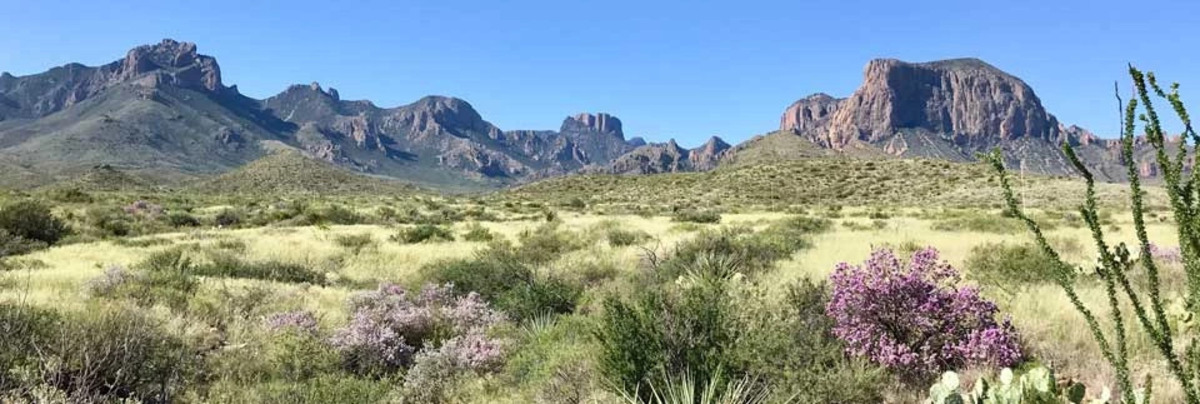
Big Bend National Park in far West Texas is emerging as a compelling late-season autumn destination for travellers seeking fall foliage after colours have faded across many northern parts of the United States. From mid-October through November 2026, selected areas of the park can produce red maples, autumn-coloured oaks and golden cottonwoods, while its Chisos Mountains, Rio Grande corridors and dramatic desert canyons create a distinctive alternative to traditional American leaf-peeping destinations. The unusual season is driven by Big Bend’s southern location, varied elevations and sharply contrasting ecosystems, which allow autumn colour to arrive later in the year.
Big Bend Pushes America’s Autumn Travel Season Deeper Into the Year
Fall tourism in the United States is commonly associated with Vermont, Maine, New Hampshire, the Blue Ridge Mountains and other heavily forested destinations. Big Bend presents an entirely different proposition. The Texas national park covers 801,163 acres, or about 1,252 square miles, making it one of the larger protected landscapes in the National Park System. The terrain includes enormous desert expanses, river corridors, volcanic mountains and deep canyons rather than uninterrupted forests.
That diversity is precisely what makes its autumn season unusual. Fall colour can develop from mid-October through November, making Big Bend one of America’s later foliage destinations. However, visitors should not expect coloured trees across the entire park. The strongest displays occur at higher elevations and around water-supported riparian areas. For travel businesses, tour operators and road-trip planners, that extends the potential autumn travel window beyond the traditional September and early-October northern US peak.
Chisos Mountains Deliver Big Bend’s Most Dramatic Fall Colours
The Chisos Mountains should be at the centre of an autumn itinerary. Big Bend’s enormous elevation range explains much of the ecological variation. The park rises from around 1,850 feet at Rio Grande Village to 7,832 feet at Emory Peak, producing very different climates within comparatively short travelling distances. Higher elevations support woodland species that appear strikingly out of place when viewed against the surrounding Chihuahuan Desert.
Advertisement
Advertisement
One of the most notable locations is Boot Canyon, where hikers can encounter oak groves and native bigtooth maples. During autumn, the maples can turn red and gold, contrasting with evergreen Arizona cypress and the surrounding mountain terrain. The experience is therefore very different from traditional forest leaf-peeping. Here, bursts of seasonal colour appear within an otherwise rugged combination of desert, rock and high-altitude woodland.
Emory Peak Combines Fall Foliage With High-Altitude Adventure
For experienced hikers, Emory Peak adds another dimension to Big Bend’s autumn appeal. At 7,832 feet, it is the highest point in the national park. The route reaches significantly higher terrain than the desert floor and passes through stands of Chisos red oak, which can shift through maroon and brown shades during autumn. The final section requires considerably more physical effort than an ordinary sightseeing trail, including steep terrain and exposed rock.
Advertisement
Advertisement
However, the broader tourism appeal is clear. Visitors can combine foliage viewing with mountain trekking and panoramic views across a landscape extending from forested slopes towards vast desert basins. That combination positions Big Bend particularly well for adventure tourism rather than conventional scenic driving alone.
Santa Elena Canyon Adds Golden Colour Along the Rio Grande
Autumn travellers do not need to remain in the mountains. Santa Elena Canyon provides one of Big Bend’s most recognisable river landscapes and introduces another type of seasonal colour. Cottonwoods around the Rio Grande can turn yellow and gold during autumn, placing vivid foliage beside desert vegetation and towering canyon walls.
Advertisement
Advertisement
The canyon extends for approximately 20 miles, while Big Bend protects sections of a much larger Rio Grande landscape. The park contains 196 miles of designated Rio Grande Wild and Scenic River and shares approximately 118 miles of international border with Mexico. For visitors, this creates opportunities to combine autumn scenery with canyon hiking, photography and river-based outdoor experiences where conditions permit.
Where Travellers Can Find the Best Autumn Experience
| Big Bend location | Main autumn attraction | Best suited for |
|---|---|---|
| Chisos Mountains | Maple and oak colours | Scenic hiking and photography |
| Boot Canyon | Red and golden bigtooth maples | Dedicated foliage seekers |
| Emory Peak | Chisos red oak and panoramic views | Experienced hikers |
| Chisos Basin | Mountain scenery and cooler conditions | General visitors |
| Santa Elena Canyon | Golden cottonwoods and canyon walls | Scenic exploration |
| Rio Grande corridor | Riparian vegetation | Photography and nature travel |
| Cottonwood areas | Yellow and golden foliage | Easier seasonal viewing |
The key planning point is simple: travellers should target specific environments rather than expect park-wide foliage.
October and November Bring More Comfortable Hiking Weather
The foliage season also coincides with improving outdoor conditions. Big Bend remains hot at lower elevations during early autumn, but temperatures vary considerably depending on altitude. At Rio Grande Village, October averages reach around 90°F during the day and 48°F at night. By November, the average high drops to around 78°F, with lows near 36°F. Conditions are significantly cooler in Chisos Basin, which sits at 5,401 feet.
Average October temperatures there range from approximately 74°F during the day to 53°F overnight. In November, average highs fall to around 65°F, while average lows reach approximately 45°F. These lower temperatures can make mountain walking considerably more attractive than during the intense summer period. However, visitors should pack for rapid temperature changes because Big Bend’s elevation differences can create noticeably different conditions during the same day.
Advertisement
Advertisement
Autumn Marks the Start of Big Bend’s Main Tourism Season
The timing of the fall colour is commercially important because it overlaps with the beginning of Big Bend’s core visitor season. The National Park Service describes Big Bend primarily as a winter park, with the main visitor period running from November through April. Average visitation is around 500,000 and growing. That means late-autumn foliage arrives just as broader travel demand begins strengthening.
Big Bend remains open throughout the year, and park entrances operate 24 hours a day. However, all park campgrounds are reservation-only, making advance planning particularly important during busier periods. Visitors travelling during autumn should therefore secure accommodation and camping arrangements before arrival rather than relying on last-minute availability.
Big Bend’s Remoteness Requires Serious Travel Planning
The park’s size is one of its major attractions, but it also creates logistical challenges. Big Bend is extremely remote. Distances between visitor facilities, hiking areas and fuel points can be significant, while cellular coverage remains unreliable in many areas. The National Park Service specifically recommends downloading park information for offline use because mobile connectivity can be limited.
Visitors should travel with sufficient water, fuel and essential supplies and should review current road, weather and trail conditions before departing for remote sections of the park. The park currently provides five visitor centres, two petrol stations, several camper stores, three NPS campgrounds, accommodation and restaurant facilities, although seasonal operating periods vary.
Why Big Bend Stands Apart in the US Fall Travel Market
Big Bend’s growing appeal lies less in competing directly with New England and more in offering something those destinations cannot. It combines late-season foliage with desert landscapes, mountain ecosystems, the Rio Grande, towering canyons and wilderness hiking. Travellers may see red bigtooth maples in Boot Canyon, darker Chisos oak foliage at elevation and golden cottonwoods beside river corridors—all within a landscape that otherwise appears unmistakably Southwestern.
That contrast makes Big Bend especially valuable for travellers who have missed earlier foliage peaks elsewhere in the country. It also provides the tourism industry with a broader autumn narrative for Texas, traditionally better known internationally for urban tourism, ranch landscapes, food, music and desert road trips than for seasonal leaf viewing.
Advertisement
Advertisement
Texas Gains a Distinctive Late-Season Nature Tourism Opportunity
For autumn 2026, Big Bend National Park offers Texas an unusual advantage within America’s highly competitive foliage tourism market. Peak colours may not blanket the entire landscape, but that is part of the destination’s character. Visitors instead encounter pockets of maple, oak and cottonwood colour framed by volcanic mountains, Chihuahuan Desert terrain and Rio Grande canyons.
With temperatures becoming increasingly favourable, the main visitor season beginning in November and fall colours potentially continuing after northern foliage destinations have peaked, Big Bend can serve travellers seeking a final extension of the American autumn. For the travel trade, the destination offers a marketable combination of Texas fall foliage, national park tourism, hiking, camping, canyon exploration, photography and late-season outdoor adventure—all concentrated within one of the most geographically distinctive landscapes in the United States.
Advertisement
