
Saudi Arabia Travel Surges as Vision 2030 Unlocks Powerful New Tourism Growth

Published
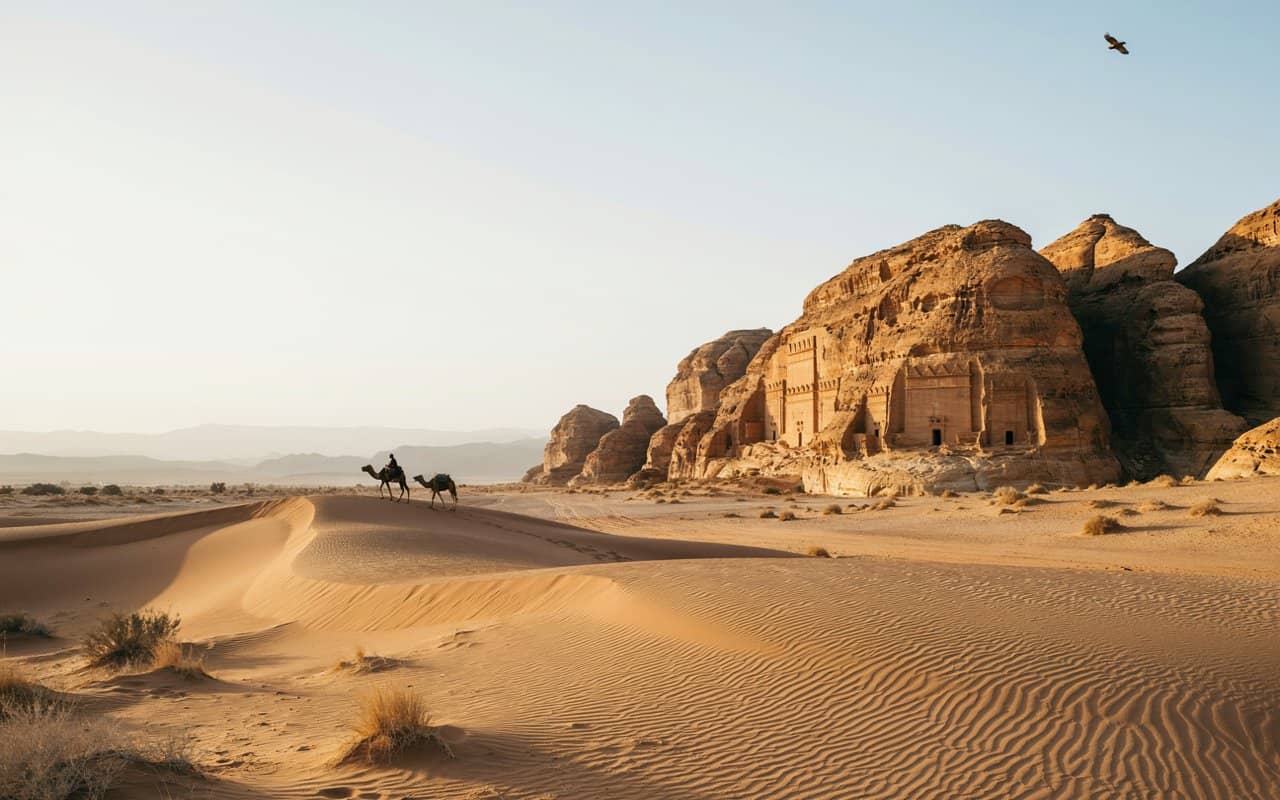
Saudi Arabia travel is moving into a striking new phase as the Kingdom turns tourism into a major pillar of its economic diversification and international visitor strategy. The research behind the latest global tourism discussion indicates that international arrivals increased 67% between 2019 and 2025, placing Saudi Arabia among the strongest growth performers compared with pre-pandemic levels. Behind that expansion is a much larger transformation. Vision 2030 is supporting new destinations, aviation links, hotels, cultural attractions and infrastructure. From AlUla’s desert heritage and Riyadh’s fast-changing visitor economy to Red Sea resorts, travellers are being presented with a broader Saudi tourism map than existed only a few years ago.
Vision 2030 Is Reshaping Saudi Arabia Travel
Saudi Arabia’s tourism transformation is closely connected with Vision 2030, the Kingdom’s long-term economic diversification programme. Tourism has been positioned as an important sector for attracting investment, supporting employment and broadening economic activity beyond traditional industries.
That strategy is visible across the visitor journey. Investment has extended into airports, transport networks, hospitality developments, heritage restoration and entertainment destinations. The result is a tourism proposition extending well beyond the Kingdom’s long-established religious travel market.
Makkah and Madinah remain fundamental to Saudi tourism because of Hajj and Umrah. At the same time, the country is building additional leisure, cultural, nature, luxury and event-driven markets. This diversification gives international travellers more reasons to consider Saudi Arabia for standalone holidays as well as wider Middle East itineraries.
Advertisement
Advertisement
International Arrivals Highlight the Scale of Tourism Growth
The reported 67% increase in international arrivals between 2019 and 2025 illustrates how rapidly Saudi Arabia’s tourism landscape has changed.
Several developments have contributed to that trajectory. Greater visa accessibility has lowered barriers for international leisure visitors, while expanded airline connectivity has made the country easier to reach from important overseas markets. Tourism investment, new cultural attractions and international destination marketing have simultaneously increased awareness.
Advertisement
Advertisement
The transformation also coincides with changing traveller preferences. Many visitors increasingly seek destinations combining history, nature, culture, adventure and local experiences instead of relying exclusively on established tourism capitals. Saudi Arabia can address those interests through archaeological landscapes, desert experiences, historic districts, mountains, coastal environments and rapidly expanding cities.
AlUla Gives Saudi Arabia Travel a Global Heritage Showcase
AlUla has become one of the clearest examples of Saudi Arabia’s new tourism direction. The destination combines dramatic sandstone landscapes with archaeological heritage and historic settlements, giving travellers an experience built around both natural and cultural assets.
Advertisement
Advertisement
Hegra is central to that proposition, while the surrounding desert scenery, historic villages and cultural programming broaden the reasons for visiting.
AlUla also illustrates an important strategic choice. Instead of depending solely on conventional mass tourism, the destination has developed around heritage, landscape and immersive experiences.
That approach is particularly relevant to travellers seeking premium cultural journeys, archaeological tourism and experiences that differ sharply from established city-break destinations elsewhere in the region.
Red Sea Tourism Opens a New Luxury Coastal Frontier
Saudi Arabia’s Red Sea developments are creating another major dimension to the country’s international tourism proposition. The region is being positioned around marine experiences, premium resorts, diving, wellness and nature-based tourism.
Advertisement
Advertisement
This gives Saudi Arabia an opportunity to compete for travellers who might otherwise consider established luxury beach destinations elsewhere in the Middle East, Indian Ocean or Mediterranean.
The emphasis on coastal tourism also expands the geographic distribution of Saudi visitor activity. Travellers can increasingly combine heritage and urban experiences with beach stays, marine exploration and high-end resort accommodation.
For the hospitality sector, Red Sea development is helping create opportunities for international brands and premium operators as Saudi Arabia builds a broader accommodation inventory.
Riyadh Is Emerging as a Major Urban Travel Hub
Riyadh is undergoing its own tourism transformation. Saudi Arabia’s capital is increasingly positioned at the intersection of business travel, entertainment, culture and major events.
New entertainment venues, international events, restaurants, shopping districts and cultural attractions are broadening the city’s appeal beyond its traditional corporate role.
This matters because city tourism can support visitor demand throughout the year rather than relying exclusively on traditional holiday seasons. Major events and business activity can generate hotel stays, restaurant spending and transport demand while encouraging international visitors to extend trips for leisure.
Advertisement
Advertisement
Riyadh therefore provides an urban counterpoint to AlUla’s heritage landscapes and the Red Sea’s coastal experiences.
Jeddah Makkah and Madinah Remain Essential to the Tourism Map
Saudi Arabia’s tourism expansion does not replace its established destinations. Instead, the emerging leisure sector adds additional layers to an already substantial visitor economy.
Makkah and Madinah remain globally significant pilgrimage destinations. Continued investment in accommodation, infrastructure and visitor services supports enormous volumes of religious travel.
Jeddah, meanwhile, provides an important gateway with heritage, Red Sea access, dining and urban tourism potential. Together, these destinations can support increasingly varied itineraries.
A traveller might arrive for pilgrimage, business or a cultural event and potentially extend the journey into another region. That creates opportunities for longer stays and a broader distribution of tourism expenditure.
Hotel Expansion Is Following Saudi Arabia Travel Demand
International hospitality investment is another visible sign of Saudi Arabia’s tourism transformation. Global hotel groups are expanding across Riyadh, Jeddah, Makkah, Madinah and emerging tourism destinations as accommodation demand diversifies.
Advertisement
Advertisement
The importance of this expansion extends beyond room supply. Different traveller groups require different accommodation categories. Religious visitors, luxury travellers, families, business guests, event visitors and adventure tourists do not necessarily want the same hospitality product.
A broader hotel inventory therefore supports Saudi Arabia’s ability to target multiple tourism segments simultaneously.
It also increases international distribution because global hotel brands bring established loyalty programmes, reservation systems and overseas customer bases into the market.
Aviation Connectivity Is Making Saudi Arabia Easier to Explore
Tourism growth ultimately depends on accessibility, making aviation a central component of Saudi Arabia’s strategy.
The Kingdom has invested in airport infrastructure and international route development as it seeks stronger connections with Europe, Asia, North America and neighbouring Middle Eastern markets.
Improved connectivity can have a multiplier effect on tourism. Direct flights make shorter trips practical, improve access for business and events, and make Saudi Arabia easier to incorporate into multi-destination holidays.
Advertisement
Advertisement
Domestic connectivity is similarly important because Saudi Arabia’s emerging attractions are geographically dispersed. Visitors interested in combining Riyadh, AlUla, Jeddah and Red Sea experiences need efficient transport if the country is to function as a connected tourism destination rather than a collection of individual attractions.
Saudi Arabia Travel Now Extends Far Beyond One Tourism Segment
The emerging Saudi tourism proposition is increasingly diverse. Cultural travellers can explore archaeological sites, museums, historic neighbourhoods and traditional markets. Adventure visitors can seek desert landscapes, stargazing, hiking and mountain environments. Coastal travellers can explore Red Sea beaches, diving and marine experiences.
Food is another developing dimension. Saudi cuisine and regional culinary traditions can give international visitors a more direct connection to local culture.
This diversity matters because modern destination competitiveness increasingly depends on offering experiences for different visitor profiles rather than relying on one signature attraction.
Saudi Arabia now has the foundations for heritage journeys, premium resorts, religious tourism, business travel, events, food experiences, nature tourism and adventure itineraries within the same national destination.
Rapid Growth Brings New Tourism Management Challenges
The scale of Saudi Arabia’s expansion also creates important questions about long-term destination management.
Advertisement
Advertisement
Rapid tourism development requires infrastructure capable of handling increasing demand while protecting landscapes, cultural heritage and community interests. Environmental protection, cultural preservation, infrastructure capacity and local participation therefore remain central considerations.
This is particularly significant for environmentally sensitive destinations and historic sites, where visitor growth must be managed carefully.
The next phase of Saudi tourism will consequently be judged not only by how many visitors arrive but also by how effectively development maintains destination quality, distributes economic benefits and protects the assets that make individual regions distinctive.
Saudi Arabia Travel Outlook Points Towards Further Diversification
Saudi Arabia’s tourism transformation is expected to continue as more projects, hotels, attractions and transport infrastructure enter operation. The country is positioning its visitor economy around a combination of heritage, luxury, adventure and modern infrastructure rather than a single tourism category.
International leisure travel, business tourism, premium holidays, cultural journeys and sustainable experiences could therefore become increasingly important alongside established religious tourism.
For the global travel industry, the significance extends beyond Saudi Arabia itself. The Kingdom’s expansion adds another major competitor to the Middle East tourism landscape and creates new opportunities for airlines, hotels, tour operators, travel advisers and destination-management companies.
Conclusion — Saudi Arabia Travel Moves Into a Defining Era
Saudi Arabia travel is moving into a defining new chapter as rapid visitor growth, Vision 2030 investment and an expanding destination portfolio reshape how international travellers experience the Kingdom. The reported 67% rise in international arrivals between 2019 and 2025 illustrates the extraordinary pace of that transformation. Yet the deeper story stretches from AlUla’s ancient landscapes and Riyadh’s expanding visitor economy to Red Sea resorts, Jeddah and the enduring importance of Makkah and Madinah. As connectivity and hospitality capacity expand, Saudi Arabia’s next challenge will be turning rapid growth into sustainable, culturally grounded tourism that keeps visitors exploring longer and across more regions.
Advertisement
