
Croatia Elevating Its Travel Industry Proves That Investing In Premium Hospitality Is Worth Every Single Cent

Published
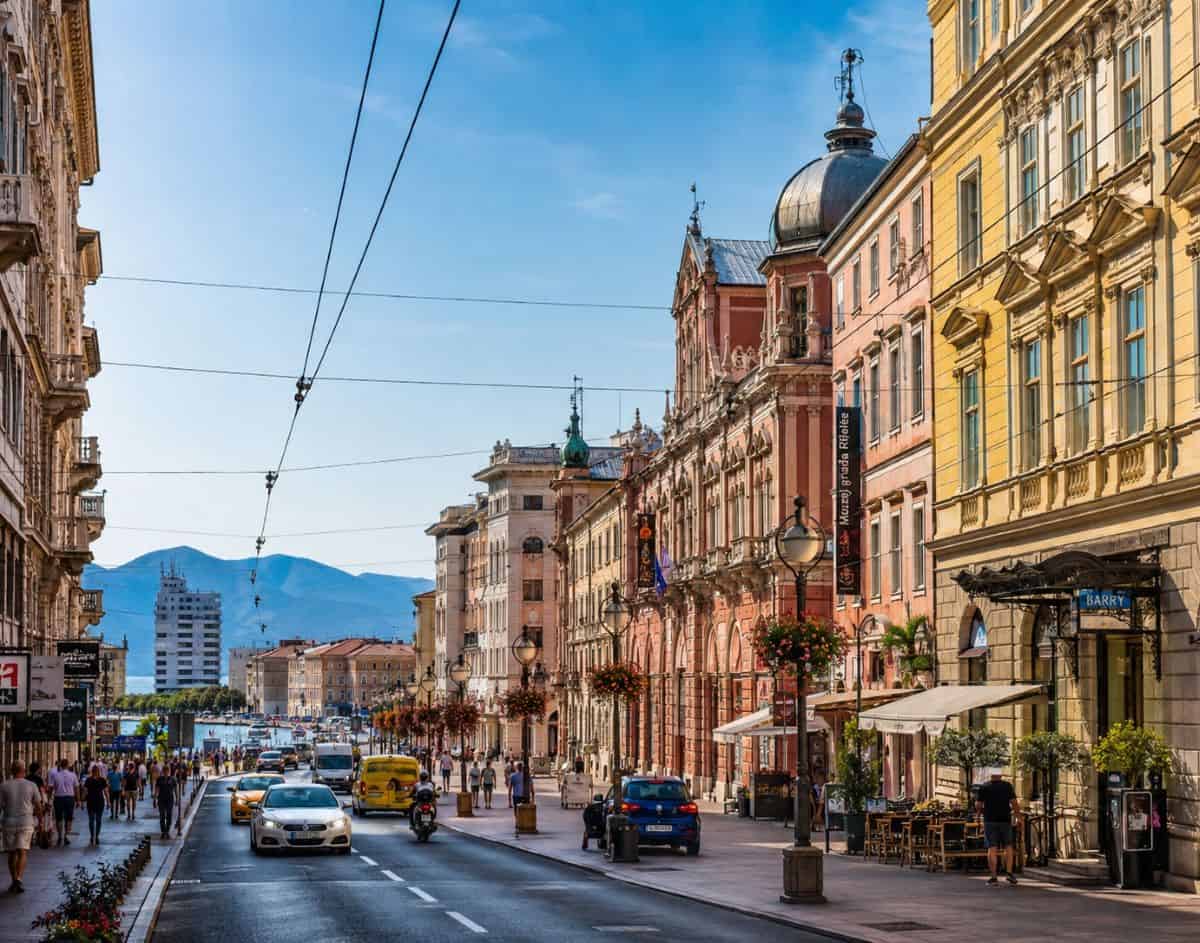
Image generated with Ai
Cheap travel deals turned Croatia into an affordable holiday destination, but damaged its natural beauty. A new era is here. Croatia’s stunning landscapes and medieval architecture are now a rare luxury. A holiday in the Mediterranean is now a highly sought after luxury and intentionally places Croatia in a premium experiences region. To keep the Adriatic natural beauty, Croatia has focused on experience first tourism. Croatia strives to keep their natural beauty and maintain their tourism levels instead of the mass tourism levels of other countries. The Mediterranean country states with pride that their coastal tourists are more well off than in previous years. The increase in costs has positioned Croatia among the most luxurious Mediterranean tourism countries. This increase of costs has changed the perception of tourists that travel to Croatia’s coastline and most importantly, pay for activities and experiences.
Future Outlook on Global Tourism Implications and Sustainable Destination Positioning
Industry analysts emphasize that this systemic pivot toward quality-driven hospitality holds profound long-term consequences for the broader Mediterranean travel ecosystem. By shedding its former reliance on low-margin, high-volume visitor traffic, the national market actively protects its natural coastal assets, delicate historical sites, and regional infrastructure from the destructive forces of overtourism. Consequently, this strategic recalibration establishes a resilient economic model that prioritizes long-term environmental sustainability and local community well-being over transient, low-yield seasonal spikes.
At the same time, this structural transition introduces distinct global ramifications for both international journey planners and competing regional destinations Ultimately, these combined financial and operational indicators demonstrate that high-value international travelers enthusiastically accept this upgraded position. While elevated tariffs naturally carry operational risks if service delivery fails to match consumer expectations, the unwavering institutional commitment to premium service execution securely anchors the country’s prestige as a world-class travel destination.
Advertisement
Advertisement
Navigating High-Value Market Dynamics Across Southern Europe
Advertisement
Advertisement
The macro-level realignment currently sweeping across Southern European coastal destinations demonstrates how consumer willingness to spend can fundamentally alter a destination’s broader economic trajectory. As international visitors willingly allocate larger proportions of their discretionary travel budgets toward premium accommodations and curated experiences, regional stakeholders acquire the vital capital necessary to reinvest into civic infrastructure and heritage preservation. This virtuous economic cycle transforms local communities from passive hosts of mass tourism into active curators of high-value cultural exchanges, permanently altering the underlying socio-economic structure of popular vacation corridors.
In turn, this structural evolution forces global tourism markets to adjust their distribution mechanisms and promotional strategies. Tour operators and travel curators must pivot away from volume-based incentive structures, focusing instead on high-margin, bespoke travel packaging that satisfies the demanding standards of modern luxury consumers. As destination after destination shifts toward high-yielding models, international travelers are gradually acclimatizing to higher baseline costs, effectively establishing a new global benchmark for Mediterranean leisure travel.
Strategic Operational Adaptations Elevating Hospitality Excellence and Technological Integration
To continuously validate these premium price points and meet the heightened expectations of affluent international guests, regional operators are comprehensively restructuring their core operational frameworks. Hospitality networks throughout Zagreb, Dubrovnik, and Split are heavily prioritizing hyper-personalization across every touchpoint of the visitor journey. Operators are meticulously crafting customized travel itineraries, providing bespoke room amenities, and curating exclusive local cultural excursions to ensure that guests perceive genuine value in correlation with their elevated financial expenditure. Additionally, forward-thinking accommodation providers are rapidly implementing frictionless booking interfaces and automated digital concierge portals to completely eliminate administrative friction and service bottlenecks.
Simultaneously, the broader regional market is aggressively adopting artificial intelligence and sophisticated operational automation frameworks to optimize complex yield management systems, accurately forecast seasonal staffing requirements, and refine guest interaction channels. Rather than chasing short-term occupancy peaks through destructive price discounting, accommodation enterprises are decisively recalibrating their primary success metrics toward guest retention, brand loyalty, and maximized long-term lifetime value. This technological shift allows property managers to maintain lean, efficient operational structures while simultaneously elevating the qualitative standard of in-person hospitality service.
Advertisement
Advertisement
Transforming Guest Relationships Through Next-Generation Digital Engagement
The integration of advanced digital tools extends far beyond simple back-office efficiency, directly reshaping the guest experience from initial research through post-stay engagement. Hospitality brands operating across key urban centers like Zagreb are utilizing automated communications platforms to establish direct, meaningful connections with prospective visitors long before they arrive on-site. By capturing individual preferences and historical behavior during the reservation process, properties can proactively offer tailored dining recommendations, custom wellness packages, and localized activity options, thereby elevating perceived value and driving incremental ancillary revenue before the trip even begins.
Furthermore, post-departure strategy has evolved from passive review collection into active guest relationship management. Properties are leveraging machine learning frameworks to analyze visitor feedback, track satisfaction trends across diverse traveler demographics, and execute automated, personalized re-engagement campaigns. By treating every departure as the beginning of the next booking cycle, regional hospitality leaders are creating sustainable pipelines of repeat visitors, dramatically reducing customer acquisition costs while consolidating their market position as premium service providers.
Evolving Global Benchmarks and the Rise of High-Value Independent Travelers
The demographic profile and behavioral patterns of international travelers visiting Croatia are undergoing a fundamental, permanent transformation. Modern vacationers systematically compare local service benchmarks, luxury amenities, and fine-dining price structures directly against long-established Mediterranean destinations such as Germany, Spain, and Greece, firmly rejecting former comparisons to low-cost Eastern European holiday alternatives. This psychological shift in consumer perception elevates the entire regional brand, attracting highly discerning visitors who prioritize qualitative depth, authentic cultural immersion, and superior comfort over bare-minimum expense management.
Advertisement
Advertisement
Furthermore, statistical tracking indicates that over 66% of commercial overnight stays across coastal and urban centers are currently generated by independent travelers who explicitly reject rigid group tour packages. This overwhelming prevalence of self-guided, highly autonomous visitors forces regional tourism enterprises to abandon generic mass-marketing tactics in favor of targeted, direct-to-consumer engagement strategies. Consequently, global distribution systems and property management firms are reallocating capital into sophisticated digital marketing channels that appeal directly to individualized guest preferences, forever altering how regional travel experiences are packaged, marketed, and consumed on the international stage.
Redefining Destination Marketing for the Autonomous Modern Vacationer
The rise of the self-directed traveler requires a complete overhaul of traditional destination marketing campaigns. Independent journey planners rely heavily on real-time visual proof, verified user feedback, and hyper-specific digital content rather than generalized promotional brochures. Consequently, regional tourism authorities and private lodging providers are redirecting promotional budgets into authentic digital storytelling, immersive visual media, and localized narrative marketing that showcases the unique cultural and culinary tapestry of coastal regions like Dubrovnik and Split.
This strategic shift toward direct consumer messaging empowers travelers to curate highly individualized itineraries, further spreading economic benefits beyond centralized tourist hotspots into surrounding suburban and rural communities. By catering directly to independent explorers seeking off-the-beaten-path experiences, local tourism stakeholders are effectively decentralizing visitor traffic, reducing pressure on iconic landmarks, and unlocking fresh commercial opportunities for small-scale regional entrepreneurs.
Robust Market Performance and Surging Macroeconomic Financial Metrics
Advertisement
Advertisement
Despite escalating global inflation, rising operational overhead, and higher end-consumer tariffs, total visitor expenditure continues to surge remarkably across Croatia. According to comprehensive statistical reporting released by official central banking authorities, foreign visitor revenue grew by an impressive 9.2% in Q1 2026, generating more than €945 million in total top-line receipts during a traditionally quiet operational period. This robust financial performance highlights an extraordinary resilience within the nation’s travel sector, proving that international demand remains remarkably inelastic even as consumer pricing structures shift upward.
In tandem with rising accommodation receipts, commercial restaurant spending escalated by 15%, underscoring a dramatically higher disposable expenditure per capita once international visitors arrive at their destinations. Moreover, shoulder-season performance figures captured between January and May recorded a solid 7% increase in commercial overnight stays across key coastal regions. This sustained pre-season momentum offers definitive empirical proof that international travelers are increasingly eager to pay premium seasonal rates outside traditional peak summer windows, effectively extending the functional operational calendar for regional hospitality providers and bolstering overall macroeconomic stability.
A Glimpse Into The Future of Travel
What we hope to capture with the evolution of the travelers’ experience, is the ability to cherish the singular moments found throughout the journey. From the serene sounds of the waves on the early morning shore, to the warmth of a meal with an acquaintance, to the moments of peace with yourself. The memories you come back to act as a reminder for all travelers for the reason behind their journey. The way that higher costs impact a traveler’s behavior is transient. Higher costs should be looked at as an opportunity to reignite a love for travel and the experiences that come with it. The highest quality of what tourism should be, is the protection and enhancement of the worlds’ cultures and communities, with a narrower focus on the well being of the local population and communities for generations to come. You will find that when a country celebrates and protects its own innate customs and cultures, a traveler will experience that country and its people, while leaving behind a legacy of respect and thanks.
Advertisement
