
Colombia Unites with Ecuador and Others as Dubai FHS World 2026 in UAE Drives Major Investments and Reshapes Middle East Hospitality Industry

Published
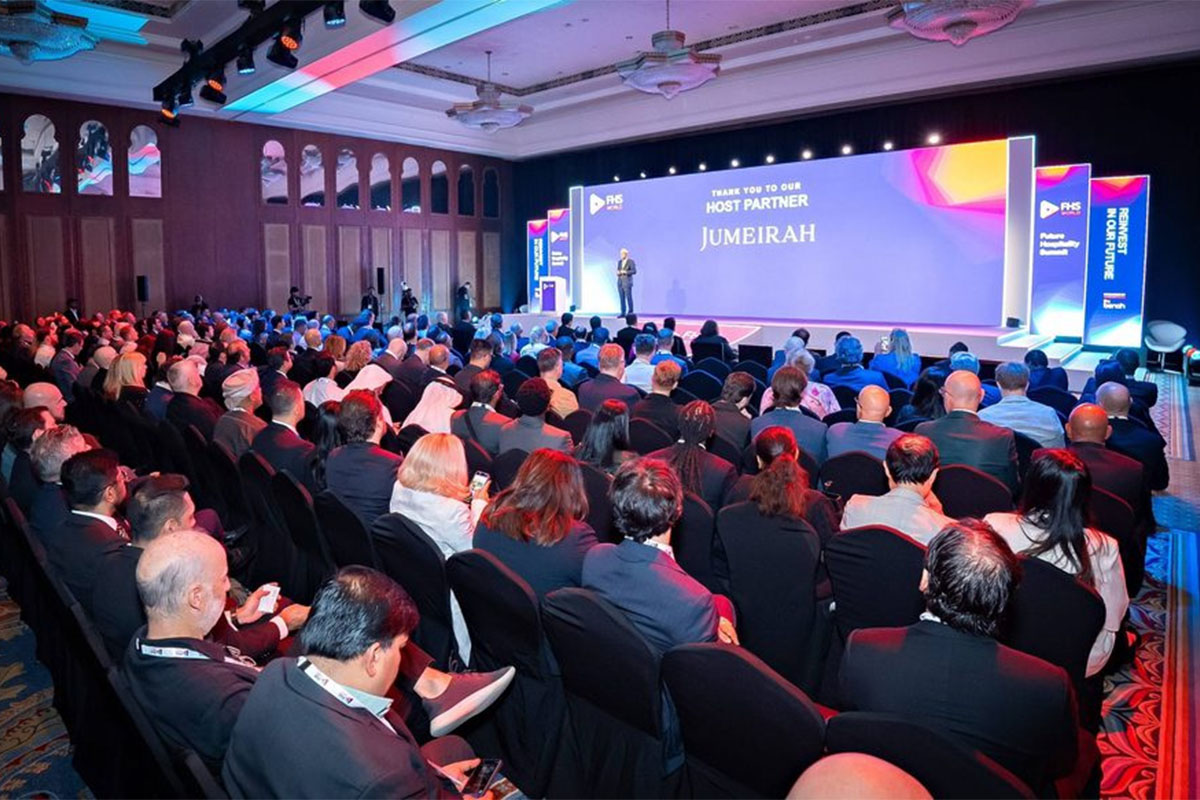
The global hospitality sector is changing thanks to new international alliances and investment flows. The Dubai FHS World 2026 conference is the biggest of these sector events. While the industry event takes place in Dubai, Colombia and Ecuador, along with other Latin American countries, have located their delegates in Madinat Jumeirah. Here, they are seeking out UAE business investors. This article looks at what the business event means in terms of new trade and investment flows, and looks at what recent government announcements say about new trends in the international tourism industry. The author explains why the business conference is an important event to cement future business partnerships.
The United Arab Emirates as the Vanguard of Global Tourism
The Middle East hospitality industry has consistently demonstrated remarkable resilience and an unparalleled capacity for innovation. Over the past decade, the United Arab Emirates has successfully transitioned from a primarily oil-dependent economy to a diversified, knowledge-based, and service-oriented global powerhouse. Central to this economic diversification has been the robust expansion of the tourism and hospitality sectors. The geopolitical and geographical positioning of the UAE serves as a natural bridge connecting the East and the West, creating an indispensable hub for global transit, corporate expansion, and leisure tourism.
UAE Tourism Strategy 2031: A Blueprint for AED 450 Billion Growth
The structural framework guiding this unprecedented growth is the officially ratified UAE Tourism Strategy 2031. This comprehensive government directive aims to elevate the tourism sector’s contribution to the national Gross Domestic Product (GDP) to an astonishing AED 450 billion by the end of the decade. To achieve this, the government has implemented a series of meticulously calculated policy measures intended to attract an additional AED 100 billion in direct UAE hospitality investments and to welcome up to 40 million hotel guests annually. These targets are not merely aspirational; they are backed by immense sovereign wealth support, highly favourable foreign direct investment (FDI) laws, and aggressive infrastructural development spanning aviation, public transport, and smart city integrations.
Pre-2026 Growth Trajectory and the Resilience of the GCC Sector
Leading up to Dubai FHS World 2026, the UAE tourism landscape exhibited extraordinary baseline metrics. Official reports confirmed that UAE hotel revenues surpassed AED 26 billion during the first half of 2025 alone, representing a steady 6.3 per cent year-on-year growth. Furthermore, hotel occupancy rates across the Emirates reached an impressive 80.5 per cent, positioning the nation significantly above global averages. These figures underscore a formidable foundational strength, assuring international stakeholders that the region possesses the necessary market fundamentals to support vast, large-scale investment pipelines.
Advertisement
Advertisement
Colombia Unites with Ecuador: A New Latin American Synergistic Frontier
One of the most groundbreaking narratives to emerge during the current investment cycle is the strategic pivot of South American nations towards the Gulf Cooperation Council (GCC). As global capital becomes more selective, Latin American nations have recognised the immense potential of sovereign wealth and private equity concentrated in the Middle East. At the summit, it became evidently clear that Colombia unites with Ecuador in a concerted effort to attract hospitality investment community leaders and to foster bilateral tourism exchange.
The UAE-Ecuador CEPA and its Impact on Hospitality Investments
The foundational catalyst for this intercontinental cooperation was the signing of the Comprehensive Economic Partnership Agreement (CEPA) between the United Arab Emirates and the Republic of Ecuador in March 2026. By becoming the fourth Latin American country to establish such a profound economic treaty with the UAE, Ecuador drastically reduced bilateral trade barriers and created a secure, highly regulated environment for UAE investors to deploy capital into Ecuadorian eco-tourism, coastal resorts, and urban hospitality projects. This landmark agreement laid the legislative groundwork for neighbouring nations to follow suit.
Advertisement
Advertisement
Colombia’s Increasing Ties with UAE Investors
Following Ecuador’s successful diplomatic engagements, Colombia aggressively accelerated its own overtures toward the UAE. The relationship between the two nations was further cemented in September 2026, when the UAE reinforced its diplomatic ties with Colombia through strategic humanitarian and economic aid deliveries, fostering immense mutual trust. Simultaneously, Colombia’s alignment with the OECD Tourism Trends and Policies 2026 framework has made its domestic market highly attractive to institutional investors. By reforming rural development policies and investing heavily in accessible tourism—including a dedicated USD 1.7 million fund for accessibility at 178 key attractions—Colombia has presented itself as a secure, forward-thinking market for Middle Eastern luxury and eco-lodge developers seeking diversified portfolios.
Latest Official Developments at Dubai FHS World 2026
The Madinat Jumeirah conference centre serves as the official host for the most consequential gathering of the hospitality investment community to date. Running from September 29 to October 1, 2026, the summit operates under the highly appropriate theme: Reinvest in Our Future. The sheer scale of the event is a testament to the region’s gravitational pull on global capital.
Advertisement
Advertisement
Major Project Announcements and Deal Signings
Official data confirms that over 1,000 hospitality leaders and more than 200 high-net-worth investors are in attendance, collectively representing an extraordinary US$5 trillion in assets under management. With over 150 speakers participating in dynamic panels, the summit serves as the premier launchpad for monumental deal signings. Crucial discussions at the event have moved away from basic expansionary congratulation towards rigorous, data-driven analysis of regional capital flows, changing trading conditions, and geopolitical resilience.
The Surge in Luxury Hospitality Projects Across the GCC
A defining characteristic of the latest development cycle is the heavy concentration of capital at the absolute top of the market. Investors at Dubai FHS World 2026 have observed that the Middle East is not just building more rooms; it is building the most opulent rooms globally. The luxury segment alone accounted for 207 specific pipeline projects, translating to 45,780 ultra-premium rooms by the close of the previous year—a record high for the region. This shift towards elite, high-yield asset classes is driving new demands for hyper-personalised service, bespoke architectural design, and exclusive wellness integrations.
Government Announcements and Strategic Tourism Directives
Government officials have leveraged the global spotlight of the summit to issue sweeping declarations that will guide the regulatory environment of the Middle East hospitality industry over the coming decade. The alignment between public policy and private enterprise has been a central theme.
Policy Alignments with International Standards
During the high-profile session titled The UAE Growth Engine: Tourism, Investment and the New Economy, UAE Minister of Economy and Tourism H.E. Abdulla bin Touq Al Marri provided critical insights into the nation’s macroeconomic trajectory. The government has announced reinforced commitments to sustainability, ensuring that future real estate and hotel developments strictly adhere to the latest environmental directives issued in coordination with global environmental bodies. This includes stringent requirements for energy efficiency, waste reduction, and the incorporation of renewable energy sources within massive resort complexes.
Advertisement
Advertisement
Public-Private Partnerships Driving New Ventures
A major government directive highlighted at the summit is the expansion of Public-Private Partnerships (PPPs). To absorb the massive influx of anticipated tourists by 2031, the UAE government is actively co-investing with private developers to rapidly expand necessary infrastructure. This encompasses not just the construction of hotels, but the holistic development of entire tourism ecosystems, including advanced transport links, smart-city integrations, and cultural heritage sites designed to diversify the tourist experience away from purely urban attractions.
In-Depth Statistics: The 2026 Middle East Hospitality Landscape
For institutional investors, data is the ultimate arbiter of strategy. The statistical reports unveiled and discussed during the event paint a picture of an industry operating at maximum velocity, fundamentally outpacing traditional global markets such as Western Europe and North America.
A Look at the 717 Middle East Development Projects
As of the first quarter of 2026, official data confirms that the Middle East hotel development pipeline has reached a staggering 717 active projects. This massive pipeline equates to the imminent addition of 177,110 new hotel rooms entering the market. These figures represent a 13 per cent year-on-year increase in projects and a 12 per cent rise in room volume, demonstrating an unyielding confidence among developers. The integration of capital from new international partners, specifically as Latin American nations seek to deploy their own sovereign funds abroad, has further fueled this robust pipeline.
Unpacking the AED 26 Billion Revenue Benchmark
The underlying financial health of existing assets provides the confidence required to fund this expansion. The previously mentioned benchmark of AED 26 billion in H1 2025 hotel revenues acts as a floor, rather than a ceiling, for future projections. By maintaining occupancy rates above 80 per cent despite the continuous influx of new supply, the UAE has proven that its demand generation strategies—spanning aggressive aviation route expansion, visa liberalisation, and world-class event hosting—are functioning with immense efficacy.
Policy Implications for International Investors
To maintain this unprecedented momentum, the regulatory authorities across the Middle East are continuously refining their legal frameworks to ensure the region remains the most attractive destination for global capital. The collaborative presence of delegations from Colombia and Ecuador at Dubai FHS World 2026 highlights the success of these policy adjustments.
Easing Visa Restrictions and Enhancing Bilateral Trade
The cornerstone of the current tourism policy is border fluidity. The UAE has pioneered various advanced visa categories, including the Golden Visa, remote work visas, and multi-entry tourist visas, which have collectively removed bureaucratic friction for both leisure travellers and corporate investors. For Latin American nations, the pursuit of similar bilateral visa-waiver agreements with GCC countries has become a primary diplomatic objective. The easing of travel restrictions directly correlates with immediate spikes in cross-border tourism and business delegation visits.
Advertisement
Advertisement
Sustainable Investment Frameworks and Green Tourism
The global pivot towards Environmental, Social, and Governance (ESG) investing has not bypassed the Middle East. On the contrary, the region is actively working to shed its historical association with carbon-intensive economies. New hospitality investments are rigorously vetted for their environmental impact. Investors at the summit are heavily prioritising green building certifications, water conservation technologies, and sustainable supply chains. Ecuador and Colombia, both boasting immense biodiversity, are leveraging their established expertise in eco-tourism to consult, partner, and secure investments from UAE entities looking to diversify into green-certified global assets.
Industry Impact: Reshaping the Accommodation Sector
The rapid influx of capital is structurally altering the physical and operational nature of the accommodation sector. The traditional hotel model is being rapidly dismantled in favour of hybrid, experiential, and multi-use real estate assets.
Shifting Consumer Demands Towards Experiential Stays
Modern luxury travellers no longer seek mere opulence; they demand hyper-curated, culturally immersive experiences. This shift is clearly reflected in the new asset classes being funded at the summit. Discussions have heavily favoured the development of wellness sanctuaries, adventure-driven eco-lodges, and culturally integrated boutique properties. The Latin American delegations have capitalised on this trend, pitching the untamed biodiversity of the Andes and the Amazon as the ultimate experiential luxury for Middle Eastern tourists seeking novel destinations.
The Rise of Branded Residences and FHS Living Initiatives
A significant operational shift spotlighted at Dubai FHS World 2026 is the explosive growth of branded residences. Recognising this trend, the summit organisers integrated the FHS Living platform, specifically dedicated to exploring investment opportunities across key living asset classes. Global hospitality brands are increasingly partnering with top-tier real estate developers to create fully serviced, ultra-luxury residential complexes. This allows developers to command significant premium pricing while offering operators a highly lucrative, asset-light expansion model that guarantees long-term management fees.
Economic Implications of Expanded Tourism Pipelines
The macroeconomic implications of the Middle East’s hospitality boom extend far beyond the balance sheets of hotel operators. Tourism is fundamentally acting as the primary engine for massive, cross-sectoral economic stimulation.
Job Creation and Capacity Enhancement in the Region
The development of 717 new hospitality projects necessitates a massive expansion of the regional workforce. This encompasses high-level executive management, architectural design, construction, and vast numbers of frontline service staff. The hospitality sector is currently one of the largest private-sector employers in the GCC, driving significant population growth through expatriate workforce relocation, which in turn fuels secondary economic sectors such as local real estate, retail, and education.
Advertisement
Advertisement
The Ripple Effect on Real Estate, Retail, and Aviation Sectors
The symbiotic relationship between hospitality and aviation is particularly pronounced in the UAE. The presence of global aviation leaders, including Emirates Airline President Sir Tim Clark, at the summit highlights this critical dependency. As the hospitality pipeline expands, national carriers are rapidly expanding their global networks, procuring new aircraft, and opening direct routes to emerging markets. The recent diplomatic pushes by Colombia and Ecuador are intrinsically linked to securing highly coveted direct flight routes from Dubai, which would instantly unlock massive commercial trade and tourism flows between South America and the Middle East.
Tourism, Business, and Public Impact
At its core, the expansion of the hospitality industry fundamentally alters the social and cultural fabric of the host nations, promoting a more interconnected and globally aware populace.
Cultural Exchange Between the UAE, Colombia, and Ecuador
The influx of Latin American delegations into the UAE fosters a profound cultural exchange that transcends mere economic transactions. As culinary tourism grows, the Middle East is witnessing a surge in authentic Latin American gastronomy, cultural festivals, and artistic collaborations. Conversely, Middle Eastern investments in Colombia and Ecuador are bringing advanced smart-city technologies, luxury hospitality standards, and modern infrastructure to developing rural and coastal regions, radically improving local living standards and generating widespread public benefits.
Accessible Tourism and Inclusivity Advances
An emerging theme in global tourism policy is accessibility. Highlighted by Colombia’s recent policy frameworks documented by the OECD, modern tourism infrastructure must be designed inclusively. Investments negotiated at the summit increasingly feature mandatory capital allocations for making resorts, transport networks, and cultural heritage sites fully accessible to individuals with disabilities. This shift not only aligns with international human rights standards but also unlocks a highly lucrative, previously underserved demographic of global travellers.
Expert and Official Statements from the Summit
The rhetoric delivered from the main stages of the Madinat Jumeirah provides a clear window into the strategic mindset of global industry titans.
Voices from the Global Presidents Forum
During the highly anticipated Global Presidents Forum, industry leaders universally acknowledged that while the global economy has faced intermittent volatility, the structural forces driving international travel remain unshakeable. Experts noted that global direct hotel investment has rapidly recovered from previous market troughs, and international tourism volumes have robustly surpassed historical benchmarks. The consensus among the US$5 trillion investment bloc is that the Middle East represents the most stable, forward-thinking, and high-yield geographic region for immediate capital deployment.
Advertisement
Advertisement
Strategic Insights on Latin American Integration
Officials involved in the bilateral negotiations between the GCC and Latin American nations have publicly stated that distance is no longer an obstacle to economic integration. The successful implementation of the UAE-Ecuador CEPA has been heralded as a flawless template for future trade agreements. Delegates have stressed that the synergy between the Middle East’s vast capital reserves and Latin America’s rich, undeveloped eco-tourism potential creates a perfect, mutually beneficial investment corridor that will define the next decade of alternative hospitality developments.
Future Outlook: The Road to 2036
Looking past the immediate horizon of the summit, the long-term projections for the region are nothing short of extraordinary. The data models utilised by institutional investors suggest a prolonged, multi-decade supercycle of growth.
The World Travel & Tourism Council (WTTC) Projections
The World Travel & Tourism Council (WTTC) has officially forecast that the Middle East will reign as the world’s fastest-growing Travel & Tourism region between the years 2026 and 2036. During this period, sector GDP is projected to expand at a formidable average annual rate of 6.3 per cent, eventually reaching an astounding US$605 billion. The core foundational block of Saudi Arabia, the UAE, Oman, and Qatar is expected to generate US$435 billion of this total by 2036. These projections validate the aggressive development pipelines currently being debated and funded at the summit.
Sustaining Momentum Beyond Dubai FHS World 2026
As the global hospitality investment community prepares to conclude its proceedings at Madinat Jumeirah, the focus immediately shifts from negotiation to execution. The monumental task ahead involves managing supply chain logistics, navigating global geopolitical shifts, and ensuring that the staggering volume of new luxury inventory is matched by equivalent global demand. However, with historic alliances forming—exemplified as Colombia unites with Ecuador and the broader Latin American bloc—and the UAE government providing unyielding infrastructural support, the Middle East is irrevocably positioned to dominate the global hospitality narrative for the foreseeable future.
Advertisement
