
Northern Portugal Private SME Targets Horizon Europe 2027 Partnerships for New Tourism Consortiums

Updated
Published
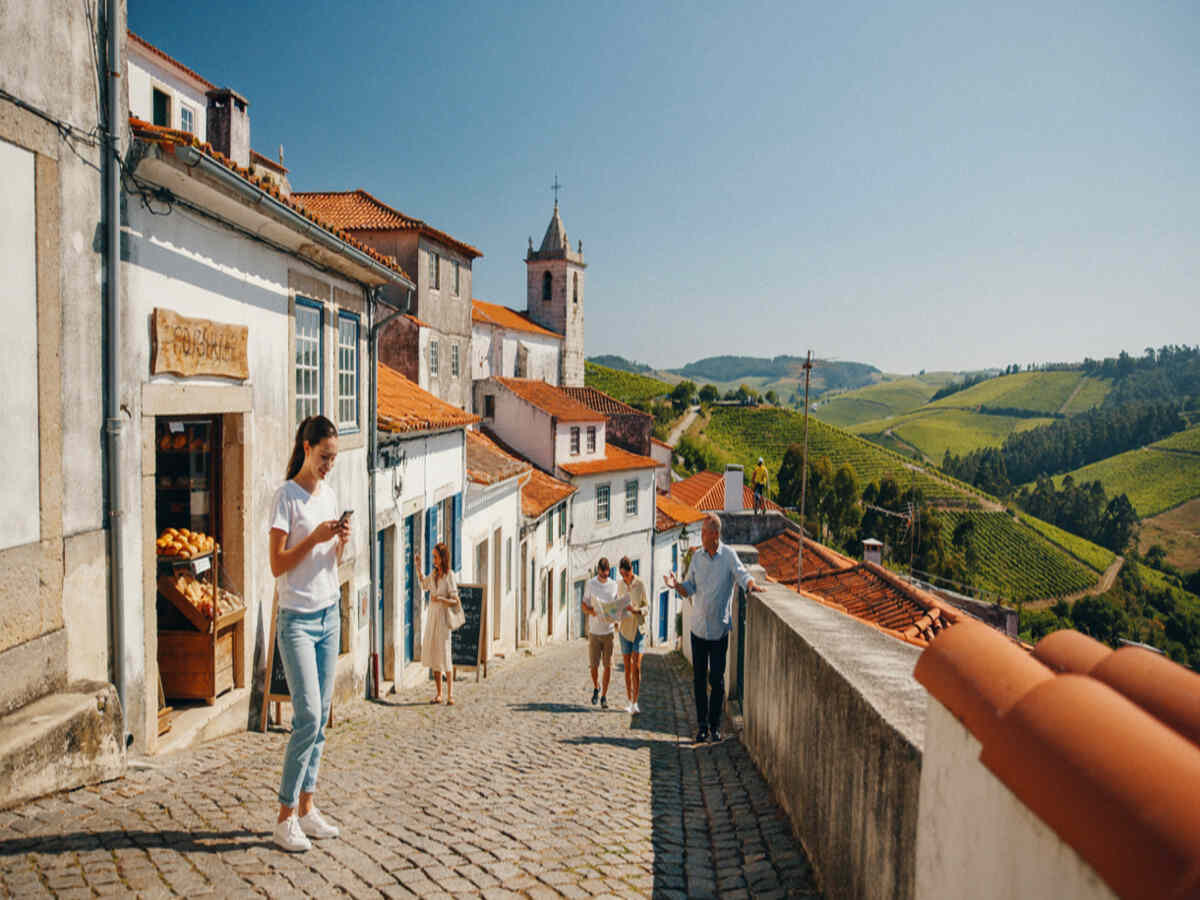
Image generated with Ai
Tourism sustainability in Portugal is reinforced by means of partnerships in Horizon Europe 2027 that will enable testing of innovations in the field of tourism in practice. The plan of one tourism SME from Northern Portugal involves the collaboration of local enterprises, historic landmarks, hospitality sector, and online booking systems.
Portugal is putting a fresh business-to-business tourism opportunity in the spotlight. A tourism SME in Northern Portugal wants to join strong European project teams for 2027. It can turn the region into a real place for testing new tourism ideas. The company can connect hotels, heritage sites, local transport and visitor services. It can also test ideas with real travellers and local firms. Horizon Europe has a dedicated 2027 topic for sustainable cultural tourism. This gives Portugal a timely chance to link tourism, research and real business use.
Advertisement
Advertisement
Portugal Brings Real Tourism Testing Into the Horizon Europe Race
The Portuguese SME is not trying to lead a Horizon Europe project. It wants to join as a pilot, implementation and market-testing partner.
The business already works in tourism and private hospitality. It builds visitor journeys in Northern Portugal by linking stays, cultural places, transport and destination content.
Advertisement
Advertisement
A European project could test an idea in a real setting. Researchers could see what works. Tourism firms could try new tools. Visitors could give feedback. The project could then improve the idea before taking it elsewhere.
Horizon Europe 2027 Creates a Strong Opening
The European Commission has listed “Future-proofing sustainable cultural tourism” in its Horizon Europe 2026–2027 work programme. The topic code is HORIZON-CL2-2027-01-HERITAGE-06.
Advertisement
Advertisement
The topic has an indicative budget of €14.5 million. The Commission estimates €4 million to €4.8 million in EU support for each selected project. Around three projects are expected to receive support. The call is planned to open on 13 May 2027 and close on 23 September 2027.
SME has not received funding, but is positioning for 2027 calls.
Advertisement
Advertisement
Key Details for the Tourism Industry
| Detail | Current position |
|---|---|
| Country | Portugal |
| Main area | Northern Portugal |
| Business type | Tourism and private hospitality SME |
| Main goal | Join European project consortia for 2027 |
| Preferred role | Pilot, implementation and market-validation partner |
| Main programme | Horizon Europe, with Interreg and other European cooperation also of interest |
| EU tourism topic | Future-proofing sustainable cultural tourism |
| Indicative topic budget | €14.5 million |
| Planned opening | 13 May 2027 |
| Planned deadline | 23 September 2027 |
| Core strengths | Hospitality links, heritage access, digital booking, visitor testing and market validation |
The Horizon Europe funding figures and timetable come from the European Commission’s current 2026–2027 work programme.
Why Northern Portugal Could Matter to Project Leaders
A project needs more than a good idea. It needs a place where people can test that idea. Northern Portugal may offer that space.
The SME says it has links with hospitality providers, cultural groups, heritage bodies and local mobility operators. It also has digital booking and direct sales tools.
A project could test a digital service or heritage visit. It could study visitor movement, local business use and whether travellers will book the final experience.
Advertisement
Advertisement
This gives project leaders evidence from real use, not only from reports.
EU Priorities Closely Match the Portuguese Offer
The Horizon Europe topic looks at stronger local places, technology and sustainable tourism.
One part of the call looks at artificial intelligence and new technology. Another looks at cultural tourism as a tool for local development.
The second part is highly relevant here. The Commission says projects should bring together local communities, creative businesses, local companies and cultural heritage groups. It also says projects may use living labs and pilot demonstrations.
That is close to what the SME offers. Partners can build, test and improve tourism products with real users.
Small Tourism Firms Could Gain a Bigger Voice
Large research projects often include universities, public bodies and technology firms. Yet small tourism businesses know what visitors ask for, book and reject.
Advertisement
Advertisement
The Portuguese SME wants to bring that business view into European projects. It can test ease of use, sales potential and whether an idea can keep working after funding ends.
This could be important for consortium leaders. They need to show that project results can work outside a research setting. A live tourism environment can make that testing much more practical.
Digital Booking Could Push Ideas Towards Real Sales
A tourism product can look good on paper. The real test comes when a visitor chooses whether to book it.
The company’s digital system can place a new cultural route or service into a real booking flow. Teams can then study user interest and feedback. This can show whether an idea can become a working tourism product.
The wider EU tourism strategy also supports stronger digital use by tourism SMEs and destinations. The European Commission sees digital tools as part of improving competitiveness, sustainability and resilience across the sector.
Universities and Public Bodies Remain Vital Partners
The SME is looking for universities, research groups, public authorities, destination bodies, heritage institutions, hotel groups, technology companies and other SMEs.
Advertisement
Advertisement
A university can measure results. A technology company can build a tool. A public body can link the project to local plans. A heritage group can protect the meaning of a place.
The Portuguese SME can help put those ideas into real tourism use.
The EU call itself also stresses links between local communities, businesses, heritage organisations, researchers and policymakers. It seeks models that can support sustainable local development and help smaller tourism actors join wider networks.
Portugal Could Become a Useful Test Base for Europe
Portugal is not being presented only as a place to visit. Northern Portugal is being offered as a place to test how future tourism may work.
The idea fits Horizon Europe. The EU wants cultural tourism projects that connect research with communities, small firms, digital change and sustainable local growth. The programme also encourages models that can be tested, shared and adapted across different destinations.
The shift toward sustainable tourism in Portugal may get an additional push from the Northern Portugal opening itself up to real-world testing through Horizon Europe 2027 consortia. Using the integration of hospitality, heritage, local transportation, online booking systems, and guest reviews, this project may contribute to turning research into tourism products. This approach allows small tourism firms to have an increased part in European innovative projects. With the right partnership, Northern Portugal may become a testbed for those concepts and models that will make visits to this region more comfortable and profitable.
Advertisement
