
Cabo Verde Tourism Explosion After Historic 2026 FIFA World Cup Miracle Sends Atlantic Island Nation Into Global Travel Spotlight With Record Search Growth and New Visitor Opportunities

Published
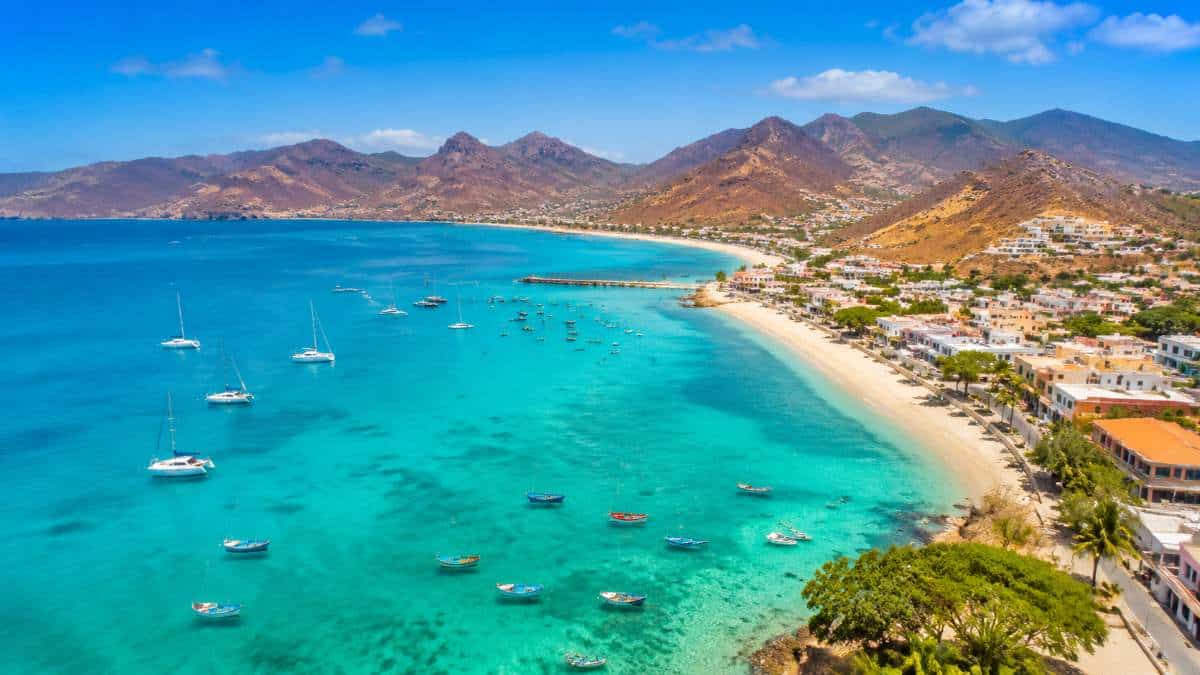
Cabo Verde (Cape Verde) has witnessed a dramatic surge in global tourism attention after its extraordinary 2026 FIFA World Cup journey transformed the small Atlantic island nation into one of the world’s most talked-about emerging destinations. The Blue Sharks’ historic football campaign has delivered a powerful international spotlight, driving increased travel searches, rising visitor interest and new opportunities for the country’s tourism sector.
The unexpected sporting success has introduced Cabo Verde’s beaches, volcanic landscapes, cultural traditions and island experiences to millions of potential travellers who previously knew little about the destination. The country is now using this unprecedented visibility to expand its tourism identity beyond traditional beach holidays and attract a wider global audience.
Advertisement
Advertisement
Cabo Verde’s Unforgettable World Cup Journey Creates Worldwide Tourism Attention
Cabo Verde entered the 2026 FIFA World Cup as one of the tournament’s biggest underdogs but produced a remarkable performance that captured global attention. The national team achieved a historic milestone by becoming the smallest nation by population ever to progress to the knockout stage of the competition.
The Blue Sharks remained unbeaten during the group stage, recording a goalless draw against European football powerhouse Spain, securing a dramatic 2–2 draw against Uruguay and completing their group matches with another 0–0 draw against Saudi Arabia.
Advertisement
Advertisement
The team’s inspiring campaign continued into the knockout stage, where Cabo Verde faced defending champions Argentina in a thrilling encounter. Despite eventually losing 3–2 after extra time, the performance strengthened the country’s international reputation and generated admiration among football supporters across continents.
The tournament also created global recognition for goalkeeper Josimar “Vozinha” Dias. His outstanding saves and leadership during the competition attracted widespread attention, helping bring additional focus to Cabo Verde through international media coverage and social media engagement.
Advertisement
Advertisement
Global Travel Searches Surge as Millions Discover Cabo Verde
The World Cup success created a major increase in interest among international travellers searching for new holiday destinations. Travel platforms reported significant growth in consumer curiosity, highlighting the strong connection between global sporting events and tourism demand.
The United States recorded one of the strongest increases in interest, with travel searches for Cabo Verde rising sharply after the national team’s performances attracted American audiences. The surge reflected growing demand for unique island destinations beyond traditional Caribbean and European holiday choices.
Advertisement
Advertisement
China also emerged as a major source of new interest. Travel companies reported a significant increase in Cabo Verde searches from Chinese travellers, alongside strong growth in flight and accommodation enquiries. Major cities including Shanghai, Beijing and Guangzhou contributed to the rising demand as more travellers explored the Atlantic destination.
European markets also showed renewed enthusiasm. Search activity from Germany increased considerably around Cabo Verde’s opening World Cup match, while tourism operators reported higher levels of enquiries and future booking interest.
This international attention has strengthened Cabo Verde’s position as an emerging destination with potential to attract visitors from markets that previously had limited awareness of the country.
Cabo Verde Moves Beyond Resort Tourism With Diverse Travel Experiences
For many years, Cabo Verde’s tourism image has been strongly connected with all-inclusive beach resorts, particularly on the islands of Sal and Boa Vista. The destination has traditionally attracted European holidaymakers seeking warm weather, ocean views and relaxing coastal escapes.
Advertisement
Advertisement
However, the new global recognition has encouraged a broader tourism strategy focused on cultural experiences, adventure travel and sustainable tourism.
The historic capital of Praia is gaining importance as a cultural destination, offering visitors opportunities to discover Cabo Verdean history, architecture and local traditions. The country’s famous morna music heritage also provides a unique cultural attraction that differentiates Cabo Verde from other island destinations.
Nature tourism is another growing opportunity. The mountainous landscapes of Santo Antão, including the scenic Paúl Valley, are attracting travellers interested in hiking, eco-tourism and authentic community-based experiences.
By promoting these diverse experiences, Cabo Verde aims to encourage longer stays, increase visitor spending and reduce dependence on traditional resort tourism.
New International Markets and Infrastructure Investment Support Tourism Growth
The World Cup-driven tourism boost comes at a crucial moment as Cabo Verde seeks to strengthen its position in the global travel market. The country is looking to use its increased visibility to expand beyond its established European visitor base and attract travellers from North America and Asia.
Improving aviation connectivity will be a key factor in achieving this goal. Stronger international links are expected to support future visitor growth by making the islands more accessible to long-distance travellers.
Advertisement
Advertisement
Tourism development programmes supported by international partners are also helping Cabo Verde improve infrastructure, strengthen local tourism businesses and enhance hospitality standards. Investment priorities include better visitor facilities, improved tourism services and expanded opportunities in areas such as sport tourism.
The country is also focusing on sustainable growth to ensure that rising visitor numbers benefit local communities while protecting its natural landscapes and cultural heritage.
Cabo Verde Becomes a Rising Global Tourism Powerhouse After Football Breakthrough
The 2026 FIFA World Cup has created a defining moment for Cabo Verde’s tourism industry. The nation’s historic football achievement delivered worldwide visibility that has accelerated international interest and positioned the islands among the world’s emerging travel destinations.
The combination of stunning beaches, volcanic scenery, cultural heritage and new global recognition has created a powerful tourism opportunity. Cabo Verde now has the chance to transform temporary World Cup excitement into long-term destination growth.
As travellers increasingly seek authentic experiences and lesser-known destinations, Cabo Verde stands ready to welcome a new generation of international visitors. The Blue Sharks’ unforgettable journey has not only changed the country’s sporting history but has also opened a new chapter for its tourism future.
Advertisement
