
Cordillera Blanca and Huayhuash Introduce Peru’s Alternative Trekking Boom as New Lima–Huaraz Flights Redirect Adventure Tourism Beyond Machu Picchu

Published
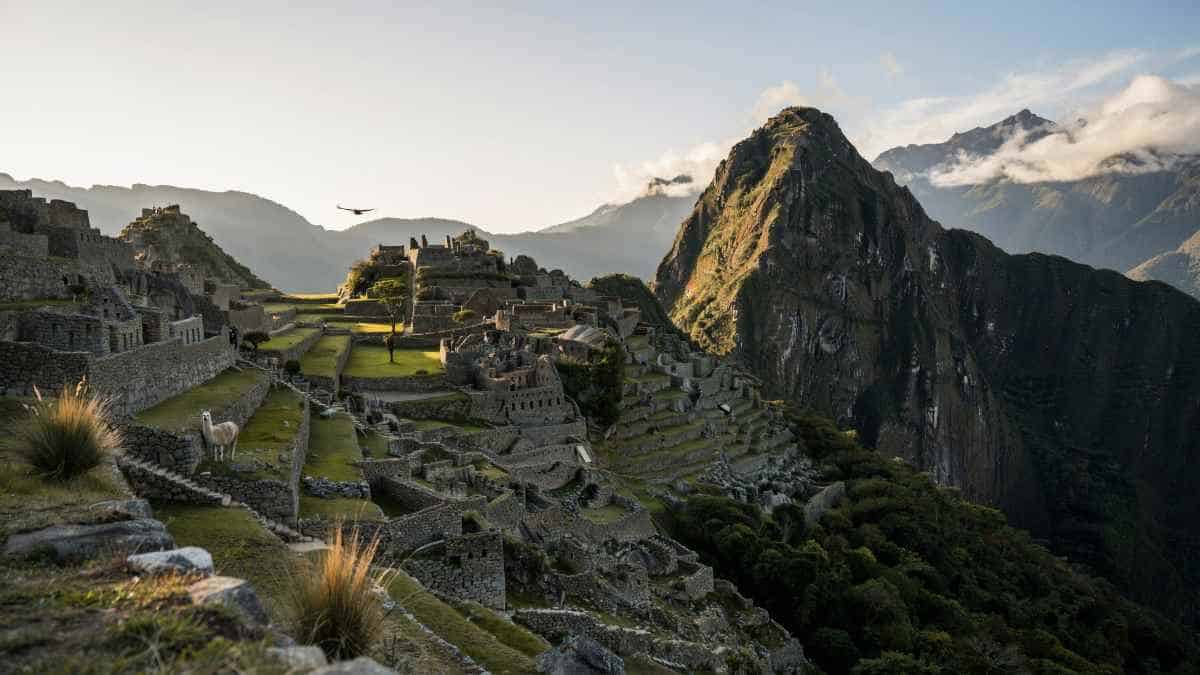
Peru is witnessing a notable shift in travel patterns as adventure seekers increasingly look beyond the traditional Sacred Valley and Machu Picchu circuit in favour of more remote trekking experiences in the Cordillera Blanca and Cordillera Huayhuash mountain ranges. Driven by concerns over overtourism and supported by improved accessibility through new direct flights between Lima and Huaraz, these spectacular Andean landscapes are rapidly emerging as some of South America’s most sought-after adventure tourism destinations.
For decades, Machu Picchu has served as Peru’s flagship attraction, drawing millions of visitors eager to explore the ancient Inca citadel and surrounding Sacred Valley. While demand remains strong, a growing segment of travellers is now searching for less crowded experiences that offer deeper immersion in nature, local culture and wilderness exploration.
Advertisement
Advertisement
The result is a growing interest in Peru’s northern Andes, where towering snow-capped peaks, turquoise glacial lakes and remote trekking routes are reshaping the country’s adventure tourism landscape.
Overtourism Encourages New Travel Choices
The rise of alternative trekking destinations reflects a broader global tourism trend.
Advertisement
Advertisement
Travellers are increasingly seeking experiences away from heavily visited landmarks, particularly in destinations where visitor numbers have placed pressure on infrastructure, communities and natural environments.
Machu Picchu remains one of the world’s most iconic archaeological sites, but increasing visitor management measures, timed entry systems and conservation concerns have encouraged some travellers to consider alternative itineraries.
Advertisement
Advertisement
Rather than focusing solely on famous attractions, many visitors now prioritise authenticity, solitude and deeper engagement with landscapes and local communities.
Peru’s mountain regions provide exactly that opportunity.
The Cordillera Blanca and Huayhuash ranges offer dramatic scenery and challenging trekking experiences without the crowd levels associated with more established tourism routes.
Cordillera Blanca Emerges as a Premier Adventure Destination
The Cordillera Blanca is increasingly recognised as one of the world’s most spectacular mountain regions.
Located within the Ancash region of northern Peru, the range contains the highest concentration of tropical glaciers on Earth and includes some of the tallest peaks in the Andes.
Visitors encounter towering mountains, pristine valleys, alpine meadows and crystal-clear lakes set against a backdrop of snow-covered summits.
Advertisement
Advertisement
The region is also home to Huascarán National Park, a UNESCO World Heritage Site that protects extraordinary biodiversity and some of Peru’s most remarkable natural landscapes.
Popular trekking routes include Laguna 69, Santa Cruz Trek and numerous high-altitude circuits that attract hikers, climbers and nature enthusiasts from around the world.
As awareness grows, the Cordillera Blanca is becoming a cornerstone of Peru’s adventure tourism offering.
Huayhuash Gains International Recognition
Alongside the Cordillera Blanca, the Cordillera Huayhuash is experiencing growing popularity among experienced trekkers.
Often described as one of the finest long-distance trekking destinations on the planet, the Huayhuash Circuit offers a challenging multi-day journey through some of South America’s most dramatic mountain scenery.
The range features jagged peaks, remote valleys, glacial lakes and high mountain passes that create an unforgettable wilderness experience.
Advertisement
Advertisement
Unlike more commercial trekking destinations, Huayhuash remains relatively untouched by mass tourism.
Its remote character appeals to travellers seeking adventure, isolation and a stronger connection with nature.
As global interest in expedition-style travel increases, the region is attracting a growing number of international visitors.
New Lima–Huaraz Flights Improve Accessibility
A key factor behind the rise of these destinations is improved air connectivity.
Historically, reaching Huaraz required lengthy overland journeys from Lima, often involving overnight bus travel through mountainous terrain. While these routes remain popular, new direct flights between Lima and Huaraz have dramatically improved accessibility.
The shorter travel time makes northern Peru’s mountain regions more attractive to both domestic and international visitors.
Advertisement
Advertisement
Improved access is particularly important for travellers with limited vacation time who wish to maximise their experiences in the Andes.
For tourism businesses, enhanced connectivity creates opportunities to develop new itineraries, attract broader visitor markets and support regional economic growth.
The flights are expected to play a major role in shaping the next phase of tourism development in the region.
Sustainable Tourism Opportunities
The growth of alternative trekking routes also supports broader sustainability objectives.
Diversifying visitor flows helps reduce pressure on heavily visited attractions while distributing tourism benefits across multiple regions.
Communities within the Ancash region increasingly benefit from trekking-related tourism through guiding services, accommodation, transportation and hospitality businesses.
Advertisement
Advertisement
By encouraging travellers to explore lesser-known destinations, Peru can strengthen tourism resilience while promoting more balanced regional development.
Sustainable tourism strategies often emphasise dispersing visitor demand, and the emergence of Cordillera Blanca and Huayhuash aligns closely with this approach.
Adventure Travel Continues to Expand
Adventure tourism remains one of the fastest-growing segments of the global travel industry.
Travellers are increasingly seeking experiences that combine physical activity, nature, personal achievement and cultural engagement. High-altitude trekking fits naturally within these preferences.
The Peruvian Andes offer a unique combination of adventure and accessibility.
Visitors can experience world-class trekking, traditional Andean communities, archaeological heritage and extraordinary natural landscapes within a single journey.
Advertisement
Advertisement
This diversity strengthens Peru’s appeal as a leading adventure tourism destination.
Why Huaraz Is Becoming Peru’s Adventure Gateway
Huaraz has emerged as the primary gateway to both mountain ranges.
The city provides access to trekking routes, climbing expeditions, guided tours and outdoor recreation opportunities throughout the region.
As visitor numbers increase, Huaraz is seeing growing investment in tourism services, accommodation and adventure travel infrastructure.
Its strategic location places travellers within easy reach of some of the most spectacular mountain environments in South America.
The city’s growing importance reflects the wider transformation taking place within Peru’s tourism sector.
Advertisement
Advertisement
Key Highlights
- Travellers are increasingly choosing Cordillera Blanca and Huayhuash over traditional Sacred Valley-only itineraries.
- Overtourism concerns are influencing destination choices.
- New direct Lima–Huaraz flights have improved access to northern Peru.
- Cordillera Blanca contains the world’s largest concentration of tropical glaciers.
- Huayhuash is regarded as one of the world’s premier long-distance trekking destinations.
- Regional tourism growth supports sustainable visitor distribution across Peru.
Chronological Tracker
Recent Years
Growing overtourism concerns encourage travellers to seek alternative destinations.
2026
New direct Lima–Huaraz flights improve access to Peru’s northern Andes.
2026 Onwards
Cordillera Blanca and Huayhuash experience increasing international trekking demand.
FAQ
Why are travellers choosing Cordillera Blanca and Huayhuash?
Many visitors are seeking less crowded, more immersive adventure experiences beyond the traditional Machu Picchu circuit.
How has accessibility improved?
New direct flights between Lima and Huaraz have significantly reduced travel times to the region.
What makes these destinations unique?
They offer spectacular Andean landscapes, high-altitude trekking, glacial scenery and remote wilderness experiences.
Conclusion
Peru’s adventure tourism landscape is evolving as travellers increasingly venture beyond Machu Picchu to explore the breathtaking Cordillera Blanca and Huayhuash mountain ranges. Supported by new Lima–Huaraz air connections and growing interest in alternative travel experiences, these remote Andean destinations are emerging as some of South America’s most exciting trekking regions. As overtourism continues influencing traveller behaviour worldwide, Peru’s glacier-filled wilderness is demonstrating how improved accessibility and sustainable destination development can create new opportunities while preserving the authenticity that modern adventurers increasingly seek.
Advertisement
