
Jibacoa Moves Alongside Baracoa and More as Cuba Reveals Its Quiet Coastal Side

Published
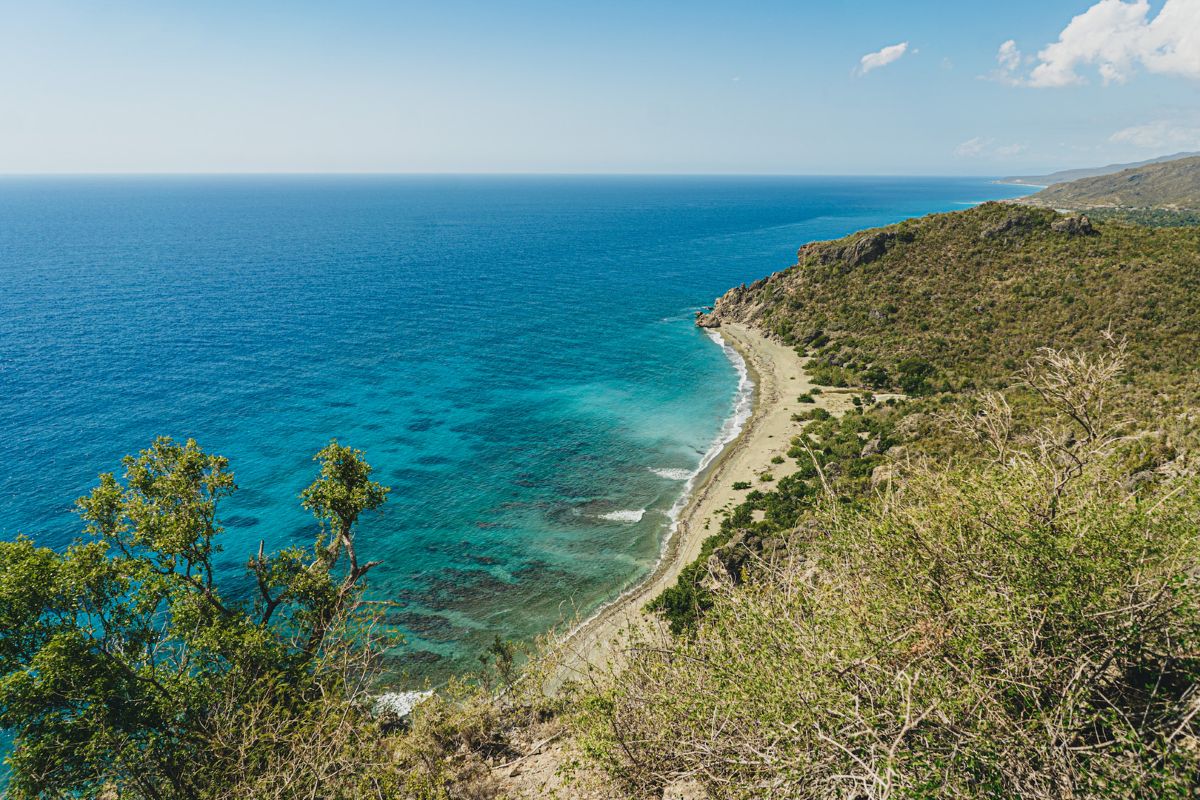
image credit: cuba.travel
Cuba is known for Havana’s old streets, Varadero’s beach resorts and classic cars. But the island has another side. It is quieter. It is greener. It is less crowded. It is filled with mountains, small fishing towns, deep forests and remote beaches.
Advertisement
Advertisement
For October travellers, these places offer a different kind of Cuban holiday. They are for people who want more than a resort stay. They want to walk in nature. They want to taste local food. They want to see a Cuba that moves at a slower pace.
Baracoa, Gibara, Cayo Jutías, Las Terrazas, Jibacoa and Desembarco del Granma National Park are among the strongest choices. Each offers a different view of the island. Together, they show that Cuba’s travel story goes far beyond its famous cities and beach hotels.
Advertisement
Advertisement
October can bring warm days, green landscapes and fewer visitors. Yet it is also part of the hurricane season. Travellers must plan carefully and stay flexible.
Baracoa Opens the Door to Cuba’s Wild East
Baracoa is one of Cuba’s most special places. It sits on the far eastern coast, between mountains, rivers and the Caribbean Sea. It was founded in 1511 and is known as Cuba’s first Spanish-founded town.
Advertisement
Advertisement
The town feels far from the busy resort areas. It has a strong local identity. Cocoa, coconut, seafood and tropical fruit are part of daily life. Visitors can enjoy local dishes, explore colourful streets and see a very different side of Cuban culture.
Nature is the main reason to visit. The nearby Alejandro de Humboldt National Park is one of the most important natural areas in the Caribbean. The park is part of the wider Cuchillas del Toa Biosphere Reserve. It protects rare plants, animals, forests and rivers.
Advertisement
Advertisement
Baracoa also gives visitors access to beaches such as Maguana, Cajuajo and Playa Miel. These beaches have a quieter feel than large resort beaches. They can suit travellers who want sea, sand and local character in one trip.
Baracoa is a strong tourism story because it joins history, culture and nature. It shows Cuba as a destination for adventure travellers and not only sun-seekers.
Gibara Brings Film Culture and Coastal Calm
Gibara is a small coastal town in Holguín Province. It has a peaceful bay, colonial-style streets and hills behind the town. It is less known than the nearby resort areas of Holguín.
The town has a gentle and relaxed feel. Fishing boats, seafood dishes and old buildings shape the visitor experience. It is also known for its international film festival. This gives Gibara a cultural edge that many small beach towns do not have.
Advertisement
Advertisement
Travellers can spend time walking along the waterfront, trying local crab dishes and exploring the town’s quiet lanes. The journey from Holguín also passes through rural landscapes. This makes Gibara a good stop for visitors who want to see life beyond a hotel zone.
Gibara works as an alternative Cuba story. It is not about large crowds. It is about a small town with a big cultural identity.
Cayo Jutías Is the Beach Beyond Viñales
Cayo Jutías offers one of western Cuba’s most appealing quieter beach escapes. It lies in Pinar del Río, the province best known for the Viñales Valley and tobacco farms.
The beach has long stretches of pale sand and clear water. Visitors can swim, snorkel, dive and enjoy the marine landscape. The area also has coral reefs and diverse sea life.
Cayo Jutías gives travellers a chance to combine two different Cuban experiences. They can first explore the limestone hills, farms and caves of Viñales. Then they can head to the coast for a slower beach day.
This makes it a useful choice for travellers who want variety. They do not have to choose between countryside and coastline. They can enjoy both in the same part of Cuba.
Advertisement
Advertisement
Las Terrazas Offers a Green Escape Near Havana
Las Terrazas is a community in the Sierra del Rosario Biosphere Reserve. It is west of Havana and can be reached by road. This makes it one of the easier nature escapes for people staying in the capital.
The area has hills, forest, lakes and birdlife. It is known for ecological tourism and community-based experiences. Visitors can walk, cycle, watch birds and learn more about the landscape.
Sierra del Rosario is important because it shows a greener side of Cuba. Many travellers think first of beaches and cities. This reserve changes that picture. It offers forest trails and a calm mountain setting.
Las Terrazas can also be a good option in October because the landscape becomes especially lush after rainfall. It is not a resort break. It is a chance to slow down and spend time outdoors.
Jibacoa Offers a Quieter North Coast
Jibacoa sits on Cuba’s north coast between Havana and Varadero. It is a useful choice for visitors who want beach time without the scale of a major resort area.
The coastline has cliffs, beaches, clear water and mangroves. The sea is known for its underwater scenery. The setting feels more private than the large hotel strips found in some other parts of Cuba.
Advertisement
Advertisement
Jibacoa is a simple but strong travel choice. It works for a short coastal break from Havana. It also suits travellers who want to avoid long internal journeys.
The destination shows that Cuba’s beaches are not limited to its famous resorts. There are smaller coastal areas where nature plays a bigger role.
Desembarco del Granma Delivers Cuba’s Most Dramatic Coast
Desembarco del Granma National Park is for travellers who want powerful landscapes. The park lies in south-east Cuba near Cabo Cruz. It is a World Heritage site with striking limestone terraces, cliffs and coastal scenery.
The landscape looks very different from Cuba’s soft sandy beaches. The sea meets high rock faces. The terrain tells the story of major geological change over time.
This is a destination for nature lovers, walkers and travellers interested in geology. It is also a reminder that Cuba has a wide range of landscapes within one island.
October Travel Needs Careful Planning
October can be rewarding in Cuba. Visitor numbers can be lower. Nature can look green and alive. However, the month is within the hurricane season, which runs from June to November. Heavy rain can bring flooding, landslides and travel disruption.
Advertisement
Advertisement
Cuba is also facing shortages of fuel, electricity and basic supplies. These problems can affect transport, water, accommodation and communications. Travellers should confirm transfers, carry enough cash, keep water and essential items available, and allow extra time for changes.
These challenges should not be ignored. They are part of the real travel picture. Cuba’s lesser-known places remain full of beauty and character, but October visitors need patience, flexibility and a responsible approach to local communities.
Advertisement
