
Coral Reef Decline Threatens Cruise Tourism as Global Heatwaves Cut Recovery Time

Published
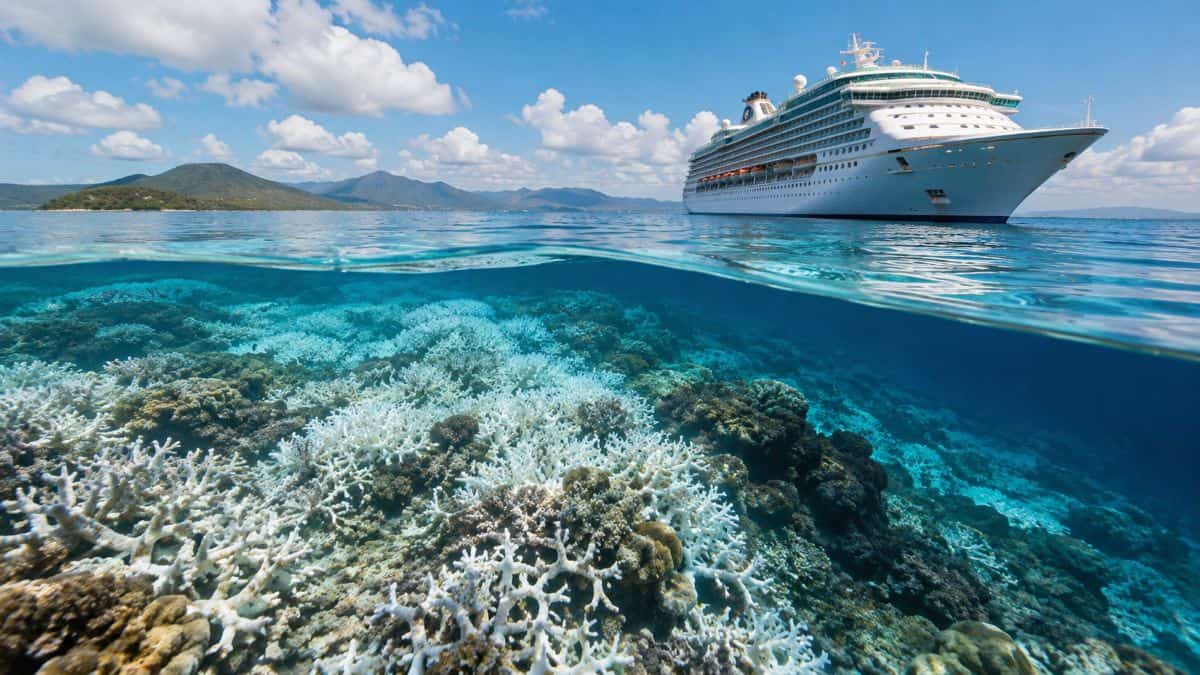
Image generated with Ai
Coral reefs are facing mounting pressure from marine heatwaves, bleaching and disease, creating fresh concerns for destinations where healthy underwater ecosystems are central to tourism and cruise experiences. A major global assessment released in 2025 provides an extensive picture of how reef conditions have changed across four decades, highlighting both the scale of the decline and the potential for recovery when local pressures are addressed. The assessment brings together more than 21 million observations from 36,886 reef sites, offering a substantially broader evidence base than previous global monitoring efforts. For travellers, cruise operators and coastal destinations, the findings underline the importance of protecting marine environments that support diving, snorkelling, wildlife encounters and wider destination appeal.
The report records a 9.5 per cent relative decline in global coral cover compared with the 1980–2009 baseline average, with particularly sharp losses occurring after mass bleaching events associated with marine heatwaves. Yet the picture is not uniformly negative. Some reef areas have demonstrated an ability to recover where local threats are effectively managed, reinforcing the value of conservation measures alongside wider efforts to reduce climate-related pressures. The findings are particularly relevant to the Caribbean and other popular cruise regions, where coral ecosystems contribute to the environmental character and visitor economy of coastal destinations.
Advertisement
Advertisement
Global Coral Reef Assessment Shows Scale of Environmental Change
The latest assessment represents one of the most extensive attempts to measure the condition of coral reefs worldwide. It uses approximately 21.1 million observations gathered across 36,886 reef sites and draws on four decades of monitoring. More than 600 partners contributed information through numerous reef monitoring networks.
The scale of the dataset provides stronger evidence for understanding long-term changes rather than relying on isolated observations. The assessment also expands substantially on the information available for the previous global report published in 2020.
Advertisement
Advertisement
| Indicator | Finding |
|---|---|
| Monitoring period | About 40 years |
| Reef observations | More than 21.1 million |
| Reef sites | 36,886 |
| Global coral-cover change | 9.5% relative decline from the 1980–2009 baseline |
| Monitoring partners | More than 600 |
| Previous assessment | 2020 |
| Key pressures | Marine heatwaves, bleaching and disease |
For travellers, the significance extends beyond the appearance of coral beneath the water. Reef ecosystems support complex marine communities and contribute to the environmental attractions that encourage visitors to explore coastal destinations.
Advertisement
Advertisement
Marine Heatwaves Are Reducing Reef Recovery Opportunities
Coral reefs naturally experience periods of disturbance and recovery, but repeated marine heatwaves can reduce the amount of time available between damaging events. Prolonged exposure to unusually warm seawater can trigger coral bleaching, leaving reefs vulnerable to additional stress.
The global assessment identifies mass bleaching events linked to marine heatwaves as a major factor behind some of the steepest reductions in coral cover. When disturbances occur repeatedly, ecosystems may have less opportunity to rebuild their coral structure before another event causes further damage.
This has direct implications for marine tourism. Snorkelling and diving are important components of many coastal holidays and cruise excursions, while reefs also help support fish populations and broader marine biodiversity. Changes in reef health can therefore influence both the ecological quality of an experience and the long-term attractiveness of a destination.
Advertisement
Advertisement
Caribbean Reef Health Creates Particular Tourism Concerns
The Caribbean remains one of the world’s major cruise regions, connecting travellers with island destinations known for warm waters, beaches and marine activities. The assessment identifies a strong decline in Caribbean coral cover, particularly following significant marine heatwaves and disease outbreaks.
That trend matters because cruise tourism frequently brings visitors into coastal environments where reef excursions form part of the wider destination experience. Declining coral ecosystems can affect wildlife encounters, underwater landscapes and the environmental assets that distinguish individual islands.
Advertisement
Advertisement
However, the findings do not suggest that every reef destination faces the same trajectory. Differences in local conditions and management mean that some areas can perform better than others, creating an important role for targeted conservation and monitoring.
Local Conservation Can Improve Reef Resilience
One of the report’s most important messages is that global environmental pressures do not eliminate the value of local action. Reef areas can recover when local stressors are controlled effectively.
For coastal destinations, this can mean strengthening management of activities and pressures that can be addressed locally while improving scientific monitoring. Protecting reef ecosystems requires an understanding of where damage is occurring, how quickly ecosystems are responding and which interventions are producing measurable improvements.
This evidence-based approach is particularly valuable for tourism authorities and marine managers. Reliable monitoring can help identify vulnerable reef areas, guide restoration priorities and inform decisions affecting visitors and businesses.
Cruise Tourism Has a Stake in Healthy Marine Ecosystems
The relationship between cruise travel and coral conservation is increasingly significant as travellers seek nature-based experiences. Reef destinations provide opportunities for snorkelling, diving, marine wildlife observation and educational excursions, while healthy coastal ecosystems contribute to the broader appeal of island holidays.
Advertisement
Advertisement
The reported global decline therefore has implications for the cruise sector as well as destination communities. Protecting marine attractions can help preserve experiences that passengers value while supporting the ecological foundations of coastal tourism.
Cruise operators and destinations also have an opportunity to incorporate conservation awareness into excursion planning and visitor education. Responsible tourism can complement scientific monitoring by encouraging travellers to understand the sensitivity of reef environments and the importance of avoiding additional local damage.
Science and Long-Term Monitoring Remain Essential
The breadth of the latest assessment demonstrates why sustained monitoring is important. A single survey can show conditions at a particular moment, whereas decades of observations reveal how ecosystems respond to repeated disturbances.
The evidence indicates that coral reefs remain under considerable pressure, but it also provides grounds for cautious optimism. Recovery in areas where local stressors are managed demonstrates that conservation measures can have practical value.
For tourism destinations, this makes scientific evidence an important foundation for environmental policy. Decisions based on consistent monitoring can help distinguish temporary disruption from longer-term ecosystem decline and identify where conservation resources may have the greatest effect.
Advertisement
Advertisement
Climate Action Remains Central to Reef Protection
Local conservation alone cannot address the full range of pressures facing coral reefs. Marine heatwaves are closely connected to broader climate conditions, making emissions reductions an important part of the long-term response.
The assessment points towards a combination of rapid emissions reductions, effective management of local pressures and sustained monitoring. Together, these measures can strengthen the prospects for reef resilience while helping decision-makers target interventions where they are most needed.
For travellers planning future cruise holidays, the condition of coral reefs is increasingly part of the wider sustainability story. The health of these ecosystems can influence the quality of marine experiences, the resilience of destinations and the long-term viability of nature-based tourism.
What the Findings Mean for Future Cruise Destinations
The latest global evidence presents a clear warning but also identifies opportunities. Coral reefs occupy only a small fraction of the ocean floor yet support more than a quarter of marine species, making their condition important well beyond tourism.
For cruise destinations, protecting reefs can help preserve biodiversity while maintaining attractions that draw visitors to coastal communities. The strongest results are likely to come from combining international climate action with practical local conservation, rigorous monitoring and responsible visitor management.
Advertisement
Advertisement
The message for the travel industry is increasingly straightforward: healthy marine ecosystems are not simply environmental assets. They are part of the natural infrastructure that supports memorable coastal travel and the economies built around it.
Frequently Asked Questions
1. What is the latest global coral reef assessment?
It is a major assessment of coral reef conditions using about 40 years of monitoring data from thousands of reef sites worldwide.
2. How much has global coral cover declined?
The assessment reports a 9.5 per cent relative decline compared with the 1980–2009 baseline average.
3. What is causing coral reef losses?
Marine heatwaves, mass bleaching, disease and other local pressures are among the major factors affecting reef health.
4. Why are coral reefs important to tourism?
They support diving, snorkelling, marine wildlife experiences and the natural appeal of many coastal destinations.
Advertisement
Advertisement
5. Is the Caribbean particularly affected?
The assessment reports a strong decline in Caribbean coral cover, particularly after major heatwaves and disease outbreaks.
6. Can damaged coral reefs recover?
Yes. Some regions have demonstrated recovery when local environmental pressures are effectively managed.
7. Why is long-term monitoring important?
Long-term monitoring reveals changes over time and helps scientists and managers identify patterns, risks and recovery.
8. How could reef decline affect cruise passengers?
Changes in reef health could affect underwater scenery, marine wildlife encounters and the quality of snorkelling and diving experiences.
9. Can local conservation solve the coral reef crisis?
Local conservation can reduce manageable pressures and improve resilience, but broader climate action is also necessary.
10. What is the main message for cruise destinations?
Protecting coral reefs is important for biodiversity, destination resilience and the long-term sustainability of marine tourism.
Advertisement
