
Brazil Shakes Up Global Wellness Travel By Creating The Perfect Sanctuary Deep Within Chapada Diamantina, Here’s The Latest Update

Published
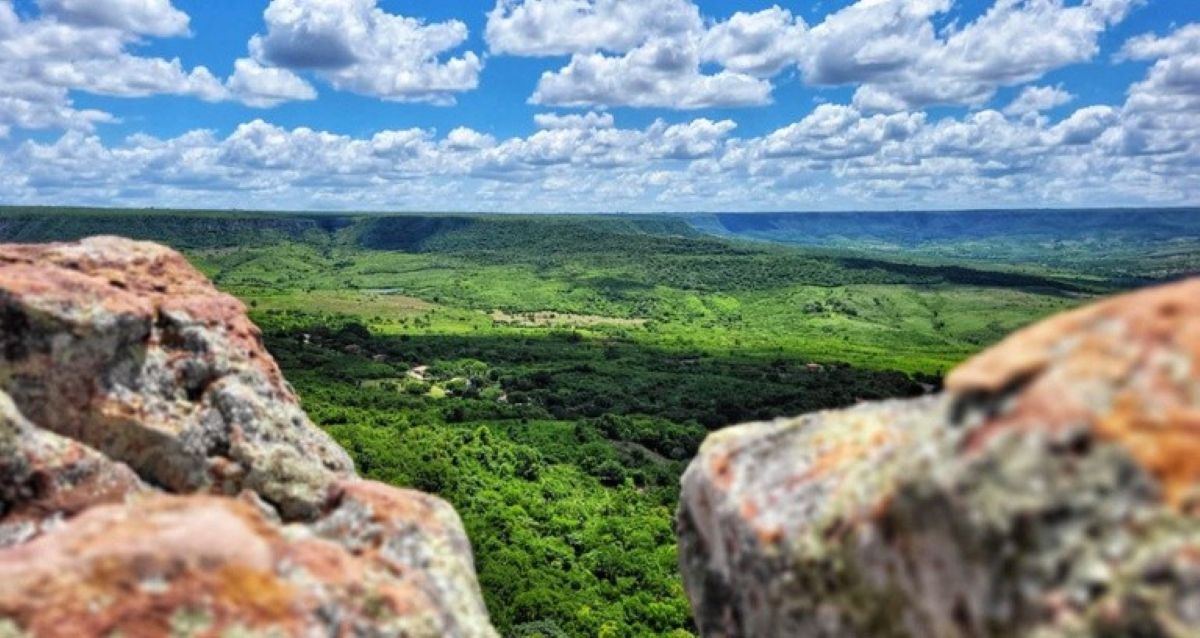
Image Credit gov.br
Travel has become a healing practice. Old school means to escape no longer do the trick. With a new wave of thoughtful travel practices, people can actually stop breathing and reconnect themselves to their authentic selves. Eden Sanctuary covers Brazil with spaces to heal. There is a unique healing capacity Brazil has to offer in large part thanks to Eden Sanctuary. Eden Sanctuary changed both Brazil and the practices of holistic travel remote, and if you want to go somewhere even more remote, then Eden Sanctuary in Brazil may be your answer. In Brazil people go to find healing and to escape the modern world by going to places with big, beautiful valleys and a living, intentional, and spiritual culture. This is a true escape from modern day traveling. This retreat will provide the traveler a physical environment in which to reshape and meet themselves.
Advertisement
Advertisement
Why We Chose Brazil to Create Eden Sanctuary for Global Conscious Tourism
The decision to build a dedicated sanctuary in Chapada Diamantina, Bahia, stems from a recognition that Brazil remains largely undiscovered within the global conscious tourism sector. Although Brazil covers nearly half of South America, mass international tourism historically concentrated on coastal cities and urban hubs. Meanwhile, regions like Bahia retained their serene, unpolluted natural beauty. By establishing a peaceful haven in Chapada Diamantina, the sanctuary offers international travelers a quiet, uncrowded alternative to traditional wellness corridors in Peru, Costa Rica, or Colombia.
Advertisement
Advertisement
This geographical choice redistributes global travel footprints and supports regional eco-tourism economies. Travelers who once followed standard South American routes now journey into central Bahia, directly boosting local infrastructure and rural conservation efforts. By diverting traffic away from overcrowded destinations, this initiative fosters a healthier balance within the international wellness travel market. As global demand for authentic healing retreats grows, this model demonstrates that long-term tourism success relies on protecting untouched ecosystems and offering genuine tranquility.
Simplifying International Logistics and Elevating Regional Hospitality Expectations
Advertisement
Advertisement
A common concern among long-distance travelers involves navigating complex transit logistics and language barriers in South America. However, Brazil maintains an extensive, efficient domestic flight network that seamlessly connects major international airports to regional destinations like Bahia. To ensure a stress-free experience, local hosts personally assist guests with every step of their journey, arranging transportation and offering guidance from the moment they land in Brazil.
This combination of modern infrastructure and personal care redefines international hospitality standards. Global travelers who experience smooth, supportive arrivals return home with elevated expectations for wellness operators worldwide. They increasingly demand human-centered care, seamless transit assistance, and authentic local warmth rather than transactional, impersonal hotel services. The genuine hospitality of local communities further reinforces a global shift toward empathetic, guest-focused travel.
Advertisement
Advertisement
Integrating Authentic Spiritual Diversity and Ancient Ethnobotanical Lineages
The unique cultural framework of Brazil provides a harmonious foundation for holistic personal healing. For thousands of years, Indigenous communities across the region maintained deep relationships with native botanical medicine and forest ecosystems. Over time, these foundational practices blended with African spiritual traditions brought to Bahia—such as Candomblé and Umbanda—alongside local Christian customs and Ayahuasca-centered spiritual churches like Santo Daime.
This living spiritual ecosystem fundamentally changes how the travel sector approaches cultural integration. Rather than reducing sacred traditions to tourist performances, visitors experience a culture where spirituality naturally permeates daily life. For travelers coming from high-stress or secular environments, immersing themselves in surroundings where sacred reverence, music, and nature coexist offers profound mental clarity and spiritual restoration.
Fostering Genuine Cultural Exchange and Immersive Human Connection
Advertisement
Advertisement
Authentic travel relies on organic cultural immersion rather than staged entertainment. Guests in Chapada Diamantina connect directly with the daily rhythms of Bahia, enjoying wholesome meals prepared with fresh, locally sourced regional ingredients. During ceremonies, traditional prayers and Portuguese songs passed down through generations are shared. On peaceful evenings, post-ceremony gatherings around the fire feature music, Samba, and Forró, creating an unscripted space for genuine human connection.
This commitment to authentic cultural exchange accelerates a global shift away from isolated resort bubbles. Modern travelers increasingly reject artificial tourist attractions in favor of meaningful engagement with local communities, art forms, and culinary traditions. When international visitors participate in communal dances like Forró or share local Bahian meals, they develop deep respect for local customs, creating lasting cross-cultural bridges.
Analyzing the Global Financial Impact of the Trillion-Dollar Wellness Travel Expansion
The worldwide movement toward holistic health and personal transformation has propelled the global wellness tourism industry into a colossal $1.06 trillion market, expanding at a robust compound annual growth rate of approximately 9.7%. Within this rapidly evolving economic sector, international wellness seekers demonstrate significantly higher spending power than conventional vacationers, allocating between $1,600 and $2,500 per retreat stay. This level of expenditure represents a remarkable 41% increase over standard leisure travel spending, highlighting a decisive shift toward high-value, impact-driven journeys.
Capturing these high-spending international travelers directly benefits regional economic ecosystems in Bahia. Unlike traditional beachgoers whose visits fluctuate seasonally and yield modest local spend, transformative retreat visitors invest in extended stays, organic local gastronomy, regional guide services, and specialized therapeutic care. Consequently, this sustained influx of international capital fundamentally strengthens local Gross Domestic Product, providing rural regions with reliable economic resilience while shifting the primary driver of regional tourism from mass leisure to high-yield conscious travel.
Evaluating the Rise of Carbon-Neutral Eco-Sanctuaries and Biodiversity Stewardship
Advertisement
Advertisement
Environmental accountability has shifted from a niche preference to a core requirement for modern conscious travelers, with more than 65% of global retreat participants actively seeking verified zero-waste or carbon-neutral accommodations. Situated in close proximity to Chapada Diamantina National Park—a protected expanse spanning over 1,500 square kilometers (370,000 acres) across the Cerrado and Mata Atlântica biomes—inland retreat sanctuaries establish a vital benchmark for ecological protection. These sanctuaries prove that high-end hospitality can coexist harmoniously with delicate ecosystems without causing environmental degradation.
To protect these pristine landscapes, retreat hubs integrate state-of-the-art solar power generation, advanced rainwater harvesting systems, and extensive native tree restoration projects directly into their operational models. By embedding strict conservation principles into their foundational infrastructure, these facilities ensure that rising numbers of international visitors actively support local biodiversity. As a result, this proactive approach transforms tourism from a potential environmental threat into a powerful catalyst for long-term ecological restoration.
Quantifying the Shift Toward Extended Length-of-Stay and Digital Detox Itineraries
While standard leisure vacations typically span 5 to 7 days, holistic plant-medicine and transformative wellness retreats generally require extended immersions ranging from 10 to 21 days per session. Research reveals that 78% of retreat participants enroll specifically to break free from workplace burnout and chronic digital stress, choosing to completely disconnect from electronic screens for an average of 7 consecutive days. This deliberate slowing of the travel pace reflects a broader global movement toward intentional, deeply restorative travel experiences.
From an environmental and economic perspective, longer stays dramatically optimize the impact of international travel. Extending the duration of a single trip significantly reduces the overall carbon emissions generated per day of travel, making long-distance journeys far more environmentally efficient. Furthermore, prolonged stays provide local hospitality workers, regional organic farmers, and holistic practitioners with steady, predictable income throughout the entire year, smoothing out traditional seasonal slumps and creating sustainable economic stability across rural communities.
Assessing the Economic Shift From Coastal Mass Tourism to Inland Eco-Tourism Corridors
Advertisement
Advertisement
For decades, coastal urban hubs such as Rio de Janeiro and Salvador captured nearly 45% of all tourism revenue generated in Brazil, leaving interior regions economically overlooked despite their immense natural wealth. However, the rise of world-class retreat centers in central Bahia has systematically redirected international capital deep into rural hinterlands. Regional eco-tourism across Chapada Diamantina has consequently experienced annual visitor growth exceeding 15%, opening up vital new economic avenues outside traditional urban corridors.
This geographic decentralization of tourism revenue generates direct, meaningful employment for local mountain guides, family-owned organic agricultural farms, and traditional craftspeople. By attracting discerning travelers away from overcrowded coastal beaches and into interior natural reserves, this model demonstrates that high-end retreat infrastructure can successfully revitalize remote rural economies, distribute wealth equitably, and preserve local cultural heritage without succumbing to the pitfalls of mass commercialization.
Measuring the Growing Demographics of International Solo Travelers and Gen Z Searchers
Solo travelers currently account for 58% of the global wellness tourism market, with individuals under 30 years of age making up more than 32% of total international arrivals. This shifting demographic underscores how younger generations prioritize experiential growth, mental health, and self-discovery over the acquisition of material luxury goods. As a result, the global travel industry is adapting to cater to independent searchers who value meaningful, life-changing experiences above traditional sight-seeing.
Providing safe, highly personalized, and structured group environments in peaceful rural settings like Vale do Capão addresses the primary security concerns of solo travelers, particularly solo female adventurers. By combining immersive nature with compassionate community support, retreat centers make long-distance international travel feel accessible, safe, and deeply empowering. This welcoming environment enables independent travelers to navigate unfamiliar foreign destinations with total confidence while forming lasting global connections.
Examining the Preservation and Integration of Ancient Ethnobotanical Knowledge Systems
Advertisement
Advertisement
Driven by a growing worldwide interest in natural remedies and holistic healing, the global botanical medicine and natural wellness industry is projected to reach $150 billion. Home to nearly 20% of the world’s total plant biodiversity, Brazil stands as an extraordinary living repository of ethnobotanical knowledge. Retreat centers operating in this region occupy a unique position at the intersection of ancient herbal wisdom and modern scientific wellness practices.
By establishing ethical partnerships with local Indigenous communities and traditional knowledge custodians, retreat sanctuaries create a respectful, sustainable model for plant medicine integration. Honoring ancestral lineages ensures that sacred botanical traditions are protected, preserved, and celebrated in their authentic contexts rather than exploited or commercialized by global corporate entities. This commitment to cultural integrity ensures that traditional healers remain the rightful stewards of their natural heritage.
Navigating Strategic Infrastructure Upgrades and High-Speed Regional Transit Networks
Historically, lengthy inland travel times posed a significant barrier to attracting international travelers to remote South American destinations. However, strategic regional infrastructure developments connecting major aviation hubs in São Paulo and Salvador directly to regional airfields like Lençóis Airport (LEC) have dramatically reduced inland transit times by up to 60%. These targeted transport improvements have effectively bridged the gap between remote wilderness regions and the global travel network.
When paired with coordinated private shuttles and upgraded regional highway corridors, these transit developments allow international visitors to travel from long-haul flights to quiet mountain sanctuaries in a matter of hours. By eliminating transit friction and simplifying long-distance travel, regional infrastructure upgrades set a new operational standard for remote eco-luxury travel, proving that distant natural havens can remain seamlessly accessible to global visitors.
Tracking the Long-Term Mental Health Outcomes and Physiological Benefits of Retreat Travel
Advertisement
Advertisement
Clinical research investigating immersive wellness retreats demonstrates that combining structured meditation, clean nutrition, and sacred ceremonial practices leads to a reduction in cortisol levels of up to 40%, with measurable psychological benefits lasting 6 to 12 months post-retreat. Given that global corporate costs related to chronic stress, anxiety, and employee burnout exceed $300 billion annually, these documented health outcomes carry major implications for the international healthcare and corporate travel sectors.
As scientific validation for holistic health grows, corporate wellness initiatives and busy global professionals increasingly view retreat sabbaticals as essential preventive healthcare investments rather than indulgent luxury vacations. Transforming the perception of wellness travel from a leisure activity into a vital tool for long-term health and mental clarity elevates the role of remote sanctuaries, establishing them as essential destinations for sustained personal and professional well-being.
The Final Verdict
Resort bubbles are the worst thing that could happen to travel. Most people never leave their resort. They miss a lot of opportunity to appreciate local art and even food right in front of them. Participation in local community events and music Forró nights create opportunities for friendships and relationships. Resort travelers miss out on the value of these international relationships. Chapada Diamantina is another penetrating travel experience. When you travel to this place, it is not about ticking boxes of items you missed in your busy schedule day-to-day life. Life is about achieving goals and purpose, but without it, life lacks rest. The state of Bahia has the ability to calm the buzz of life. It has lush air, music that’s mellow. The feeling doesn’t leave long after you have physically. Real travel has tangible excitement and is life-changing in and of itself.
Advertisement
