
Mexico Teams Up With Spain, Bahrain And More Among 98 Visa Free Travel Countries Boosting Tunisia Tourism

Updated
Published
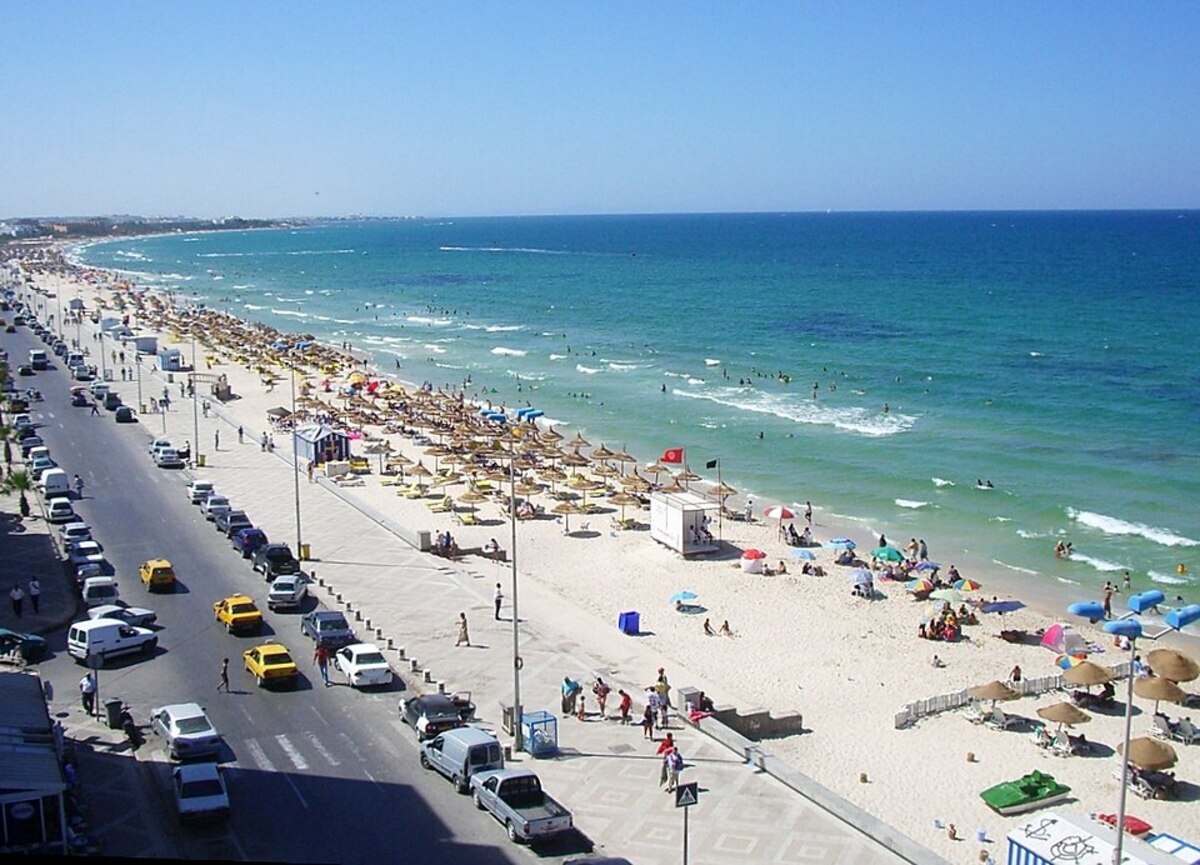
Mexico joins Spain, Bahrain and others among 98 countries and territories enjoying visa-free access to Tunisia as of October 2026. This is a sign that Tunisia is becoming a popular international tourist destination with its variety of attractions. Travellers can now enjoy Tunisia’s beautiful Mediterranean beaches, ancient Carthage ruins, lively historic cities, traditional markets and stunning Sahara Desert landscapes without needing to apply for a visa ahead of their trip. By making it easier for people from other countries to visit, Tunisia is boosting its reputation as an accessible and appealing North African and Mediterranean destination. This accessibility is likely to have a positive impact on hotels, resorts, tour operators and local businesses while also creating new opportunities for cultural tourism, coastal holidays and desert adventures.
Tunisia Tourism Surges with Rising Visitor Arrivals
Tunisia’s tourism industry continues to grow in 2026, supported by recovering European demand and strong arrivals from neighbouring countries. The country welcomed 5.83 million international visitors from January to July 2026, a 2.6% increase compared with 2025. Following a record 11 million arrivals in 2025, Tunisia is targeting more than 12 million visitors in 2026. Algeria, Libya, France, the United Kingdom, Germany and Italy remain important source markets, while Mediterranean beaches, historic landmarks and Sahara Desert experiences continue to attract international travellers.
Tunisia Tourism Contributes 14% to National GDP
Tunisia’s travel and tourism sector contributes approximately 14% of national GDP, worth TND 23 billion, while supporting nearly 418,000 jobs. The country welcomed 10.25 million international visitors in 2024 and over 11 million in 2025, reflecting strong tourism growth. With TND 7.5 billion in tourism revenue recorded in 2024, major source markets including Algeria, Libya, France, Germany, the UK and Italy continue to drive visitor demand and support Tunisia’s economy.
Tunisia Boosts International Tourism with Visa-Free Entry for 98 Countries:
| Country / Destination | Country / Destination |
|---|---|
| 1. Spain | 50. Mauritius |
| 2. Switzerland | 51. Seychelles |
| 3. Singapore | 52. Montenegro |
| 4. Ireland | 53. Antigua and Barbuda |
| 5. Malta | 54. Hong Kong |
| 6. United Kingdom | 55. North Macedonia |
| 7. Austria | 56. Bosnia and Herzegovina |
| 8. Greece | 57. Dominica |
| 9. Portugal | 58. Costa Rica |
| 10. New Zealand | 59. Mexico |
| 11. Iceland | 60. Vatican City |
| 12. Liechtenstein | 61. Russian Federation |
| 13. Monaco | 62. St. Kitts and Nevis |
| 14. Chile | 63. Maldives |
| 15. Hungary | 64. Honduras |
| 16. Poland | 65. Oman |
| 17. Croatia | 66. Saudi Arabia |
| 18. Slovakia | 67. Ukraine |
| 19. Slovenia | 68. Kuwait |
| 20. Latvia | 69. Bahrain |
| 21. Estonia | 70. St. Lucia |
| 22. Australia | 71. Fiji |
| 23. San Marino | 72. China |
| 24. Canada | 73. Moldova |
| 25. Brunei | 74. Kiribati |
| 26. Czechia | 75. Türkiye |
| 27. Lithuania | 76. South Africa |
| 28. United States | 77. Morocco |
| 29. Qatar | 78. Namibia |
| 30. United Arab Emirates | 79. Jordan |
| 31. Bulgaria | 80. Cape Verde Islands |
| 32. Romania | 81. Benin |
| 33. South Korea | 82. Gabon |
| 34. Japan | 83. Guinea |
| 35. Andorra | 84. Iran |
| 36. Sweden | 85. Mauritania |
| 37. Belgium | 86. Comoro Islands |
| 38. Denmark | 87. Burkina Faso |
| 39. Finland | 88. Niger |
| 40. France | 89. Senegal |
| 41. Germany | 90. The Gambia |
| 42. Italy | 91. Equatorial Guinea |
| 43. Luxembourg | 92. Mali |
| 44. Netherlands | 93. Côte d’Ivoire |
| 45. Norway | 94. Angola |
| 46. Malaysia | 95. Guinea-Bissau |
| 47. Argentina | 96. Algeria |
| 48. Barbados | 97. Libya |
| 49. Brazil | 98. Iraq |
TTW Founder and Editor-in-Chief, Mr. Anup Kumar Keshan, Says:“Tunisia’s growing international tourism appeal, supported by reported visa-free access for travellers from 98 countries and territories as of October 2026, including Mexico, Spain and Bahrain, highlights the importance of easier global mobility. These travel arrangements can encourage international visitors to explore Tunisia’s Mediterranean beaches, ancient Carthage ruins, rich cultural heritage and spectacular Sahara Desert landscapes. Greater accessibility can create opportunities for hotels, resorts, tour operators and local businesses while supporting tourism revenue and employment. As Tunisia strengthens its global tourism presence, improved travel connections can help attract more visitors and reinforce its position as a leading North African and Mediterranean holiday destination.”
Advertisement
Advertisement
Top Five International Airports in Tunisia Supporting Tourism and Global Travel

1. Tunis–Carthage International Airport – Gateway to Tunisia’s Capital
Tunis–Carthage International Airport (TUN) is a major international gateway serving Tunisia’s capital, Tunis. The airport connects visitors with the country’s administrative, commercial and cultural centre. Travellers arriving here can explore the UNESCO-listed Medina of Tunis, the archaeological site of Carthage and the picturesque coastal village of Sidi Bou Said. Its proximity to the capital makes it an important arrival point for business travellers, cultural tourists and visitors exploring northern Tunisia.
2. Enfidha–Hammamet International Airport – Gateway to Mediterranean Beach Resorts
Enfidha–Hammamet International Airport (NBE) serves Tunisia’s popular Mediterranean resort regions, particularly Hammamet, Sousse and Port El Kantaoui. The airport provides access to sandy beaches, seaside hotels, golf courses and family-friendly holiday attractions. Its location between major coastal tourism centres makes it particularly useful for holidaymakers travelling to resort accommodation. It also supports international leisure tourism and seasonal holiday travel to Tunisia’s eastern coastline.
Advertisement
Advertisement
3. Monastir Habib Bourguiba International Airport – Access to Historic Coastal Destinations
Monastir Habib Bourguiba International Airport (MIR) is an important gateway to Tunisia’s central Mediterranean coast. It serves travellers visiting Monastir, Sousse and Mahdia, where historic landmarks, traditional markets and beach resorts attract holidaymakers. Monastir is particularly recognised for its historic Ribat fortress and coastal scenery. The airport supports leisure tourism, resort transfers and international travel to destinations along the Sahel coastline.
4. Djerba–Zarzis International Airport – Gateway to Island Tourism and Coastal Holidays
Djerba–Zarzis International Airport (DJE) serves the island of Djerba and the nearby southern coastal region of Zarzis. Located approximately nine kilometres west of Houmt Souk, the airport provides access to sandy beaches, seaside resorts, traditional markets and Djerba’s distinctive cultural heritage. It is an important entry point for holidaymakers visiting southern Tunisia and exploring the island’s historic settlements, local crafts and Mediterranean landscapes. The airport also provides a useful gateway for journeys towards the country’s southern desert regions.
Advertisement
Advertisement
5. Sfax–Thyna International Airport – Gateway to Business Travel and Cultural Exploration
Sfax–Thyna International Airport (SFA) serves Sfax, one of Tunisia’s major commercial and industrial centres. Situated approximately six kilometres southwest of the city, the airport supports regional connectivity and provides access to central and southern Tunisia. Travellers can discover the historic Medina of Sfax, traditional markets and the nearby Kerkennah Islands, known for their fishing communities and peaceful coastal surroundings. The airport is particularly relevant for business visitors and travellers interested in exploring destinations beyond Tunisia’s main resort areas.
| No. | Airport Name | Location | IATA Code | Key Tourism Destinations |
|---|---|---|---|---|
| 1 | Tunis–Carthage International Airport | Tunis | TUN | Tunis, Carthage, Sidi Bou Said |
| 2 | Enfidha–Hammamet International Airport | Enfidha | NBE | Hammamet, Sousse, Port El Kantaoui |
| 3 | Monastir Habib Bourguiba International Airport | Monastir | MIR | Monastir, Sousse, Mahdia |
| 4 | Djerba–Zarzis International Airport | Djerba | DJE | Djerba, Houmt Souk, Zarzis |
| 5 | Sfax–Thyna International Airport | Sfax | SFA | Sfax, Kerkennah Islands |
Top Five Tunisian Airlines Supporting International Travel, Tourism and Aviation Connectivity in 2026:

1. Tunisair – Tunisia’s National Carrier and International Gateway
Tunisair, founded in 1948, is Tunisia’s national airline and one of the country’s most established aviation companies. Based at Tunis–Carthage International Airport, it provides international passenger connections linking Tunisia with destinations across Europe, Africa and other markets. Its network has included cities such as Paris, Rome, Frankfurt, Cairo and Montreal, although individual routes and frequencies may change. The airline supports international tourism, business travel and journeys by Tunisians living abroad. It also plays an important role in bringing visitors to Tunisia’s cultural landmarks, coastal resorts and historic destinations.
2. Nouvelair – Strengthening Mediterranean Leisure Travel
Nouvelair, established in 1989, is a prominent private Tunisian passenger airline with a strong connection to the country’s leisure tourism industry. The carrier operates international services connecting Tunisian destinations with European markets and supports access to popular holiday areas such as Hammamet, Monastir, Sousse and Djerba. Its operations include scheduled passenger services and leisure-oriented travel. Nouvelair helps connect international visitors with Mediterranean beach resorts, historic towns and cultural attractions while supporting tourism-related businesses, accommodation providers and local economies.
3. Tunisair Express – Connecting Tunisia’s Regional Tourism Destinations
Tunisair Express is a regional airline affiliated with Tunisair, specialising in domestic and short-haul international services. Its official network information identifies Tunis, Djerba, Sfax, Tozeur and other regional airports as important points in its domestic operations. The airline also identifies nearby Mediterranean destinations such as Malta, Palermo and Naples within its regional network. These services support domestic mobility, business travel and access to destinations beyond Tunisia’s main coastal resorts. Regional connectivity is particularly valuable for visitors exploring Djerba’s cultural attractions, Tozeur’s desert landscapes and Tunisia’s lesser-known inland destinations.
Advertisement
Advertisement
4. Jasmin Airways – Charter Aviation and Specialised Passenger Services
Jasmin Airways is a Tunisian aviation company associated with charter and specialised passenger operations. Unlike major scheduled carriers, charter-focused airlines generally provide services arranged for particular groups, organisations or travel programmes rather than maintaining extensive publicly available scheduled networks. Such operations can support organised leisure travel, corporate groups and specialised transport requirements. Within Tunisia’s wider tourism industry, charter aviation can complement established passenger airlines by providing additional travel options for particular markets. However, Jasmin Airways’ current operating authorisation, fleet and active services in October 2026 have not been confirmed through the official sources reviewed, so it should not be described as a verified active scheduled carrier.
5. Express Air Cargo – Supporting Tunisia’s International Trade and Logistics
Express Air Cargo is a Tunisian private aviation company specialising in international freight transport. Tunisia’s Ministry of Transport identifies it as a commercial air cargo operator rather than a scheduled passenger airline. Air freight supports the movement of commercial goods and time-sensitive shipments between international markets. Although the company does not directly transport holidaymakers, cargo aviation forms part of the infrastructure supporting Tunisia’s wider economy, including businesses that supply the hospitality and tourism industries. Its inclusion illustrates the difference between passenger connectivity and the broader aviation services that support international commerce.
| No. | Airline | IATA Code | Aviation Category | Primary Role |
|---|---|---|---|---|
| 1 | Tunisair | TU | National airline | International scheduled passenger travel |
| 2 | Nouvelair | BJ | Private airline | International leisure and passenger travel |
| 3 | Tunisair Express | UG | Regional airline | Domestic and regional connectivity |
| 4 | Jasmin Airways | JO | Charter airline | Charter and specialised passenger services |
| 5 | Express Air Cargo | 7A | Cargo airline | Freight transport and logistics |
Five Leading Hotels in Tunisia Supporting Luxury Tourism, Beach Holidays and International Travel in 2026:

1. Four Seasons Hotel Tunis – Luxury Mediterranean Hospitality
Located in Gammarth near Tunis, Four Seasons Hotel Tunis offers upscale accommodation overlooking the Mediterranean Sea. The property combines elegant guest rooms, fine dining, swimming pools, spa experiences and event facilities. Its coastal setting provides convenient access to the ancient ruins of Carthage and the picturesque village of Sidi Bou Said. The hotel attracts luxury holidaymakers, couples, families and corporate visitors seeking premium accommodation near Tunisia’s capital.
2. The Residence Tunis – Premium Wellness and Golf Tourism
The Residence Tunis, situated along the Gammarth coastline, is a luxury resort known for its Mediterranean surroundings, spa facilities and golf experiences. The property offers spacious accommodation, dining venues, wellness treatments and access to leisure activities. Its location near Tunis makes it attractive to international travellers combining relaxation with cultural sightseeing. Guests can explore nearby historic attractions while enjoying a peaceful coastal environment.
3. Iberostar Selection Kantaoui Bay – Beachfront Resort Tourism in Sousse
Iberostar Selection Kantaoui Bay is a five-star beachfront resort in the Port El Kantaoui area near Sousse. The hotel offers Mediterranean sea views, swimming pools, restaurants, wellness facilities and leisure activities. Its location makes it appealing to families, couples and international holidaymakers looking for relaxing coastal holidays. Visitors can also discover the historic Medina of Sousse, local markets and the nearby marina, combining beach tourism with cultural exploration.
4. Hilton Skanes Monastir Beach Resort – Family-Friendly Coastal Holidays
Hilton Skanes Monastir Beach Resort is a Mediterranean beachfront property serving Tunisia’s Monastir tourism region. The resort features indoor and outdoor swimming pools, dining facilities, recreational amenities and family-oriented experiences. Its coastal location makes it suitable for beach holidays, leisure breaks and visitors exploring the historic attractions of Monastir and nearby Sousse. The hotel contributes to Tunisia’s international hospitality offering through resort accommodation and family tourism facilities.
Advertisement
Advertisement
5. Tunis Marriott Hotel – Modern Luxury and Business Travel
Tunis Marriott Hotel is a five-star property in Tunisia’s capital, offering 199 rooms and suites, contemporary accommodation, restaurants, a fitness centre and a rooftop bar. The hotel caters to business travellers, international visitors and holidaymakers interested in exploring Tunis. Its location provides access to cultural landmarks such as the Medina of Tunis, the Bardo National Museum and the ancient ruins of Carthage. The property supports city tourism, corporate travel and premium hospitality services.
| No. | Hotel Name | Location | Main Attraction |
|---|---|---|---|
| 1 | Four Seasons Hotel Tunis | Gammarth, Tunis | Luxury coastal hospitality |
| 2 | The Residence Tunis | Gammarth | Spa, golf and Mediterranean relaxation |
| 3 | Iberostar Selection Kantaoui Bay | Port El Kantaoui, Sousse | Beachfront resort holidays |
| 4 | Hilton Skanes Monastir Beach Resort | Monastir | Family holidays and resort facilities |
| 5 | Tunis Marriott Hotel | Tunis | Luxury city stays and business travel |
Tunisia City Guide:
Tunisia, a captivating destination in North Africa, offers an extraordinary combination of rich history, diverse landscapes and Mediterranean coastal beauty. Despite its relatively small size, the country features golden sandy beaches, crystal-clear waters, charming seaside towns and a vibrant cultural heritage. Beyond its popular coastal resorts, travellers can discover ancient archaeological sites, traditional markets, lush northern forests and the spectacular Sahara Desert in the south. From relaxing Mediterranean holidays to exciting desert adventures and cultural exploration, Tunisia offers unforgettable travel experiences within a remarkably diverse landscape.
Top 5 Historic Attractions in Tunisia Showcasing Ancient Civilisations and Cultural Heritage:

1. Amphitheatre of El Jem (Thysdrus) – Tunisia’s Magnificent Roman Landmark
The Amphitheatre of El Jem, located in the historic town of El Jem, is one of Tunisia’s most remarkable archaeological attractions and a UNESCO World Heritage Site. Built during the third century CE, this enormous Roman amphitheatre could accommodate an estimated 35,000 spectators, making it one of the largest surviving structures of its kind in the Roman world. Measuring approximately 149 metres long and 124 metres wide, the monument features impressive stone arches, towering seating levels and underground chambers once used by gladiators and wild animals. Visitors can explore its ancient passageways, climb the surviving seating tiers and admire panoramic views of the arena. Its extraordinary architecture reflects the wealth and influence of Roman North Africa.
2. Bardo National Museum – Tunisia’s Extraordinary Collection of Roman Mosaics
The Bardo National Museum, situated near central Tunis, is among North Africa’s most important archaeological museums. Renowned for its exceptional collection of ancient Roman mosaics, the museum offers visitors a fascinating insight into the daily lives, artistic traditions and cultural achievements of past civilisations. Its exhibitions include remarkable sculptures, Punic artefacts, Hellenistic artworks and intricately designed mosaics depicting mythology, wildlife and historical scenes. Housed within a historic palace complex shaped by successive Tunisian rulers, the museum combines traditional architecture with modern exhibition spaces. It remains a significant cultural attraction for travellers interested in Tunisia’s Roman heritage, archaeological discoveries and Mediterranean history.
3. Bulla Regia – Discover Tunisia’s Remarkable Underground Roman Villas
Bulla Regia, located near Jendouba in northwestern Tunisia, is an extraordinary archaeological site famous for its underground Roman villas and beautifully preserved mosaics. Unlike conventional Roman settlements, many wealthy residents constructed luxurious rooms beneath ground level to escape the intense summer heat. Visitors can explore remarkable residential complexes, including the House of Amphitrite, House of the Hunt and House of Fishing, featuring elegant courtyards, decorative floors and ancient architectural innovations. The site also contains Roman baths, temples, a theatre and early Christian remains. These exceptional underground structures provide a rare opportunity to experience the sophisticated lifestyle, engineering knowledge and artistic achievements of ancient Roman communities.
4. Byrsa Hill – Explore the Ancient Heart of Carthage
Byrsa Hill, overlooking the historic city of Carthage near Tunis, is one of Tunisia’s most significant archaeological and cultural landmarks. Once an important centre of the powerful Carthaginian civilisation, the hill preserves traces of ancient residential neighbourhoods, stone foundations, streets and underground water-storage systems. During the Punic period, the site was associated with religious buildings and urban settlements before Roman conquest transformed the surrounding landscape. Visitors can discover surviving archaeological remains and enjoy spectacular views across the Gulf of Tunis and the ancient Punic harbours. Byrsa Hill offers a fascinating connection to Tunisia’s early Mediterranean history and the legacy of Carthage.
5. Great Mosque of Kairouan – Tunisia’s Iconic Islamic Architectural Treasure
The Great Mosque of Kairouan, also known as the Mosque of Uqba, is one of Tunisia’s most important religious and architectural monuments. Originally established in 670 CE, the mosque was extensively rebuilt during the ninth century under the Aghlabid dynasty. Its impressive architecture features a vast marble-paved courtyard, monumental prayer hall, distinctive horseshoe arches and one of the oldest surviving minarets in North Africa. The complex also contains beautifully decorated wooden doors, historic columns and intricate Islamic artistic details. Located within the UNESCO-listed historic city of Kairouan, the mosque attracts visitors interested in Islamic heritage, traditional architecture and Tunisia’s rich cultural history. Non-Muslim visitors may access designated areas, subject to applicable visiting rules.
Advertisement
