
Bayfield Aligns with Door and More Wisconsin Counties in United States Welcome Autumn Travel from Today

Published
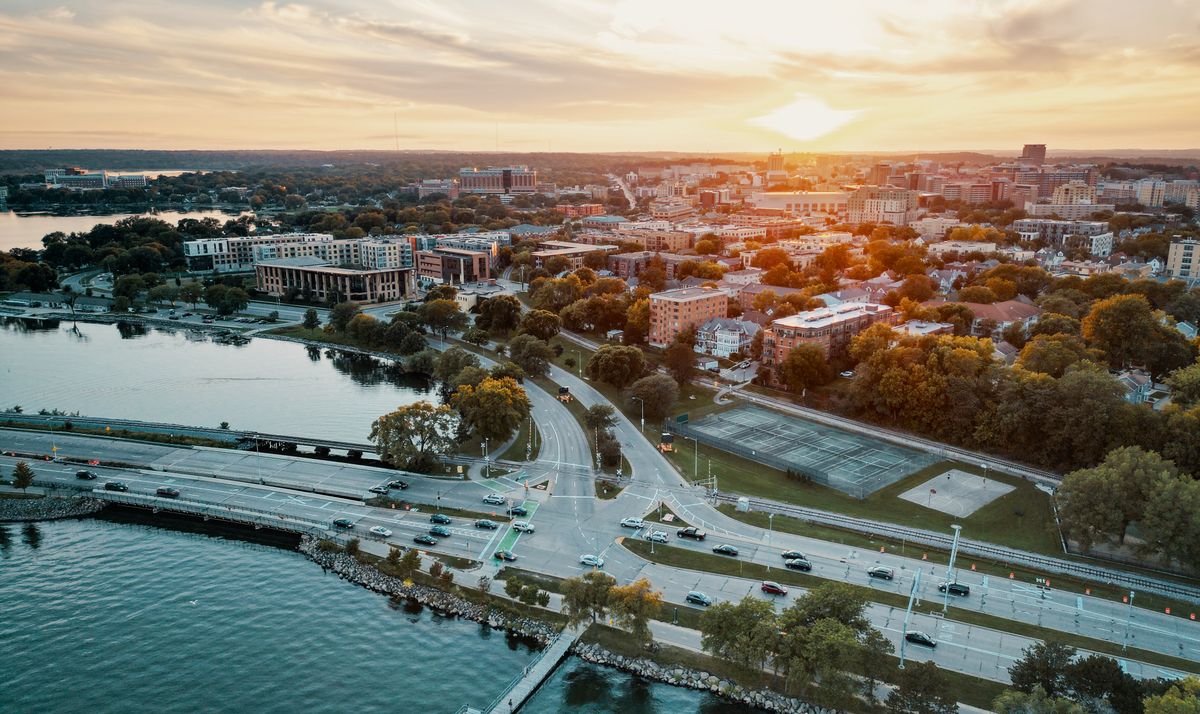
Image generated with Ai
Bayfield aligns with Door and more Wisconsin counties in the United States as autumn travel begins today, ending summer escapes with colourful forests, harvest events and cooler journeys. Bayfield aligns with Door and more Wisconsin counties in the United States as autumn travel begins today. The seasonal shift is now reshaping journeys across Wisconsin. Summer travel is giving way to cooler days, changing forests and harvest experiences.
Meanwhile, northern counties are moving first, while central and southern destinations prepare for their own autumn surge. As a result, travellers can follow the colour southwards rather than rush into one short trip.
Advertisement
Advertisement
Bayfield brings Lake Superior scenery and apple-country attractions, while Door County adds orchards, festivals and waterfront views. Together, these destinations signal that Wisconsin’s autumn travel season is officially gathering momentum.
“Wisconsin’s transition into autumn is a remarkable opportunity for travellers to experience the destination in a completely different way. Bayfield, Door County and other communities are showing how seasonal tourism can create fresh reasons to explore, discover and stay longer. The combination of colourful landscapes, local festivals, harvest experiences, outdoor recreation and welcoming communities gives autumn travel a strong and distinctive appeal. This seasonal shift also demonstrates the resilience of Wisconsin’s tourism industry, as the end of summer opens the door to a new wave of visitor experiences. Travellers can follow the changing colours across the state and discover something memorable in every county.” — Anup Kumar Keshan, Founder and Editor-in-Chief, Travel And Tour World
Advertisement
Advertisement
Wisconsin Says Goodbye to Summer
Wisconsin is beginning its annual transition from summer holidays to autumn travel, with foliage, harvest festivals, scenic drives and cooler-weather experiences gradually taking over from the state’s traditional lake-and-camping season.
The change does not happen simultaneously across Wisconsin. Autumn typically moves from the northern counties towards central and southern parts of the state, giving travellers an extended opportunity to follow the changing landscape.
Advertisement
Advertisement
For visitors planning a September or October trip, the timing matters. Northern Wisconsin can begin showing autumn colour while parts of southern Wisconsin are still enjoying late-summer conditions. By October, the focus increasingly turns towards fall foliage, orchards, food festivals, hiking, scenic road trips and seasonal community events.
The following 10 counties provide a useful snapshot of how Wisconsin’s travel industry moves from summer into autumn.
Advertisement
Advertisement
Bayfield County: Lake Superior Leads the Autumn Shift
Bayfield County is among Wisconsin’s most compelling early autumn destinations, particularly for travellers seeking a combination of changing forests and Lake Superior scenery. The county’s position in northern Wisconsin means its autumn transformation generally begins earlier than in the southern part of the state.
The Bayfield area is also closely associated with apple orchards, seasonal food experiences and outdoor recreation. The Bayfield Apple Festival in October adds another important tourism draw as the region moves deeper into autumn.
For travellers, the county represents more than a foliage destination. Scenic roads, waterfront landscapes, orchards and nearby outdoor attractions create a broader autumn itinerary. As summer crowds begin to decline, Bayfield offers a distinctly seasonal travel experience built around nature, harvest and the changing northern landscape.
Door County: Summer Favourite Becomes an Autumn Powerhouse
Door County remains one of Wisconsin’s best-known leisure destinations, but its tourism appeal does not disappear when summer ends. Instead, the peninsula enters another important phase as foliage, harvest activities and autumn festivals become increasingly prominent.
Advertisement
Advertisement
October is particularly significant, with colourful forests, cooler temperatures and seasonal events attracting visitors who prefer road trips and outdoor exploration over peak-summer beach and boating holidays.
Sister Bay and other communities across the peninsula become important autumn stops, while orchards, farm markets, restaurants and waterfront communities help extend the tourism season. The county demonstrates why Wisconsin’s autumn economy should not be viewed simply as a replacement for summer. Door County effectively changes its tourism proposition, moving from a classic warm-weather destination towards a food, foliage, festival and scenic-drive destination.
Vilas County: The Northwoods Moves Into Peak Foliage Season
Vilas County is synonymous with Wisconsin’s Northwoods and is one of the counties travellers should watch when planning an early autumn escape. Its extensive forests and large concentration of lakes create a landscape particularly suited to foliage viewing and outdoor recreation.
As summer gives way to cooler weather, boating and swimming gradually share the spotlight with hiking, photography, fishing, scenic driving and woodland exploration.
The county’s many lakes remain part of the travel experience even after the busiest summer period has passed. Cabins and resorts can also provide an alternative to traditional summer accommodation, particularly for travellers looking for a quieter seasonal break.
For foliage seekers, Vilas County is strategically important because northern Wisconsin generally changes colour before the state’s central and southern counties.
Advertisement
Advertisement
Langlade County: Scenic Roads Mark the Seasonal Transition
Langlade County provides another strong example of Wisconsin’s early autumn transition. Located in northern-central Wisconsin, it benefits from extensive woodland landscapes and outdoor attractions that become particularly attractive when the leaves begin to change.
The county is well suited to travellers interested in scenic driving and outdoor recreation. Autumn roads provide a straightforward way to experience changing colours without requiring an intensive itinerary, while trails and waterways offer opportunities for hiking and exploration.
The seasonal transition also changes the atmosphere of local tourism. After the intensity of the summer holiday period, autumn brings a quieter travel environment while maintaining access to many of the activities that make northern Wisconsin popular.
Langlade therefore sits firmly within the early phase of Wisconsin’s broader autumn tourism movement.
Marinette County: Forests, Waterfalls and Autumn Road Trips
Marinette County offers a particularly diverse autumn travel proposition, combining forests, waterways and waterfalls with a substantial network of roads suitable for seasonal sightseeing.
As temperatures fall, outdoor travellers can exchange some of the traditional summer activities for hiking, waterfall visits and foliage-focused road trips. The county’s natural scenery makes it especially suitable for travellers who want an active autumn experience rather than simply viewing leaves from a vehicle.
Advertisement
Advertisement
Its location in north-eastern Wisconsin also places it within the earlier stages of the statewide colour progression.
For the travel industry, Marinette illustrates how autumn can diversify demand. Visitors are not necessarily travelling for one attraction alone; they can combine scenery, recreation, photography and small-community stops into a multi-day itinerary.
La Crosse County: Festivals Keep Tourism Moving Beyond Summer
La Crosse County demonstrates another side of Wisconsin’s autumn tourism economy. Rather than relying entirely on foliage, the area combines seasonal scenery with a strong event calendar.
The Mississippi River and surrounding bluffs create a distinctive landscape for autumn travellers, while La Crosse’s events help maintain visitor activity as the summer season winds down. Oktoberfest is particularly significant, bringing visitors into the region during the September transition.
This combination matters because it demonstrates how Wisconsin destinations can use events to bridge the gap between summer and peak foliage season.
Travellers can therefore experience festivals, food, entertainment and outdoor scenery within the same seasonal trip. La Crosse represents the broader shift towards experience-led autumn tourism, where community events become as important as natural scenery in extending visitor demand.
Advertisement
Advertisement
Sauk County: Baraboo Country Enters Its Autumn Moment
Sauk County is one of the most recognisable autumn landscapes in southern-central Wisconsin, with the Baraboo area providing a strong base for seasonal outdoor travel.
As foliage develops, the county becomes increasingly attractive to hikers, photographers and road-trip travellers. The area’s distinctive hills, valleys and wooded landscapes create visual variety that separates it from flatter agricultural parts of the state.
Devil’s Lake and the surrounding natural environment are particularly important to outdoor tourism, offering opportunities for walking and sightseeing during the cooler months.
Sauk County also demonstrates the geographical progression of Wisconsin’s autumn. While northern counties can approach peak colour earlier in October, Sauk County generally enters its strongest autumn period later, allowing travellers to continue following the seasonal change southward.
Dane County: Madison Extends the Autumn Travel Season
Dane County, home to Madison, represents the urban side of Wisconsin’s autumn tourism transition. Here, visitors can combine seasonal outdoor experiences with restaurants, cultural attractions, shopping and city events.
The county’s parks, lakes and surrounding countryside provide opportunities to experience changing foliage without leaving the wider Madison area. This makes autumn particularly attractive for short breaks and weekend trips.
Advertisement
Advertisement
Dane County generally reaches the autumn phase later than many northern Wisconsin destinations. That timing can work in its favour because travellers can move south after visiting the Northwoods earlier in the season.
Madison’s broader visitor economy also means autumn tourism is not dependent solely on foliage. Food, culture, hospitality and events give visitors additional reasons to travel, helping the county maintain tourism momentum after the summer holiday rush.
Waukesha County: Southern Wisconsin Prepares for Late Autumn
Waukesha County enters the autumn transition later than many northern destinations, making it an important part of the final stage of Wisconsin’s foliage season.
Its proximity to Milwaukee gives the county access to a large metropolitan visitor market, while parks, lakes, rural landscapes and communities provide opportunities for seasonal leisure trips.
As the leaves change later in October, travellers can use Waukesha County as a southern Wisconsin destination after northern foliage has already begun to fade.
This delayed timing is commercially valuable. Wisconsin’s autumn tourism season is effectively extended by geography, with different counties reaching their most attractive conditions at different times. Waukesha therefore forms part of the state’s late-autumn travel proposition, offering accessible weekend trips and outdoor experiences without requiring visitors to travel deep into northern Wisconsin.
Advertisement
Advertisement
Milwaukee County: Urban Travel Meets the End of Summer
Milwaukee County provides perhaps the clearest contrast with Wisconsin’s Northwoods. The county is dominated by an urban tourism environment, yet autumn creates new opportunities around parks, the lakefront, neighbourhood events, restaurants and seasonal activities.
As the traditional summer holiday period ends, visitors can increasingly shift towards city breaks, culinary experiences, cultural attractions and outdoor walks.
Milwaukee’s later autumn timing also gives travellers an opportunity to extend their Wisconsin trip after visiting northern destinations earlier in the season.
For the wider tourism industry, the county highlights an important point: autumn travel in Wisconsin is not exclusively about foliage. Urban destinations can participate in the seasonal transition by combining changing weather and landscapes with entertainment, hospitality, dining and events.
The cause is Wisconsin’s seasonal geography. Northern counties generally cool earlier, prompting trees to change colour before areas farther south. The answer for travellers is simple: follow the autumn transition across the state instead of treating foliage as a single-day event. Bayfield and Door County are among the destinations drawing attention as summer travel fades and autumn experiences take centre stage.
The reason is broader than colourful leaves. Cooler weather supports hiking, scenic drives, photography, orchard visits, harvest events and quieter outdoor escapes. Consequently, Wisconsin can sustain visitor interest beyond summer, with different counties offering fresh reasons to travel as autumn advances.
Advertisement
Advertisement
Wisconsin’s Autumn Travel Season Is a Journey, Not a Single Date
The experiences across these 10 counties show why Wisconsin’s autumn tourism season cannot be reduced to one statewide peak.
The transition generally begins in the Northwoods and northern counties, moves through central Wisconsin and reaches southern destinations later in October and, in some areas, into early November.
That geographical progression creates a valuable opportunity for travellers. Instead of making one trip to see autumn colour, visitors can plan successive journeys across the state as the foliage moves south.
For Wisconsin’s tourism industry, the end of summer is therefore not necessarily the end of the busy travel season. It is a change in demand. Swimming, boating and traditional summer holidays gradually give way to hiking, scenic drives, harvest festivals, orchards, food experiences, photography and foliage trips.
The result is a seasonal handover that keeps Wisconsin on the travel map well beyond the peak summer months. For visitors, the message is equally clear: when summer starts to fade in one Wisconsin county, autumn is only beginning somewhere else.
Bayfield, Door and more Wisconsin counties are entering a new travel phase as autumn replaces the peak summer season. The change is gradual, not immediate. Northern Wisconsin usually sees the transition first, while central and southern counties follow later. That creates a longer travel window for visitors seeking foliage, scenic drives and seasonal experiences. Bayfield stands out for Lake Superior landscapes, forests and apple-country attractions.
Advertisement
Advertisement
Door County adds its own combination of waterfront communities, orchards, food experiences and autumn events. Meanwhile, other Wisconsin counties are preparing for their respective colour peaks. For travellers, timing will be crucial. A journey planned around the north-to-south progression can deliver several weeks of changing scenery. Ultimately, Wisconsin’s goodbye to summer does not signal the end of tourism. Instead, it opens another season built around nature, harvests, festivals, outdoor recreation and memorable road trips across the United States.
Image: Pexels
Sources
- Travel Wisconsin — Fall Color Report
Official statewide fall-colour tracking covering Wisconsin’s counties and seasonal progression.
https://www.travelwisconsin.com/fall-color-report - Travel Wisconsin — Fall Festivals & Events
Official listings for autumn festivals, fairs and seasonal tourism events across Wisconsin.
https://www.travelwisconsin.com/events/festivals-fairs - Travel Wisconsin — 7 Wisconsin Festivals Only for Fall
Official tourism information covering seasonal festivals and autumn travel experiences.
https://www.travelwisconsin.com/stories/7-wisconsin-festivals-only-for-fall - Travel Wisconsin — Industry Media / Press Releases
Official Wisconsin tourism industry information and announcements.
https://industry.travelwisconsin.com/media/press-releases - Bayfield Apple Festival
Official information on the annual autumn festival in Bayfield, Wisconsin.
https://www.bayfield.org/apple-festival - Sister Bay Fall Fest
Official event information for Door County’s major autumn festival.
https://www.doorcounty.com/events/sister-bay-fall-fest/ - Oktoberfest USA — La Crosse
Official information on La Crosse’s major September autumn festival.
https://www.oktoberfestusa.com/ - Warrens Cranberry Festival
Official information on the major Wisconsin harvest-season festival.
https://www.cranfest.com/ - Wisconsin Department of Natural Resources (Wisconsin DNR)
Official state information on Wisconsin forests, foliage, outdoor recreation and natural resources.
https://dnr.wisconsin.gov/
Advertisement
