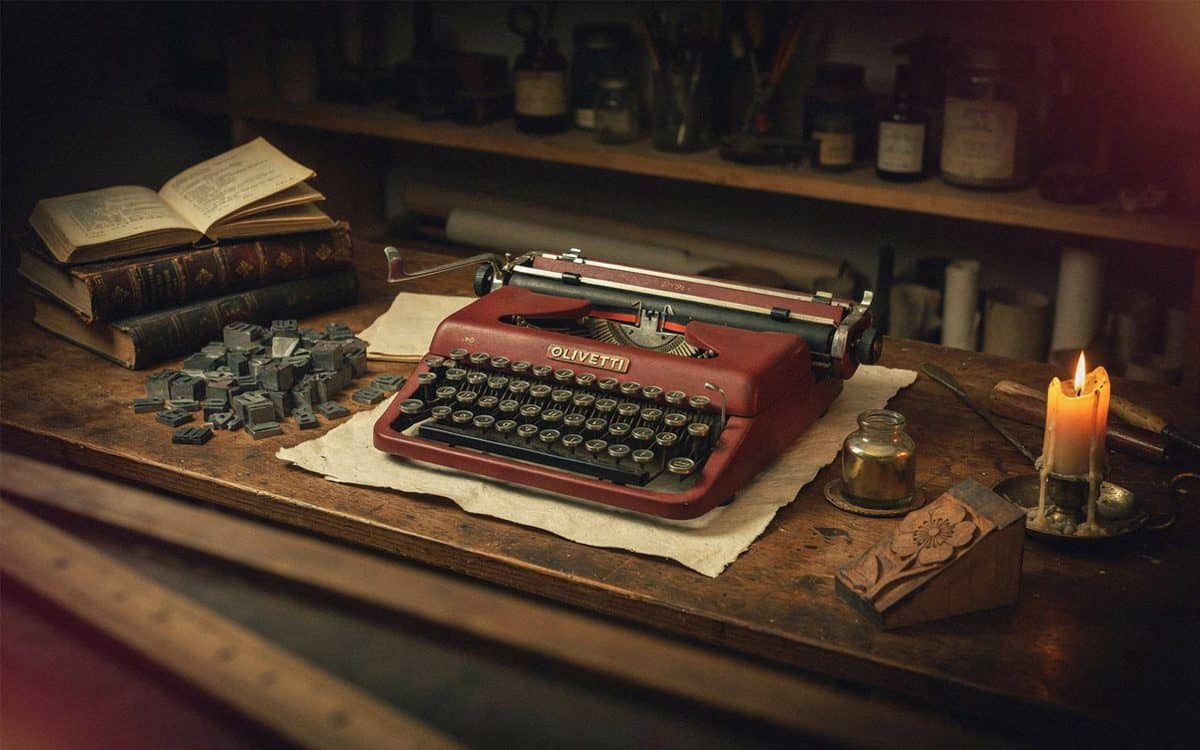
Image generated with Ai
Japan, together with the UK and France, explores vintage typewriters, historic press rooms, and traditional artisan print culture in an incredible global journey. Travelers, leaving the screens, are fascinated by such a journey.
Japan, together with the UK, and France, explores vintage typewriters, historic press rooms, and traditional artisan print culture, starting an unprecedented international tourism boom. Modern adventurers are ready to plunge into the fascinating world of old typewriters and restore rare pieces of equipment to enjoy a unique experience of creating newspapers and books using heavy lead type. This unusual hobby has had a tremendous impact on the world, especially in historic European capitals and ancient Asian print shops. What could be more fascinating than an opportunity to become familiar with the age-old trades of the West and the East? It seems that modern travel bloggers are going on such trips to satisfy their desire for physical interaction with the environment. Moreover, contributing to the local economy by preserving traditional craftsmanship is a definite bonus of this kind of adventure.
The global rise of analog tourism is transforming traditional travel itineraries by steering modern explorers toward historic print shops, vintage typewriter restoration hubs, and centuries-old literary landmarks across the United Kingdom, Spain, France, and Japan. This emerging movement invites travelers to swap digital screens for tactile experiences like lead-type setting, hand-bound paper crafting, and classic mechanical writing instruments.
The modern appetite for tangible heritage reflects a growing cultural fatigue with hyper-connected digital environments and instantaneous online communication. Travelers increasingly seek out physical authenticity by immersing themselves in historical printing presses, traditional linotype workshops, and independent antiquarian book stalls. This specialized travel niche connects curious minds directly with the foundational machinery and artisan craftsmanship that historically shaped mass communication and global literature. Visitors to these heritage sites are not merely passive sightseers, because they actively engage with master printers, bookbinders, and restoration experts who preserve vanishing trades. Every workshop visit or dusty bookshop browse provides a sensory connection to the past through the distinct scent of printer’s ink, heavy rag paper, and oiled typewriter metal. The conscious choice to explore analog destinations transforms standard vacations into meaningful, educational pilgrimages that honor human labor and historical artistry.
Advertisement
London remains an indispensable pilgrimage site for journalism enthusiasts seeking to trace the historic footsteps of the British press across legendary districts like Fleet Street. Walking through the narrow, cobbled alleyways surrounding St. Bride’s Church immediately transports visitors back to an era when steam-powered printing presses rattled the foundations of the capital. Beyond the iconic journalism memorials, boutique restoration workshops such as the Typewriter Emporium London meticulously breathe new mechanical life into vintage manual writing machines. Master technicians spend countless hours disassembling, ultrasonically cleaning, and repadding classic mid-century Imperials, Remingtons, and Underwoods to restore their original tactile precision. Meanwhile, traditional bookbinding guilds tucked away in Clerkenwell invite travelers to observe intricate gold-leaf tooling and hand-sewing techniques performed on raised cords. These operational hubs ensure that the foundational skills of British typography and physical publishing continue to inspire contemporary writers and craftspeople alike.
“This captivating feature brilliantly highlights the surging global movement toward analog tourism, reminding us why physical craftsmanship matters in a digitalized world. By connecting ancient Japanese woodblock studios with European literary hubs and vintage typewriter restoration shops, the article successfully honors the timeless beauty of ink and paper. It is an absolute must-read for anyone yearning to escape modern screen fatigue and reconnect with the authentic, tactile roots of global print-culture history through genuinely immersive and meaningful travel experiences.”
— Anup Kumar Keshan, Founder and Editor-in-Chief, Travel And Tour World
Spain offers a vibrant, deeply rooted landscape of centuries-old artisan print shops that proudly utilize antique wooden moveable type and heavy letterpress machinery. In Barcelona, the self-managed graphic arts association L’Automàtica operates inside a former commercial print shop, where local artists preserve vintage flatbed cylinder presses. Visitors here can witness active letterpress printing sessions and explore extensive drawers filled with handcrafted wooden and lead typefaces. Meanwhile, Madrid features specialized luxury ateliers on Paseo de la Castellana dedicated exclusively to copperplate engraving, dry embossing, and traditional hot-stamping techniques. Hidden artisan boutiques scattered across the historic Barrier Gòtic further enrich this journey by crafting custom marbled papers using traditional plant-based pastes and heavy bookbinding weights. Exploring these Iberian print spaces reveals a passionate community determined to keep historical graphic arts alive through collaborative, hands-on craftsmanship.
Parisian print-culture thrives along the scenic banks of the River Seine, where independent booksellers have operated their iconic green metal boxes for generations. These UNESCO-protected bouquinistes offer travelers an endless treasure trove of century-old French literature, vintage maps, original lithograph prints, and early twentieth-century postcards. Venturing deeper into the historic Marais district reveals legacy lithographic workshops that continue to produce fine art prints using traditional limestone slabs and heavy hand-cranked scrapers. In the winding streets of the Latin Quarter, dusty, wood-paneled independent bookshops specialize in out-of-print poetry collections and antique calfskin-bound volumes. Each historic print house and quayside book stall contributes to an enduring literary atmosphere that celebrates the physical beauty of the printed French word.
Japan maintains an extensive number of analog traditions that involve both historical woodblock printing stations and handmade paper manufacturing places. Takahashi Kobo is an old workshop that has been producing unique prints called ukiyo-e for more than one hundred and sixty years. The artists create the works of art with water-based paints, hand-carved cherry wood blocks, and special horsehair brushes. However, in Kyoto, there are also special traditional papermaking villages that produce handmade high-quality papers in a special manner. The creators of karakami papers make unique patterns by pressing the handmade blocks of magnolia wood covered with natural mineral colors and mica onto it. Nevertheless, the analog tradition is not only about paper and prints but also about handcrafted tools and materials. By traveling around the country, one can witness the fascinating process of making handmade paper from mulberry bark. The workers use flowing river water to filter the pulp of the fibers in special bamboo frames, thus creating unique paper for special occasions. Japan’s analog traditions are an inseparable part of the country’s cultural heritage and are of great interest to people around the world.
Discover more about the official preservation of these historic artisanal crafts by visiting the Government of Japan’s Agency for Cultural Affairs.
The boom in analog tourismism will create an economic boom for the struggling craftspeople, booksellers, and typewriter repairmen around the world. The traditional printing presses and woodblock printing studios are getting their well-deserved fame back as the modern travelers embark on the quest to feel more connected to history. The trend is a sign that people crave materiality and tactile sensation.
Advertisement
Tags: Analog Print Culture, Historic Printing Presses, japan travel, literary Tourism, Vintage Typewriters
Advertisement
Advertisement












Wednesday, September 2, 2026

Tuesday, September 1, 2026

Wednesday, September 2, 2026

Wednesday, September 2, 2026
Tuesday, September 1, 2026

Tuesday, September 1, 2026

Tuesday, September 1, 2026

Tuesday, September 1, 2026



