
Why Ghana’s Proposed Cocoa Museum Matters for Global Heritage Travel

Published
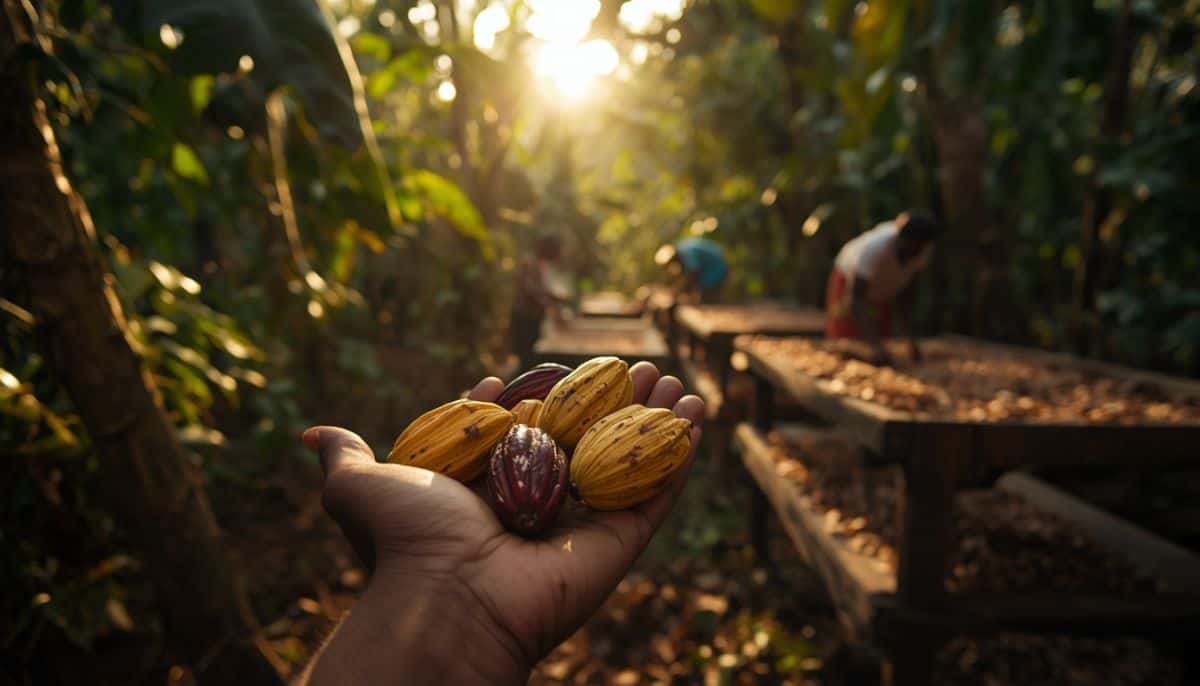
The Ghana Tourism Authority (GTA) has urged the Ghana Cocoa Board (COCOBOD) and major local processing companies to establish an ultramodern Cocoa Museum and Heritage Centre in the Western North Region. Although long known for its coastal heritage sites like Cape Coast and Elmina Castles, Ghana is now shifting strategic focus to its agrarian heartland. The project aims to turn the country’s leading cash crop into a world-class educational and cultural destination for local and international visitors.
Quick Facts: Western North Cocoa Museum Initiative
- Proposing Agency: Ghana Tourism Authority (GTA), supported by the Ministry of Tourism, Arts and Culture.
- Key Institutional Partner: Ghana Cocoa Board (COCOBOD).
- Proposed Location: Western North Region, Ghana.
- Current Status: Policy proposal and stakeholder advocacy phase (not yet operational).
- Core Objective: Diversifying heritage tourism away from coastal circuits into inland agro-tourism.
Frequently Asked Questions
What is the purpose of the proposed Cocoa Museum?
The proposed facility is planned as an educational repository and interactive centre documenting Ghana’s cocoa production, historical cultivation milestones, and modern bean-to-bar processing technologies.
Advertisement
Advertisement
Where will the facility be located?
The GTA has designated the Western North Region as the ideal site, given its status as one of Ghana’s most productive agricultural zones. Strategic planning focuses on anchoring the project within key administrative and commercial transit hubs such as the regional capital, Sefwi Wiawso, or proximate agrarian commercial centres like Bibiani and Enchi.
Is the museum currently open to visitors?
No. The project remains in the institutional advocacy and stakeholder alignment phase between the GTA, COCOBOD, and private industry partners.
Advertisement
Advertisement
Historical and Economic Context of Ghanaian Cocoa
Cocoa arrived in Ghana in the late 19th century through agriculturalist Tetteh Quarshie, who imported Amelonado cocoa pods from Fernando Po (now Bioko, Equatorial Guinea) in 1879. The crop swiftly expanded into the bedrock of the national economy.
Today, cocoa provides a direct livelihood for over 800,000 smallholder farming households across regions including Western North, Ashanti, Bono, and Eastern. Cultivation relies predominantly on traditional techniques: hand-harvesting with machetes, natural heap fermentation beneath plantain leaves, and raised-bed sun-drying.
Advertisement
Advertisement
Until recently, public infrastructure preserving this agricultural history remained limited to localized monuments, such as Tetteh Quarshie’s original farm in Mampong-Akwapim. The proposed Western North complex represents the first coordinated effort between tourism regulators and agricultural authorities to build a centralized, industrial-scale heritage archive.
Planned Scope of the Western North Heritage Centre
According to policy statements from GTA leadership, the proposed centre will feature four dedicated functional zones:
- Historical Archives: Curated documentation tracing early cultivation, colonial-era trade routes, and post-independence agricultural reforms under COCOBOD.
- Interactive Exhibition Halls: Live mechanical and artisanal demonstrations covering the supply chain from raw pod processing to fermentation, roasting, and conching.
- Agro-Tourism Integration: Guided field excursions linking visitors with local smallholder cooperatives, fair-trade collectives, and drying depots.
- Domestic Value Addition: A dedicated sensory laboratory and retail incubator showcasing Ghana’s expanding domestic chocolate brands, supporting the shift from raw bean export to finished consumer goods.
Strategic Significance for Global and Sustainable Tourism
For international travelers planning cultural itineraries in West Africa, the proposed museum addresses an emerging demand for ethical, community-centred travel experiences:
- Geographic Diversification: Tourism in Ghana has historically concentrated along the southern coastline. A dedicated institutional landmark in the Western North opens up new travel corridors, dispersing tourism revenue into rural economies that rarely benefit from traditional leisure travel.
- Supply Chain Transparency: Consumers are increasingly conscious of ethical trade, child labour mitigation, and environmental sustainability in confectionery supply chains. The centre aims to provide transparent educational engagement with smallholder cooperatives, illustrating the real labour and fair-trade standards governing modern production.
- Value-Addition Narrative: The global chocolate industry generates over $100 billion annually, yet cocoa-producing nations historically capture a small fraction of retail value. Showcasing local bean-to-bar chocolate craftsmanship repositions Ghana from a raw exporter to an active creator of premium culinary products.
As the Ghana Tourism Authority and COCOBOD work toward securing investment frameworks and regional site allocations, the Western North Heritage Centre highlights an evolving chapter in West African travel—one grounded in agricultural legacy, economic equity, and authentic cultural preservation.
Advertisement
