
Finnish Lapland Matches Tromsø and Swedish Lapland in the Race for Winter 2026–27 Northern Lights Trips: Which Offers Better Value?

Published
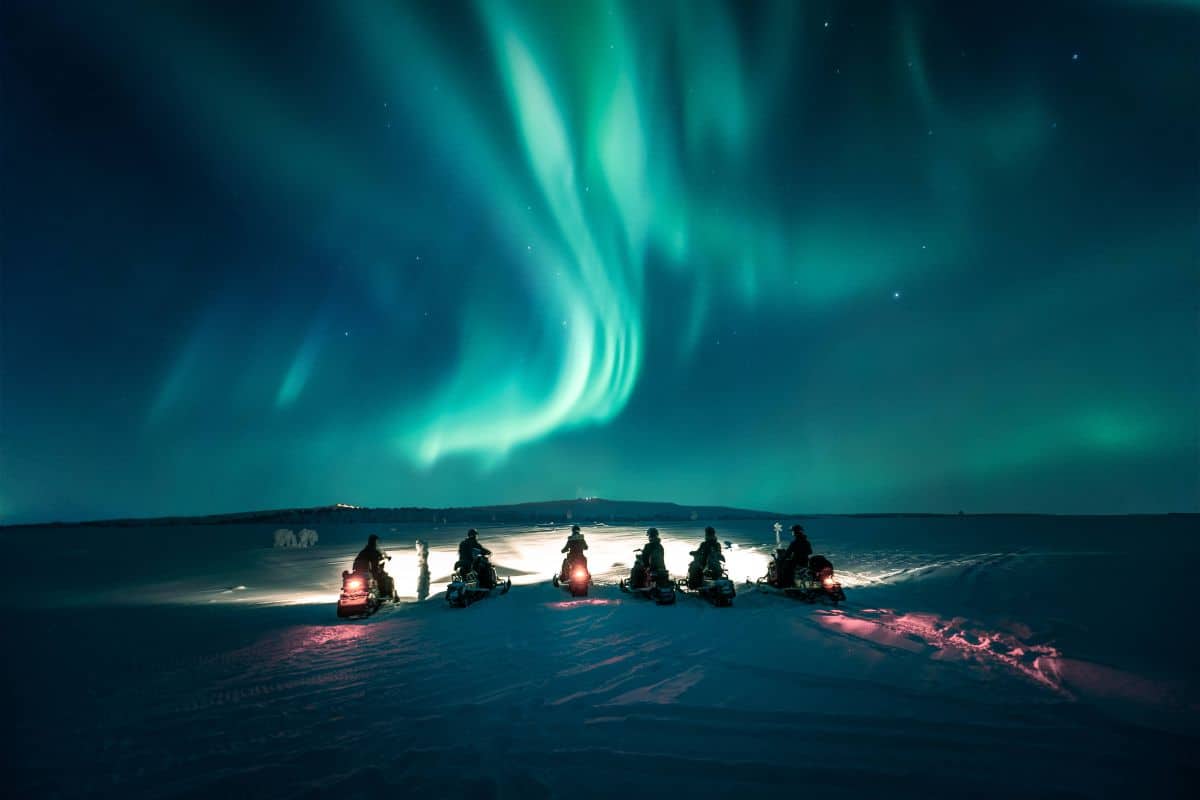
The Northern Lights Trip decision for winter 2026–27 is becoming a question of value, access and weather resilience, not simply scenery. Finnish Lapland offers an extensive network of seasonal European flights into Rovaniemi, while Swedish Lapland combines year-round Stockholm connections with seasonal routes into Kiruna. Tromsø, meanwhile, gives travellers an urban Arctic base and guided excursions into surrounding countryside. Yet none guarantees an aurora sighting, and the cheapest flight may not produce the cheapest holiday. Transfers, accommodation, excursion prices and the length of stay can substantially alter the final bill. Travellers should compare complete itineraries before committing to festive-season fares or expensive winter packages.
Three Arctic Bases, Three Distinct Holiday Styles
Finnish Lapland, Swedish Lapland and northern Norway share the appeal of snow-covered landscapes and dark winter skies. However, their visitor infrastructure and travel experiences differ considerably. The choice becomes clearer when travellers compare specific bases rather than entire regions.
Rovaniemi suits visitors seeking a broad selection of winter activities, family attractions, hotels and organised excursions. Further north, resorts such as Saariselkä and Levi offer different landscapes and transfer requirements. Consequently, a flight into Rovaniemi does not automatically provide convenient access to every Finnish Lapland resort.
Swedish Lapland presents a different proposition through Kiruna and Abisko. Kiruna offers air connections and access to regional attractions, while Abisko appeals to travellers seeking mountain scenery and an aurora-focused stay. However, reaching Abisko requires additional planning and transport.
Advertisement
Advertisement
Tromsø combines city accommodation, restaurants and cultural attractions with access to fjords and guided aurora excursions. Its urban setting can simplify daytime logistics, although visitors may still need to travel away from city lights or local cloud cover.
Winter Flights Reveal a Clear Access Divide
Rovaniemi has a particularly broad published flight network for winter 2026–27. Its destination organisation lists direct services from numerous European cities, including London, Dublin, Amsterdam, Berlin, Paris and Milan. Helsinki also provides year-round connections, while rail services offer another route into the city. Seasonal frequencies vary, so travellers must check their precise dates before booking.
Advertisement
Advertisement
Kiruna’s air access is more concentrated. Stockholm flights operate throughout the year, with a flight time of approximately 90 minutes. Seasonal international services include Copenhagen from 17 December 2026 to 7 March 2027 and Düsseldorf from 6 February to 20 March 2027. These routes can reduce the need for a connection through Stockholm, but their limited operating windows matter.
Tromsø’s principal advantage is its established domestic air link through Oslo and its airport’s proximity to the city. Nevertheless, travellers should distinguish scheduled routes from seasonal services when comparing itineraries. A direct flight is only useful if its operating days match the intended stay.
Advertisement
Advertisement
| Travel factor | Finnish Lapland | Swedish Lapland | Tromsø |
|---|---|---|---|
| Main gateway | Rovaniemi | Kiruna | Tromsø Airport |
| Published air access | Broad seasonal European network | Year-round Stockholm flights; selected seasonal routes | Domestic connections and international services |
| Alternative transport | Helsinki–Rovaniemi rail connections | Rail and road connections towards Abisko | Road transfers and guided excursions |
| Main booking consideration | Seasonal flight dates and resort transfers | Connecting flights and onward journey | Airfare, city accommodation and tour costs |
The evidence supports a clear distinction in route availability, but not a universal winner for affordability. Travellers departing from London may face different choices from those departing from Mumbai, Delhi or another international gateway. A fair price comparison must use the same origin, dates, baggage allowance and booking conditions.
The Final Transfer Can Change the Budget
The airport-to-accommodation journey is a frequently overlooked part of Arctic holiday planning. In Swedish Lapland, the difference between staying in Kiruna and continuing to Abisko provides a particularly clear example.
Published transfer listings show a starting price of SEK 599 each way between Kiruna Airport and accommodation in Abisko. The advertised journey takes approximately one hour, although schedules and actual journey times can vary. At the listed starting fare, a return transfer costs at least SEK 1,198 per person before any additional travel.
Rovaniemi travellers should also distinguish between staying in the city and travelling to more distant resorts. The latter can add ground transport costs and time, even when the initial flight is convenient. Tromsø offers a shorter airport-to-city journey, but guided aurora excursions may involve several hours of additional driving.
Advertisement
Advertisement
These differences mean that a hotel advertised at a lower nightly rate may not deliver the least expensive overall itinerary. Travellers should calculate the full return journey, including late arrivals, luggage, shared transfers and any transport needed for evening excursions.
Accommodation Prices Need a Like-for-Like Test
A reliable comparison of winter accommodation requires more than headline rates. Christmas and New Year demand can differ substantially from January and February demand, while remote resorts, glass-roofed cabins and central hotels cater to different budgets.
The most useful comparison would price three-night and five-night stays for the same dates, room occupancy and cancellation terms. It should also distinguish standard hotels from premium aurora accommodation rather than comparing unlike products.
| Accommodation choice | Main advantage | Cost consideration |
|---|---|---|
| Rovaniemi hotel | Convenient access to city services and tours | Festive demand and excursion transport |
| Finnish Lapland resort | Winter activities close to the accommodation | Resort transfers and premium room categories |
| Kiruna hotel | Regional access and a town-based stay | Additional transport if visiting Abisko |
| Abisko accommodation | Direct access to the surrounding mountain landscape | Limited alternatives may affect availability |
| Tromsø city hotel | Restaurants, services and urban convenience | Room rates and excursions can raise the total |
No verified, like-for-like hotel quotation set establishes which destination is cheapest for the entire 2026–27 season. Travellers should therefore avoid relying on a single advertised room rate when budgeting for a major winter holiday.
Aurora Chances Depend on More Than Latitude
The most important distinction in aurora planning is between auroral activity and actual visibility. Solar activity may produce a display, but cloud cover can obscure it entirely. Darkness, local light pollution and the ability to reach clearer skies also influence the viewing experience.
Finland’s Meteorological Institute estimates that auroras can be seen on approximately 75% of dark, cloudless nights at Kilpisjärvi. At Lapland ski resorts such as Levi, Ylläs and Saariselkä, the comparable figure is roughly 50%. These are conditional estimates for sufficiently clear nights, not guarantees that visitors will see the lights on a given trip.
Advertisement
Advertisement
Tromsø lies beneath the auroral oval, and the regional tourism authority identifies late August to early April as the usual viewing season. It recommends allowing several nights because auroral activity and weather must cooperate. Guided operators can travel beyond the city to seek clearer skies, although no route guarantees success.
Abisko also attracts aurora-focused visitors because of its local climate and mountain setting. However, a defensible three-way ranking requires comparable historical observations of cloud cover and viewing conditions. Tourism claims about one location’s clear-sky advantage should not be treated as proof of superior overall viewing probability.
The practical implication is straightforward: a destination’s reputation cannot replace a weather-aware itinerary. Travellers should consider whether excursions can change routes, whether repeat departures are available and what cancellation conditions apply. They should also avoid treating a tour that operates without a sighting as automatically refundable.
Three Nights or Five: How Long Should Travellers Stay?
A short visit can deliver an extraordinary display, but it leaves little room for disruption. One cloudy evening, a delayed arrival or a cancelled excursion can consume a large share of a two-night holiday.
Three nights provides a sensible baseline for a dedicated aurora escape. Four or five nights gives travellers more opportunities to adapt to forecasts, rearrange excursions where permitted and enjoy daytime activities when the sky remains cloudy. This is a planning recommendation, not a statistically guaranteed threshold.
A simple probability model helps explain the benefit of additional nights. If every night had an identical, independent 40% chance of a successful sighting, the probability of at least one sighting would reach 78.4% over three nights. Over five nights, it would rise to 92.2%. These are hypothetical mathematical examples, not forecasts for any destination. Real weather patterns can persist across consecutive nights, while auroral activity varies.
Advertisement
Advertisement
The financial decision therefore involves balancing extra accommodation costs against the value of additional viewing opportunities. Travellers should compare the marginal cost of two extra nights with the cost of returning for another trip if the first visit fails.
December Darkness Versus February Daylight
Winter daylight creates another major distinction between destinations and dates. December offers long periods of darkness, but it also restricts the time available for sightseeing and outdoor activities. February brings more daylight in many locations, allowing a different balance between aurora viewing and daytime experiences.
On 21 December 2026, Rovaniemi has approximately 2 hours 15 minutes of direct daylight, according to published solar tables. Kiruna enters its polar night period in December, when the sun remains below the horizon for part of the season. Tromsø also experiences polar night, with no sunrise during December’s darkest period. Twilight still provides some ambient light, so the absence of sunrise does not mean complete darkness throughout every daytime hour.
| Travel period | Potential advantage | Important trade-off |
|---|---|---|
| December 2026 | Festive atmosphere and extensive darkness | High seasonal demand and limited daylight |
| January 2027 | Post-holiday travel window and long nights | Cold conditions and weather disruption risks |
| February 2027 | Increasing daylight and winter activity opportunities | Prices and availability vary by destination and dates |
The best month depends on the traveller’s priorities. December may suit visitors seeking Christmas markets and festive experiences, while February may better serve those wanting a combination of skiing, outdoor activities and night-time viewing. Neither period guarantees clearer skies.
Weather Risks Can Overturn a Destination Choice
Winter weather affects more than aurora visibility. Snow, icy roads, delayed transport and extreme cold can alter the practical cost of an itinerary. Travellers should examine historical climate conditions alongside operator policies and transport reliability.
In Finland, the Meteorological Institute’s climate information provides a foundation for understanding winter conditions, but national averages cannot substitute for local observations. Similarly, Abisko’s reputation for favourable local viewing conditions deserves investigation through site-specific evidence rather than annual precipitation totals alone. Tromsø’s coastal setting creates different weather considerations from inland Lapland, making flexible excursion planning particularly relevant.
Advertisement
Advertisement
The strongest article should compare monthly cloud-cover records for each base using consistent periods and clearly defined measures. It should also examine how operators respond to changing forecasts, whether tours travel to alternative viewing areas and what happens when unsafe road conditions force cancellations.
For travellers, the lesson is to prioritise weather flexibility over promises of guaranteed sightings. Appropriate winter clothing, comprehensive travel insurance and accommodation with sensible cancellation terms can help manage disruption. However, insurance policies vary, and travellers should read the exclusions rather than assume that ordinary bad weather triggers compensation.
Aurora Tours Need a Closer Price Check
Organised excursions can make a remote Arctic landscape more accessible, particularly for visitors unfamiliar with winter driving. However, their prices reflect different services, group sizes, journey lengths and equipment provisions. Comparing the headline price alone can therefore mislead readers.
One published Tromsø listing prices a guided minibus aurora chase from NOK 1,759 per adult. The excursion adapts its route to evening conditions and includes a guide, return transport, warm clothing and refreshments. The listed price provides a concrete benchmark, but it cannot establish whether Tromsø’s tours are more expensive than equivalent experiences in Finland or Sweden.
A proper comparison should examine tour duration, group size, transport, thermal clothing, meals, photography and hotel drop-off. Travellers should also check whether an excursion follows a fixed itinerary or actively pursues clearer skies. These distinctions can materially affect both the experience and the price.
| Booking detail | Why it matters |
|---|---|
| Route flexibility | Determines whether guides can seek clearer conditions |
| Duration | Longer tours may involve more travel and waiting |
| Group size | Affects comfort and the style of the experience |
| Clothing and food | Can reduce additional equipment and meal costs |
| Cancellation terms | Establishes the options when a tour cannot operate |
| Repeat-booking policy | Determines whether another attempt requires full payment |
The same checks should apply to husky sledding, reindeer experiences and snowmobiling. These activities can enrich the holiday, but they should remain separate from the essential cost of reaching an aurora-viewing location.
Advertisement
Advertisement
The Tourism Value Extends Beyond Sightings
The three destinations also compete on their ability to deliver a satisfying holiday when the sky remains cloudy. This matters commercially because travellers are buying an entire trip, not a guaranteed natural spectacle.
Rovaniemi has an established visitor infrastructure and a broad choice of winter activities. Its appeal can extend to families, festive-season visitors and travellers who want several experiences within one itinerary. Nevertheless, the cost and convenience of individual activities depend on location and booking dates.
Swedish Lapland offers a different blend of wilderness, mountain scenery and regional attractions. Travellers considering Abisko may value the landscape itself, even when aurora conditions disappoint. Yet the added transfer and the accommodation options available on selected dates deserve careful scrutiny.
Tromsø combines urban amenities with access to coastal scenery and organised outdoor experiences. Restaurants, shops and city attractions provide alternatives when conditions prevent aurora viewing. However, visitors should not mistake city convenience for a guarantee of low trip costs.
For the tourism industry, these differences highlight the value of transparent package pricing. Operators that clearly explain inclusions, route flexibility and cancellation conditions give customers a better basis for comparing products. Destination marketers can also build trust by distinguishing climate statistics from marketing estimates and acknowledging that natural phenomena remain unpredictable.
Where Should Travellers Book for 2026–27?
The Northern Lights Trip decision should follow the traveller’s priorities rather than an unsupported overall ranking. Finnish Lapland is a strong starting point for visitors seeking broad seasonal flight access and a varied winter holiday. Swedish Lapland merits consideration for those prioritising an aurora-focused stay around Abisko, provided they budget for onward transport. Tromsø is compelling for travellers who prefer an urban base and guided excursions into surrounding landscapes.
Advertisement
Advertisement
The final financial verdict remains dependent on date-specific quotations. No complete, comparable set of flight, hotel and excursion prices currently establishes a universal cheapest destination. Travellers should price the same departure dates, occupancy and stay length before making that decision.
A three-night stay is a reasonable starting point for a dedicated aurora holiday, while four or five nights offers more flexibility. Above all, travellers should confirm flights, transfers, accommodation and tour availability before paying non-refundable deposits. The best booking is the itinerary that combines a manageable total cost, practical logistics and realistic expectations of the weather.
FAQs
1. Which is the best Northern Lights destination for winter 2026–27?
Finnish Lapland suits varied winter holidays, Abisko appeals to aurora-focused travellers, while Tromsø combines city comforts with guided excursions.
2. Which destination is cheapest for a Northern Lights holiday?
It depends on flight fares, accommodation, transfers and excursion costs. Compare complete itineraries before booking.
Advertisement
Advertisement
3. How many nights should travellers book to see the Northern Lights?
Three nights is a sensible minimum; four or five nights offers more viewing opportunities.
4. Is December or February better for Northern Lights viewing?
Both offer opportunities. December has longer darkness, while February provides more daylight for winter activities.
5. Can travellers see the Northern Lights in Tromsø without a tour?
Yes, but cloud cover and light pollution can limit visibility. Guided tours can seek clearer skies outside the city.
Advertisement
Advertisement
6. Is Abisko worth the extra transfer from Kiruna?
It may suit travellers prioritising mountain scenery and aurora viewing, but additional transport costs should be included in the budget.
7. Are Northern Lights sightings guaranteed in Finnish Lapland, Sweden or Tromsø?
No. Aurora activity, cloud cover and local weather determine visibility, even during peak season.
8. When should travellers book their winter 2026–27 Northern Lights holiday?
Book once suitable flights, accommodation and excursions are confirmed, particularly for Christmas and New Year dates.
Advertisement
