
Madrid: The New Hotspot For Luxury Travellers And Emerging Global Tourism Trends From The United States, Mexico And Colombia

Published
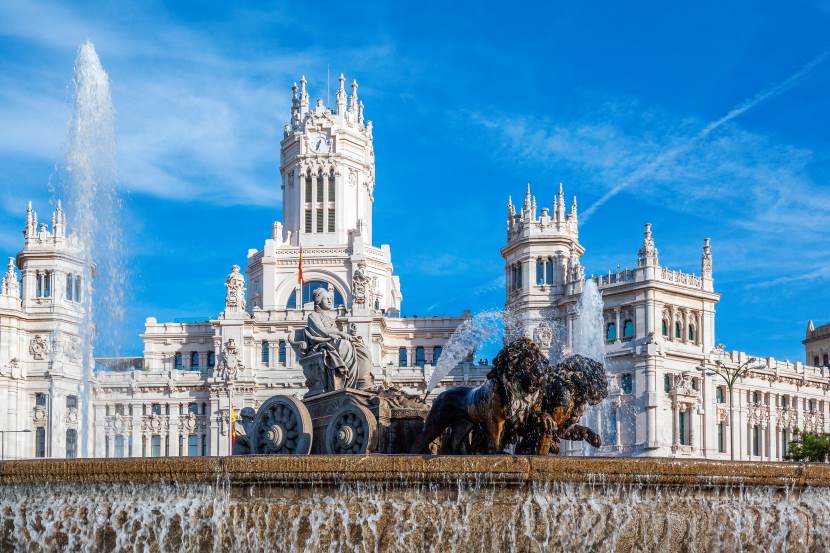 Image generated with Ai
Madrid has recently become one of the most sought-after destinations in Europe, particularly for luxury travellers. A significant transformation has taken place in the Spanish capital, resulting in record-breaking international tourist spending and a shift in the city’s visitor profile. While the pandemic initially cast a shadow over global tourism, Madrid used this time to rebrand itself and elevate its status as a top destination for luxury travellers.
Record-Breaking Visitor Numbers
This summer, Madrid welcomed over 3 million international tourists, a 20% increase compared to 2019, showcasing the city’s remarkable recovery and growth in global tourism. Previously, the Spanish capital had struggled to attract international travellers, with cities like Barcelona, Paris, and London taking center stage. However, these new visitor trends indicate Madrid’s rise as a global destination, particularly among premium tourists. As a result, the city has now emerged as one of Europe’s most desirable cities, ranking highly in awards and international rankings.
Advertisement
Advertisement
Changing Demographics of Madrid’s Tourists
One of the key drivers behind this growth is a shift in the visitor profile. The majority of tourists now hail from distant markets, including the United States, Mexico, and Colombia, replacing traditional European travellers. These long-haul visitors, particularly Americans, require longer stays and are known for their higher spending power. They seek exclusive experiences, luxury accommodations, and exceptional cultural and culinary offerings. This change in tourist demographics is reshaping the tourism landscape in Madrid, benefiting both the local economy and the hospitality sector.
Increasing Tourist Spending
The impact of these high-spending visitors is evident in the city’s tourism statistics. In May, Madrid’s average tourist expenditure surpassed 2,000 euros, which is significantly higher than other popular Spanish regions such as Catalonia and Andalusia. This surge in spending is primarily driven by tourists from the US, Mexico, and Colombia, who are investing in premium services and luxury experiences. As a result, Madrid has not only recovered from the pandemic’s impacts but is also setting new records for tourism revenue.
Advertisement
Advertisement
The Role of Major Hotel Chains in Madrid’s Rise
An essential element of Madrid’s transformation has been the arrival of prestigious hotel chains like Four Seasons, Rosewood, and Mandarin Oriental. These luxury brands have placed Madrid on the radar of affluent international travellers who previously favored cities like Barcelona or Paris. The opening of the Four Seasons hotel in Plaza de Canalejas in 2020 was a pivotal moment, despite opening during the pandemic. It marked the beginning of a new era for luxury tourism in Madrid. The hotel became a symbol of the city’s commitment to attracting a high-end clientele, and its success has been followed by other prestigious international brands, including JW Marriott, Hyatt, and Hilton.
These hotels have strategically located themselves in the city’s core, contributing to the revitalization of historically less-touristed areas. Plaza de Canalejas, in particular, is now considered a “hotel golden mile,” where multiple luxury hotels have been established within walking distance of each other. This concentration of high-end properties further solidifies Madrid’s reputation as a luxury destination.
Advertisement
Advertisement
Enhancements to Madrid’s Hospitality Scene
In addition to new hotels, many of Madrid’s iconic luxury properties have undergone extensive renovations. The Rosewood Villa Magna, the Palace Hotel, and the Mandarin Oriental Ritz have all been updated to meet the demands of the modern luxury traveller. These upgrades reflect a growing focus on offering culturally rich, exclusive experiences that appeal to high-spending international tourists. Furthermore, the emergence of boutique hotels and private clubs, such as Soho House in the Salesas district, further enhances the city’s appeal to those seeking intimate, sophisticated stays.
Sustainable Tourism and Managing Growth
While the surge in tourism is undeniably positive, it also poses challenges. The influx of visitors has resulted in higher hotel room prices and overcrowding in the city’s popular tourist spots. The city now faces the challenge of balancing tourism growth with the preservation of its authentic character and sustainability. Madrid’s tourism authorities are working on strategies to manage this boom while ensuring that the city remains livable for both residents and visitors. These strategies include improving flight connectivity, launching digital marketing campaigns, and promoting Madrid through global tourism fairs.
The Impact of New Flight Routes
A significant driver of the city’s tourism growth has been the expansion of direct flights to Madrid. For instance, the opening of direct routes from Monterrey and Guadalajara to Madrid has brought an influx of Mexican tourists, who previously favored destinations like Las Vegas and Miami. This expansion in air travel connectivity has played a crucial role in making Madrid more accessible to distant markets, particularly those with high-spending tourists.
Conclusion: A Bright Future for Madrid’s Tourism
Madrid’s rise as a global tourism hub can be attributed to a combination of factors, including its rejuvenated hotel scene, strategic marketing campaigns, and a shift in the profile of international visitors. The city has not only recovered from the pandemic but is now exceeding its pre-pandemic tourism levels, setting new records for visitor numbers and spending. However, the city must carefully manage this success to ensure long-term sustainability and maintain its appeal to tourists while preserving the quality of life for its residents. As Madrid continues to climb the ranks of world-class travel destinations, its impact on both tourism and the local economy is expected to remain significant for years to come.
Advertisement
