
Mallorca to Introduce New Tourist Taxes and Travel Restrictions in 2025, Impacting Visitors to Palma, Soller, and the Balearic Islands

Published
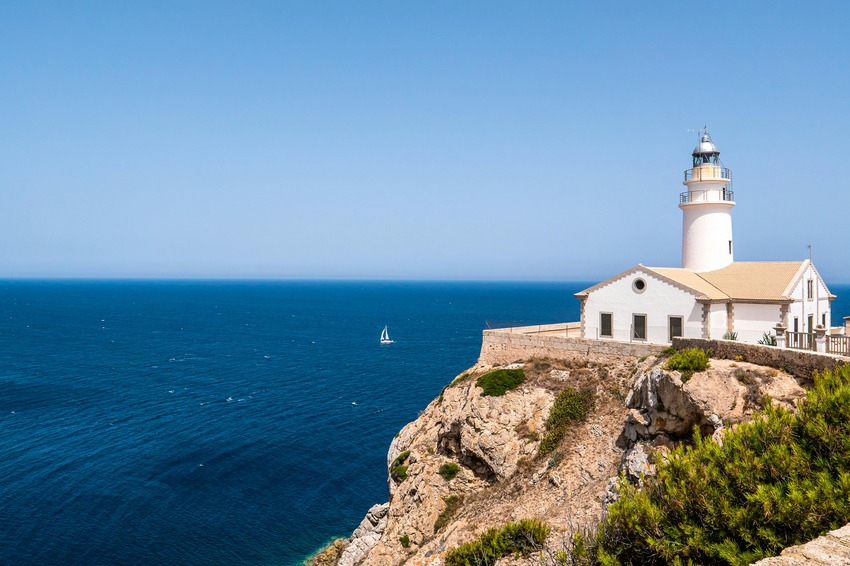 Image generated with Ai
Mallorca, one of Spain’s most popular tourist destinations, is set to introduce a series of new taxes and regulations aimed at addressing the challenges brought by mass tourism. As part of a sustainability pact, the Balearic government has announced measures that will increase visitor taxes, limit car access in key areas, and introduce new levies on rental vehicles and cruise passengers.
These policies, set to take effect gradually throughout 2025 and beyond, are expected to reshape the tourist experience, travel industry dynamics, and visitor spending patterns on the island. While the government maintains that these changes are necessary for sustainability and improving local quality of life, travelers planning future visits to Mallorca will need to adapt their itineraries, budgets, and transportation choices.
Why Are These Changes Being Introduced?
The new regulations come in response to growing concerns over overcrowding, housing shortages, and environmental pressure caused by mass tourism.
- In 2024, Spain saw 3.2% fewer British visitors compared to 2023, yet the Balearic Islands recorded a 6.6% increase in British arrivals.
- More than 15.3 million international travelers visited the Balearics last year, contributing to congestion, housing crises, and increased pollution.
- In 2024, thousands of residents staged protests against mass tourism in Mallorca, particularly highlighting issues related to rising holiday rentals, traffic congestion, and disruptive tourist behavior.
In response, the Balearic government has outlined a 350-page sustainability strategy, aiming to reduce reliance on traditional tourist markets such as the UK and Germany while improving the island’s infrastructure and environmental sustainability.
Advertisement
Advertisement
Key Travel Taxes and Regulations: What Tourists Need to Know
The upcoming changes will affect travelers in multiple ways, including accommodation costs, transportation options, and cruise tourism.
1. Higher Tourist Taxes on Accommodation
Mallorca’s sustainable tourism tax will be increased during peak summer months, adding costs to hotel stays and short-term rentals.
Advertisement
Advertisement
- Travelers staying in hotels and holiday rentals will pay between €1 and €6 per night per person, depending on the time of year and type of accommodation.
- Luxury hotels and high-end resorts will face higher per-night charges, while budget accommodations and off-season stays will remain relatively unaffected.
- Tourists seeking to avoid the increased tax may choose to visit during the spring or autumn shoulder seasons, when the levy is lower.
2. Cruise Ship Passenger Levies
Mallorca’s cruise tourism is expected to see an increase in passenger numbers in 2025, with 541 large ships carrying nearly 1.9 million tourists scheduled to arrive—41,000 more than in 2024.
- Cruise passengers will need to pay between €2 and €6 per night for time spent in Mallorca, depending on whether they arrive in peak or off-peak seasons.
- Travelers can avoid the highest tax rates by choosing off-season cruise itineraries that stop in Mallorca during autumn, winter, or early spring.
3. New Restrictions on Rental Vehicles
One of the most significant travel changes coming to Mallorca is the introduction of a rental car tax, aimed at reducing traffic congestion and carbon emissions.
Advertisement
Advertisement
- Foreign visitors renting cars will be required to pay up to €80 per rental, depending on the vehicle’s emissions output and length of stay.
- The tax is designed to encourage tourists to opt for low-emission or electric vehicles, which will face lower fees.
- Visitors can avoid these extra charges by using Mallorca’s expanding public transportation network, which includes buses, trams, and regional trains.
Additionally, since January 2025, a low-emission zone (LEZ) has been in place in Palma’s historic center.
- Only vehicles with environmental stickers B, C, Eco, or zero emissions can enter the city’s historic district.
- Cars without an environmental sticker or those classified as A are banned, and starting in 2026, fines will be imposed for violations.
4. Traffic Restrictions in Soller
Soller, one of Mallorca’s most visited towns, will introduce a residents-only driving zone trial across 12 key roads to reduce congestion caused by rental cars.
- Foreign visitors renting vehicles will have to park outside the town center and use public transport, walking paths, or cycling routes to reach key attractions.
- Alternative transport options include:
- A heritage train from Palma to Soller, costing €30 for a round-trip ticket.
- A tram ride to Soller Port for €9 one way.
- Public buses with tickets priced between €2 and €5 depending on distance.
How These Changes Will Affect Future Travelers
The new rules and taxes will significantly shape how future tourists budget, plan, and experience their trips to Mallorca.
- Higher costs for summer travelers: Tourists visiting Mallorca during peak months will face increased accommodation costs, cruise passenger levies, and vehicle rental fees.
- Off-season travel becomes more attractive: With lower taxes and reduced crowds, visiting in spring and autumn will become a more appealing option.
- Greater reliance on public transport: Restrictions on rental cars and low-emission zones will push visitors to use buses, trams, and trains instead of driving.
- Sustainable tourism growth: These measures may improve the quality of the tourist experience, ensuring better preservation of local infrastructure, reduced congestion, and a stronger focus on environmental sustainability.
Global Impact: Could Other Tourist Destinations Follow?
Mallorca’s sustainability-driven regulations are part of a broader global trend where popular destinations are implementing new travel policies to curb over-tourism.
Advertisement
Advertisement
- Venice, Italy has introduced day-tripper taxes to limit excessive crowds.
- Amsterdam, Netherlands has increased its tourist tax rates while discouraging mass tourism campaigns.
- Santorini, Greece is working to limit daily cruise passenger arrivals to reduce congestion.
Mallorca’s approach could serve as a model for other island destinations struggling with over-tourism and infrastructure strain. If successful, other European tourist hotspots may adopt similar tax policies and travel restrictions to ensure more sustainable visitor numbers.
Key Takeaways
- Mallorca will introduce increased tourist taxes in 2025, including higher accommodation levies, cruise passenger fees, and rental car taxes.
- Visitors renting cars will face charges of up to €80, depending on emissions output, with alternatives such as public transport becoming more attractive.
- Cruise passengers will pay an additional tax, ranging from €2 to €6 per night, encouraging off-peak travel.
- Soller and Palma will introduce traffic restrictions, with low-emission zones and car-free areas reducing tourist vehicle access.
- Future visitors may need to adjust their travel plans, considering off-season trips, alternative transport, and budget adjustments for increased fees.
- Mallorca’s regulations could set a precedent for other destinations facing similar over-tourism challenges.
Looking Ahead: The Future of Travel to Mallorca
While these new travel taxes and rules may initially seem restrictive, they reflect a growing movement toward sustainable tourism. Travelers planning future visits to Mallorca will need to consider off-season alternatives, embrace eco-friendly transport, and factor in increased costs when budgeting.
If these policy changes successfully balance tourism demand with local sustainability, Mallorca could set a new standard for responsible travel policies worldwide.
Advertisement
